
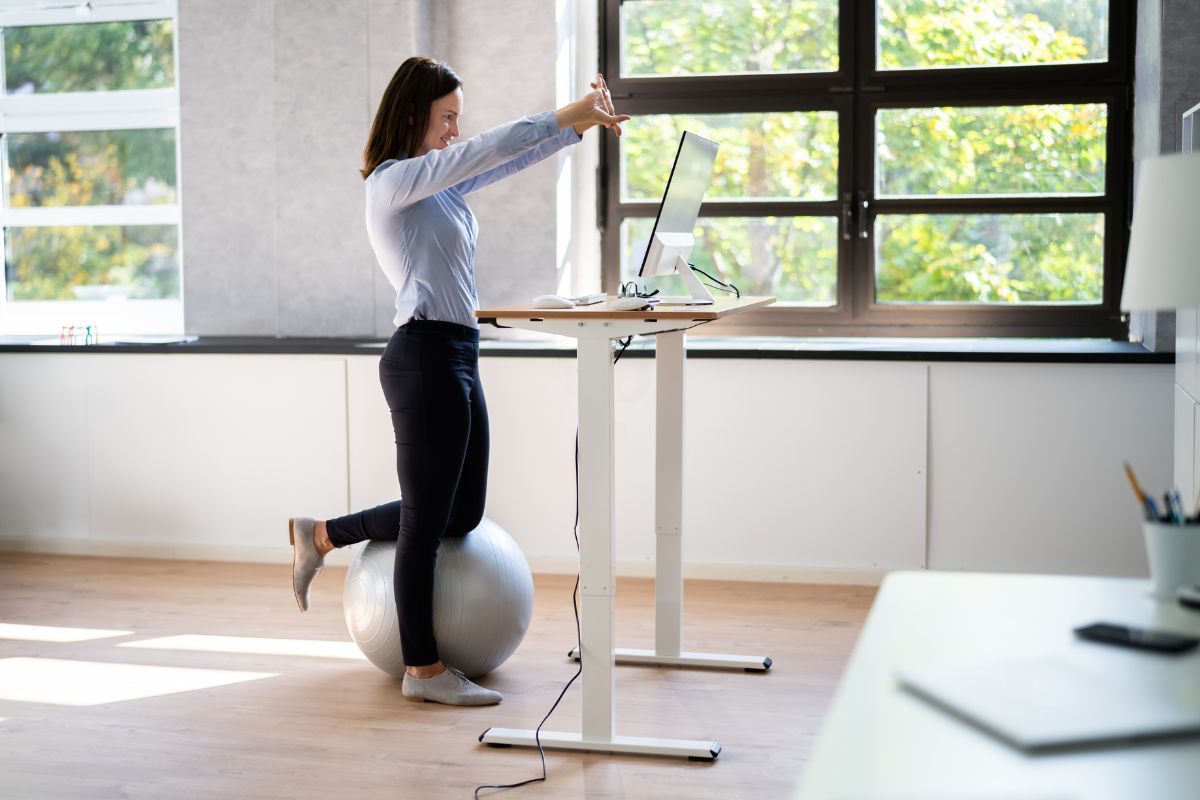
Sitting for 8+ hours a day is the norm for millions of women. Especially for those who work in offices, business, or IT. Comfortable? Maybe. Safe? Definitely not.
A sedentary lifestyle has a serious impact on a woman's hormonal, reproductive, and vascular health . And we decided to talk about it with an expert - Ksenia Dzygovskaya , an endocrinologist-gynecologist at the TAURT Medical clinic, who works with women who lead a sedentary lifestyle every day.
Women and sedentary work: statistics
-
According to ILO (2023) , 54% of office workers in Europe are women .
-
In Ukraine, despite the war, the number of women in business and IT is growing . According to the European Business Association , in 2024, 30% of management positions in business will be held by women.
-
In the technical and digital spheres in Ukraine, women already make up 28% of IT workers , while 10 years ago they were only 12% (source: DOU, 2024).
The average working day for a woman in IT or marketing is:
-
7.5–9.5 hours of sitting at the computer , with only 2-3 short breaks per day .

How does sitting affect the female body?
Inactivity isn't just about back pain. It affects:
1. Hormonal imbalance
-
Sitting at work disrupts blood circulation in the pelvic organs , which can cause a decrease in estrogen levels and problems with the menstrual cycle .
2. Infertility
-
According to WHO , every 6th couple in the world has problems conceiving , and one of the reasons is venous stasis in the pelvis .
-
Doctors call this phenomenon " office syndrome ." Constant sitting contributes to inflammatory processes , cyst formation , and endometriosis .
3. Varicose veins and lymphostasis
-
Inactivity provokes varicose veins - especially in women after 30 years of age.
-
According to statistics, 63% of women who work while sitting have problems with venous insufficiency (source: European Society of Vascular Medicine, 2022).
4. Stress and fatigue
-
Lack of movement → lack of oxygen in the brain → constant fatigue , anxiety , sleep disturbances.
That is why we turned to Dr. Ksenia Dzygovskaya, a gynecologist-endocrinologist at the TAURT Medical clinic, to find out how serious the consequences of sedentary work can be for the female body and what you can do now to protect yourself.
Ksenia Dzygovska is an endocrinologist-gynecologist with over 10 years of experience, specializing in restoring hormonal balance in women working in stressful, sedentary conditions . She is part of the TAURT Medical team, an innovative clinic in Odessa that combines evidence-based medicine and an individual approach.
What does the doctor say?
"Prolonged sitting disrupts blood circulation in the pelvic organs. This, in turn, can lead to malfunctions in the ovaries, stagnant phenomena, and even inflammatory processes that accumulate imperceptibly over the years. At the same time, the tone of the pelvic floor muscles decreases - and this is a risk factor for reproductive function, hormonal balance, and even maintaining internal organs in a normal position," the doctor explains.
This is especially important for women who are planning a pregnancy or are of reproductive age . Impaired blood and lymph circulation in the pelvic organs can not only complicate conception, but also affect the course of pregnancy.
💡 At the same time, changing body position throughout the day, alternating between sitting and standing , even without full-fledged training, helps improve venous outflow , reduces the risk of varicose veins, activates the lymphatic system and improves vascular function.

That is why an ergonomic workplace is not an aesthetic whim, but an element of prevention of serious disorders . A height-adjustable desk allows a woman to easily alternate working postures without leaving the flow of tasks.
You can watch the interview with Dr. Ksenia Dzygovskaya on our YouTube channel or simply by clicking on this link:watch the interview
to share:
What is better for your back - a saddle chair or an ergonomic chair? User experience, facts and a choice without illusions
Why are companies switching to height-adjustable desks? Experience of Ukrainian IT business