

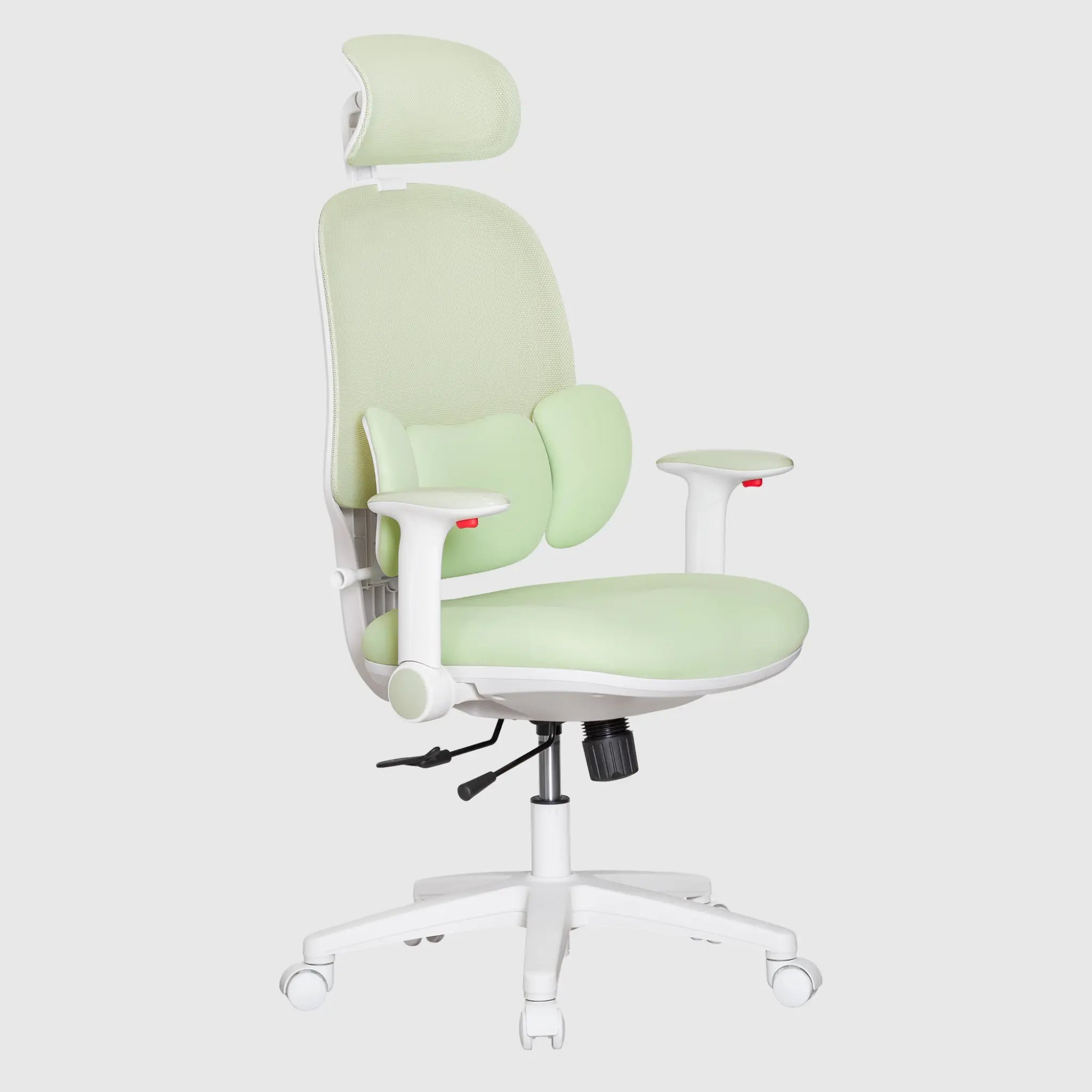
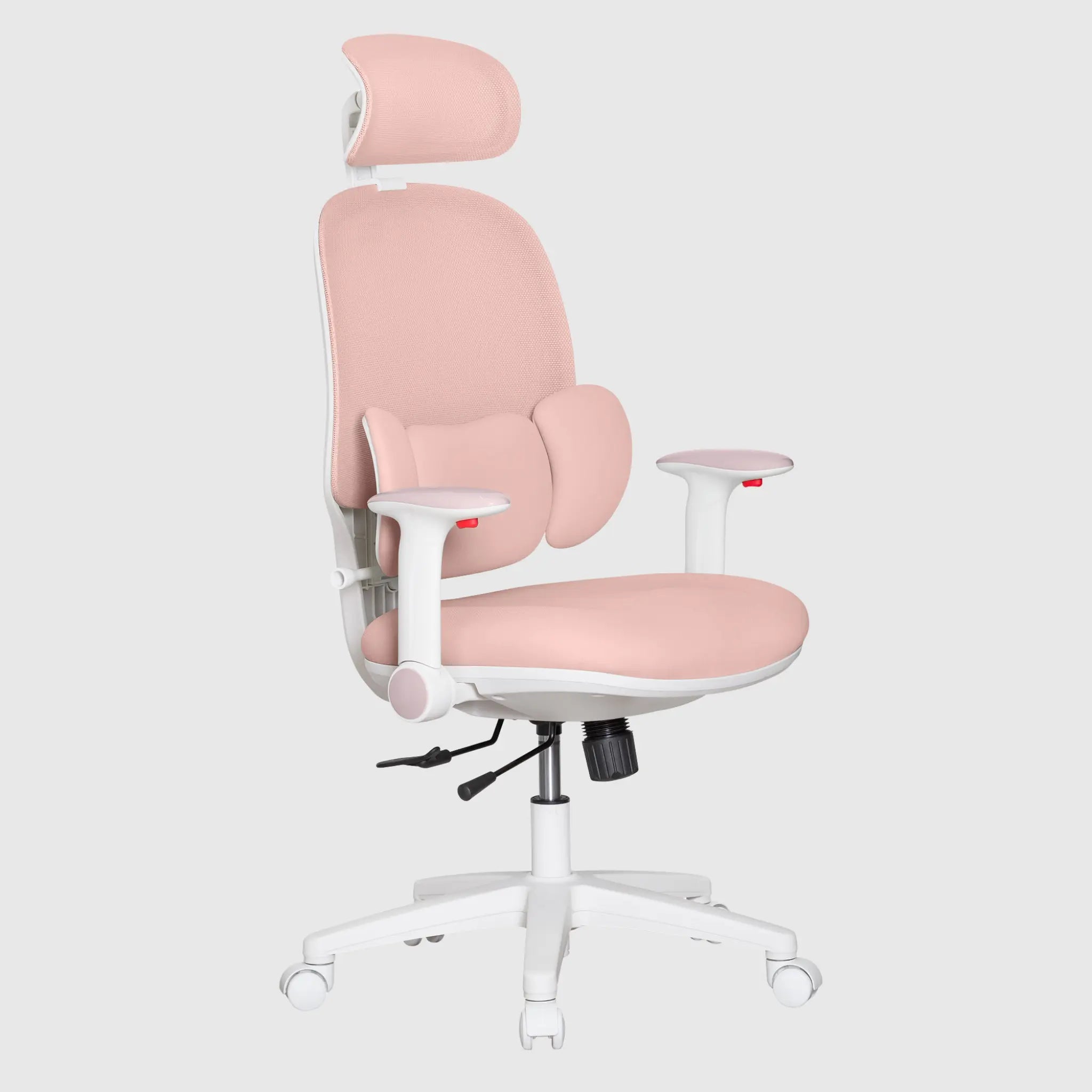
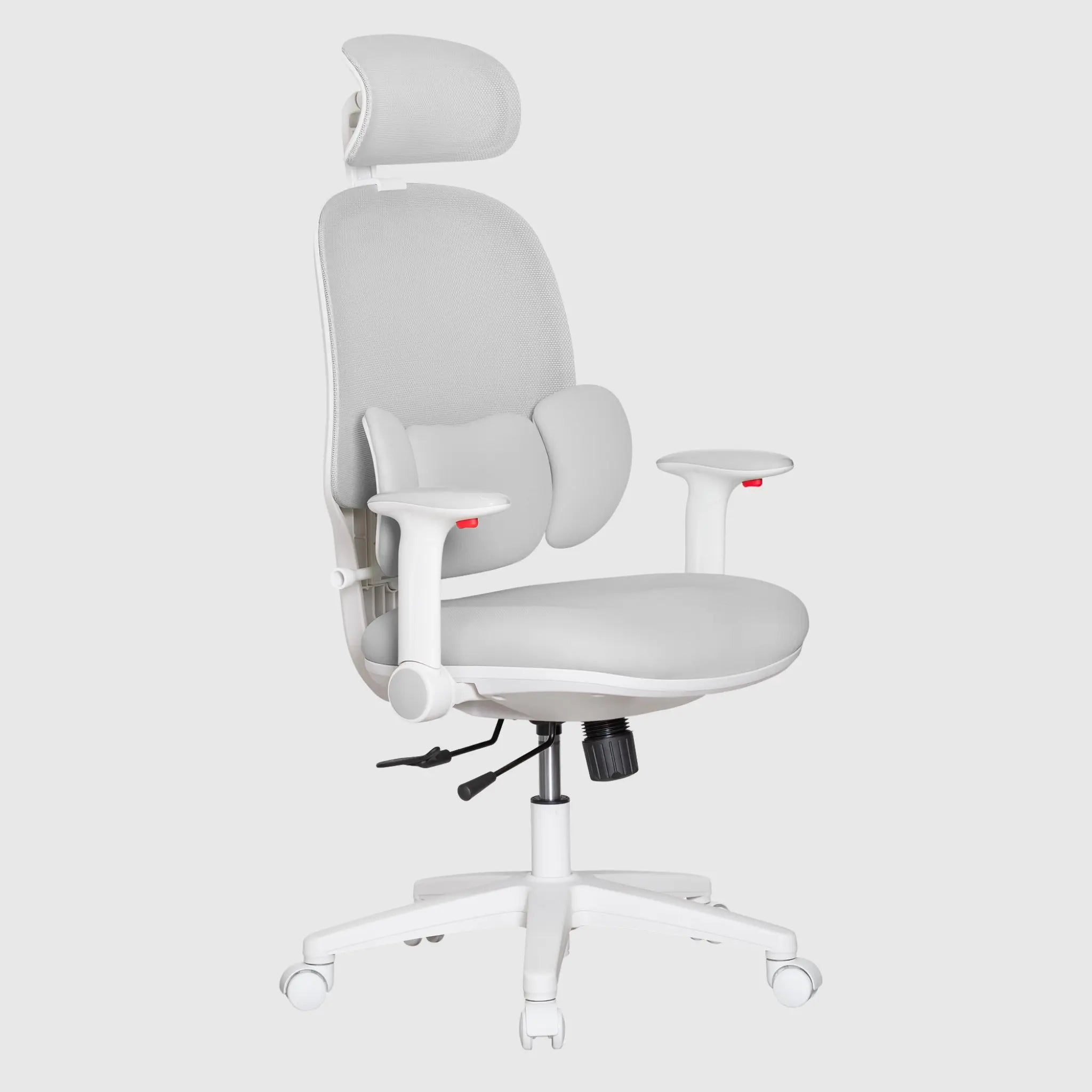
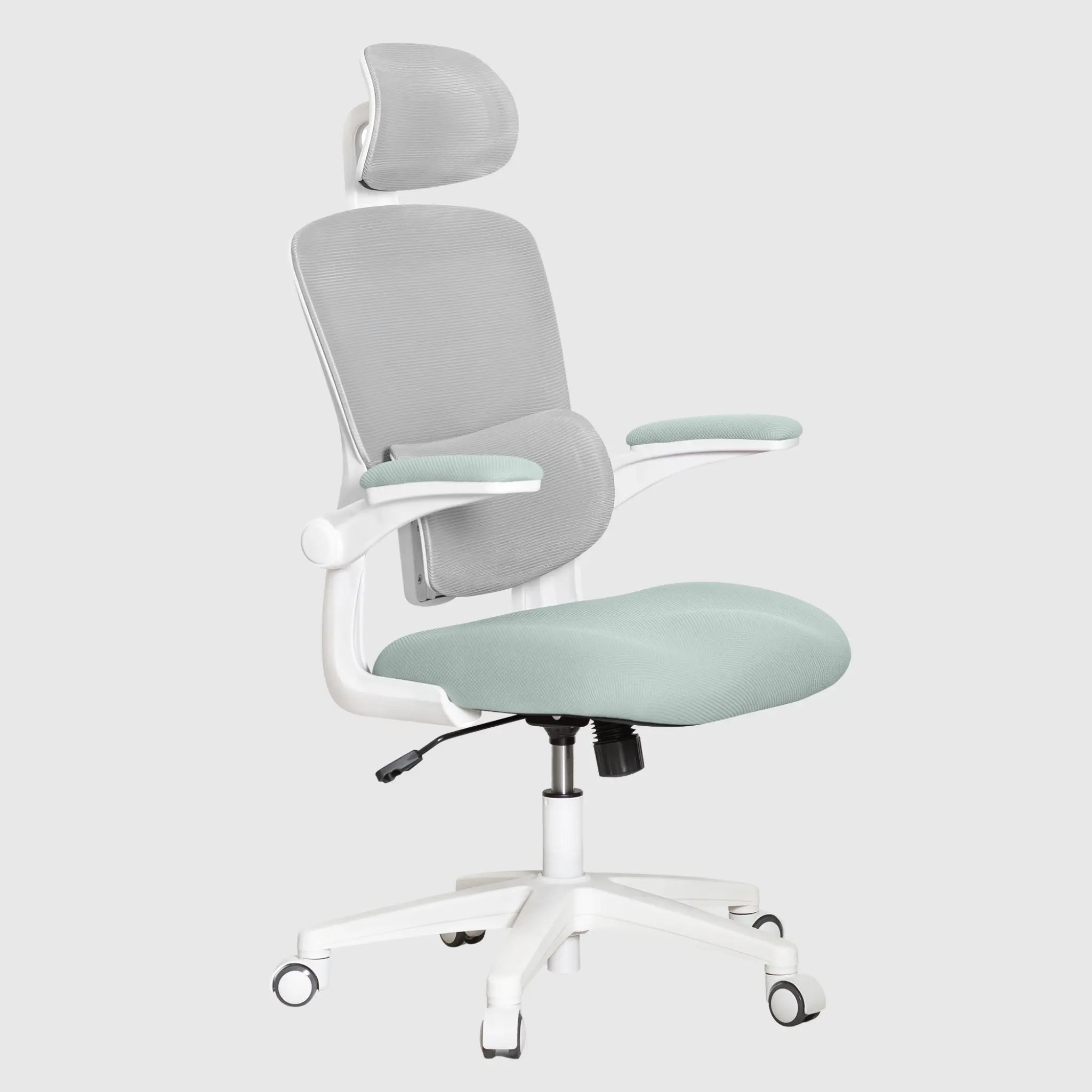
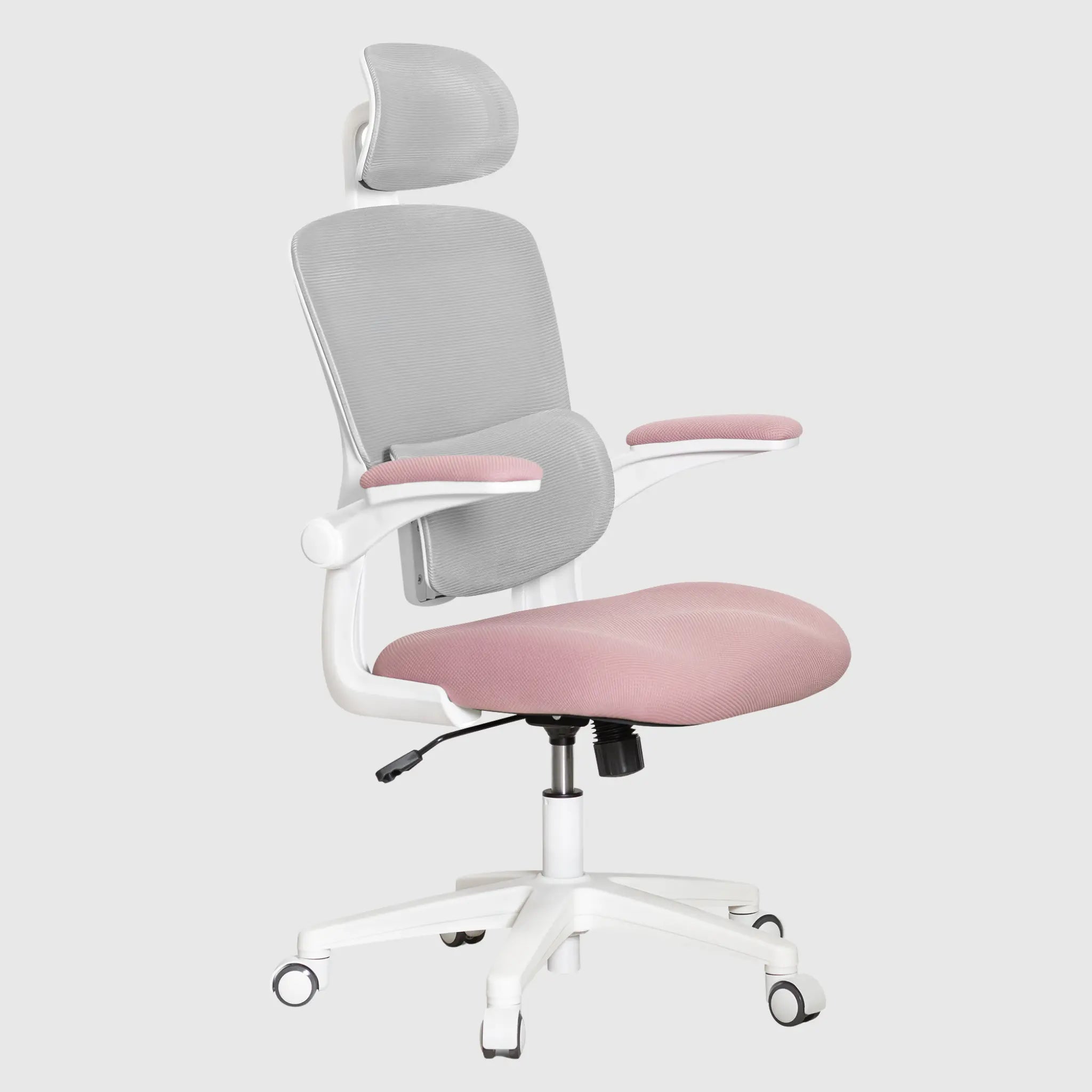
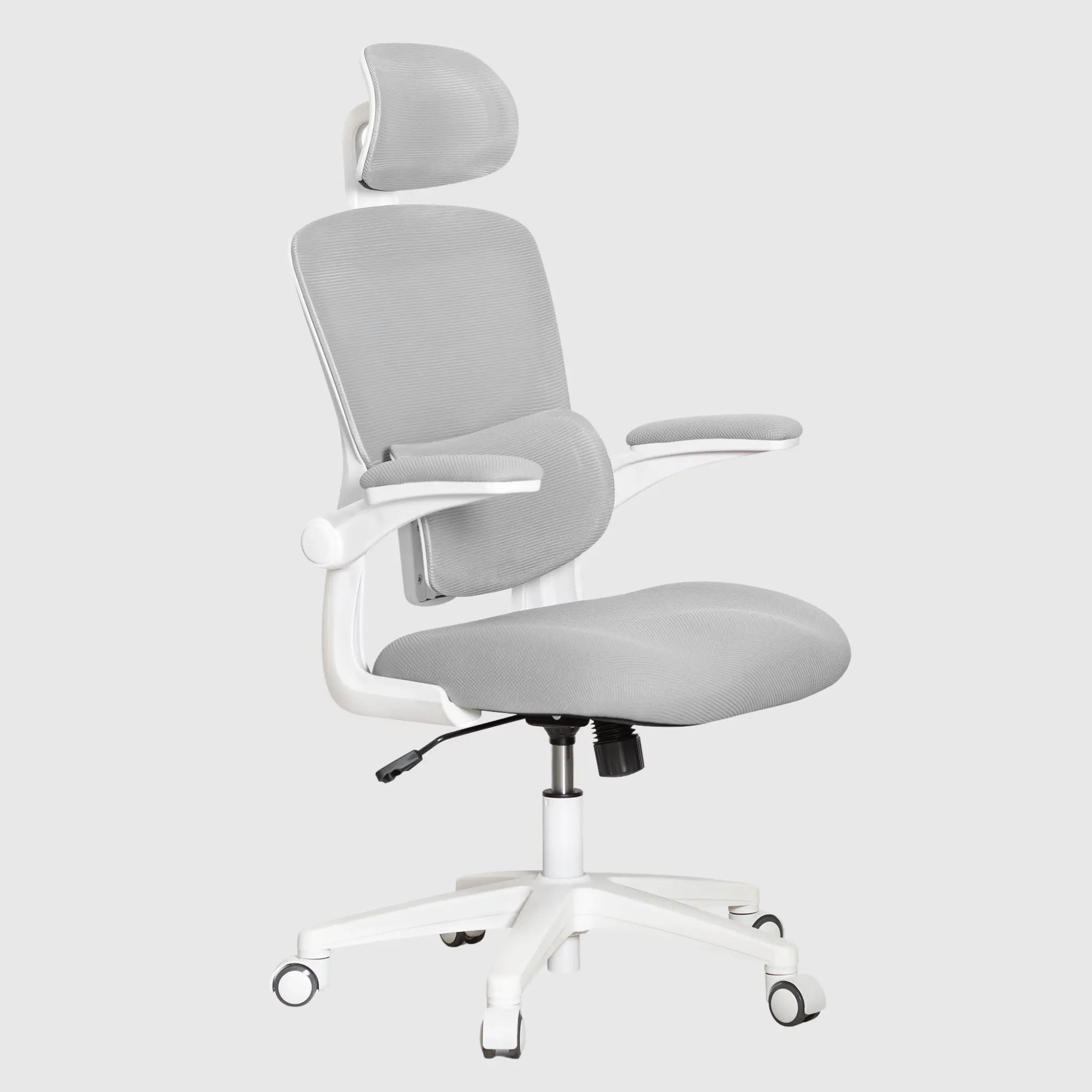
Orthopedic teenage chair Junior T1 with lumbar support
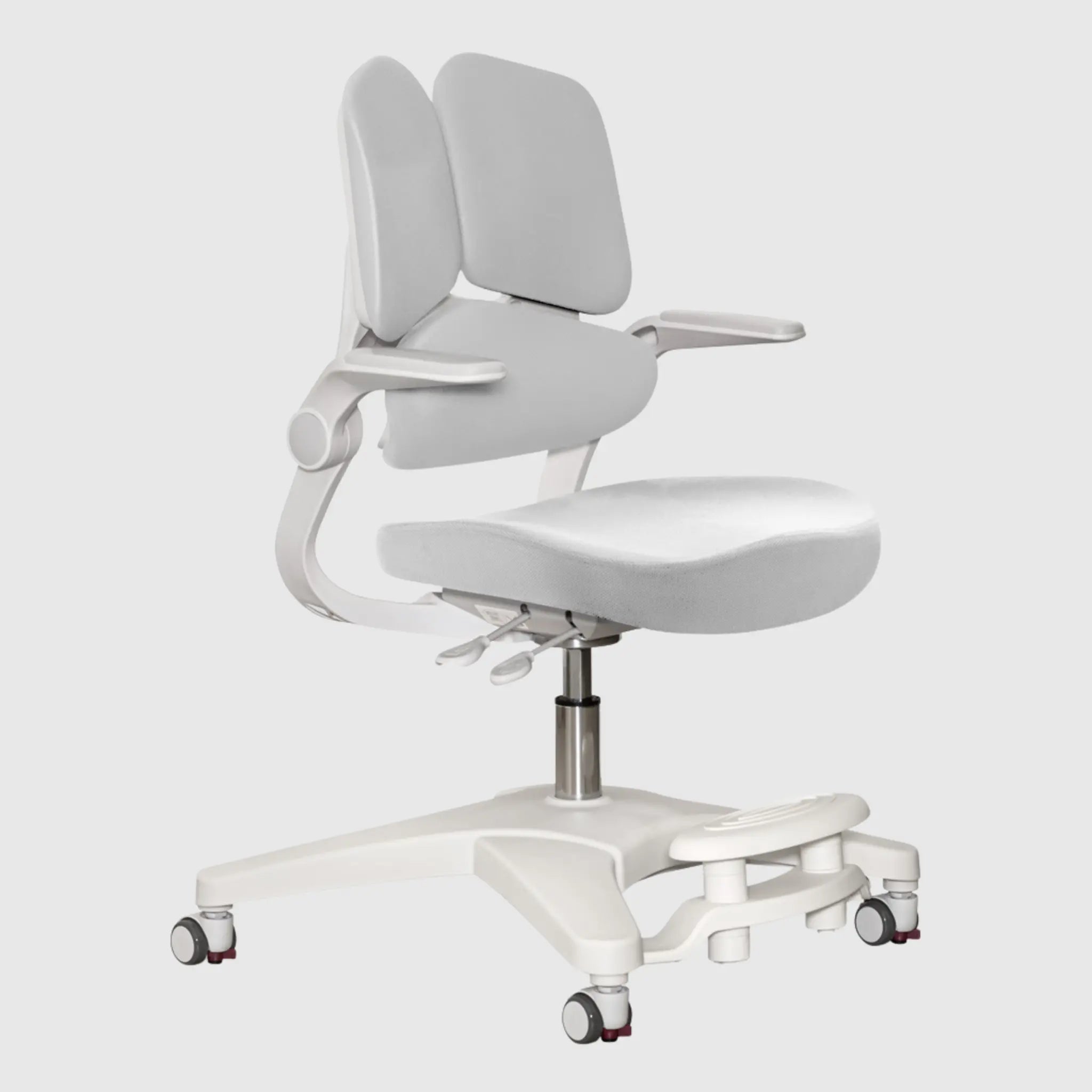
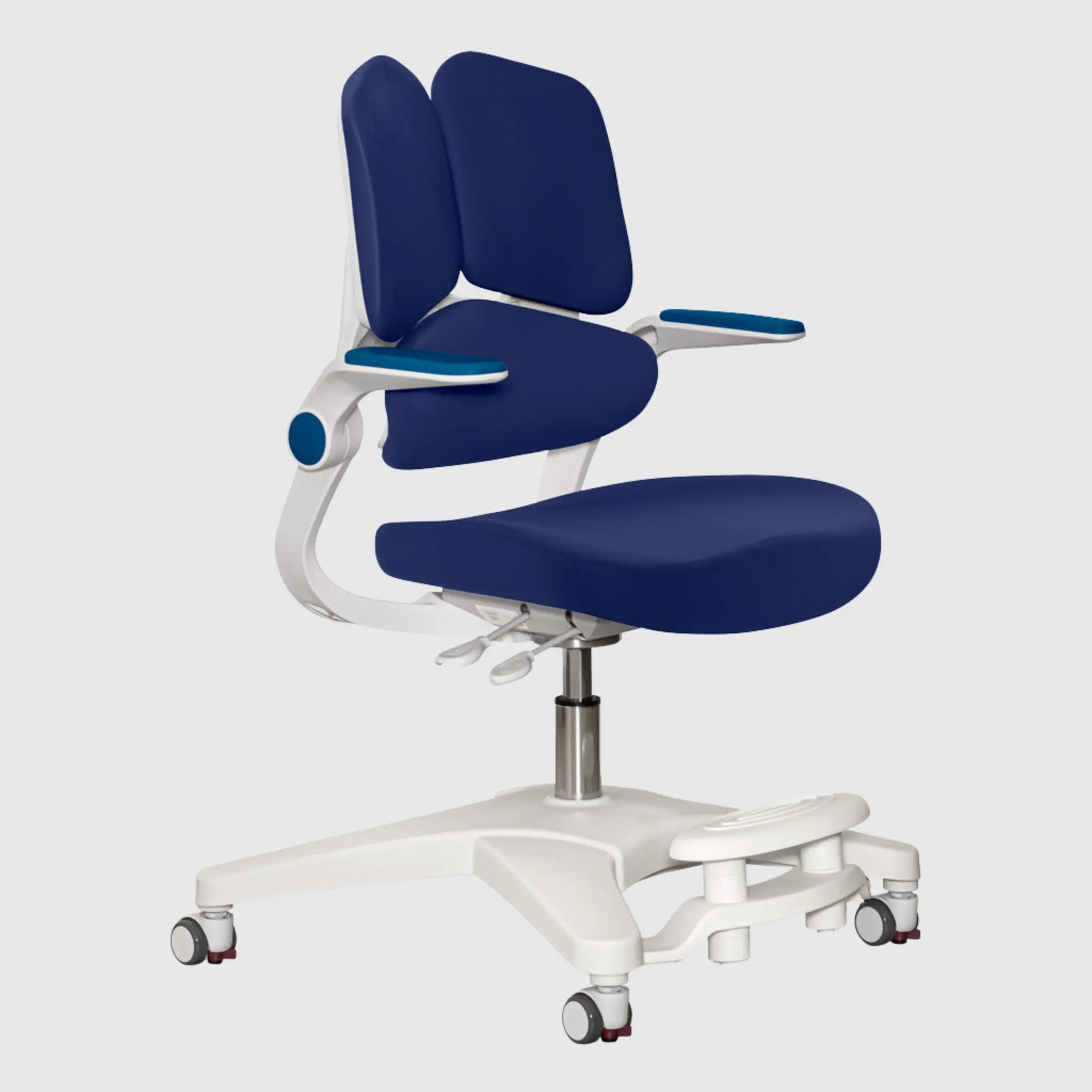
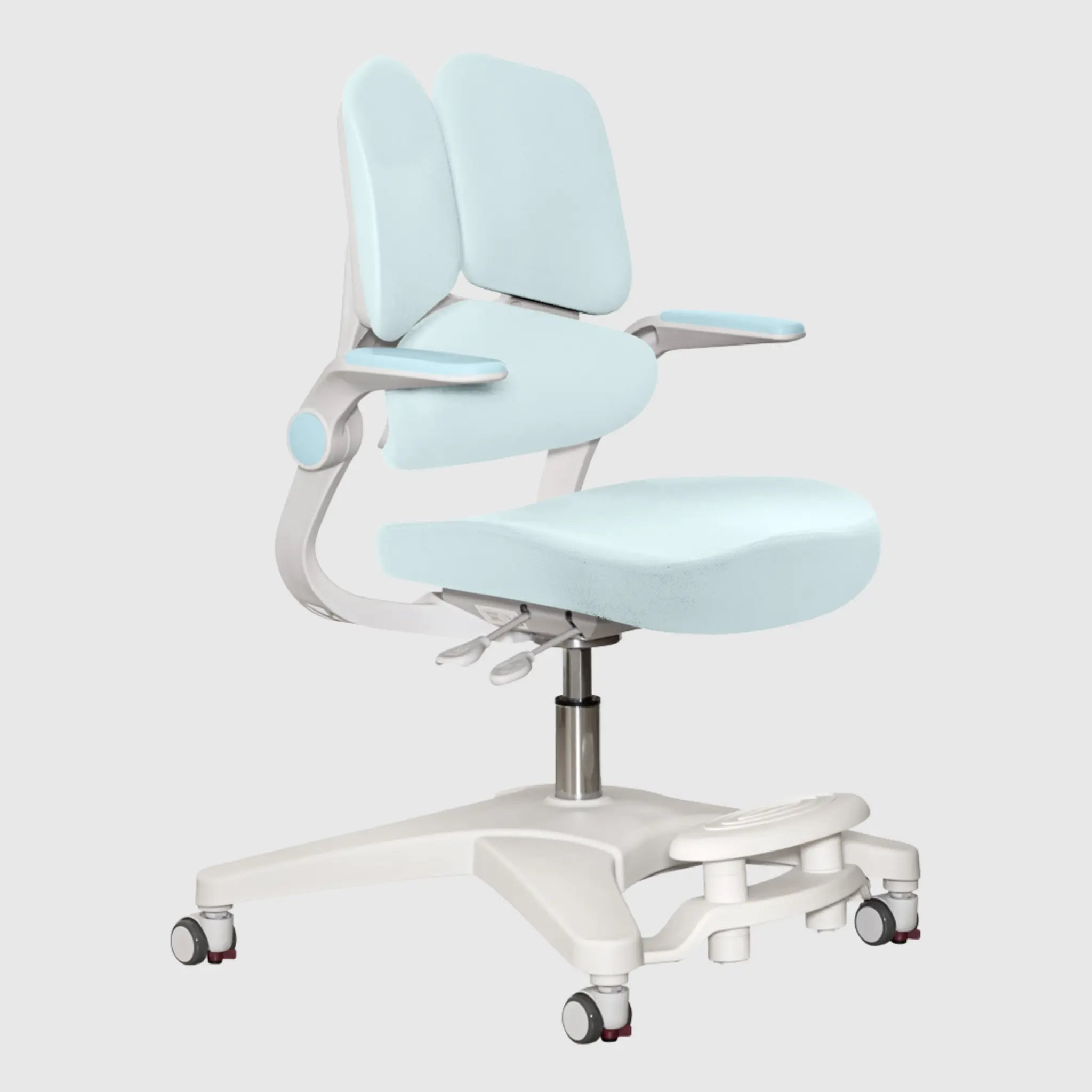
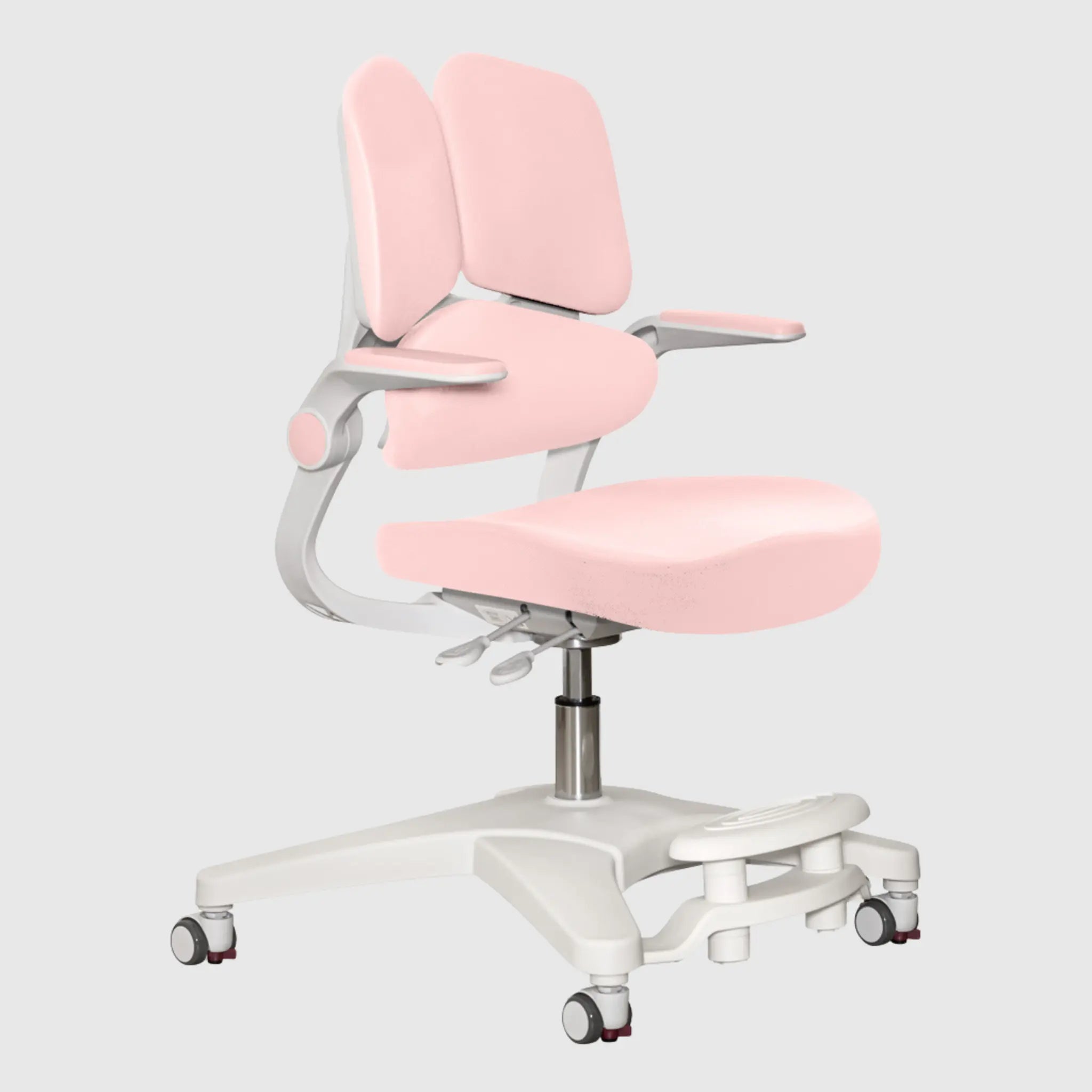
Trident high chair with back support – grows with your child
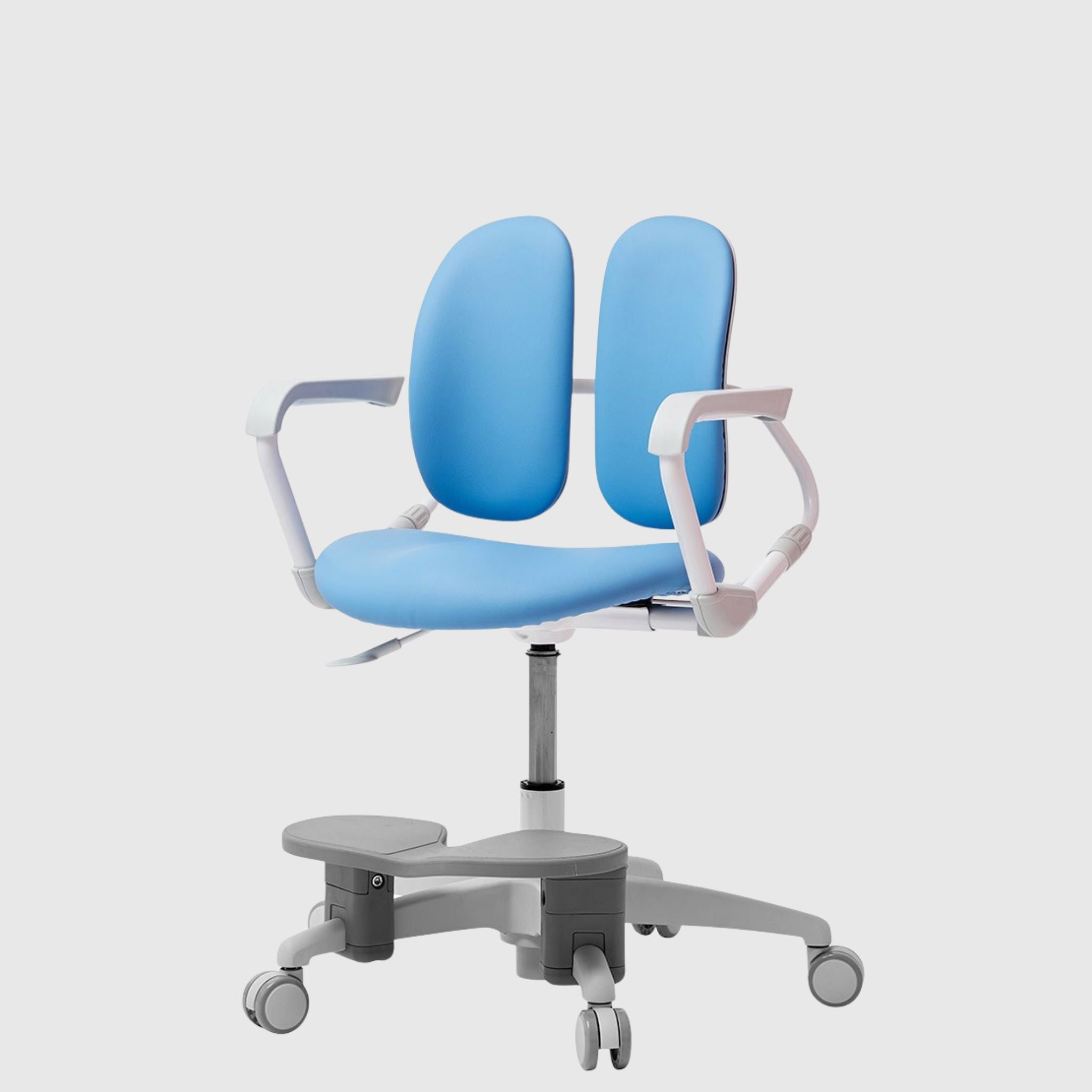
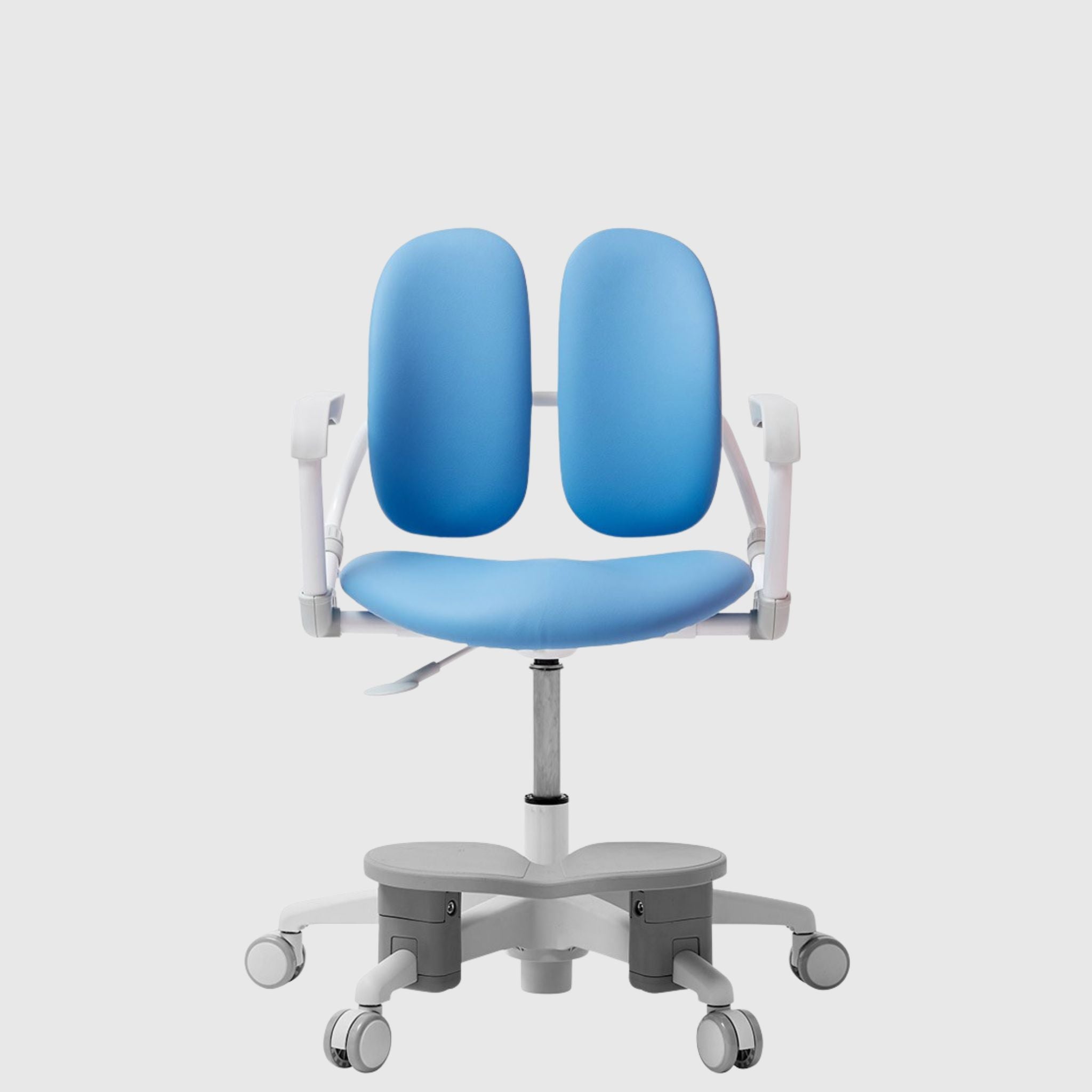
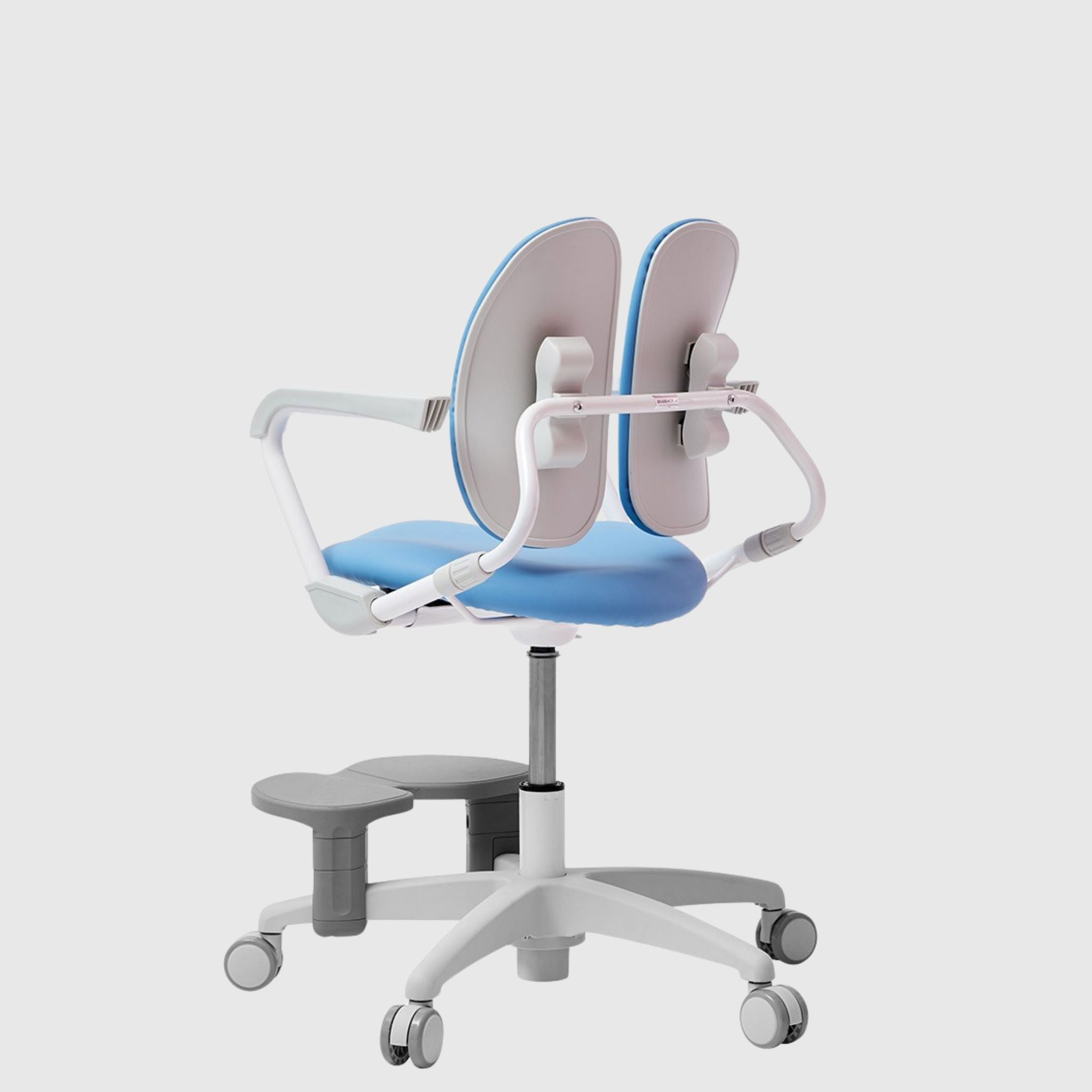
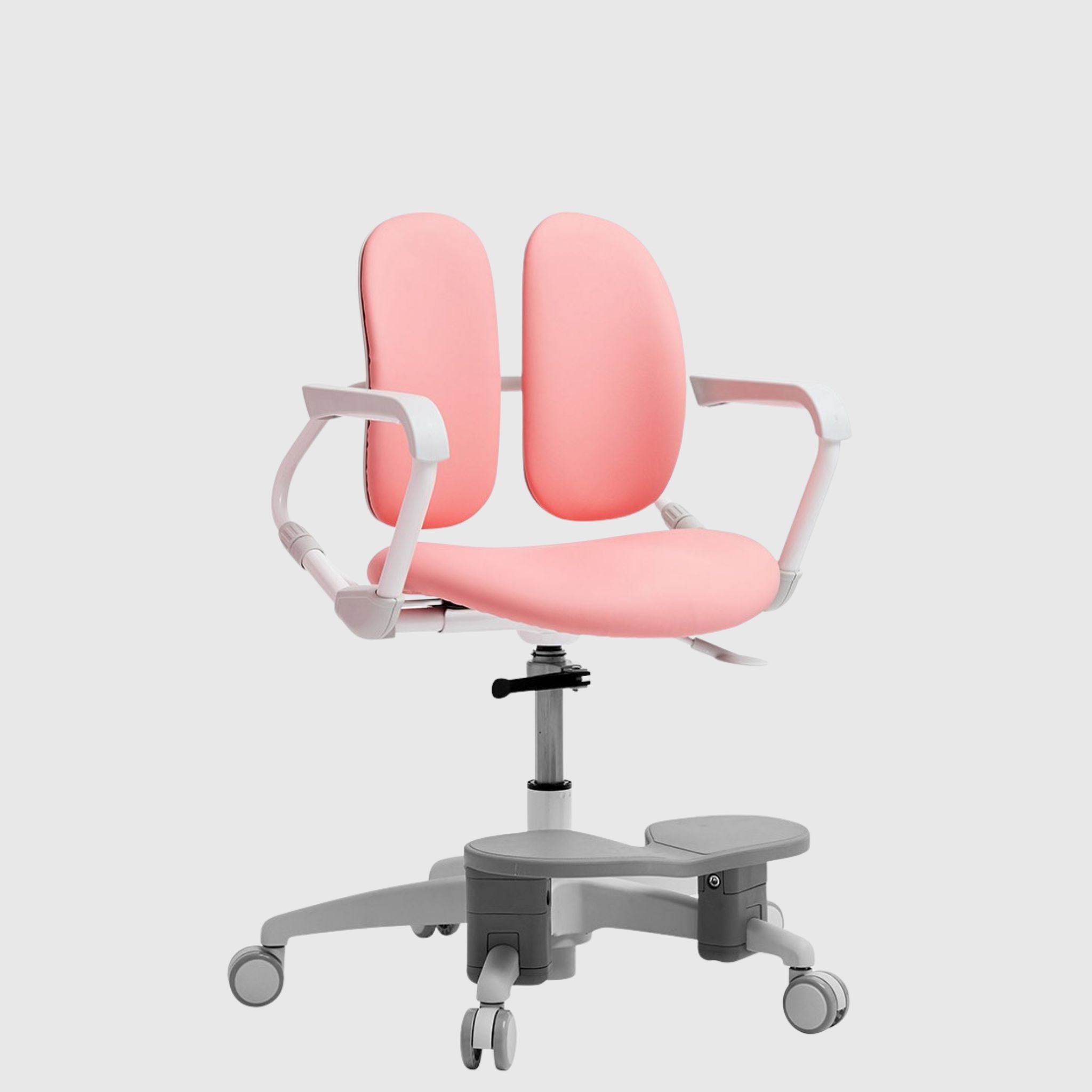
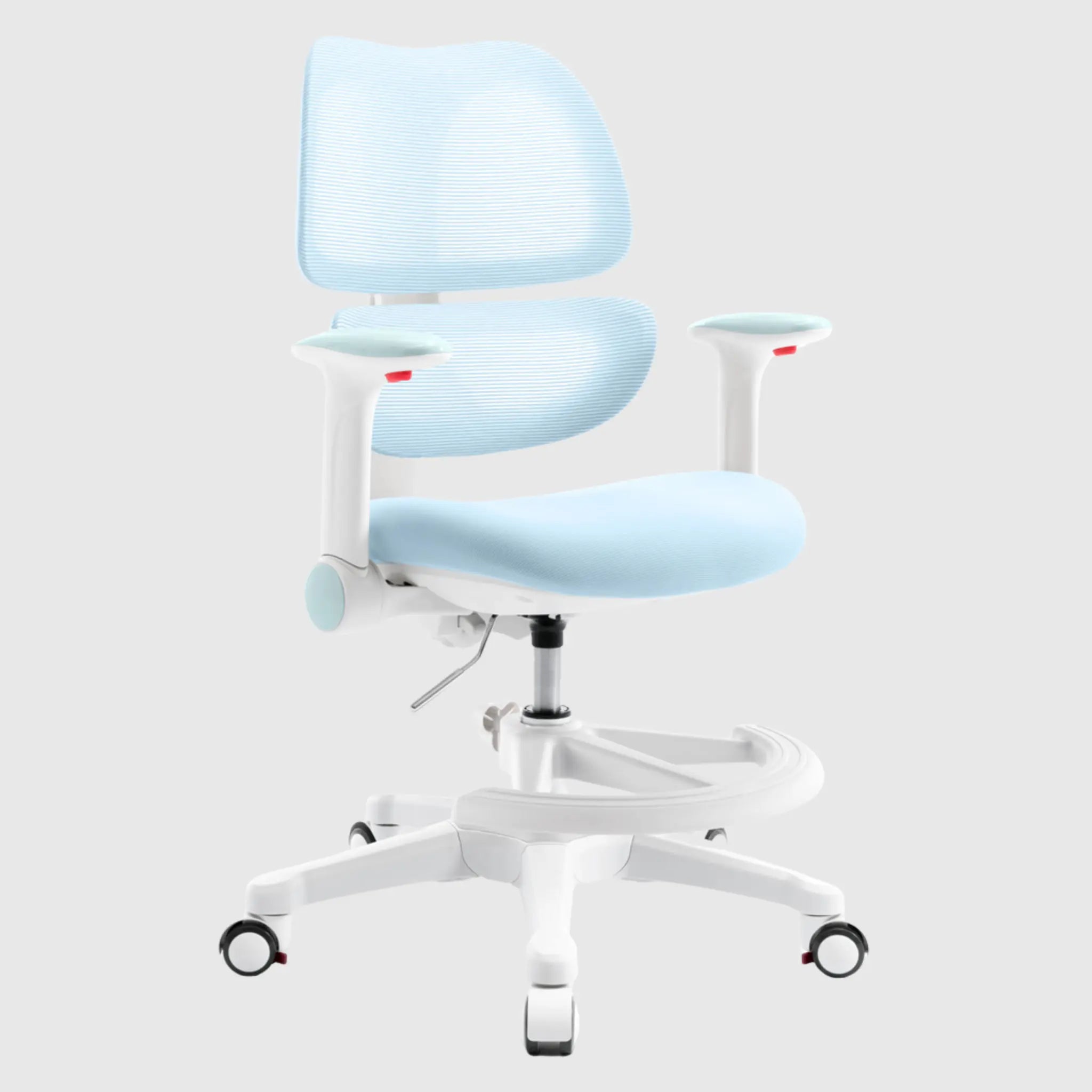
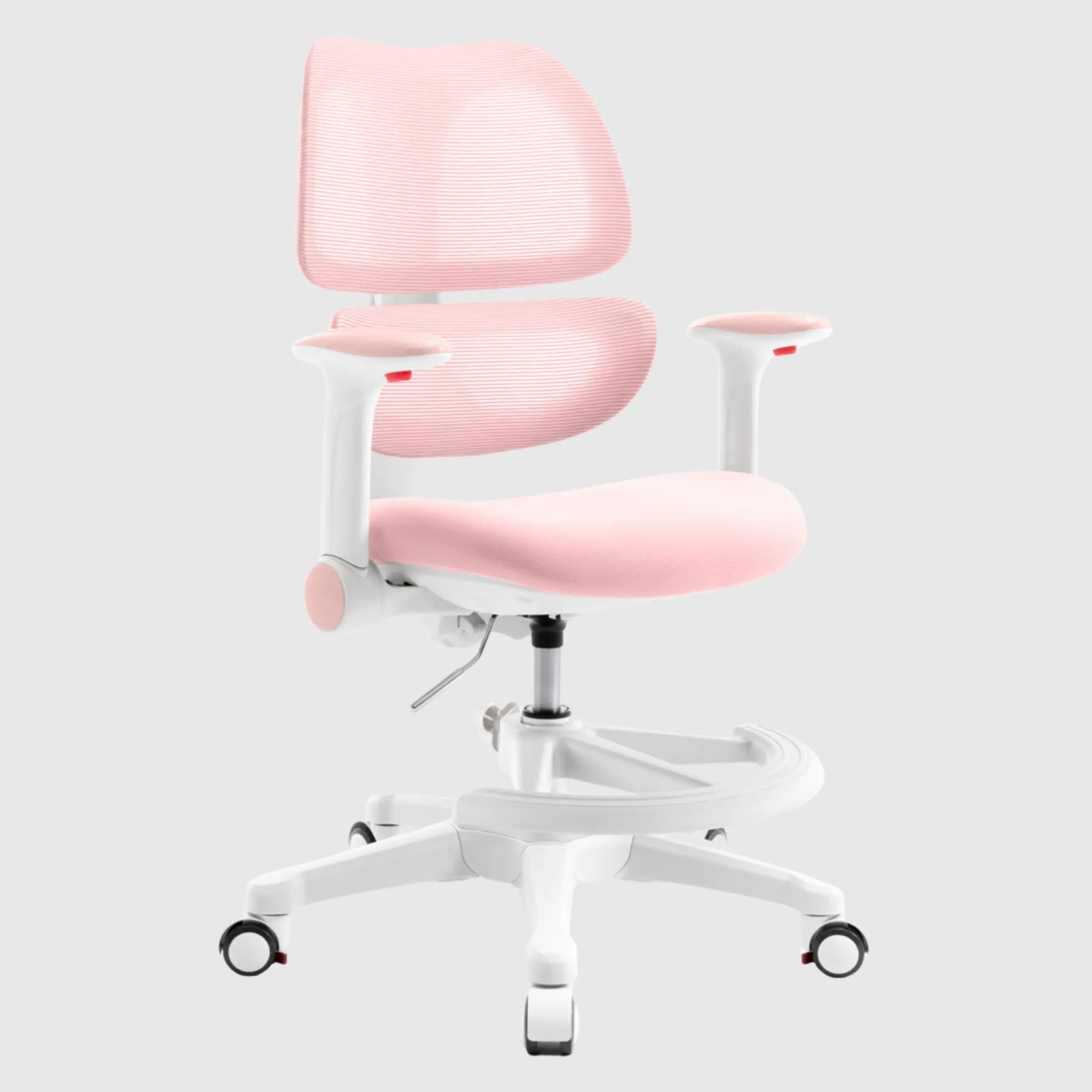
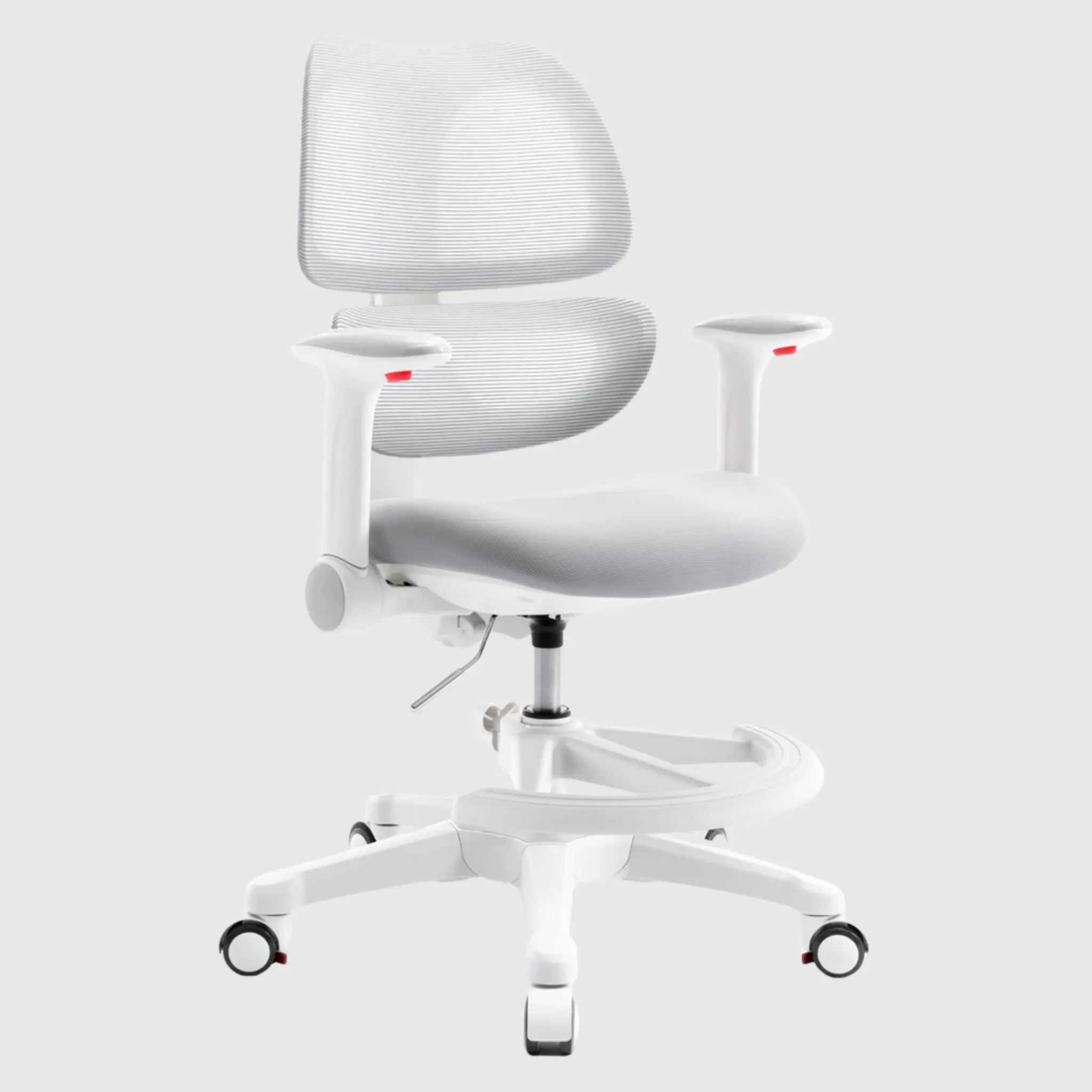
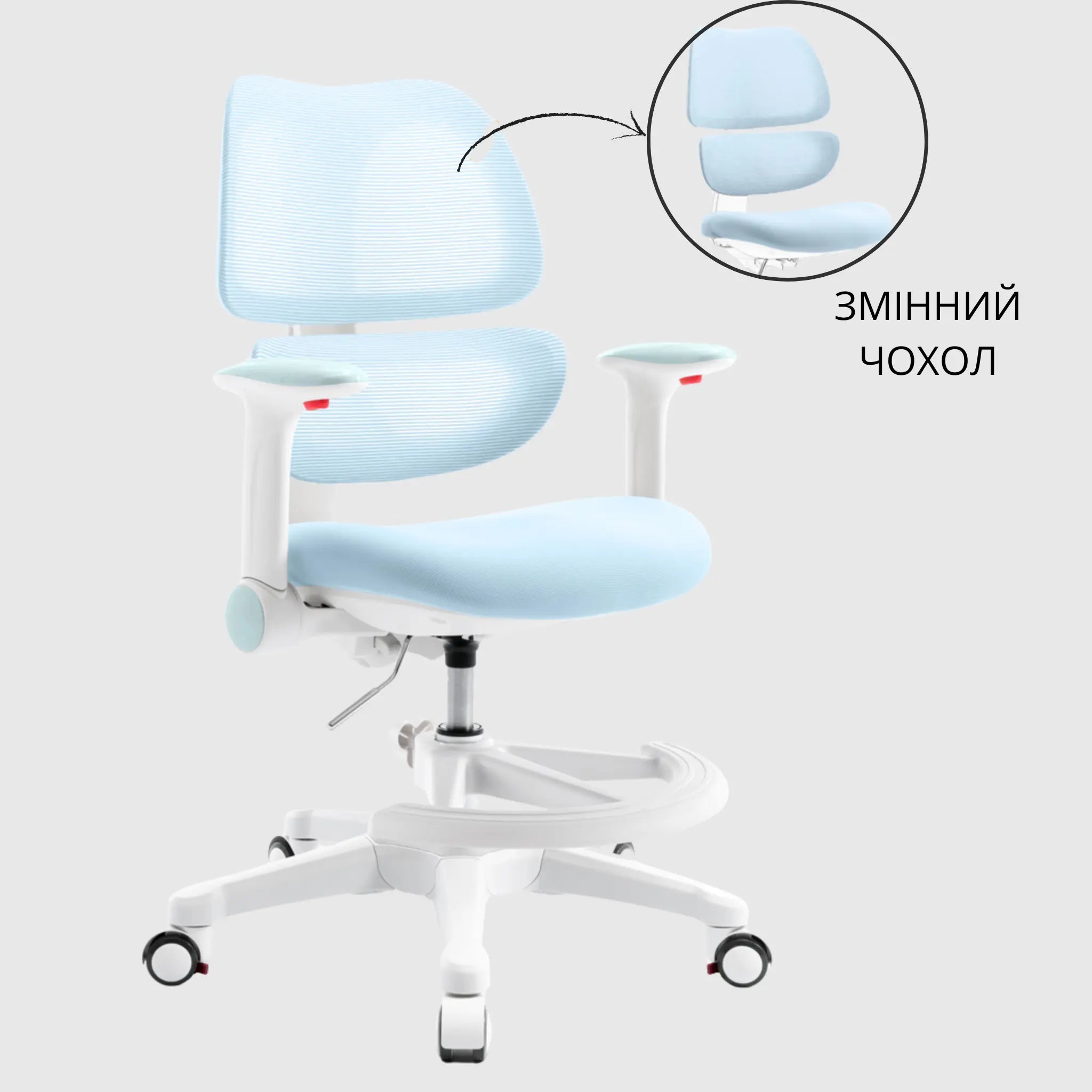
Dream Air child seat for schoolchildren and teenagers
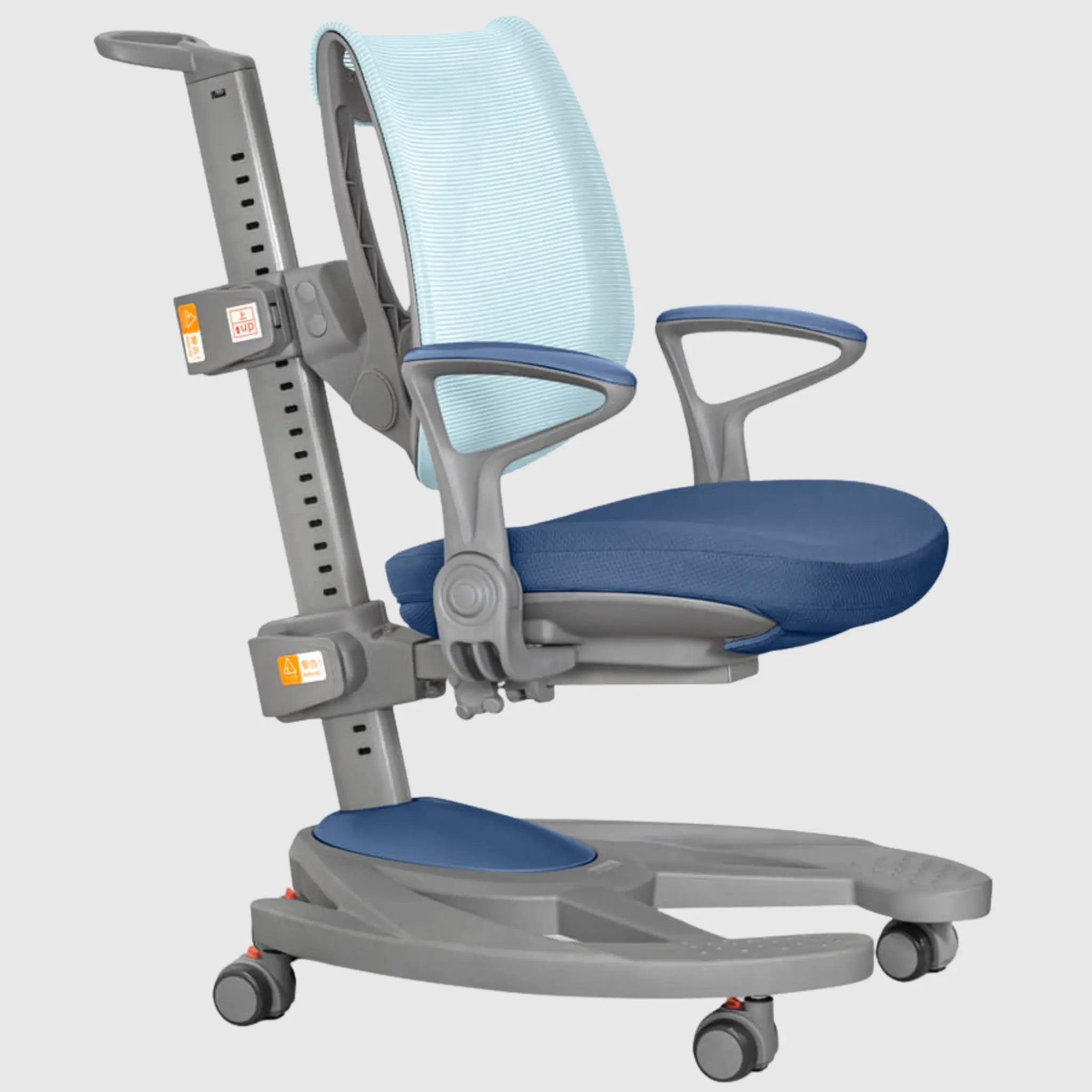
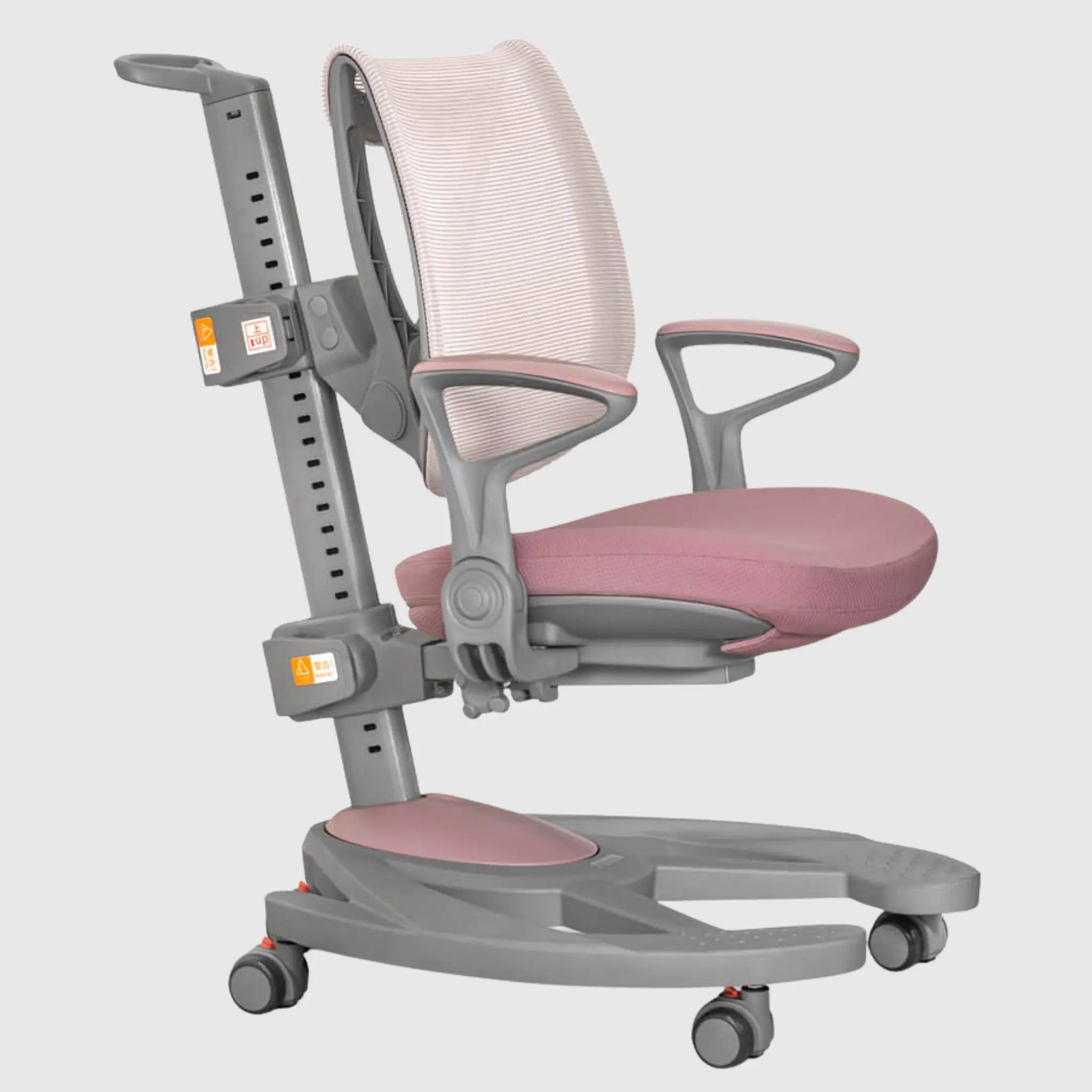
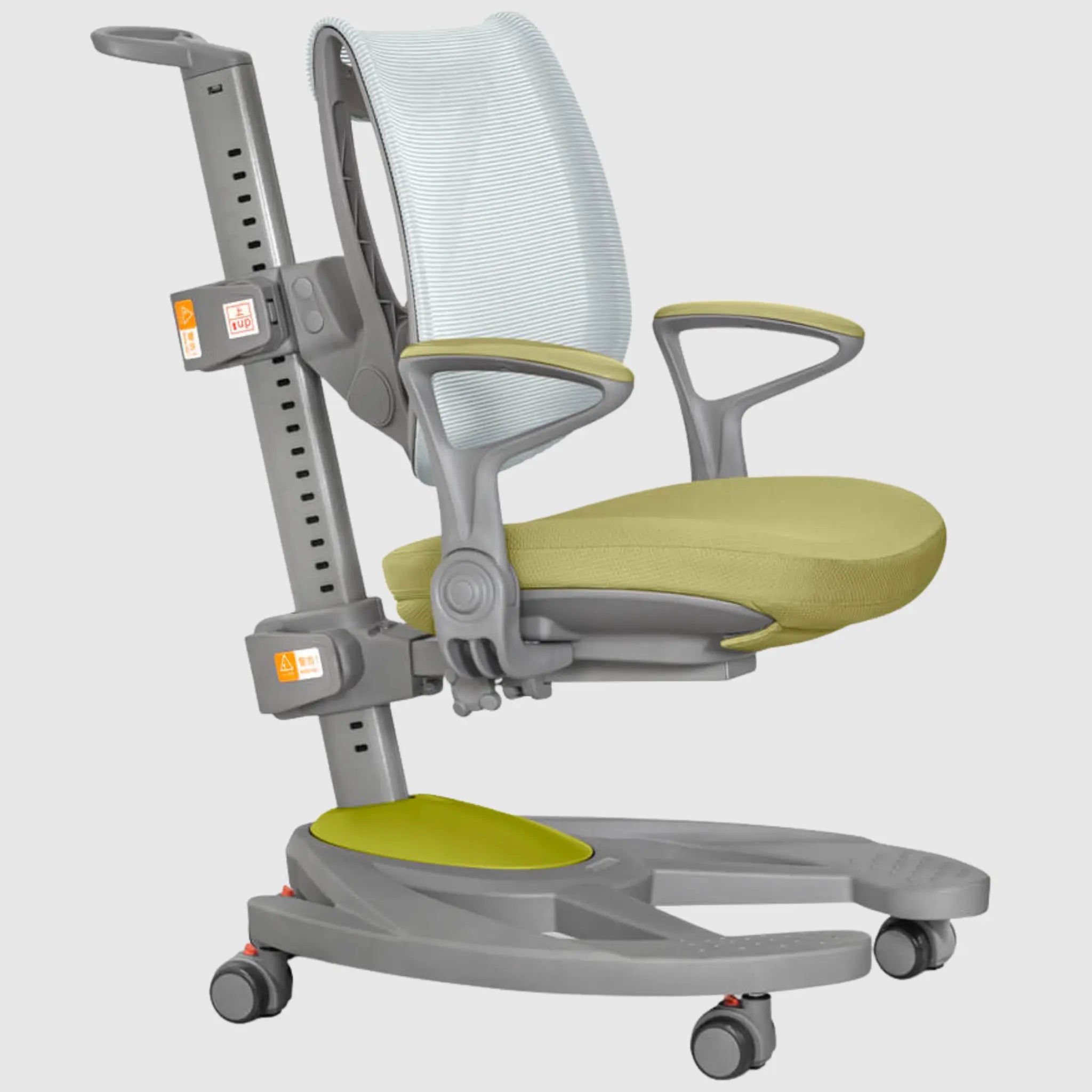
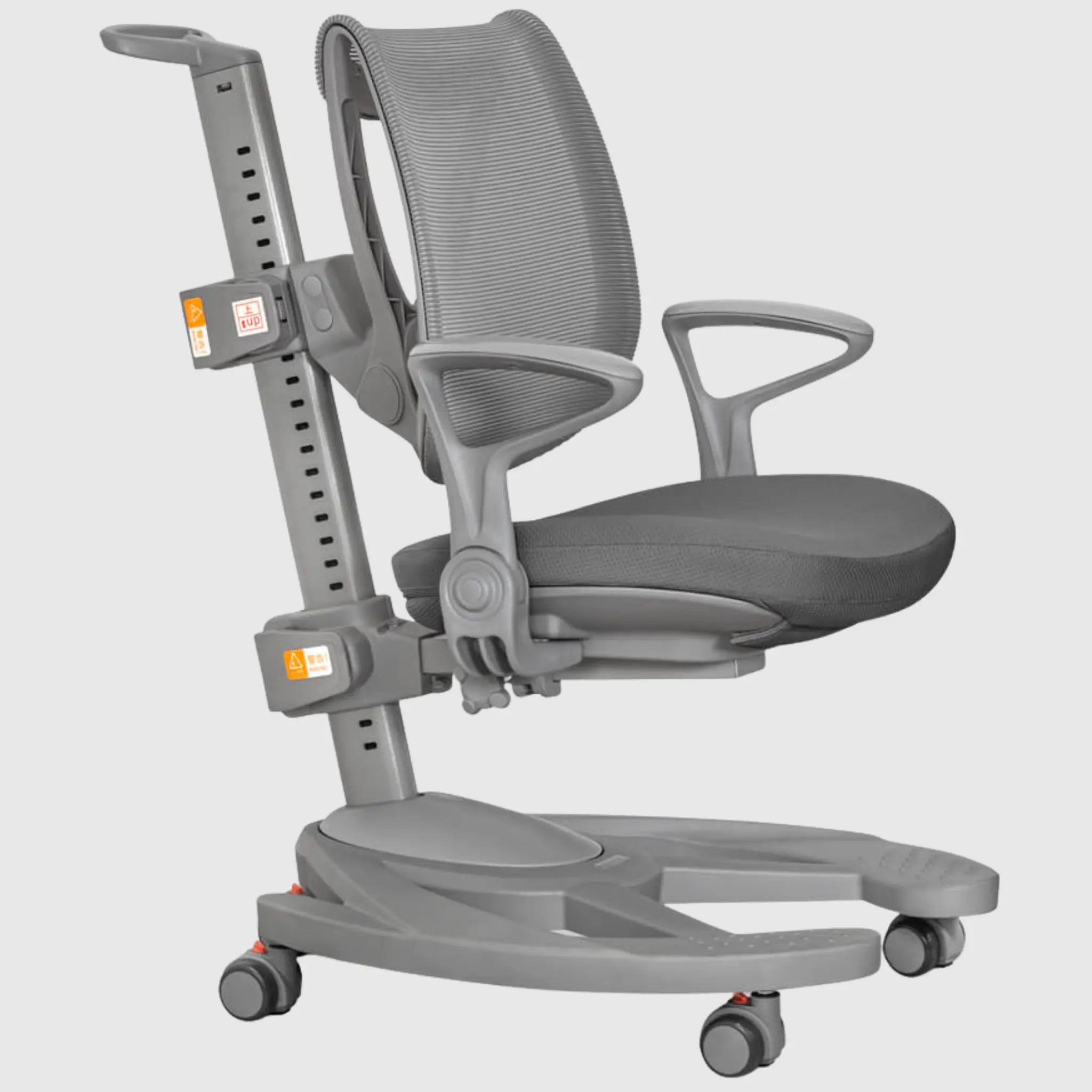
Orthopedic chair for a schoolchild: an investment in a child's healthy posture
A sedentary lifestyle among children has become the norm today: according to WHO (WHO, 2023), more than 80% of schoolchildren aged 6–17 spend more than 6 hours a day at a desk or using gadgets. This mode, without proper back support, leads to impaired posture at a young age.
That is why an orthopedic chair for a schoolchild is not just an interior element, but a necessity for the formation of a healthy spine. A study in the Journal of Physical Therapy Science (2019) proved that using an ergonomic chair with adjustable backrest and seat depth reduces stress in the lumbar region by 35% compared to a regular chair.
How does an orthopedic chair for children with scoliosis work?
The main function of such models is anatomical support for the back. The backrest repeats the natural S-shaped shape of the spine, and the height adjustment allows you to adjust the chair to the height of the child. This is important because, according to the American Chiropractic Association (ACA, 2022), more than 30% of school-age children have initial signs of scoliosis, which often go unnoticed.
An orthopedic chair helps:
-maintain the correct angle between the hips and torso (90–100°);
-reduce pressure on the intervertebral discs;
-prevent shoulder curvature and asymmetry.
What to look for when choosing a chair for a schoolchild
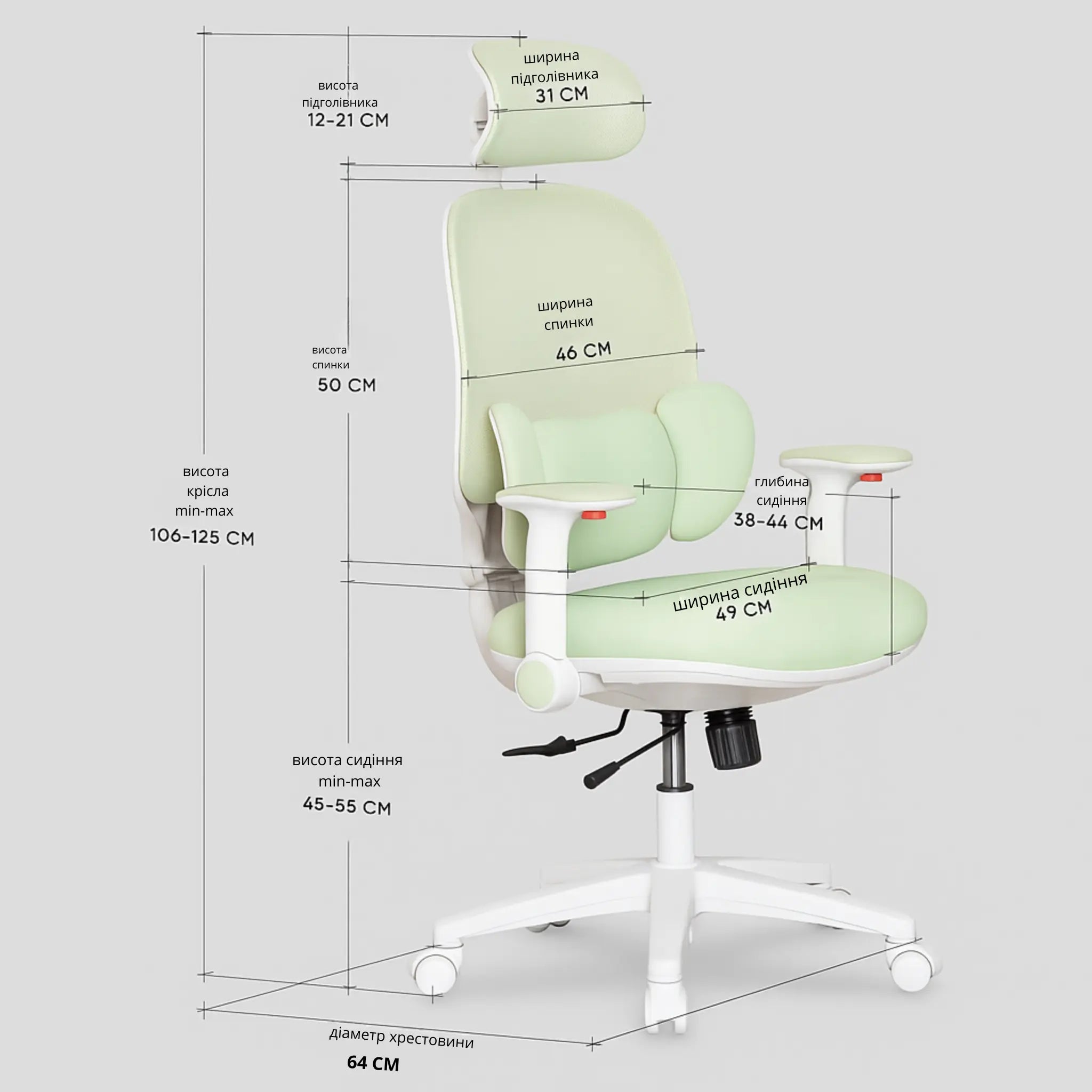
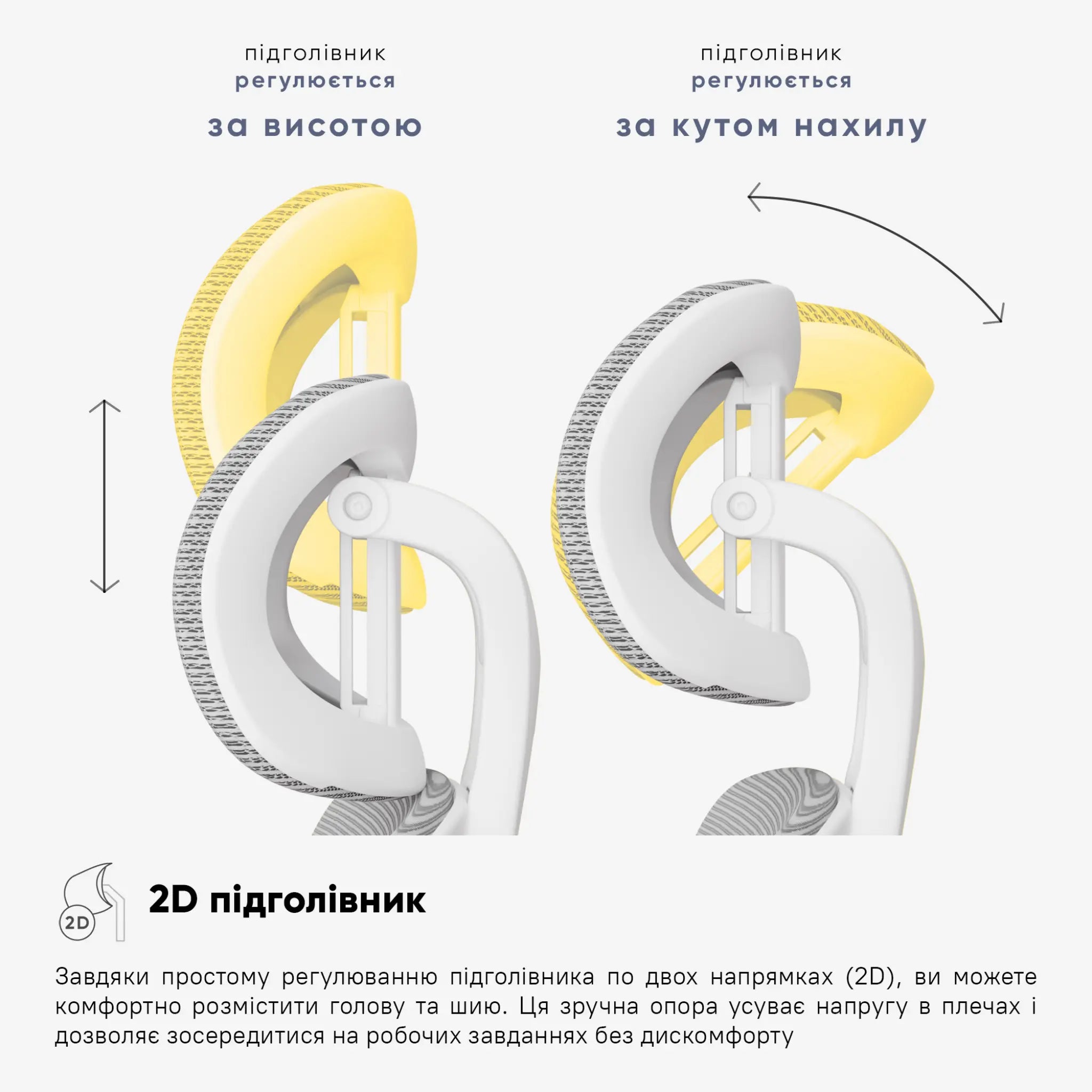
-Adjustable backrest, seat and height. The child grows, and the chair should “grow” with him.
-Lumbar support. This is the area that suffers first when sitting.
-Height adjustment according to the child's height.
The chair should have a smooth seat height adjustment so that the child's feet are fully on the floor and the knees form an angle of approximately 90°. This ensures proper load distribution on the spine and promotes healthy posture.