

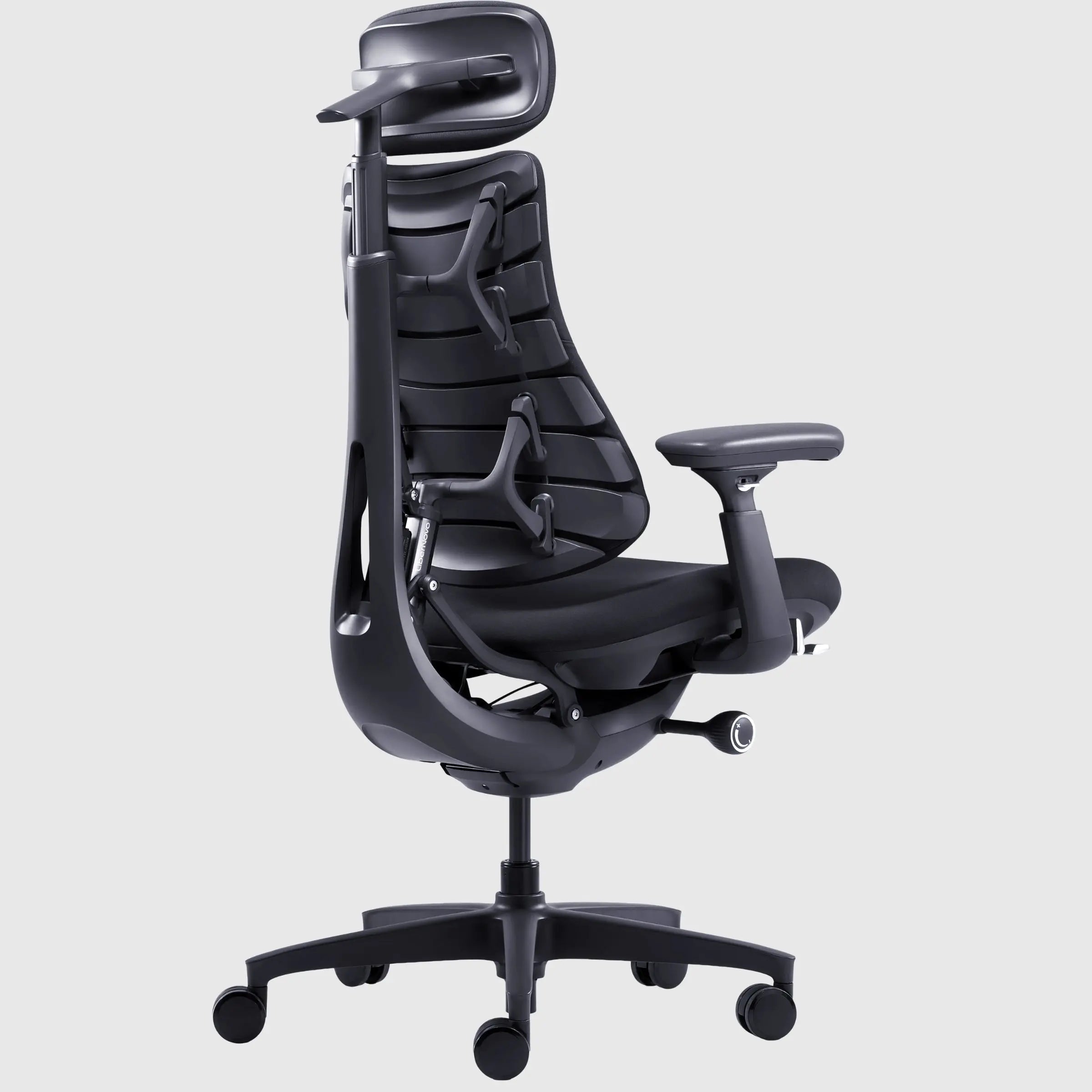
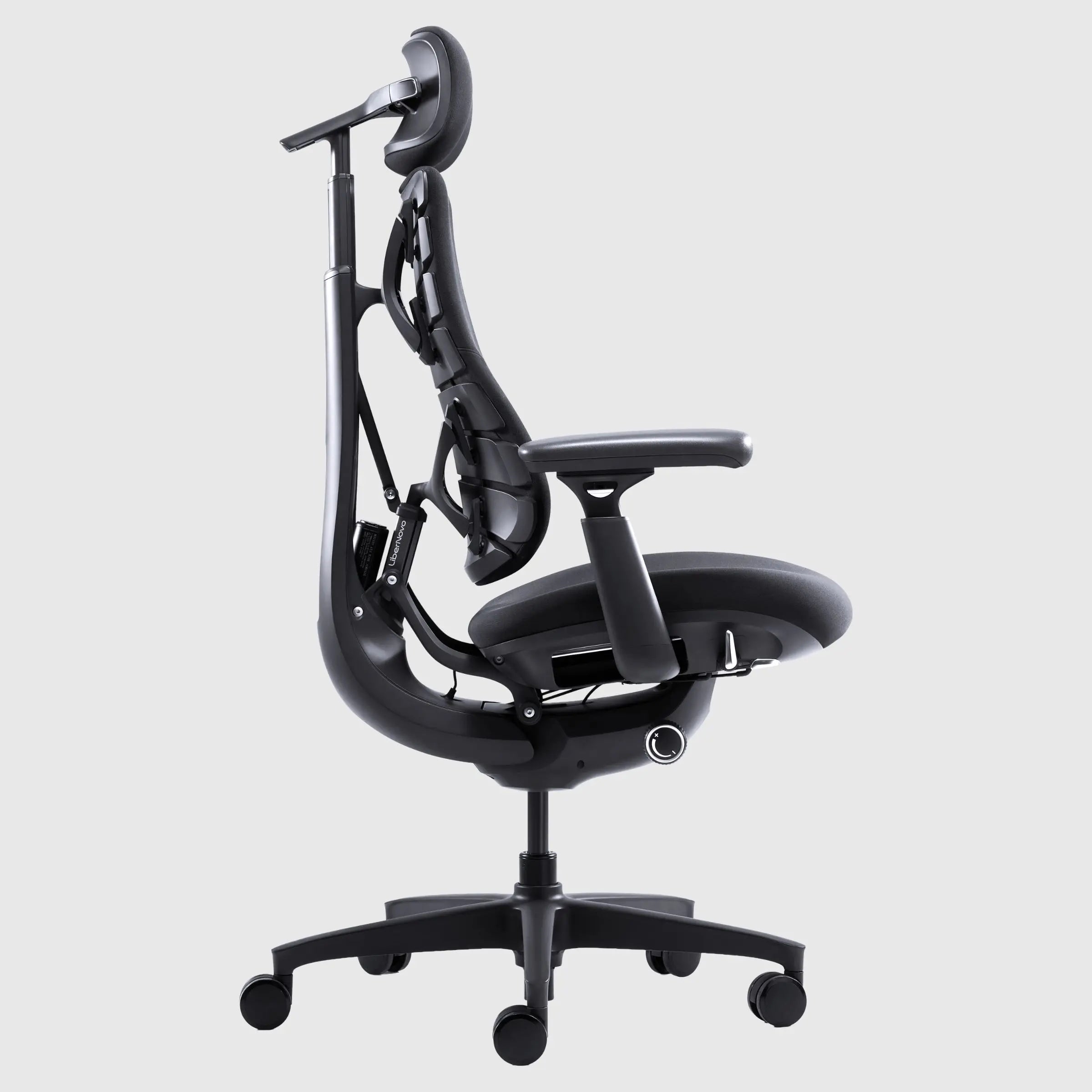
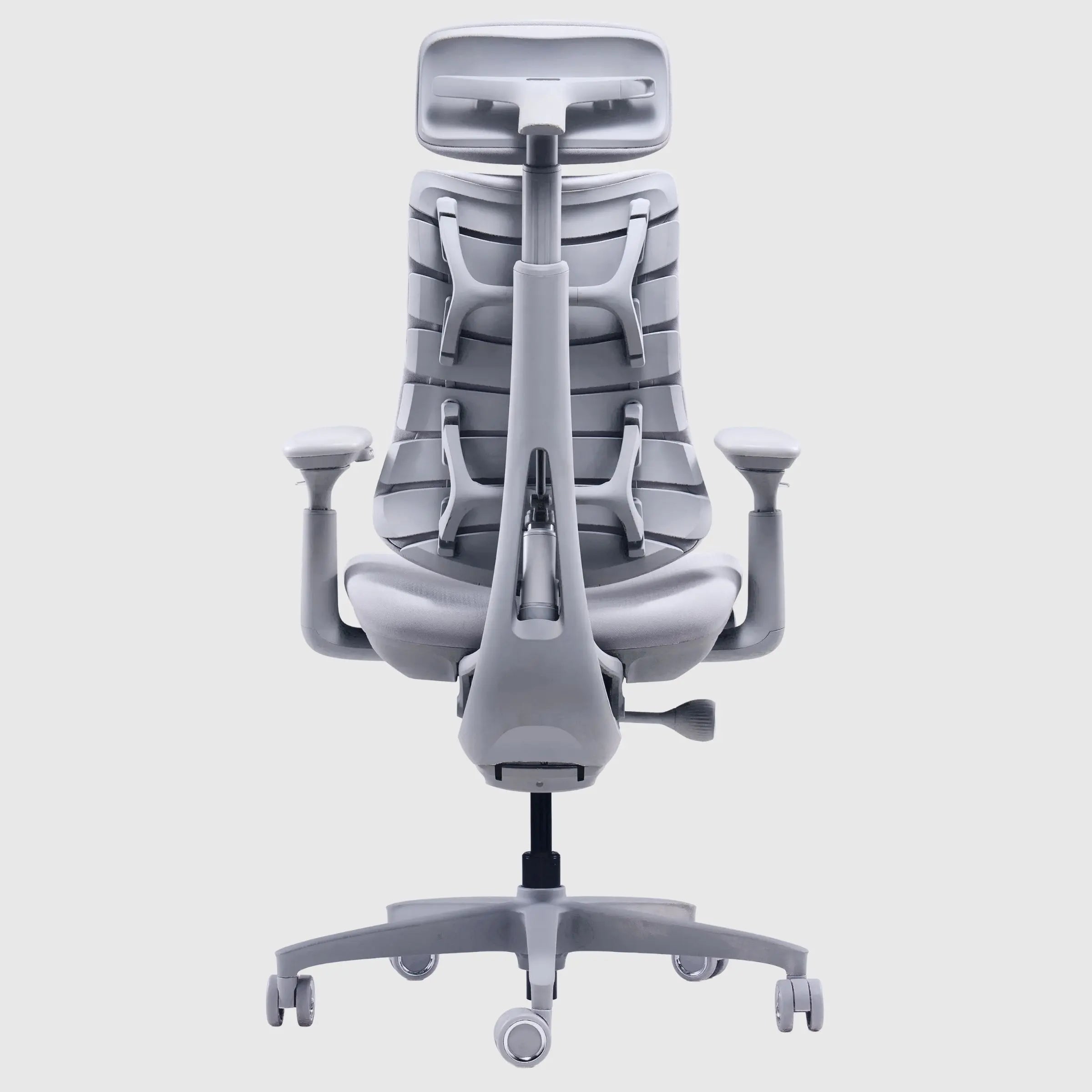
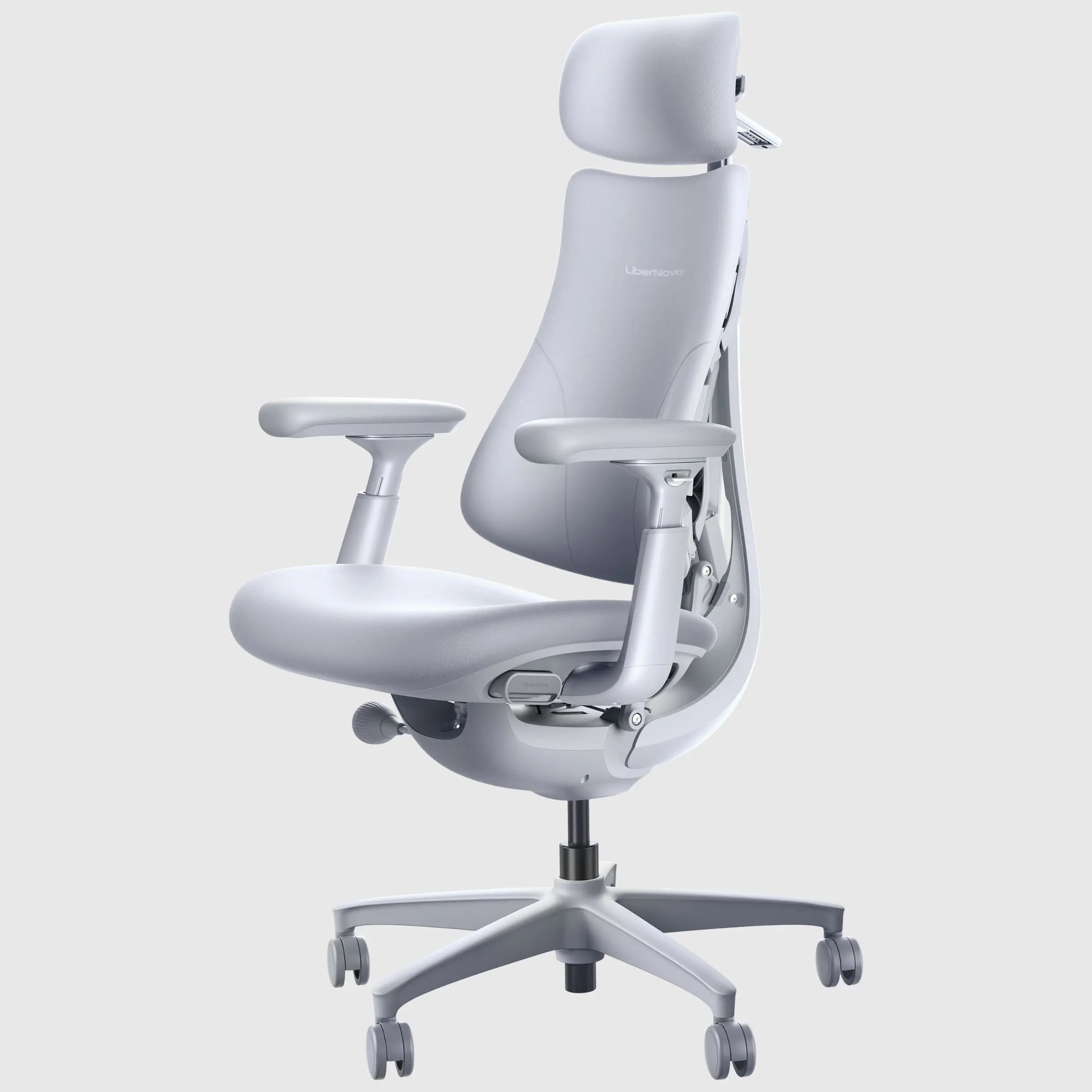
Ergonomic Chair LiberNovo Omni with Electric Lumbar Support
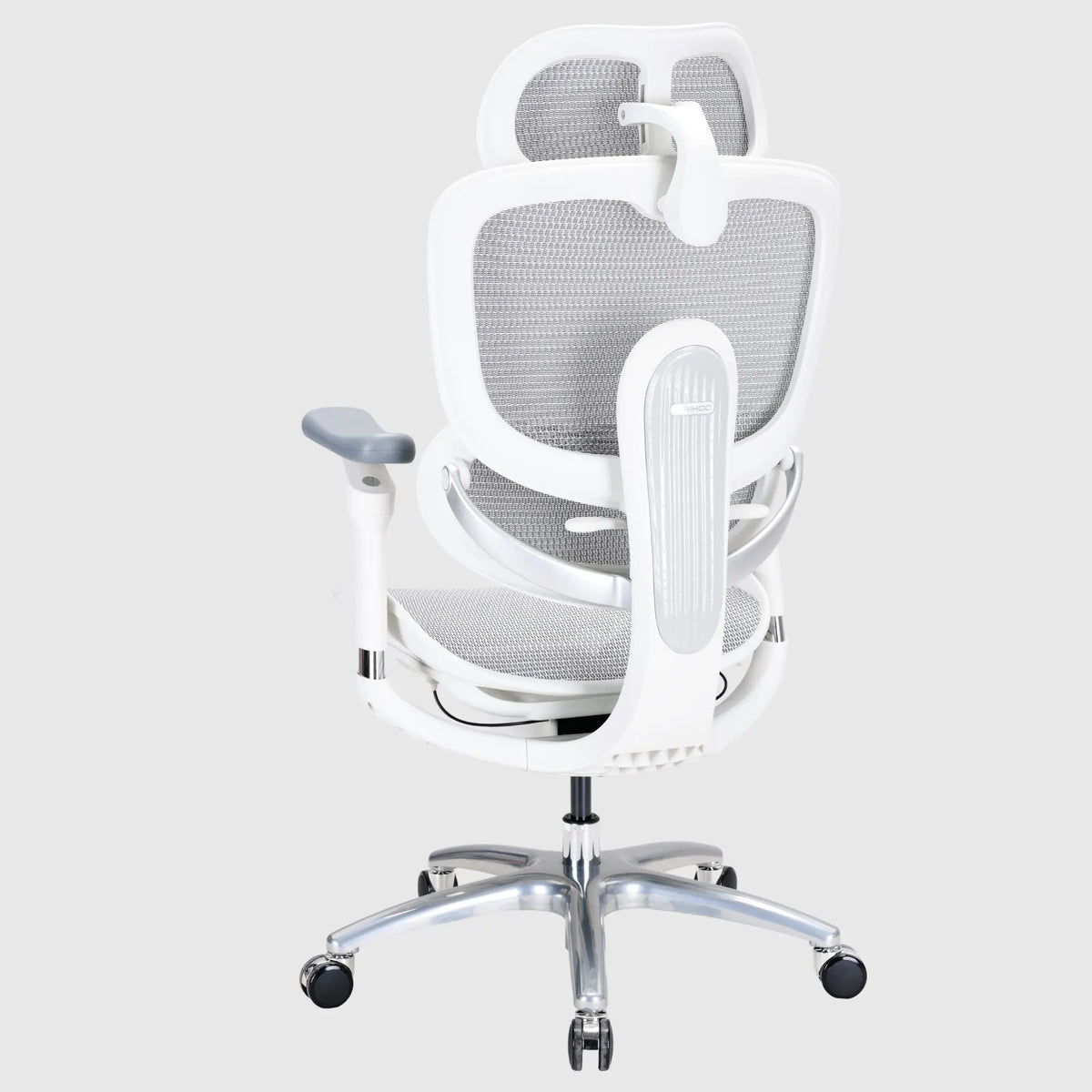
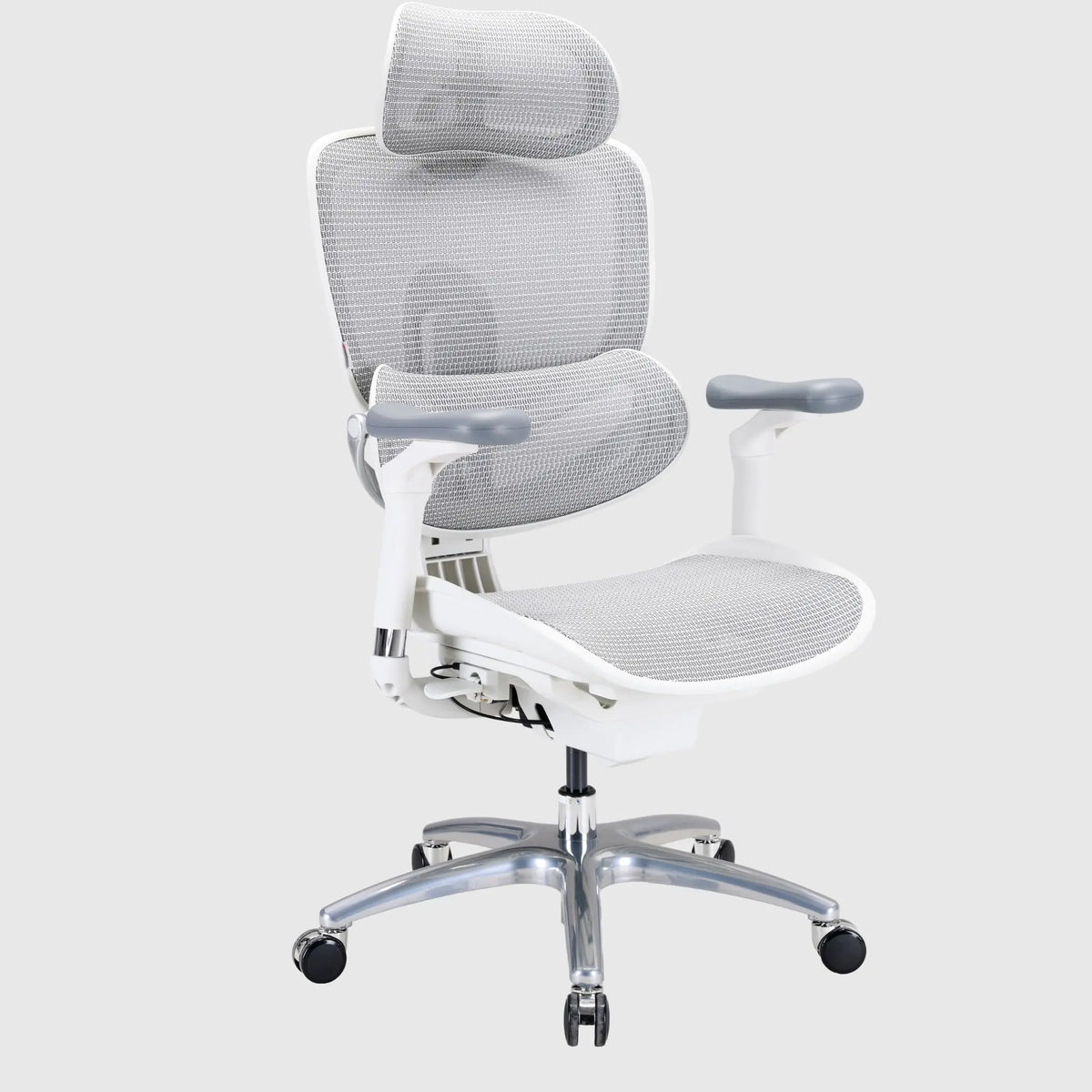
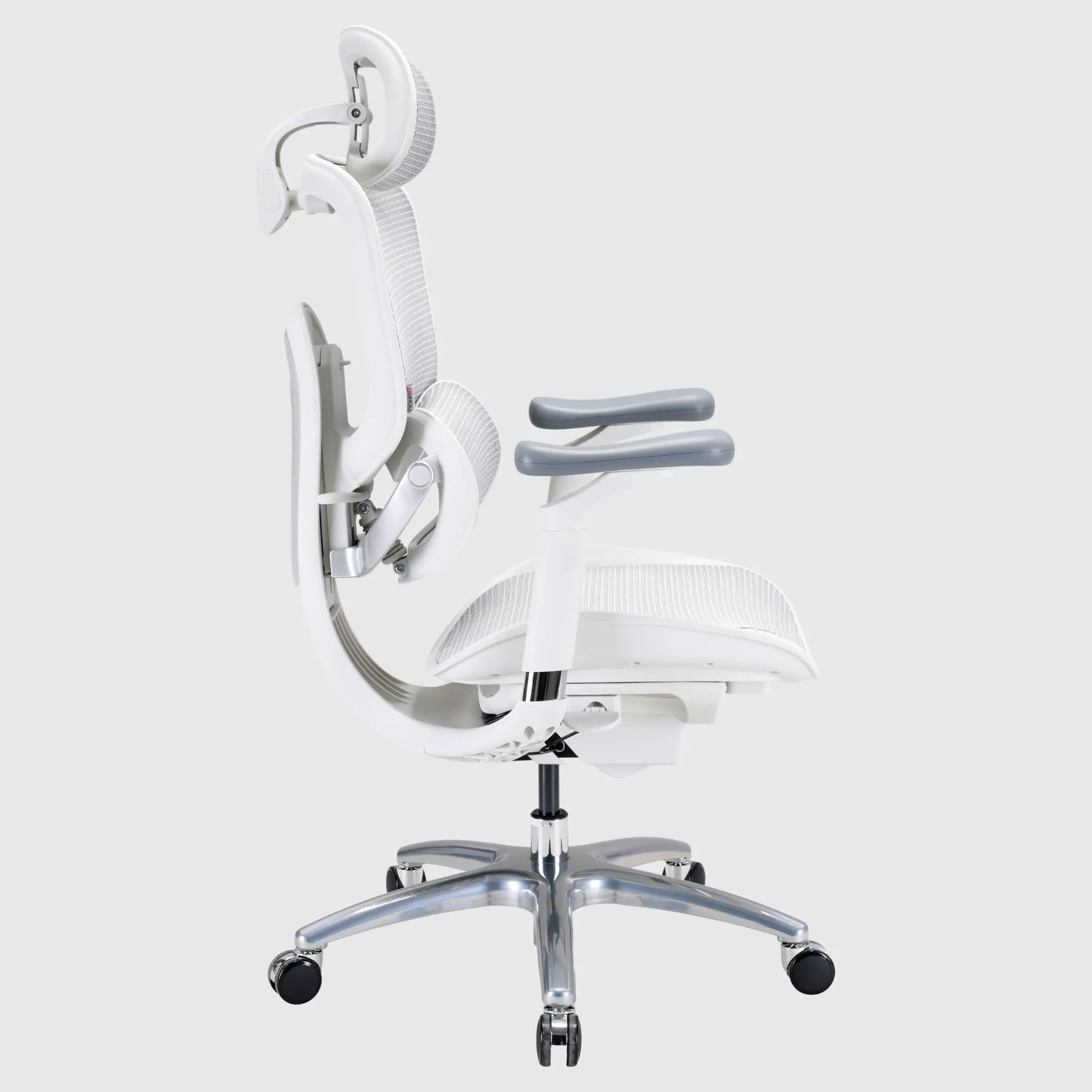
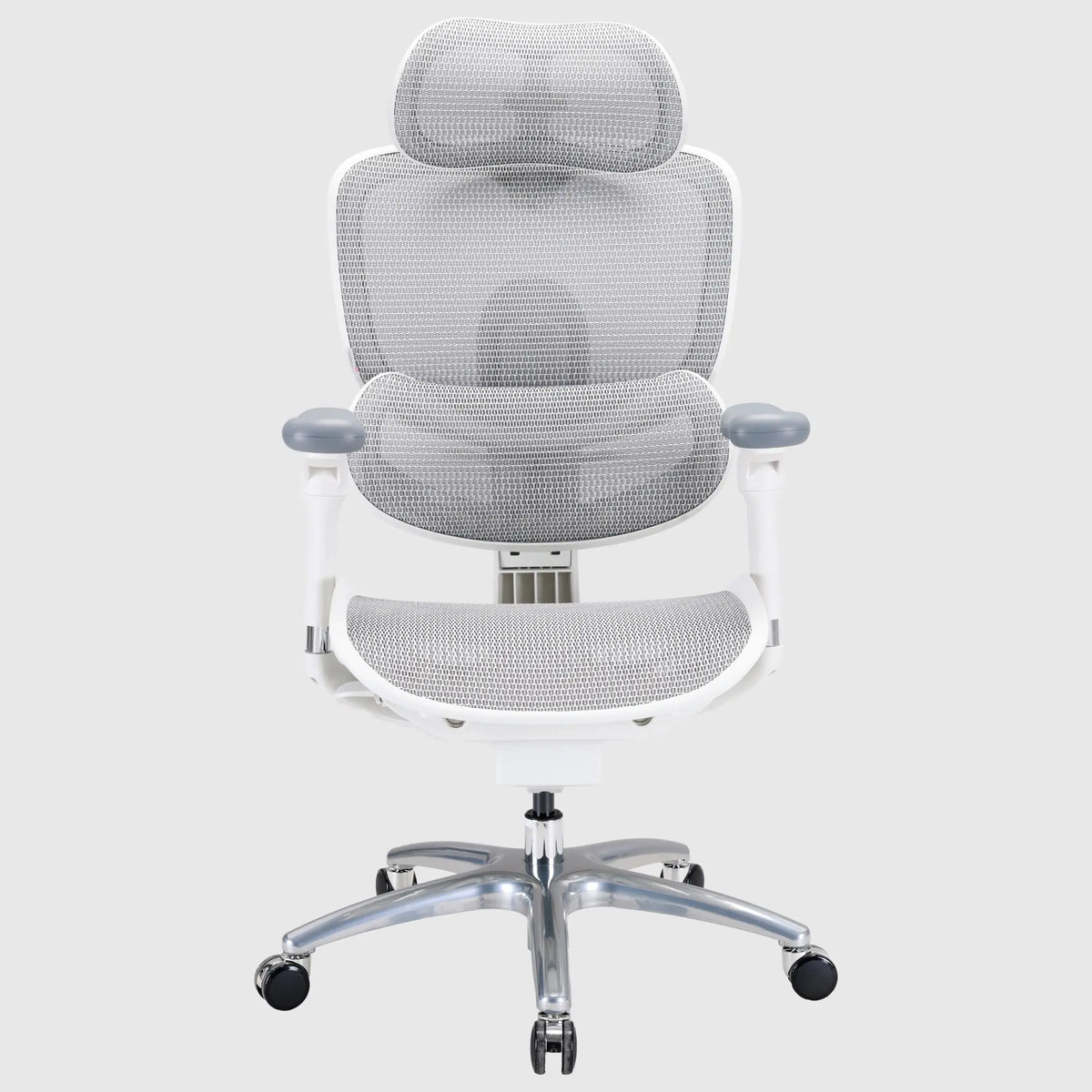
Крісло комп'ютерне ергономічне Sihoo DORO C300 LITE V2 (сітка)
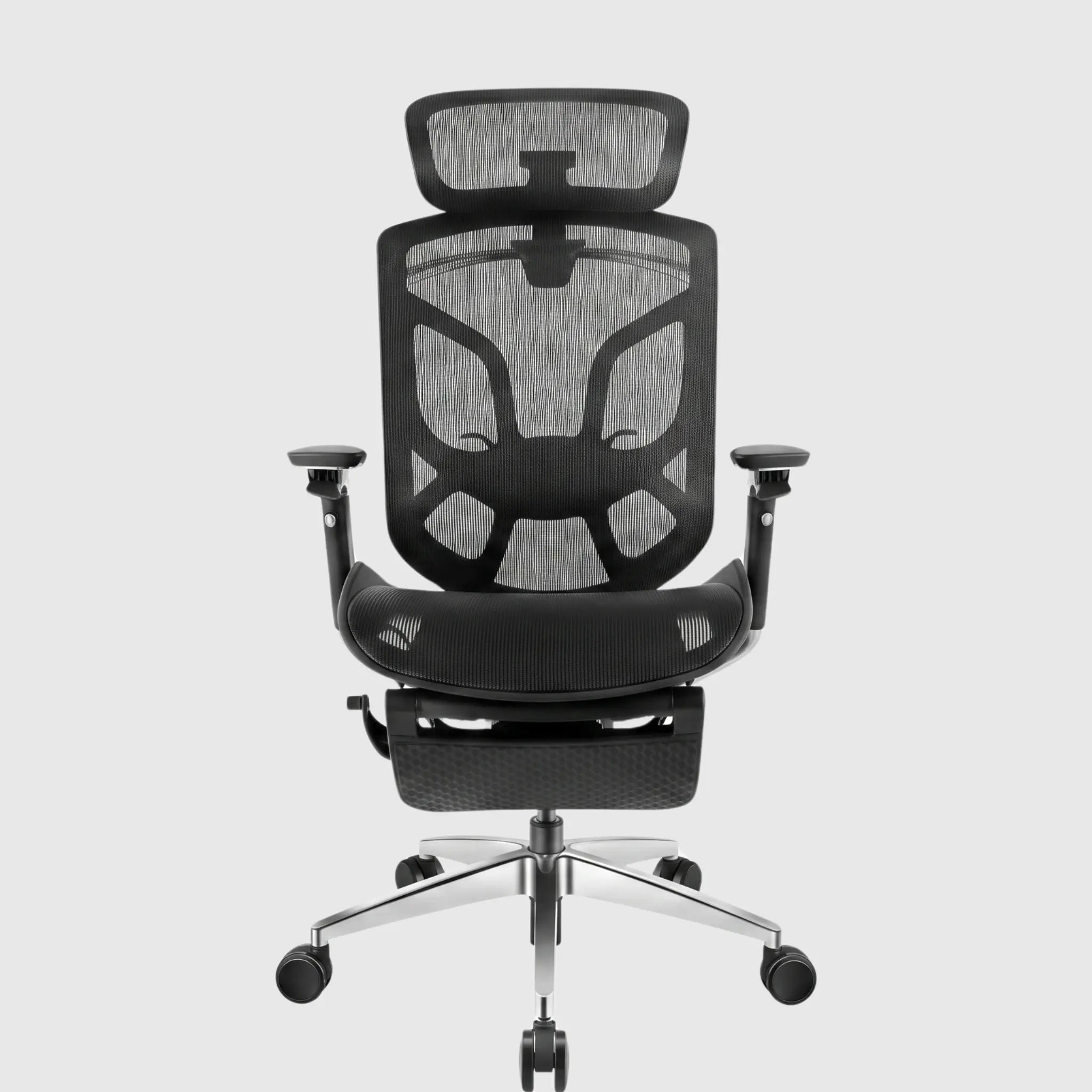
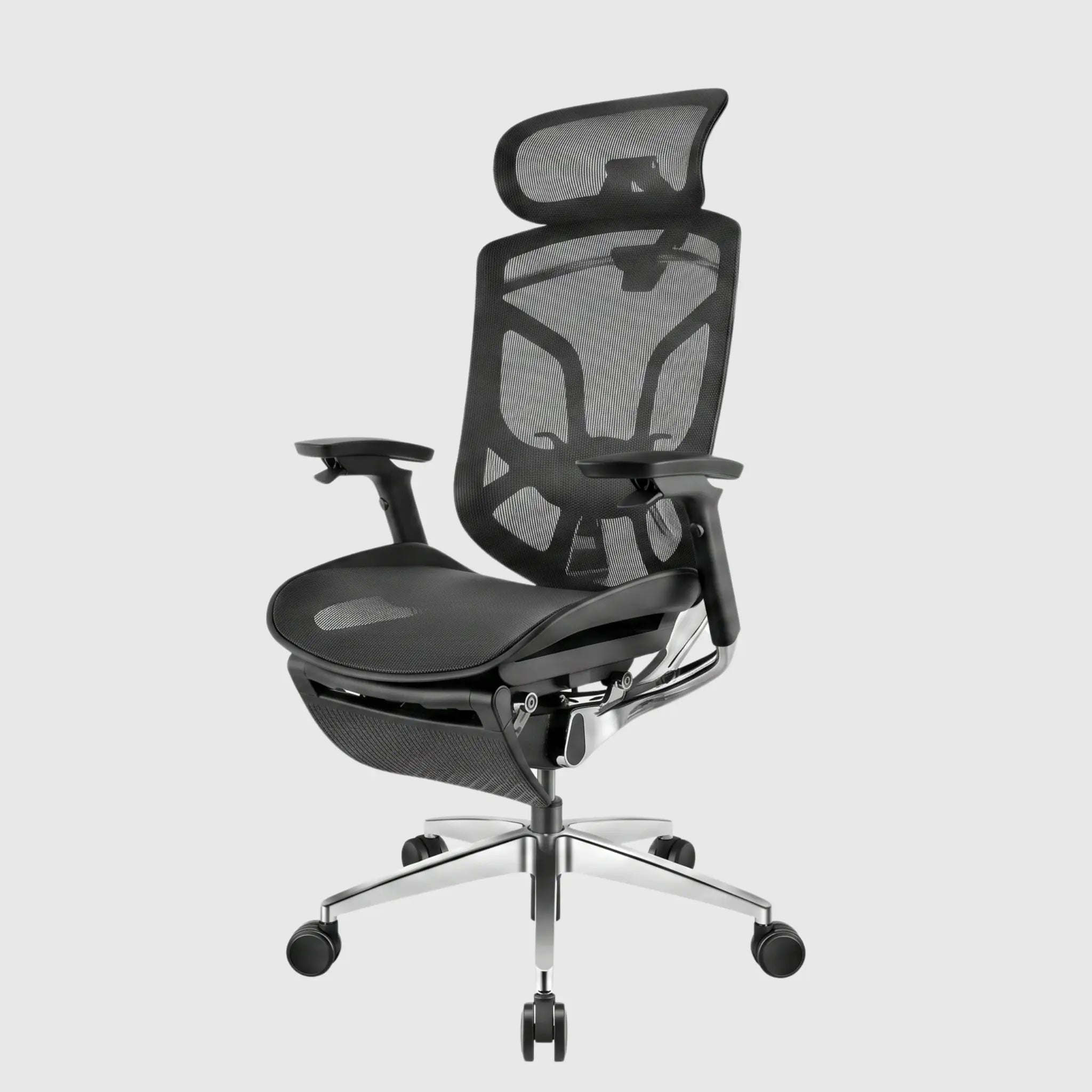
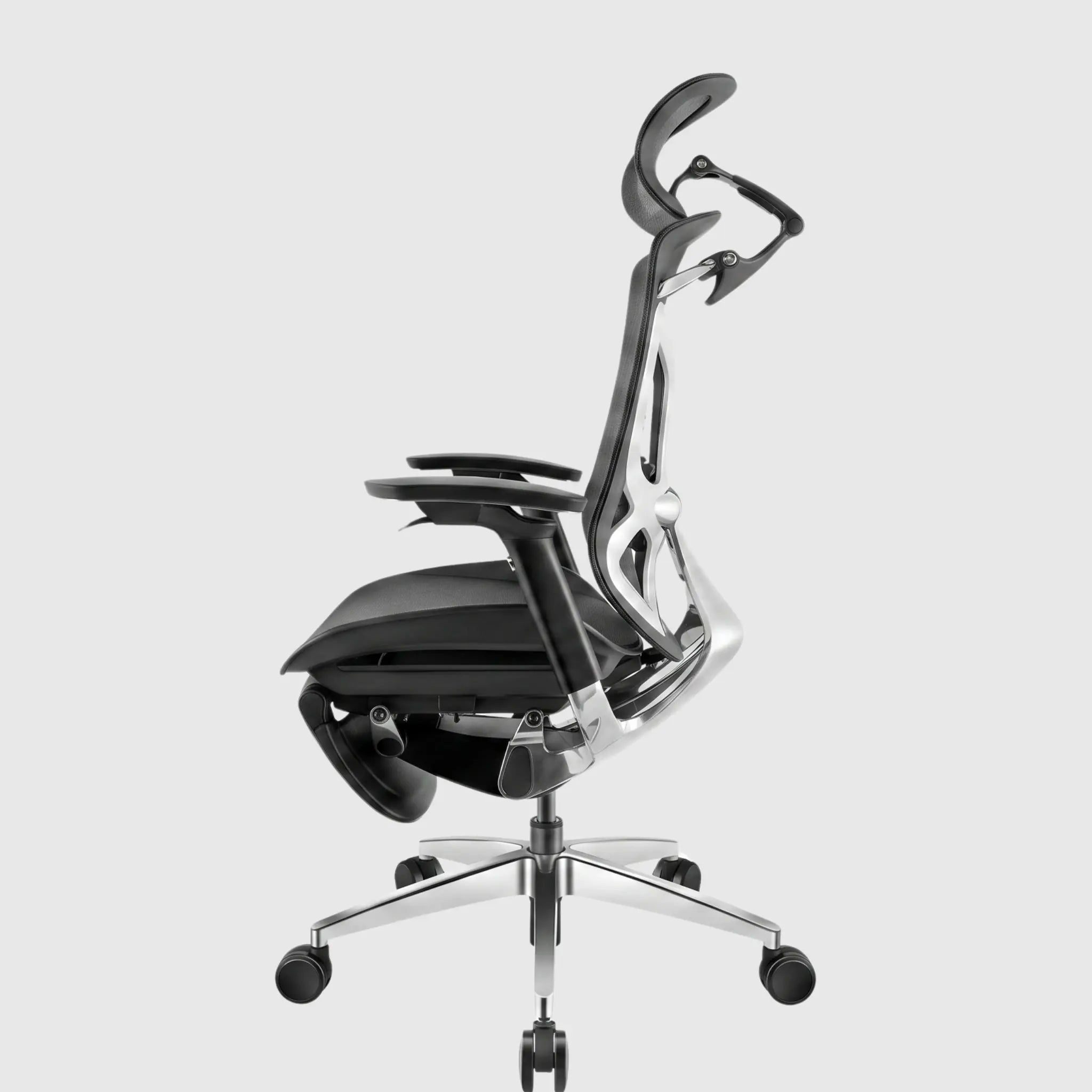
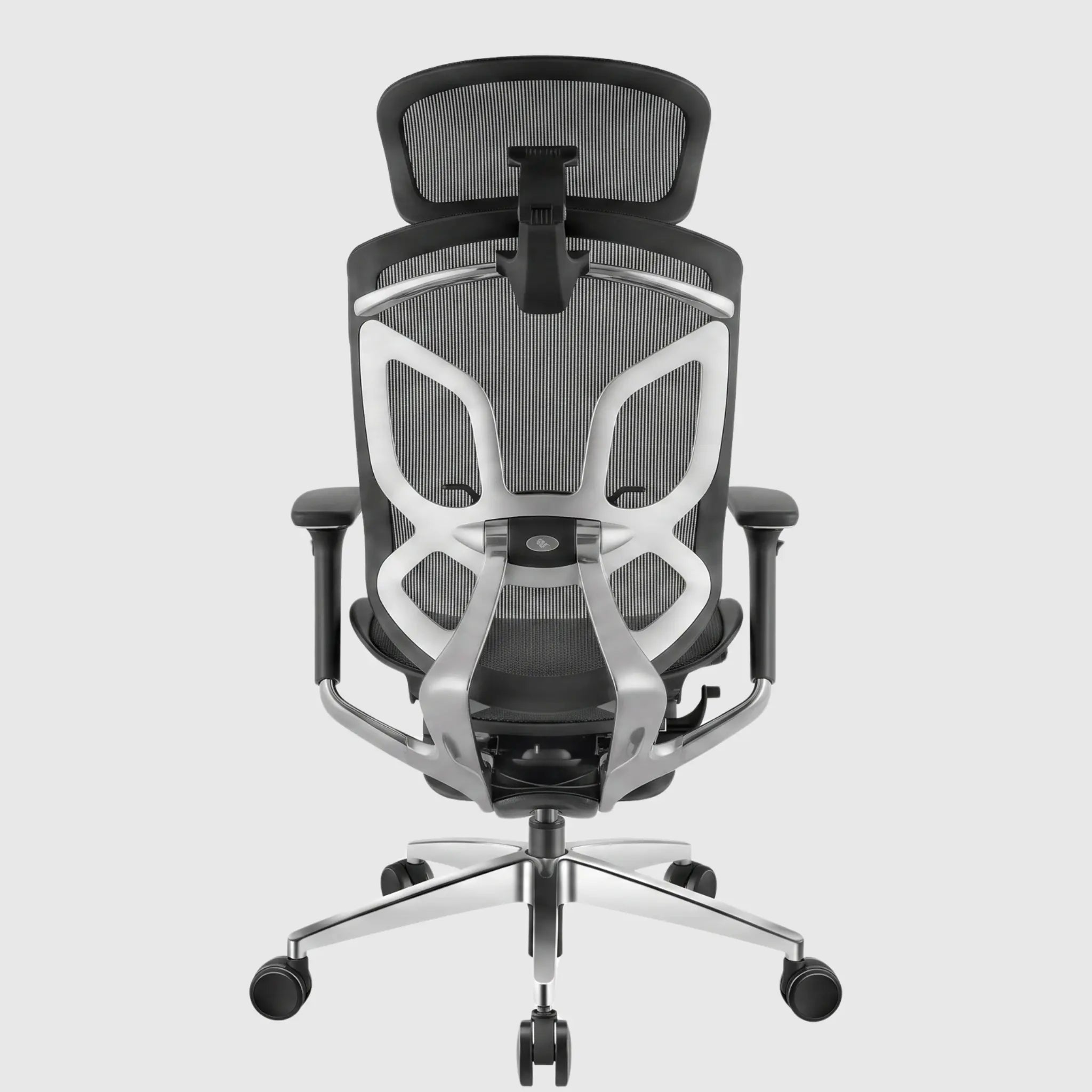
DVARY X ergonomic chair with mesh backrest, for work and gaming
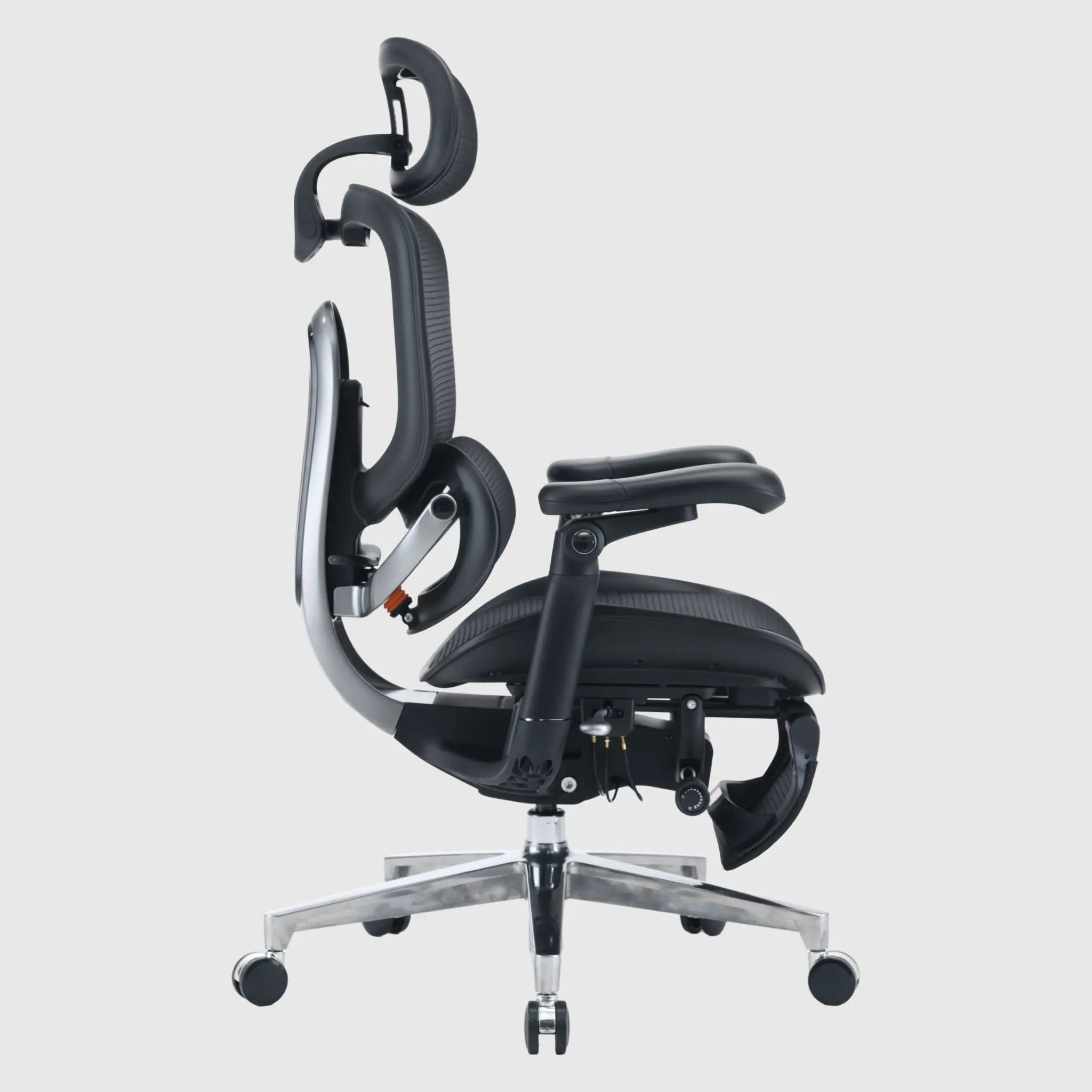
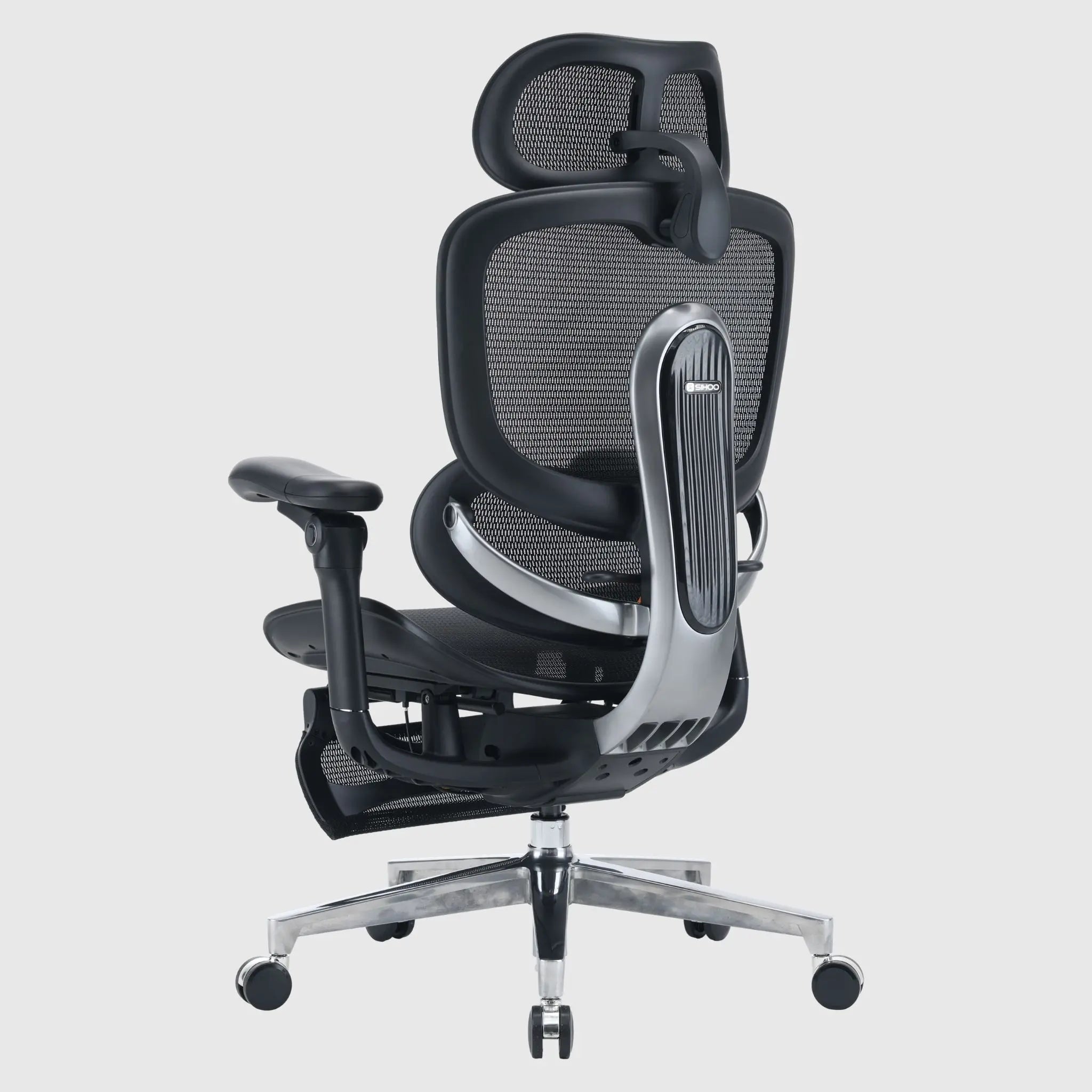
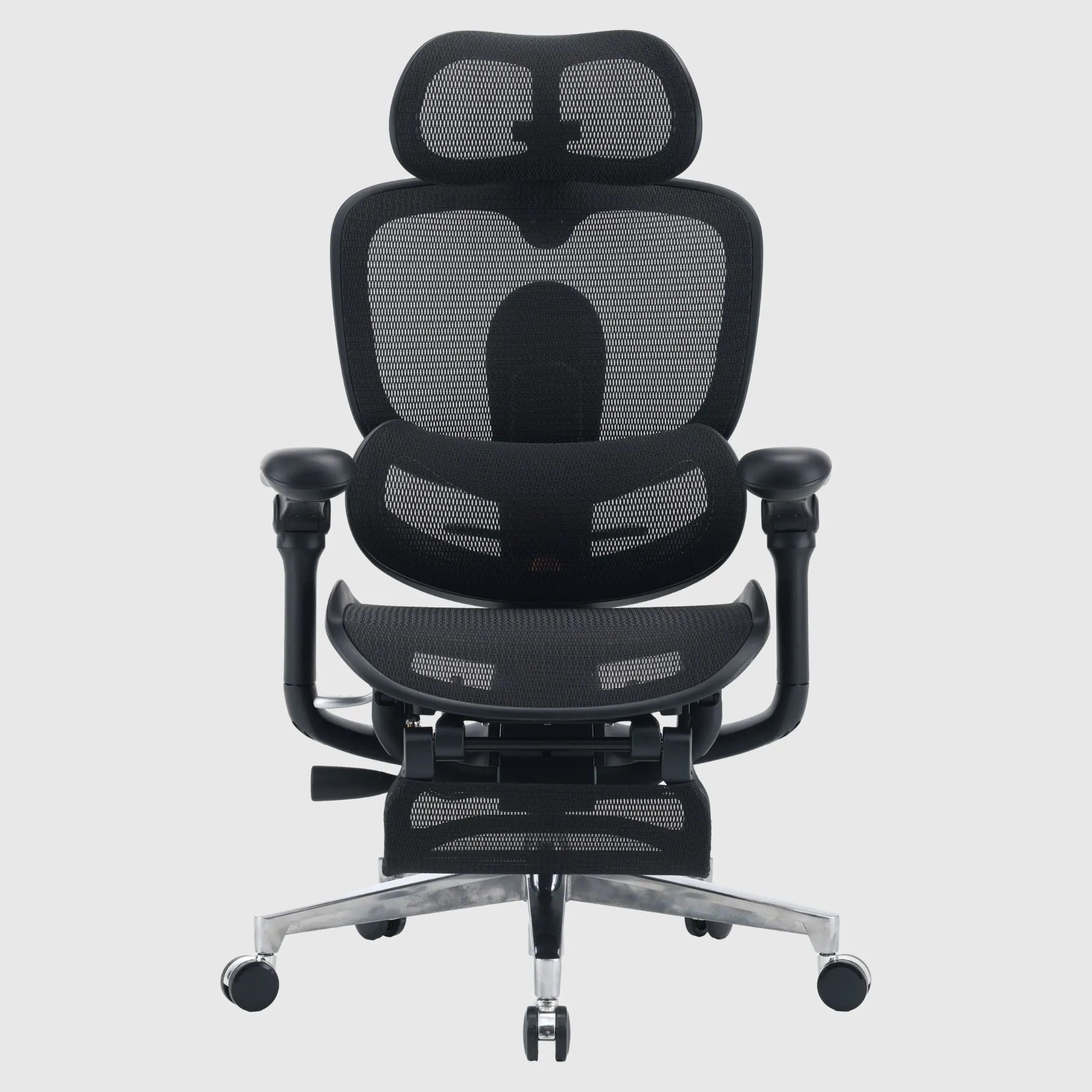
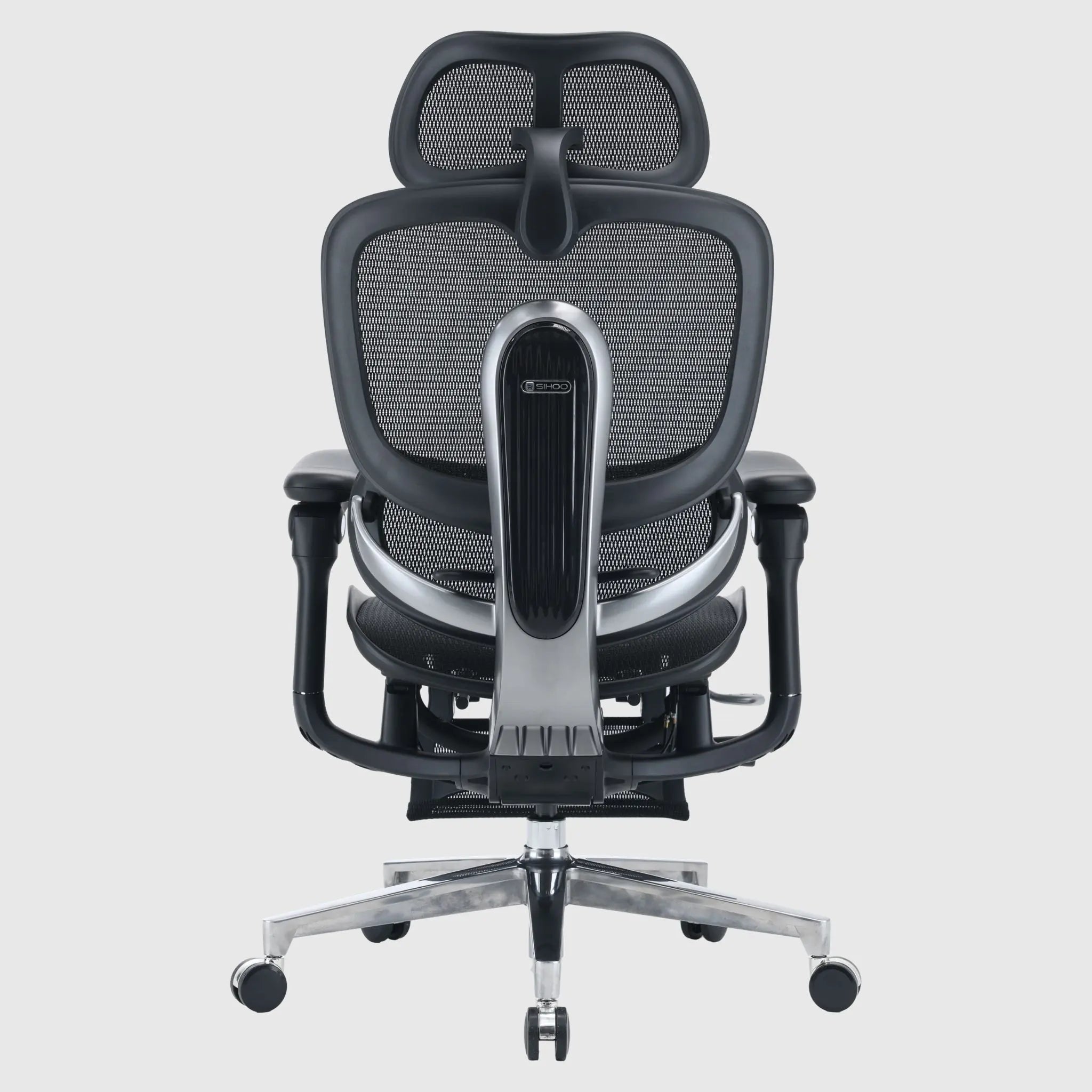
Ергономічне крісло Sihoo Doro C500 V2 Black з підставкою для ніг


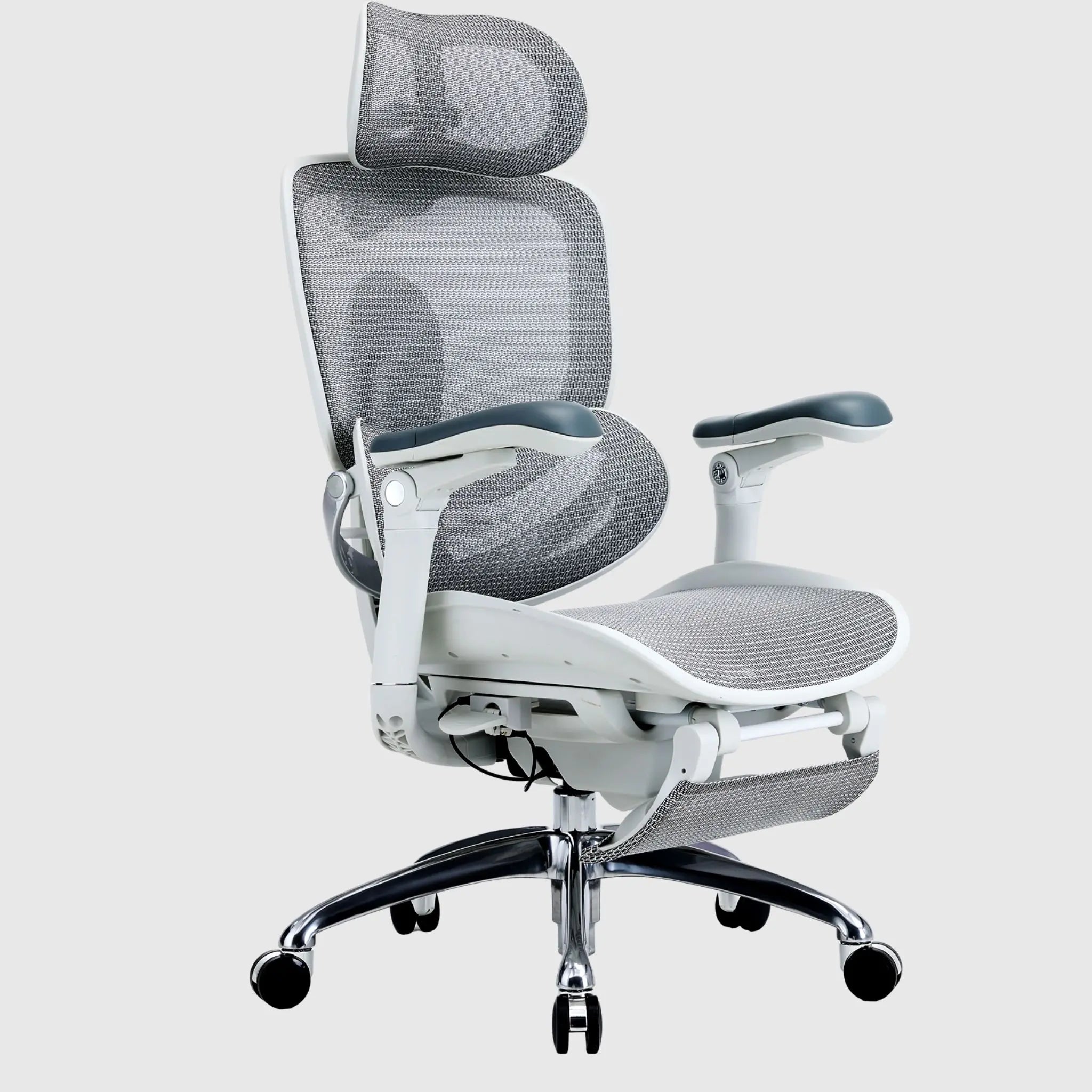
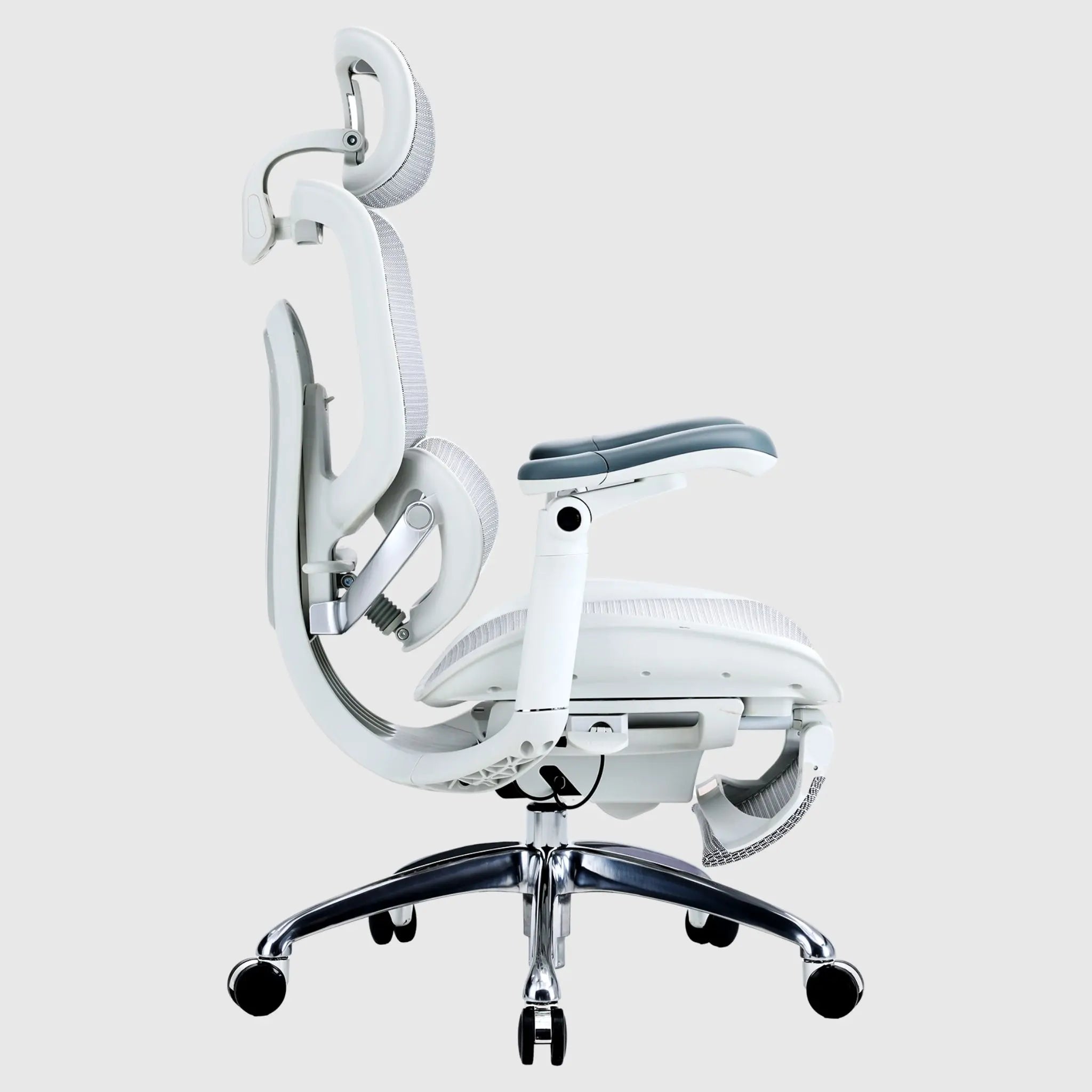
Ергономічне офісне крісло Sihoo Doro C300 Pro V2 з підставкою для ніг
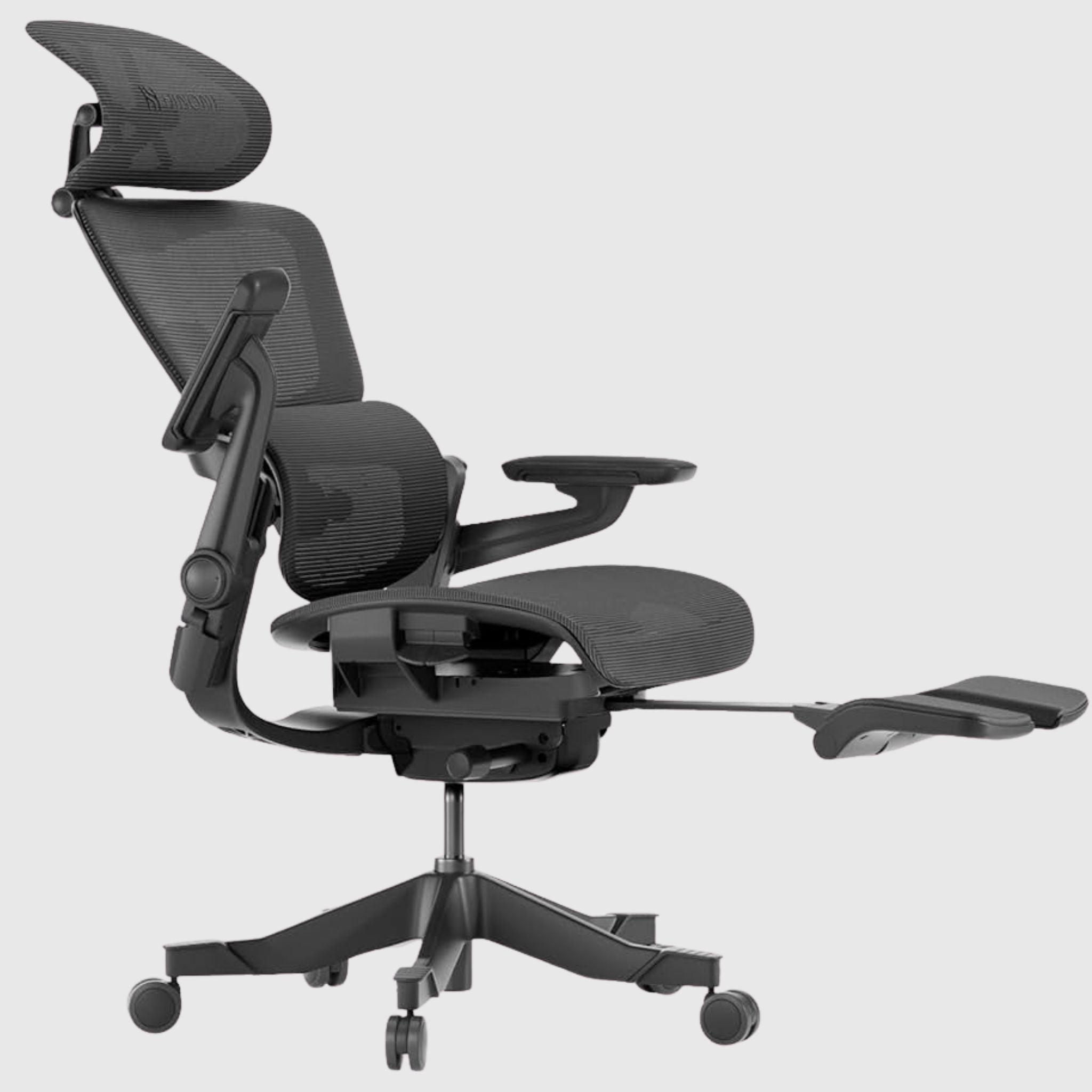
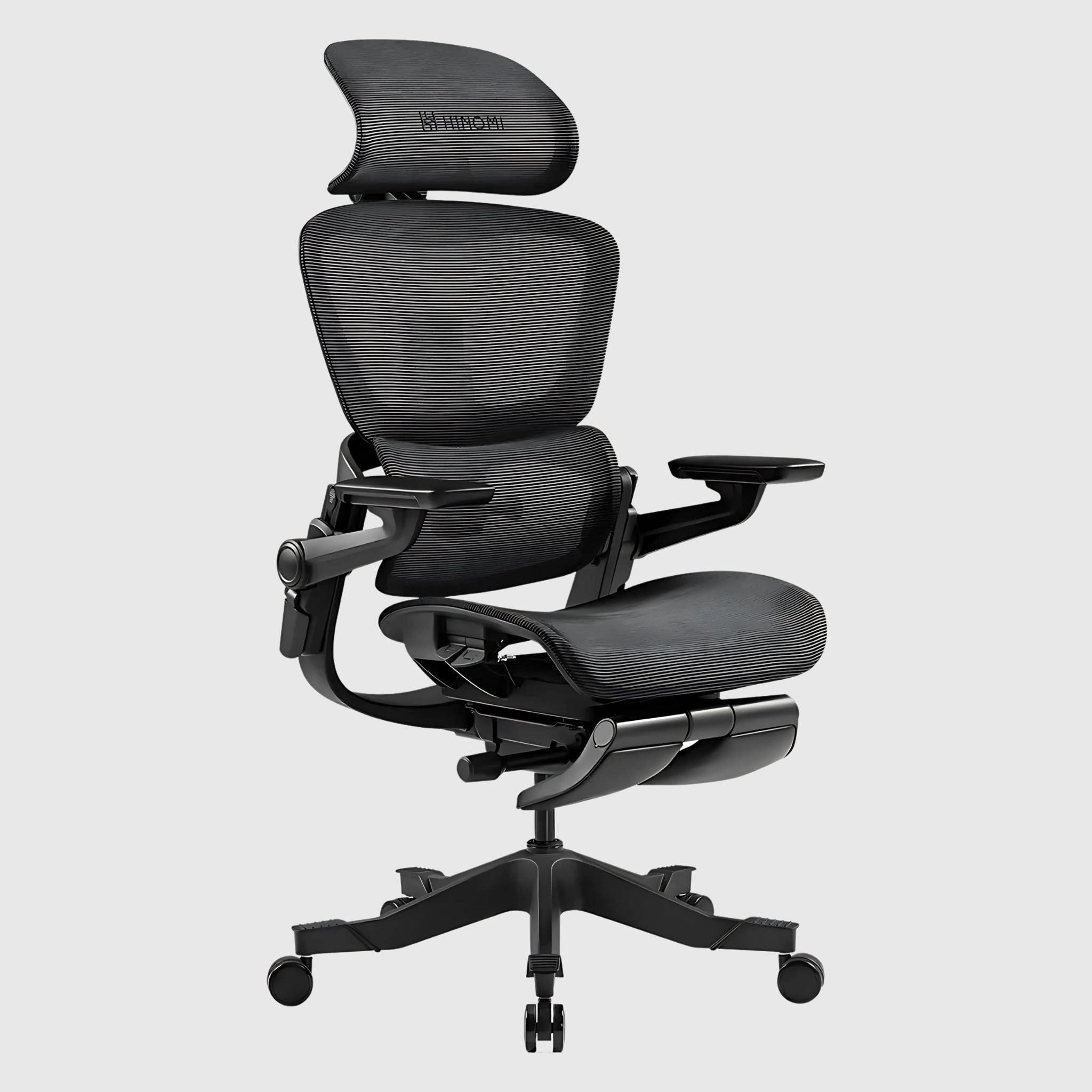
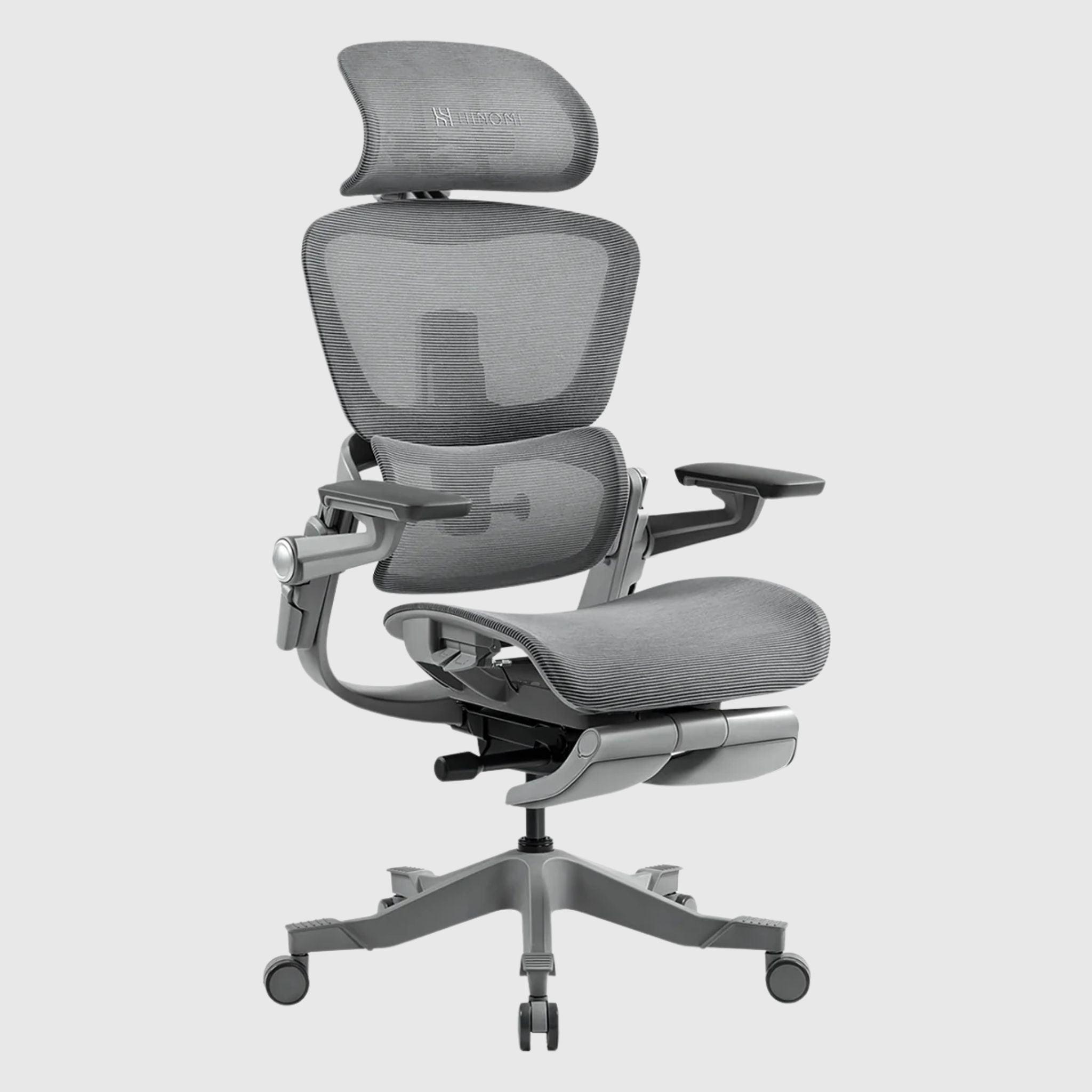
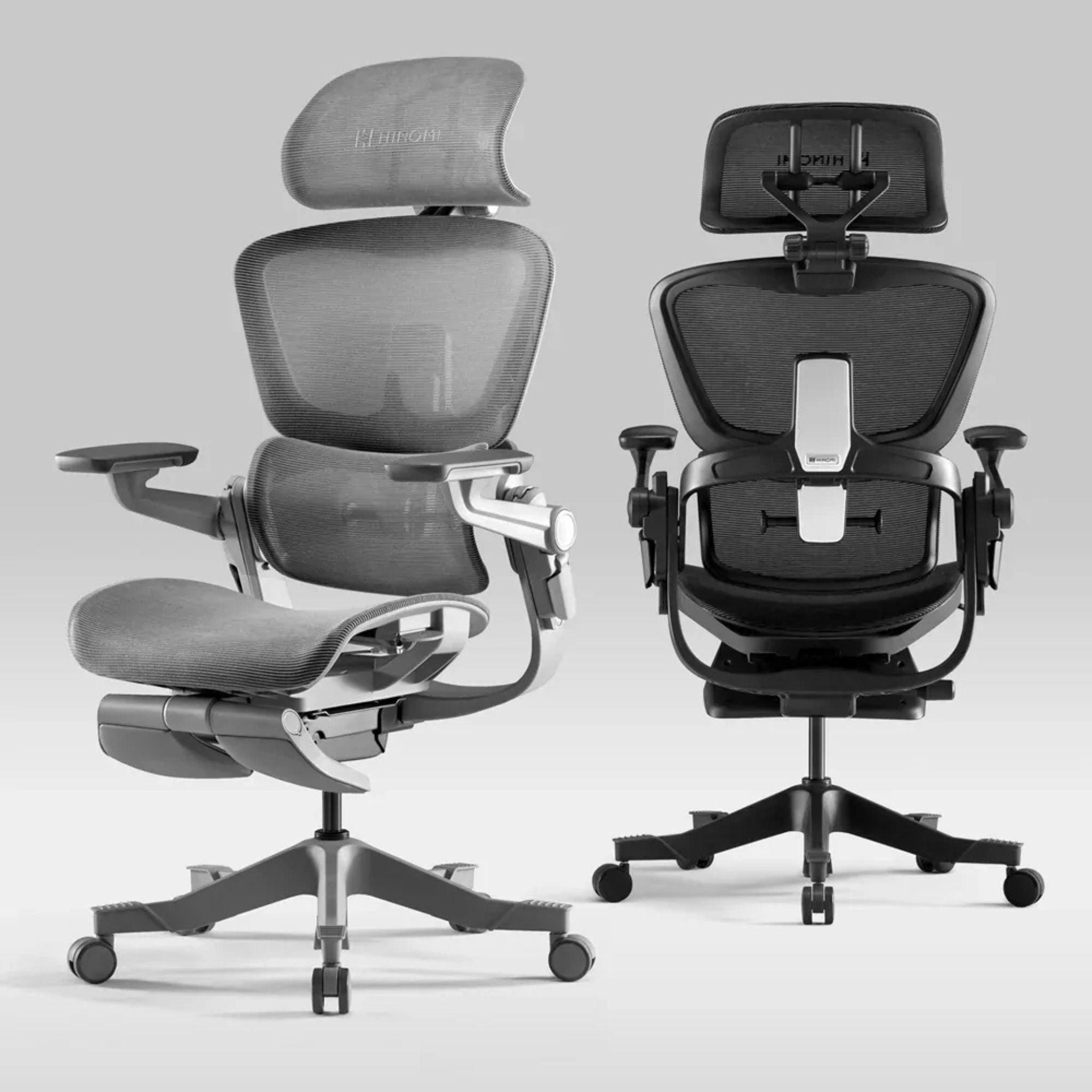
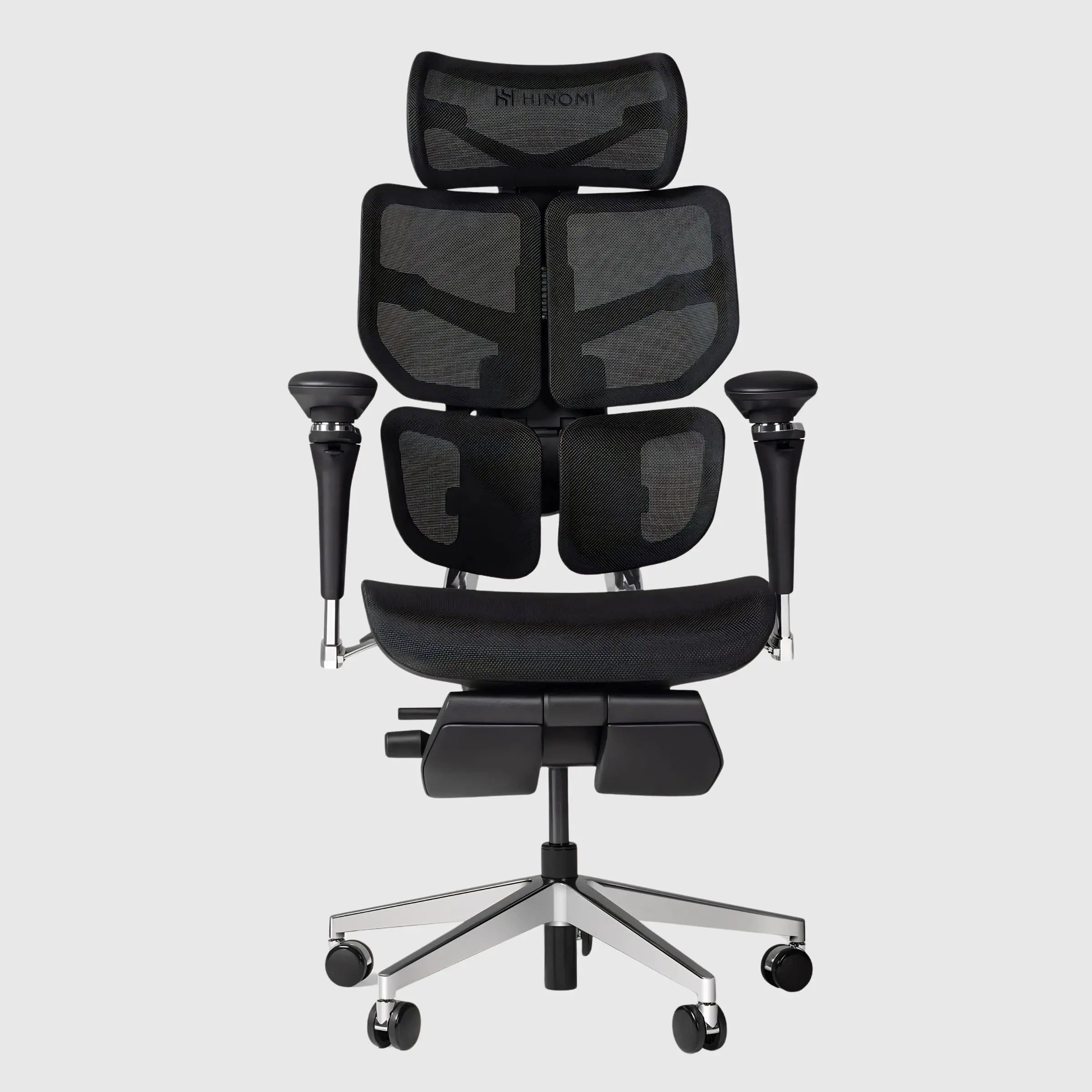
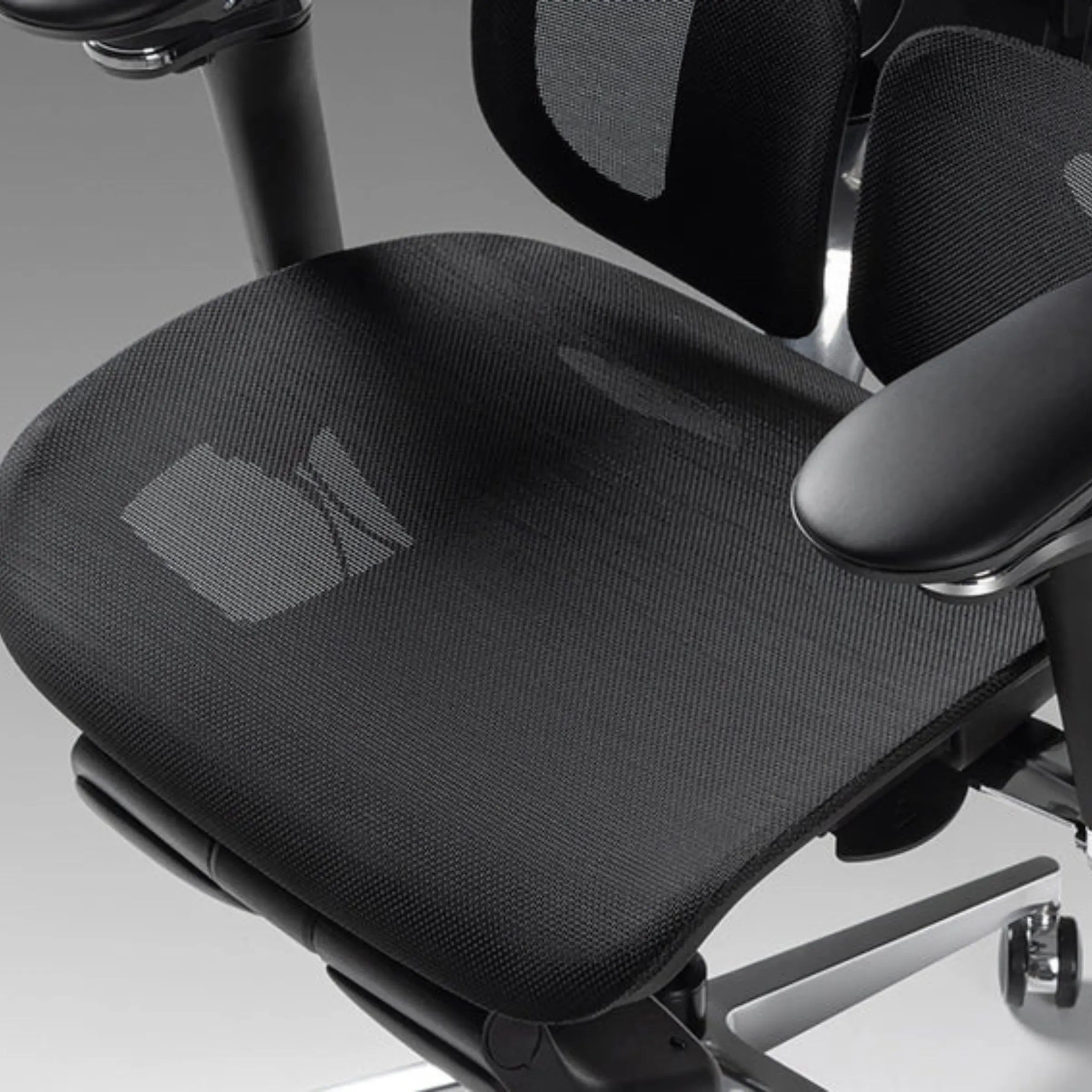
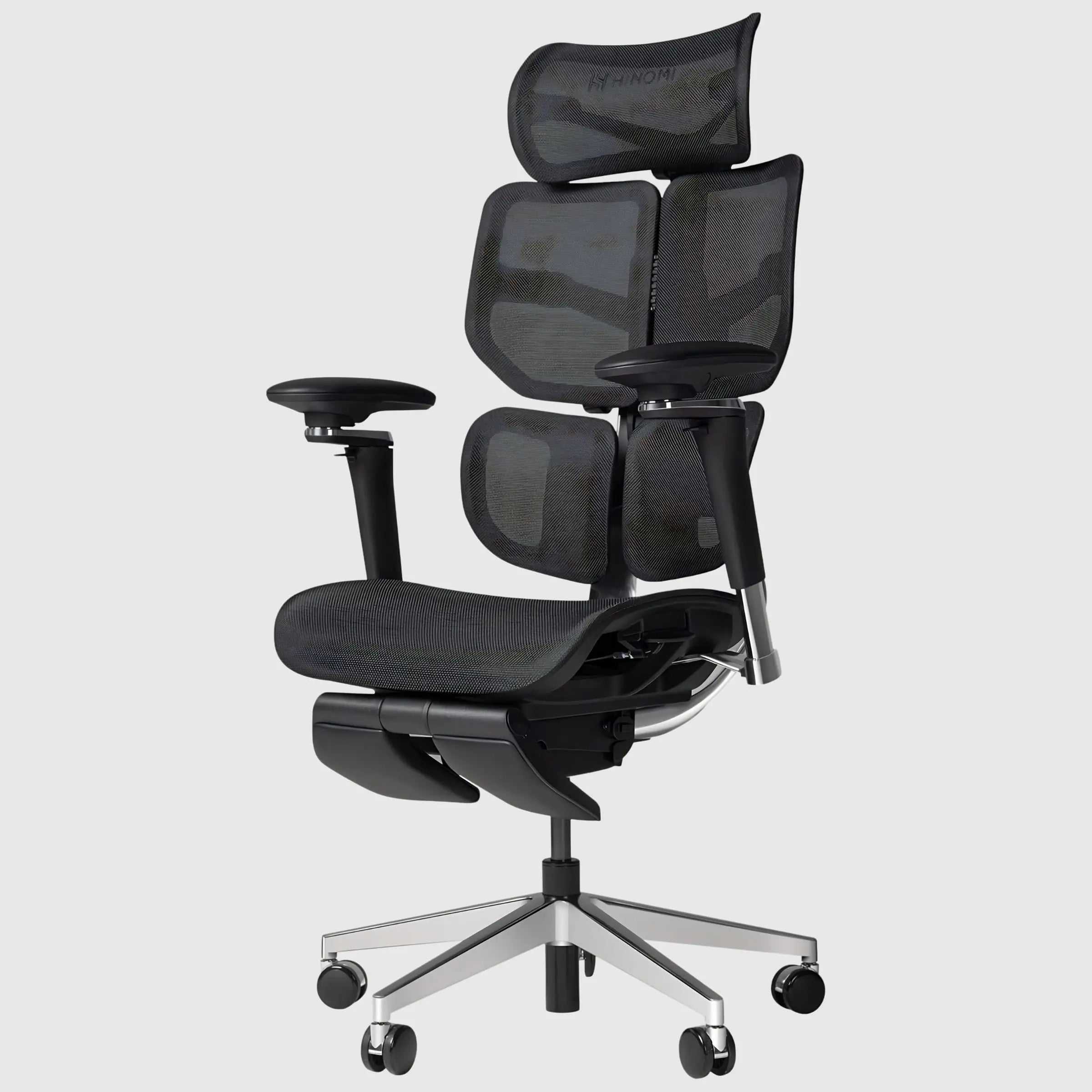
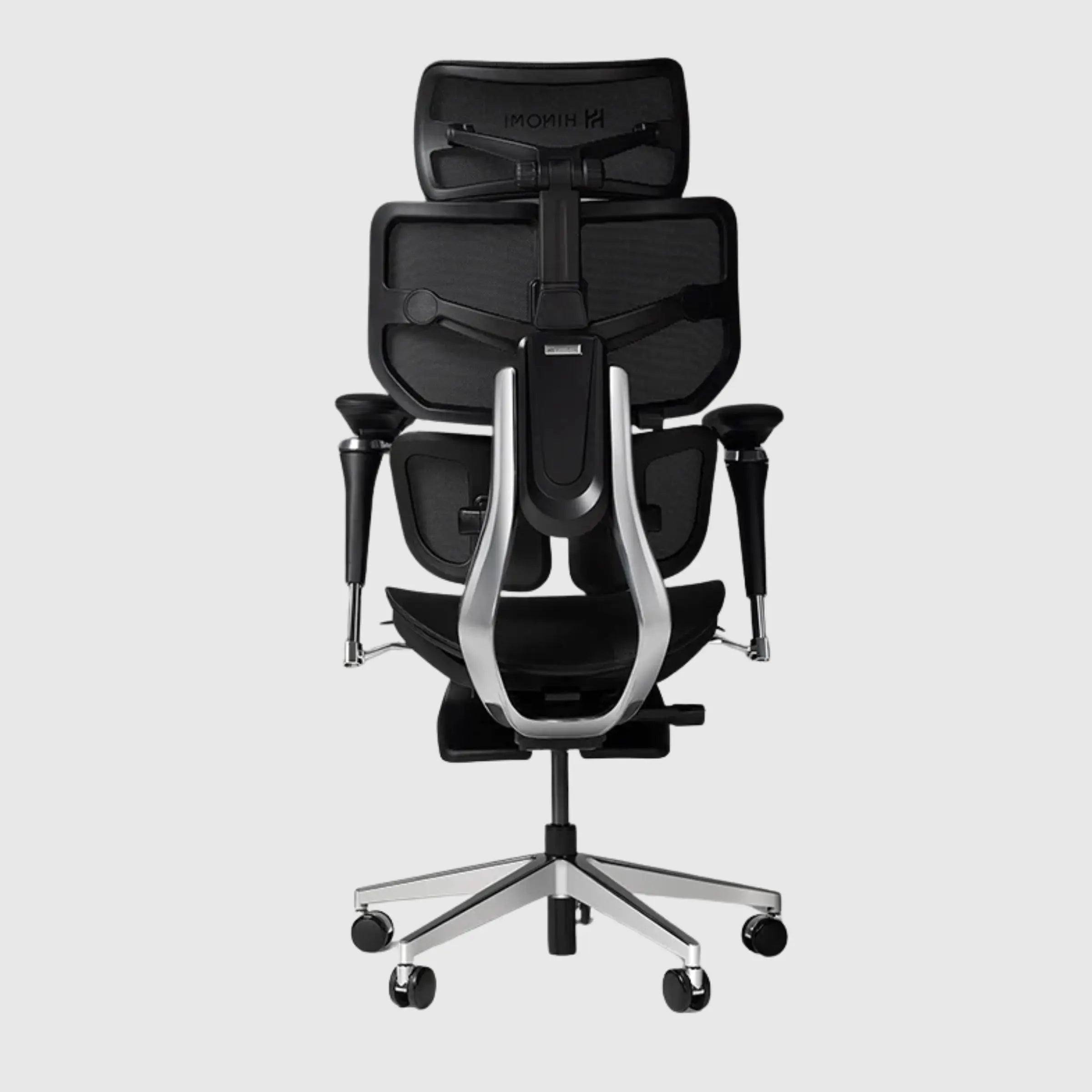
Hinomi X2 Pro Ergonomic Chair with Footrest
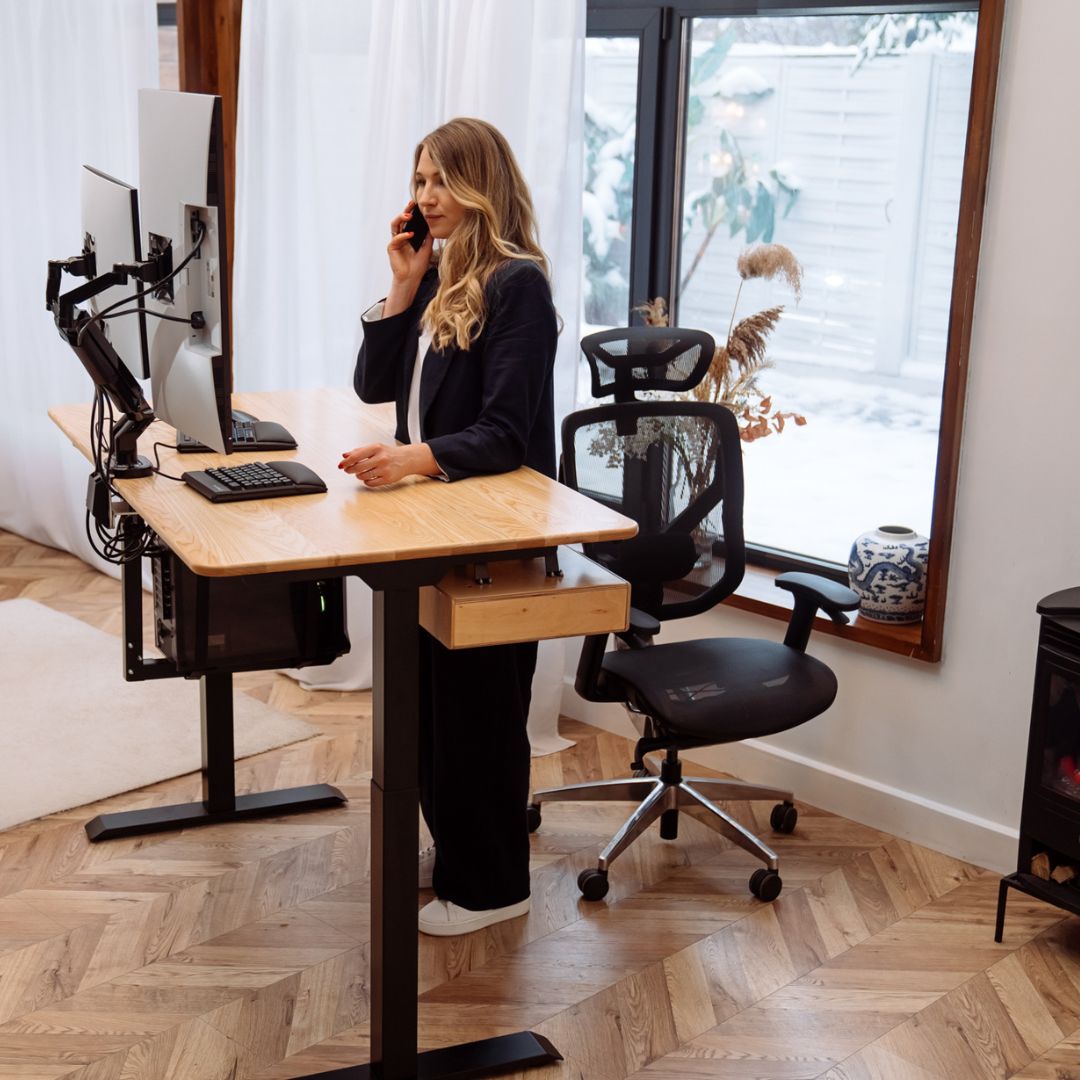
Create the height-adjustable desk of your dreams
With our hands!
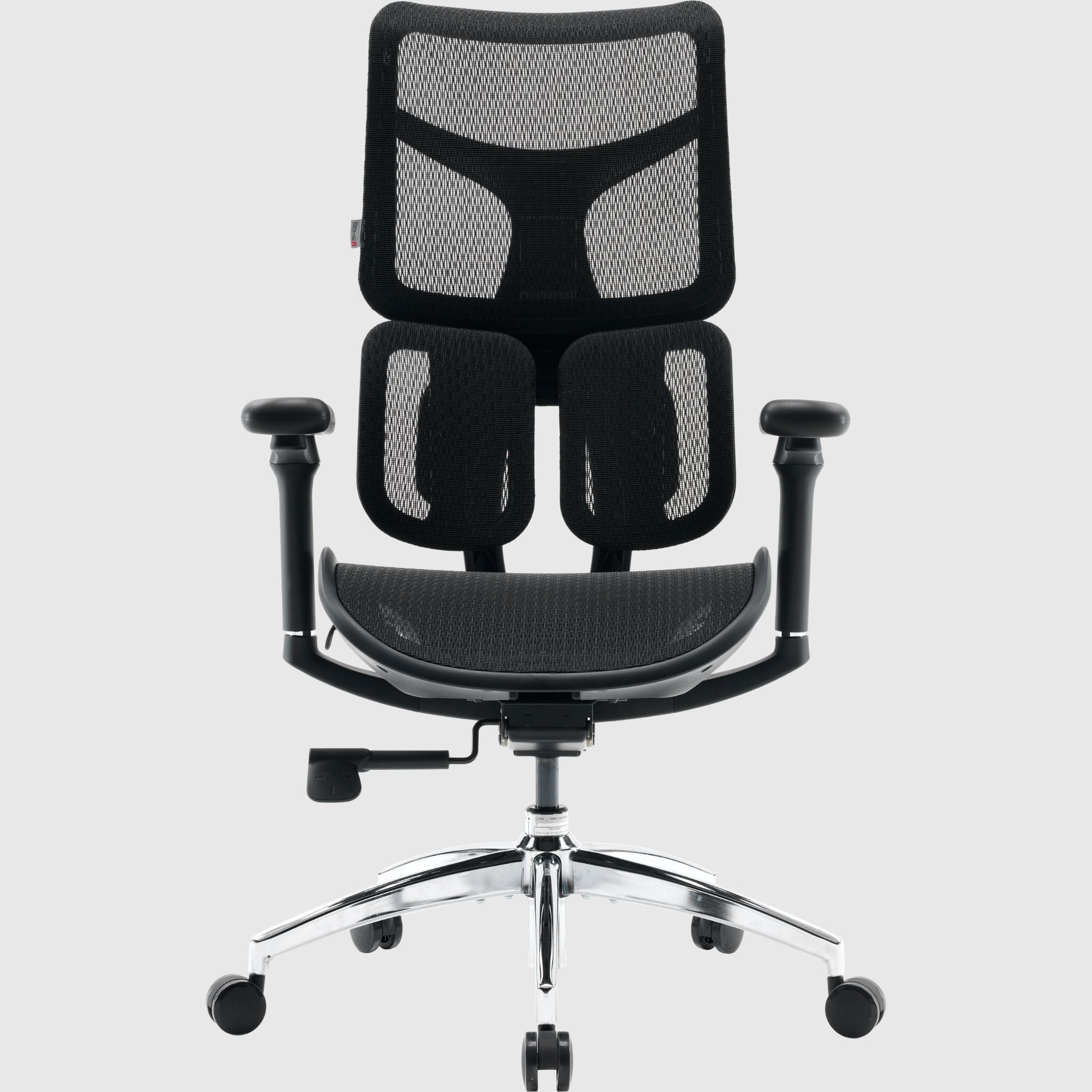
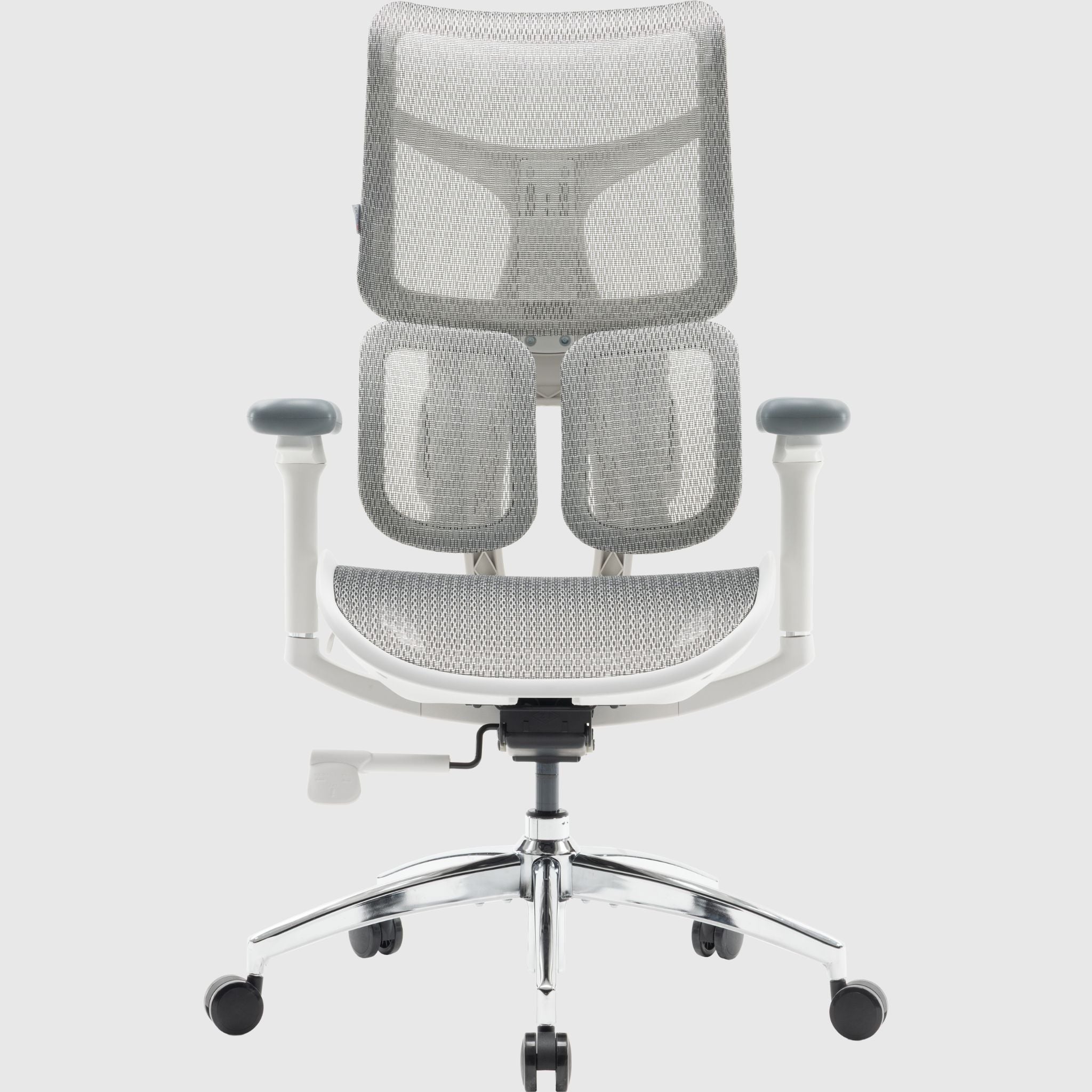
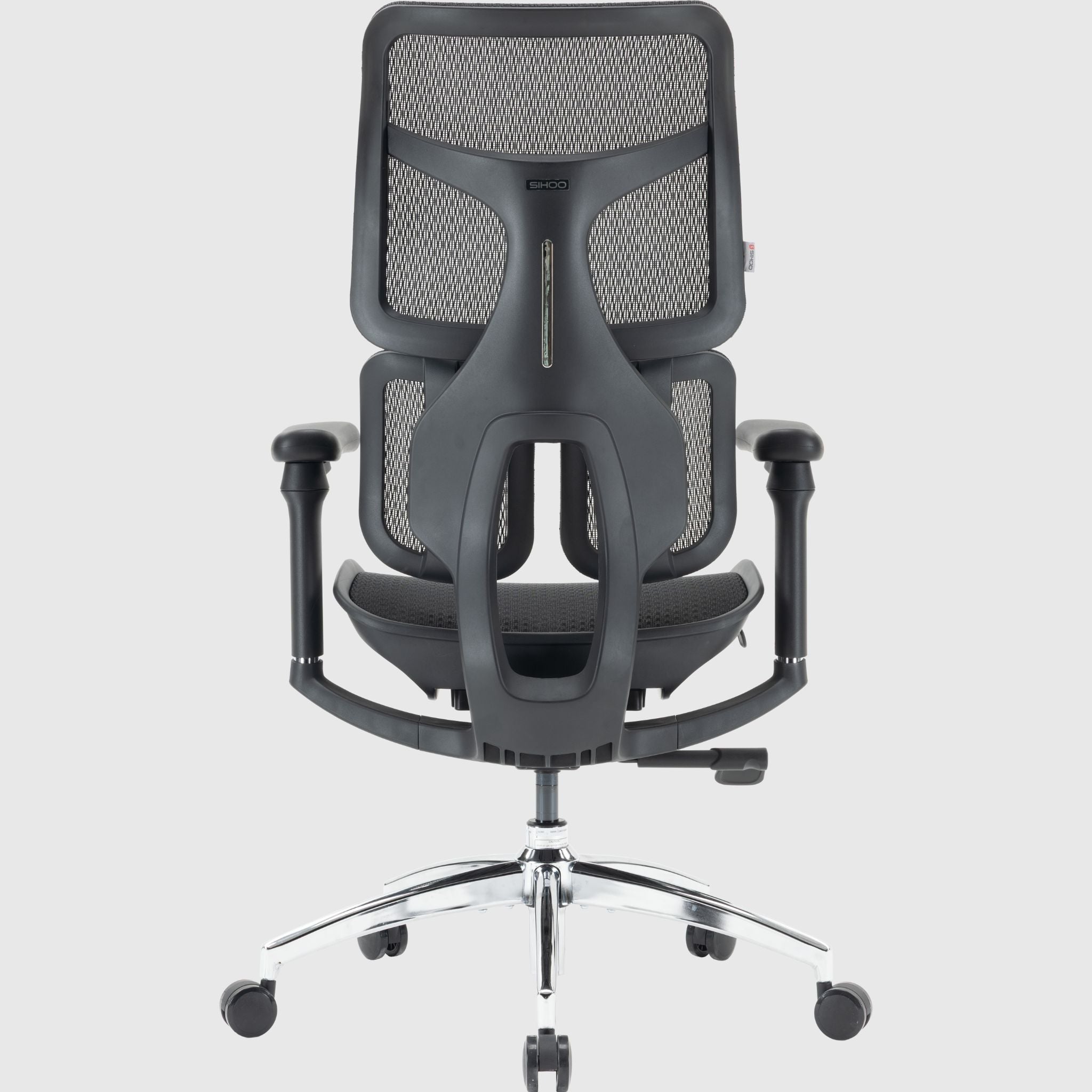
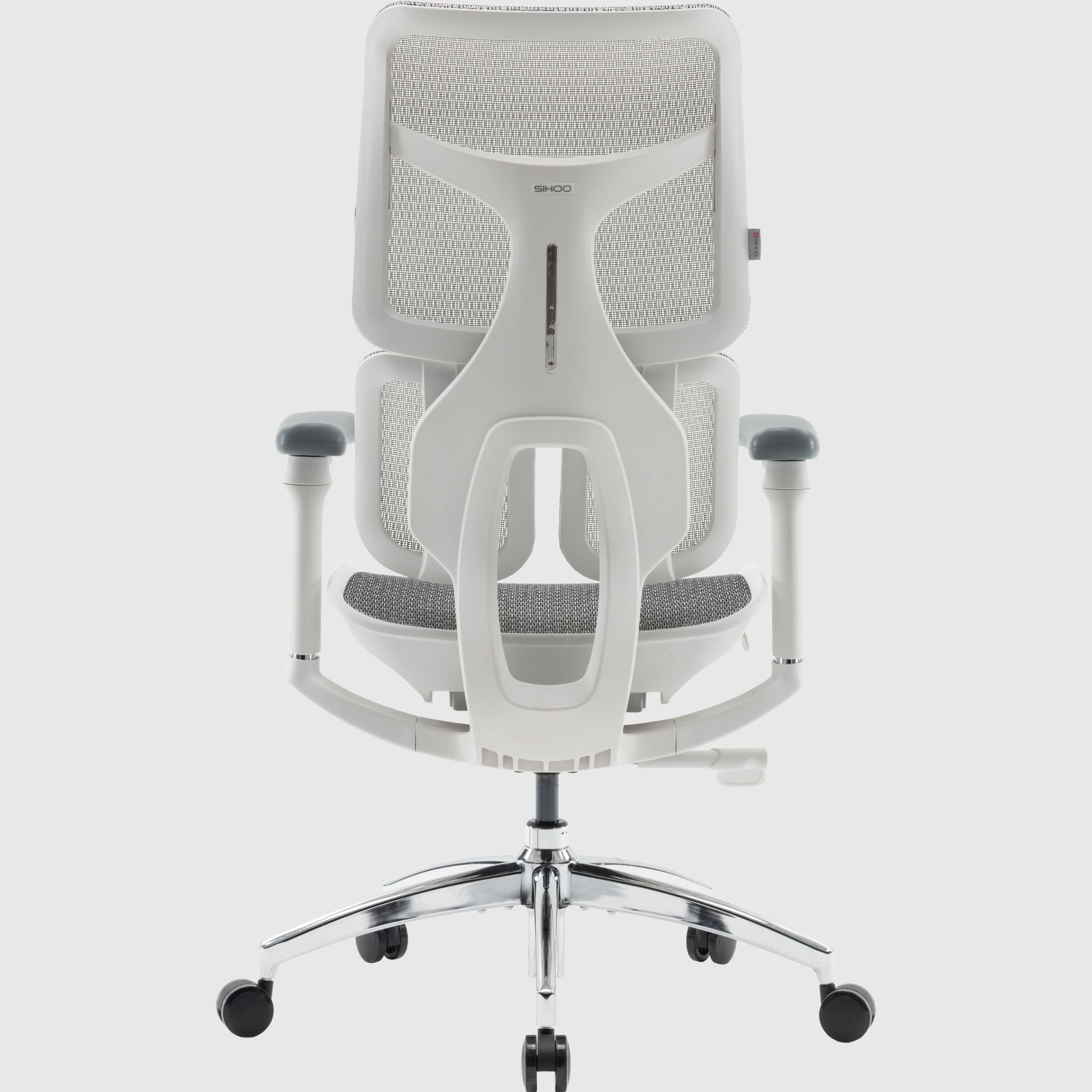
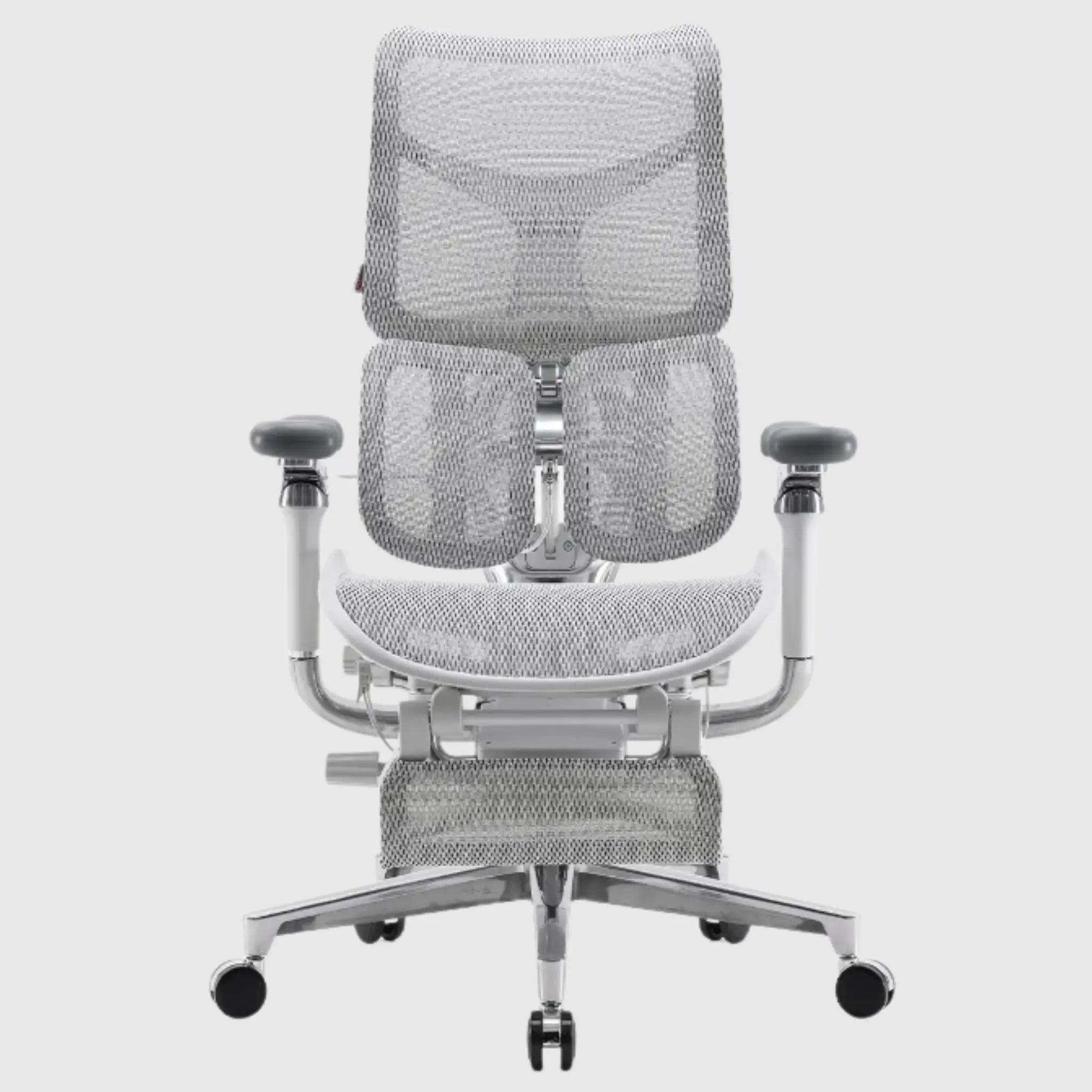
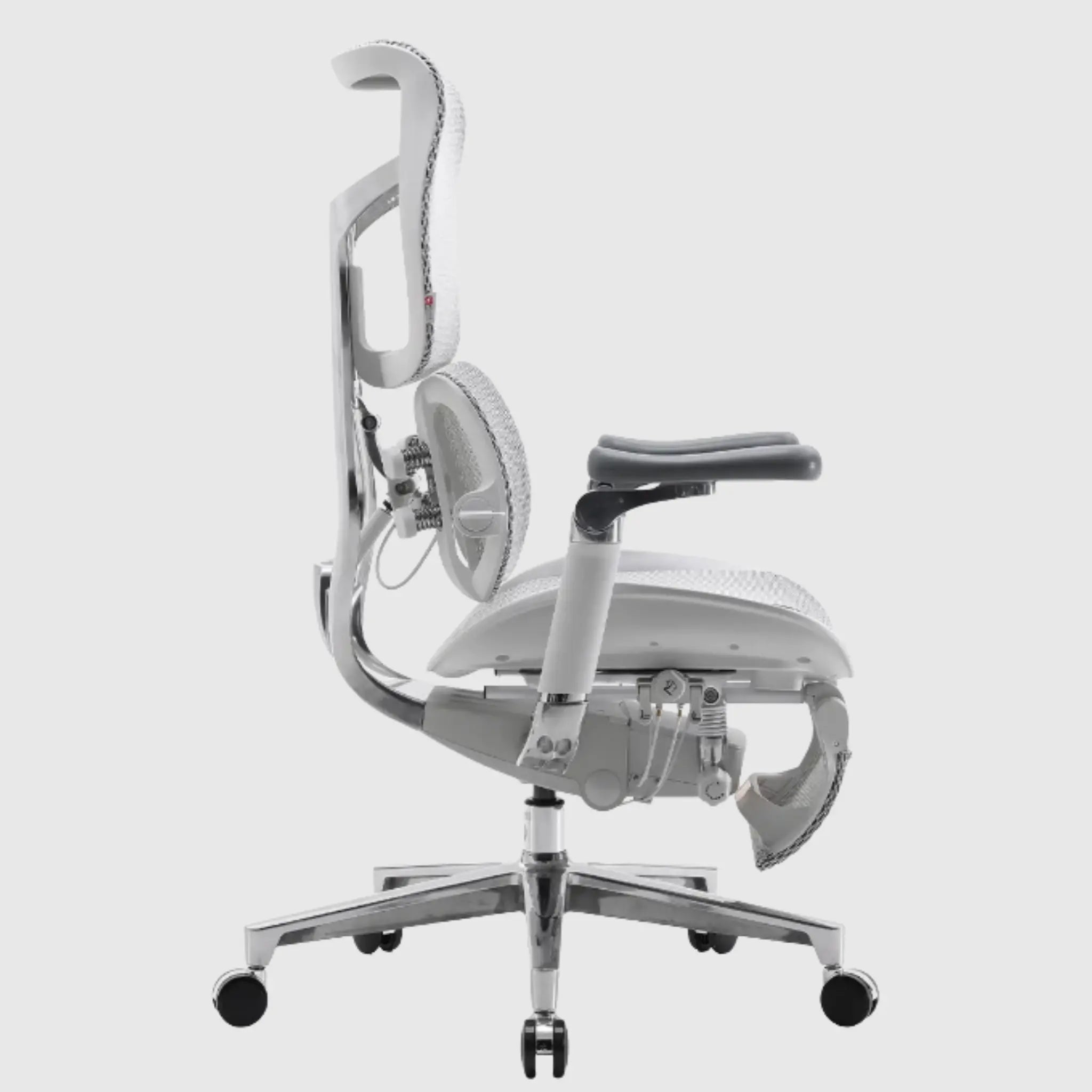
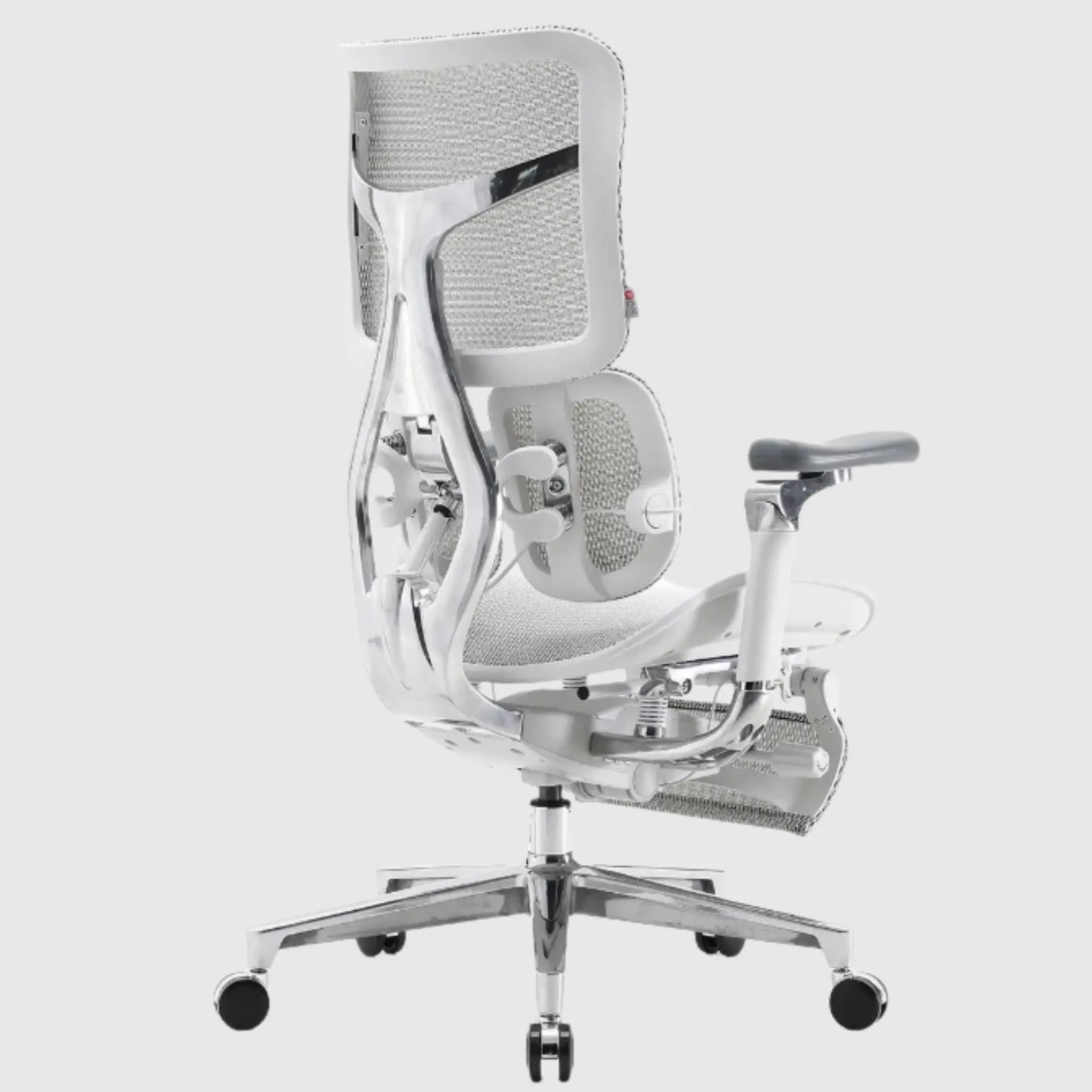
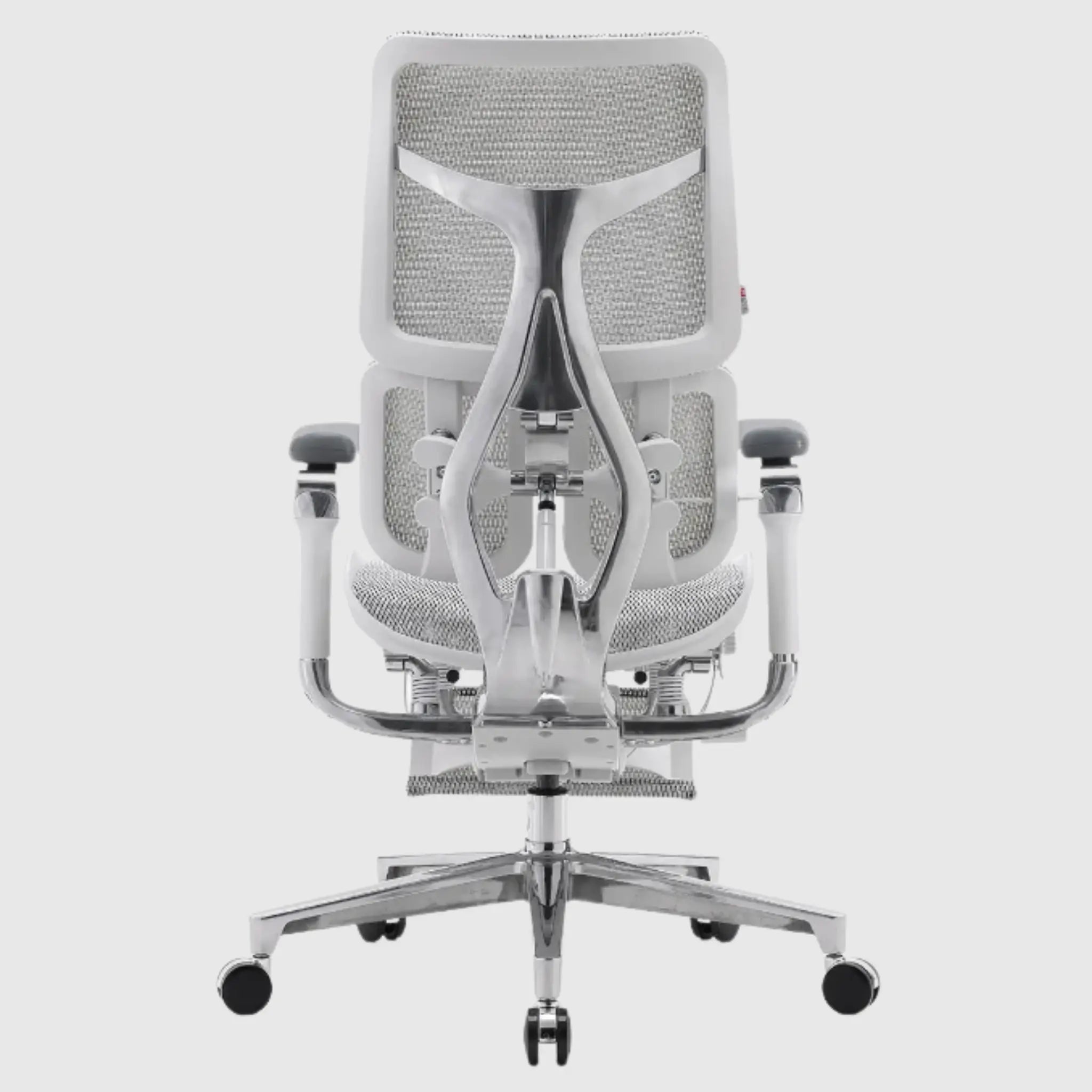
Sihoo DORO S300 Mesh Ergonomic Chair with Back Support and Footrest
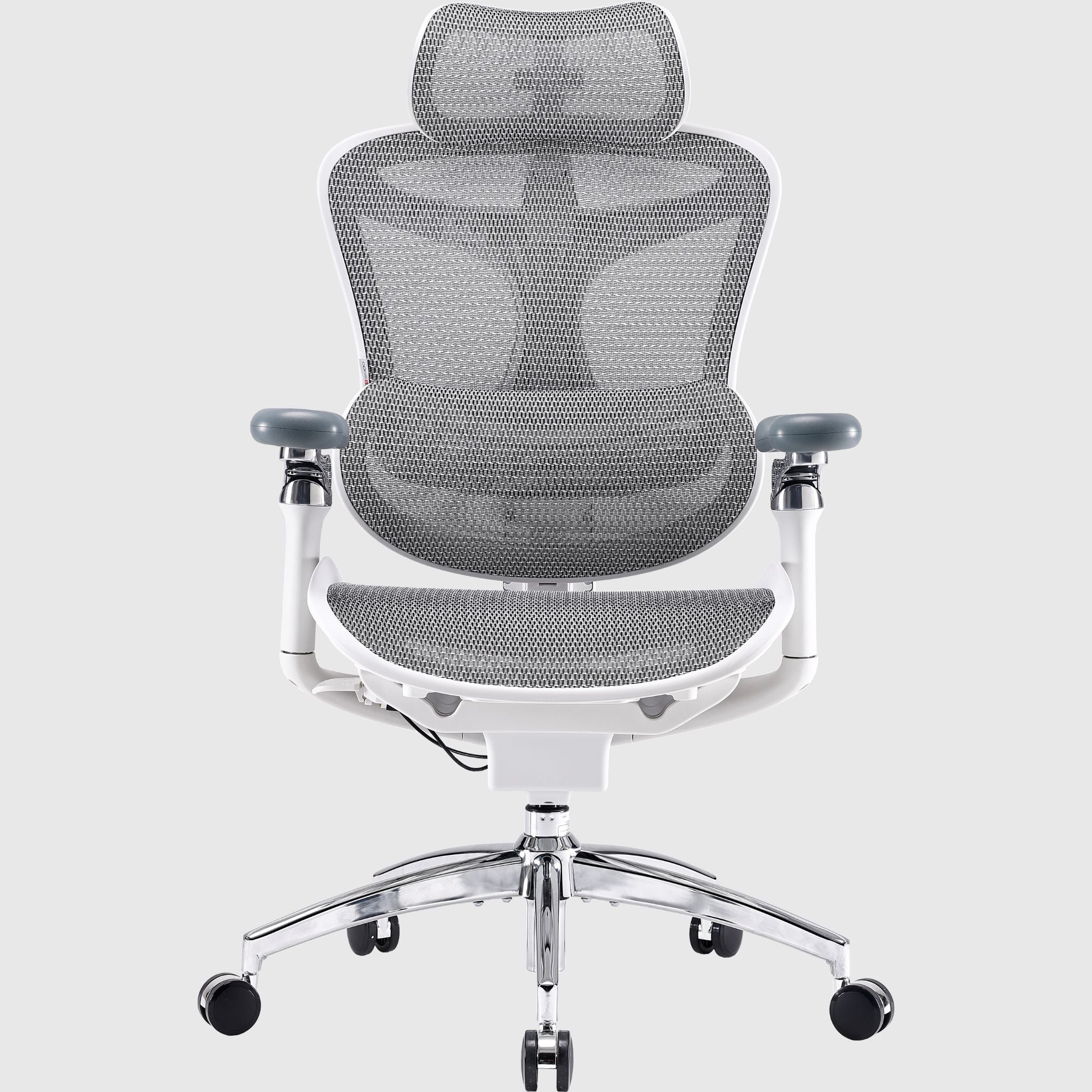
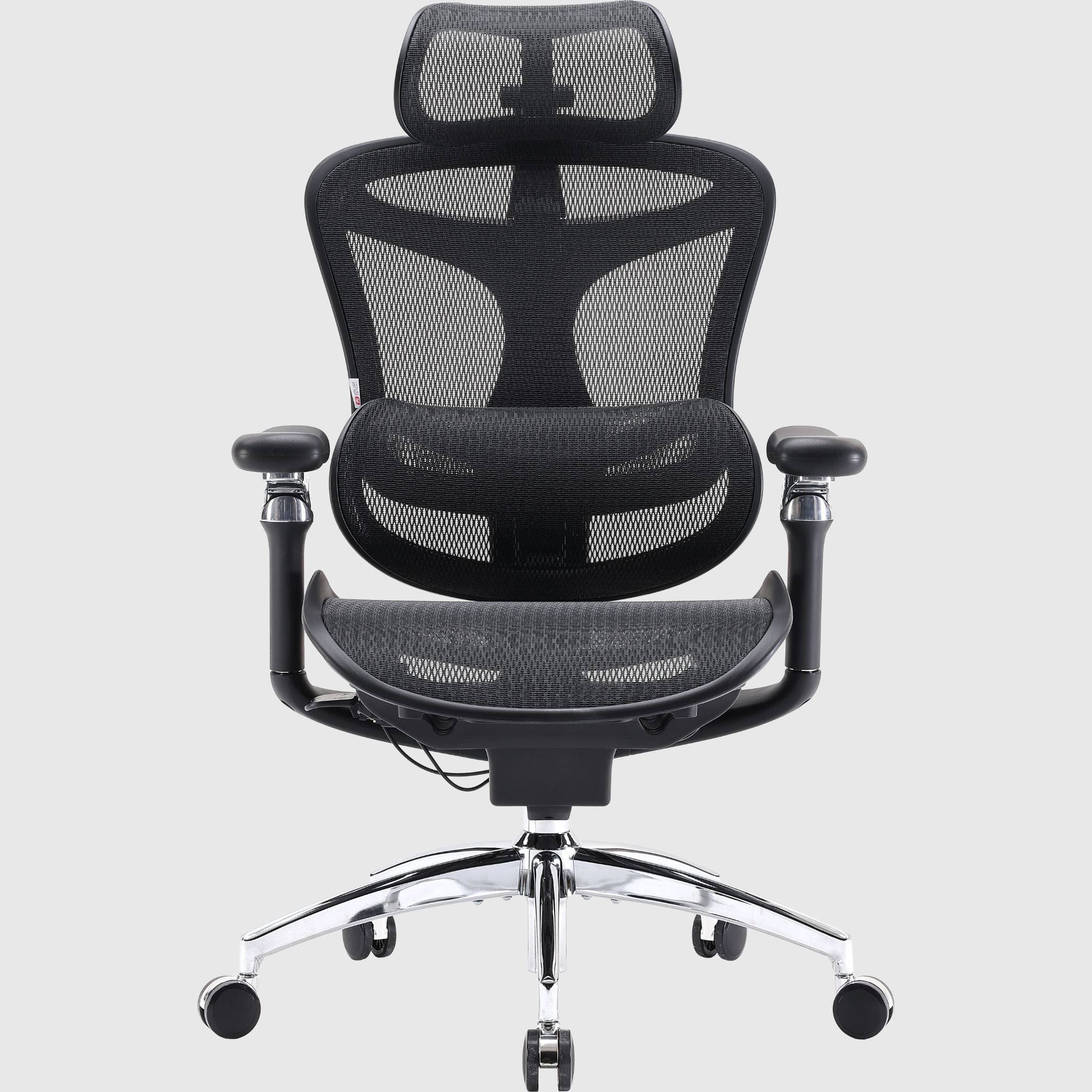
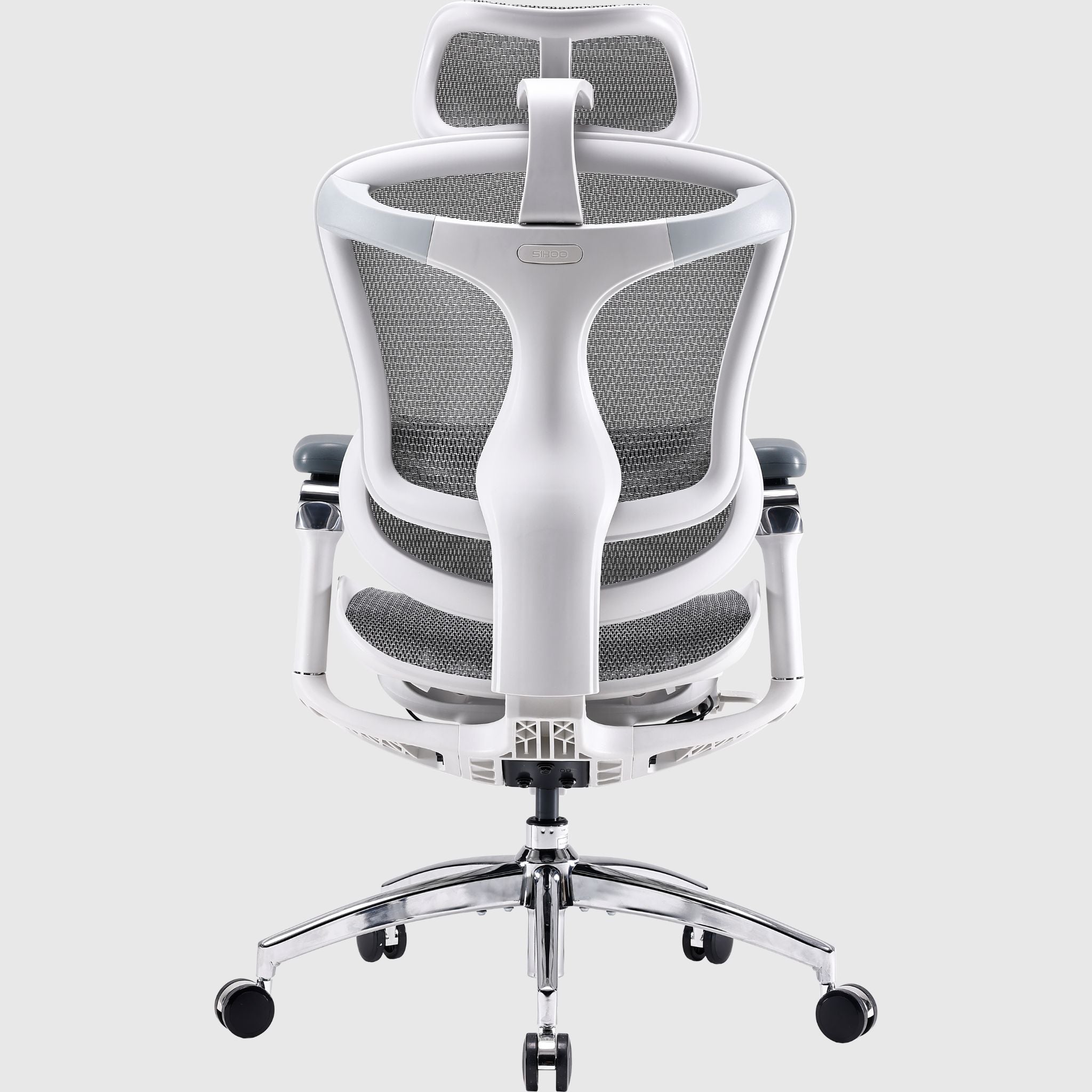
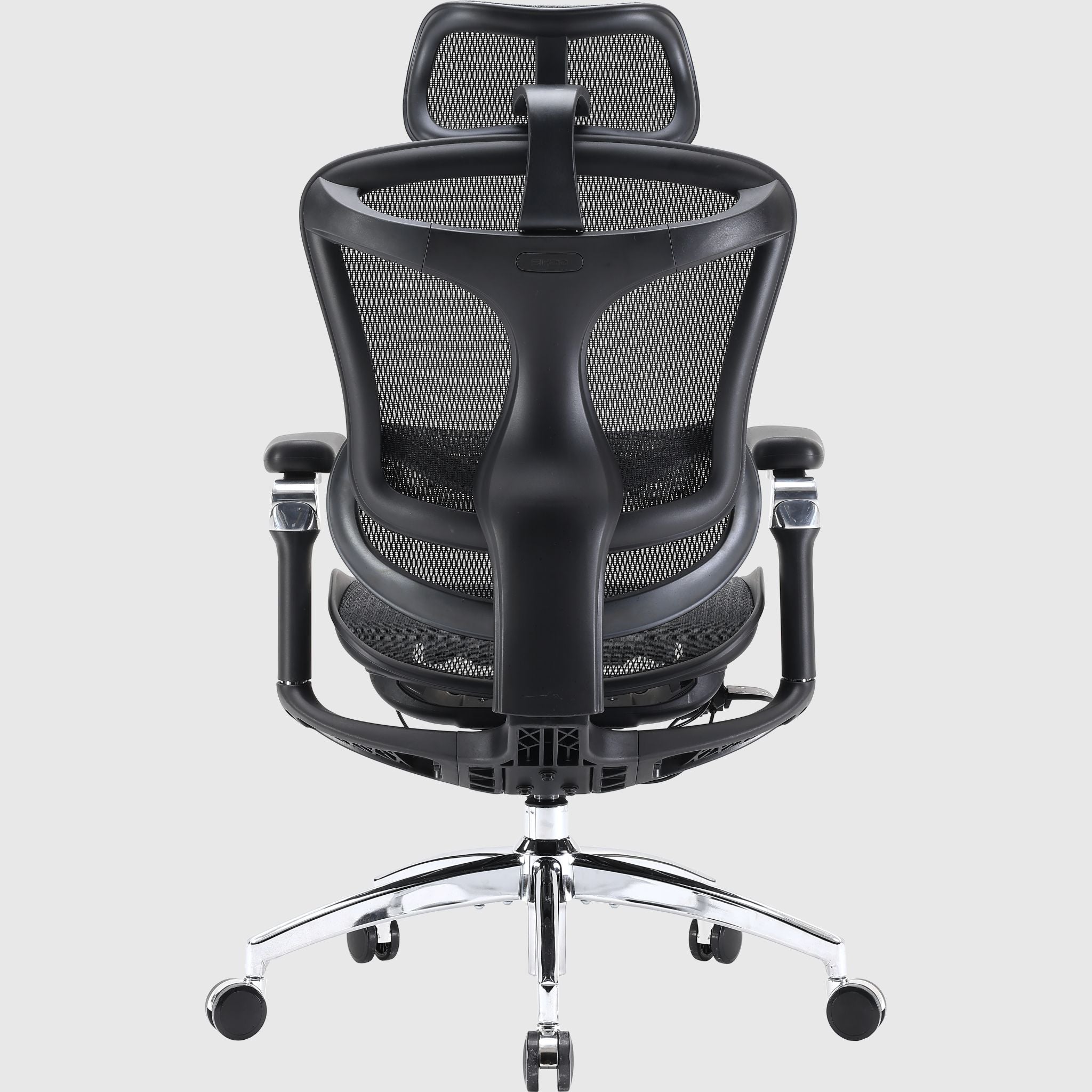
Sihoo DORO C300 Pro Mesh Ergonomic Office Chair for Back and Comfort
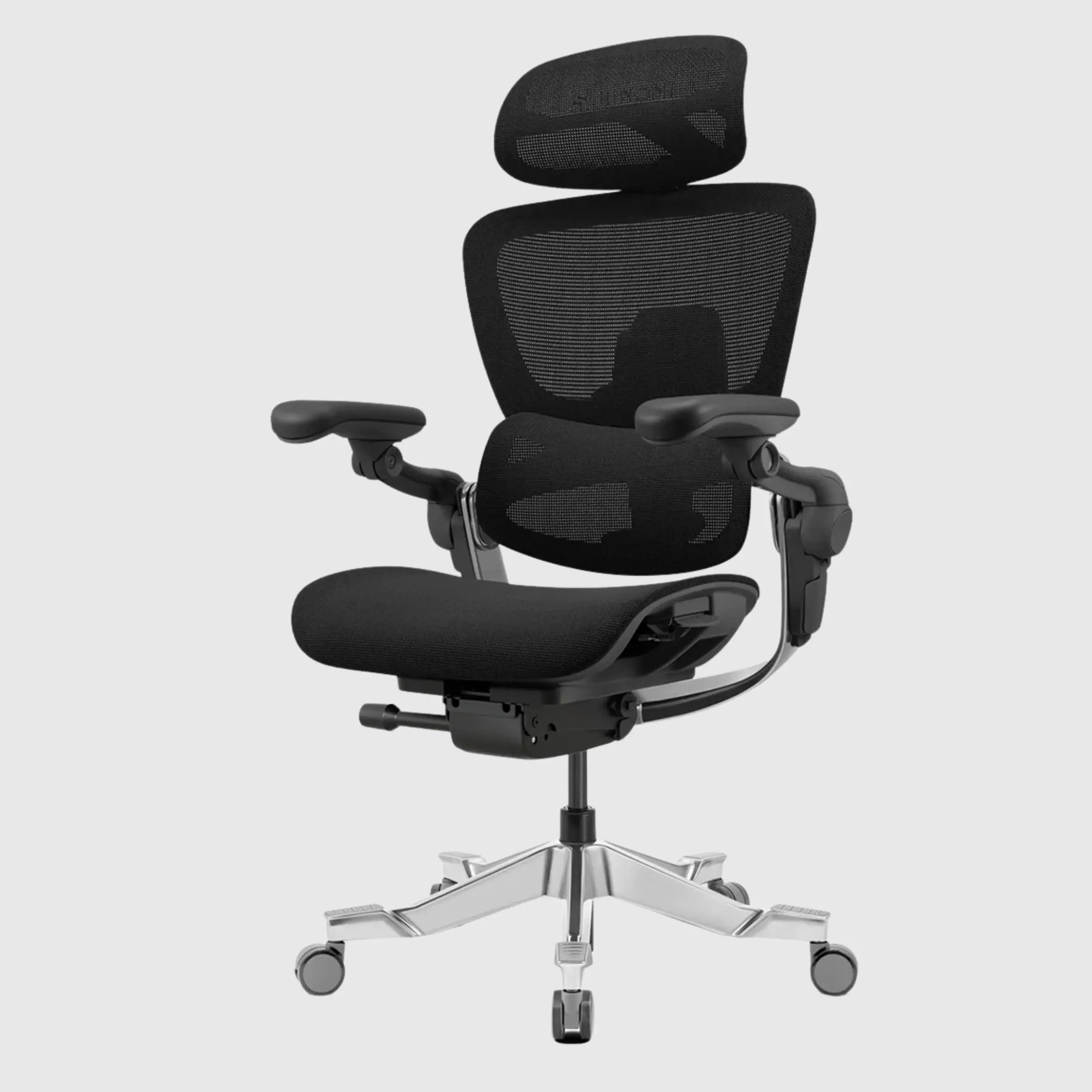
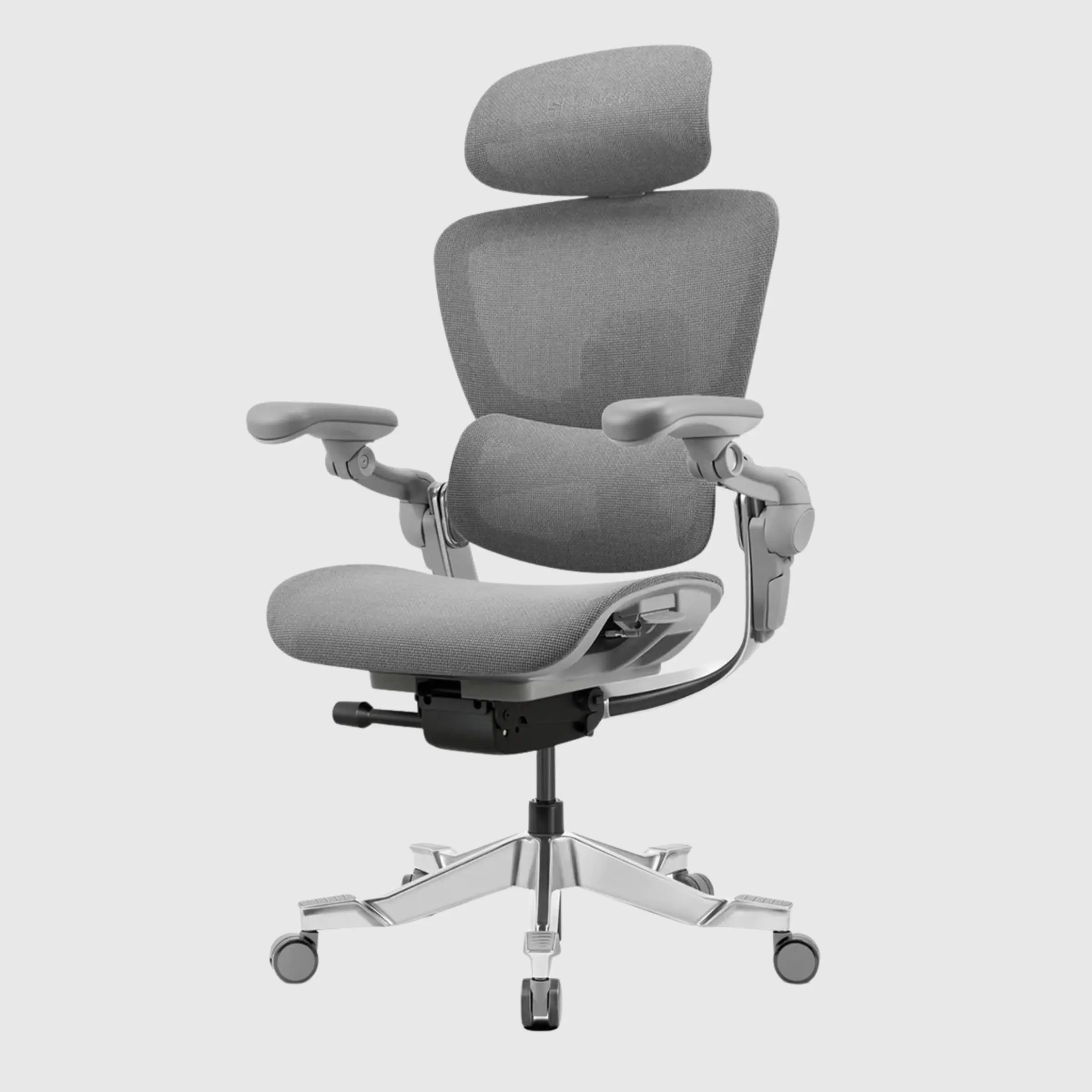
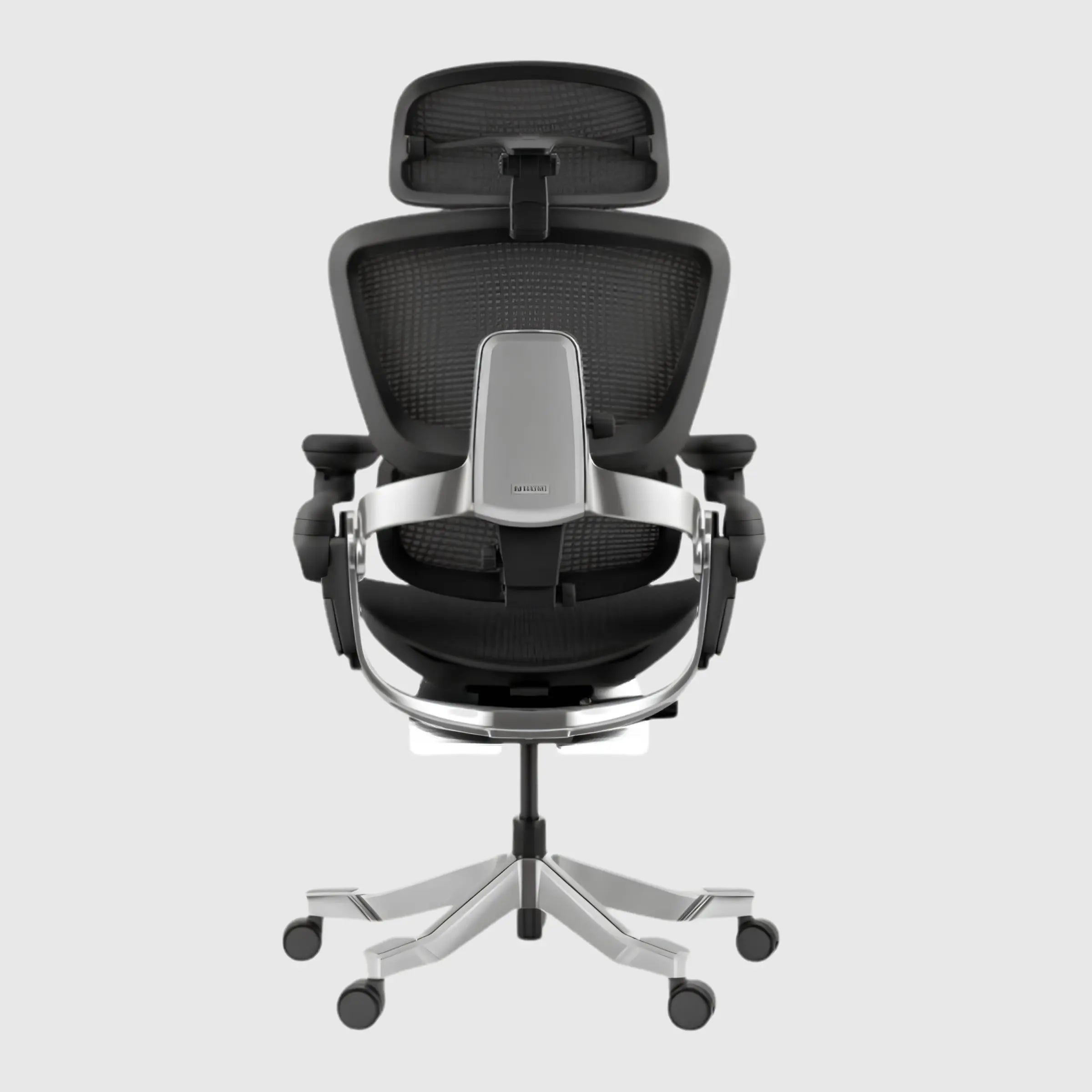
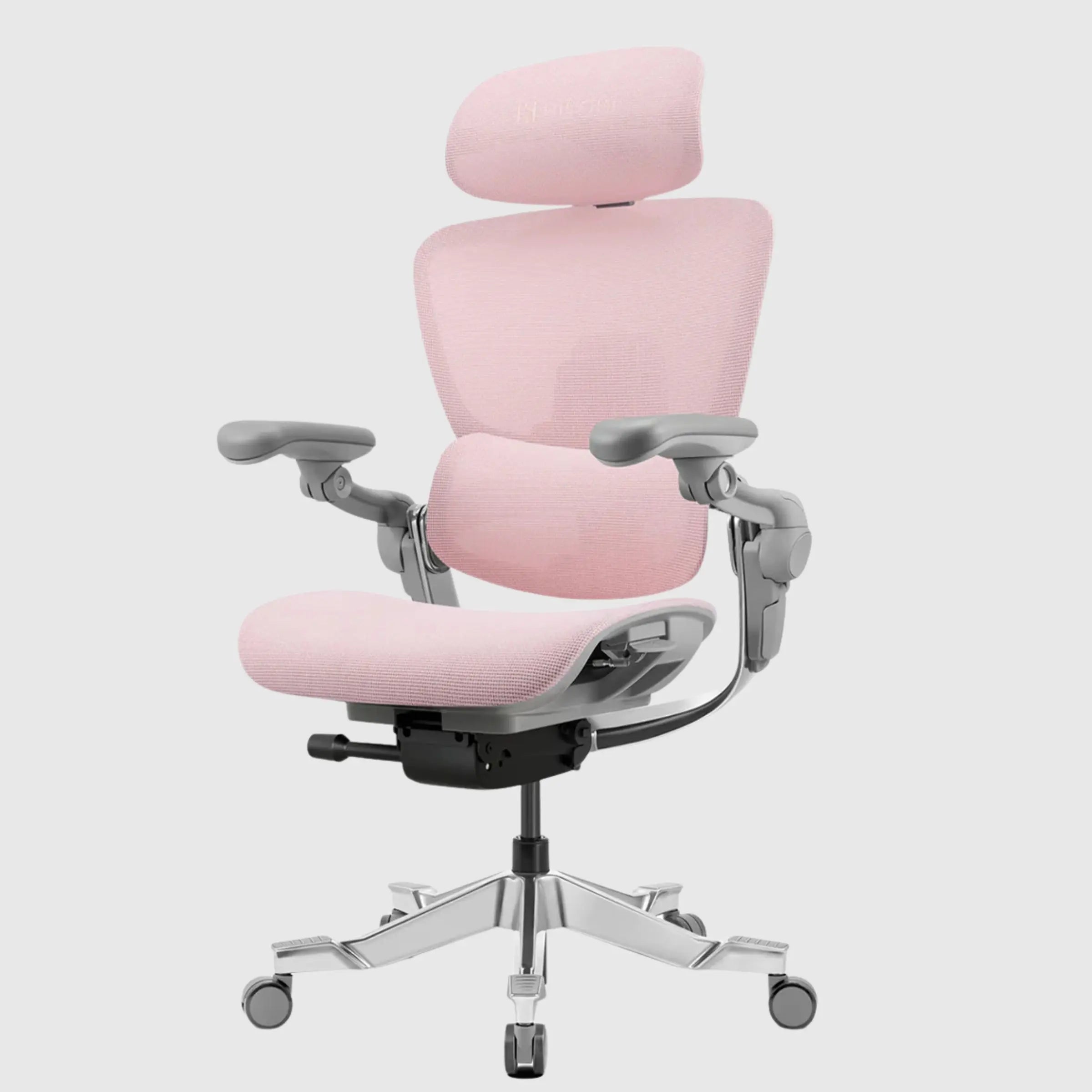


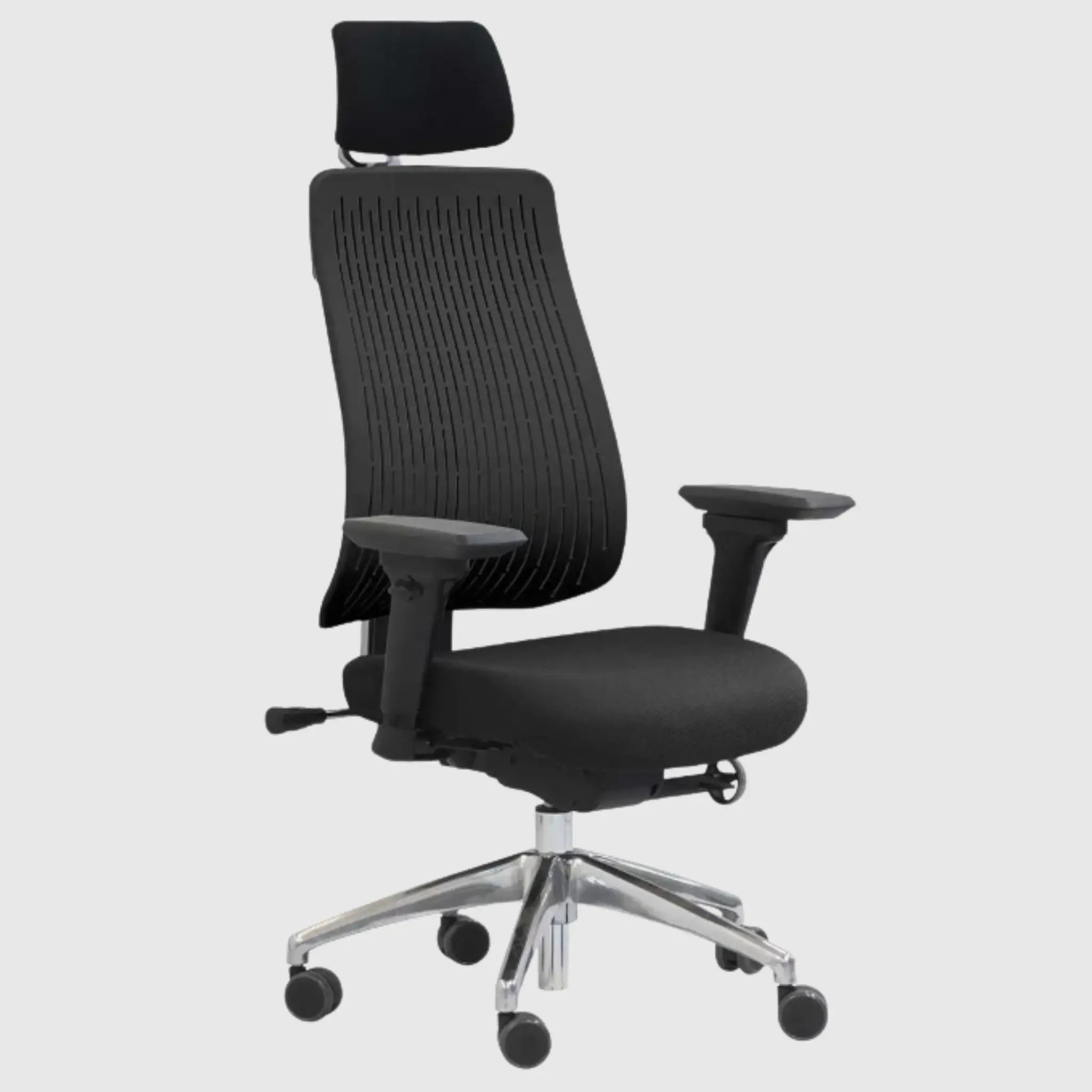
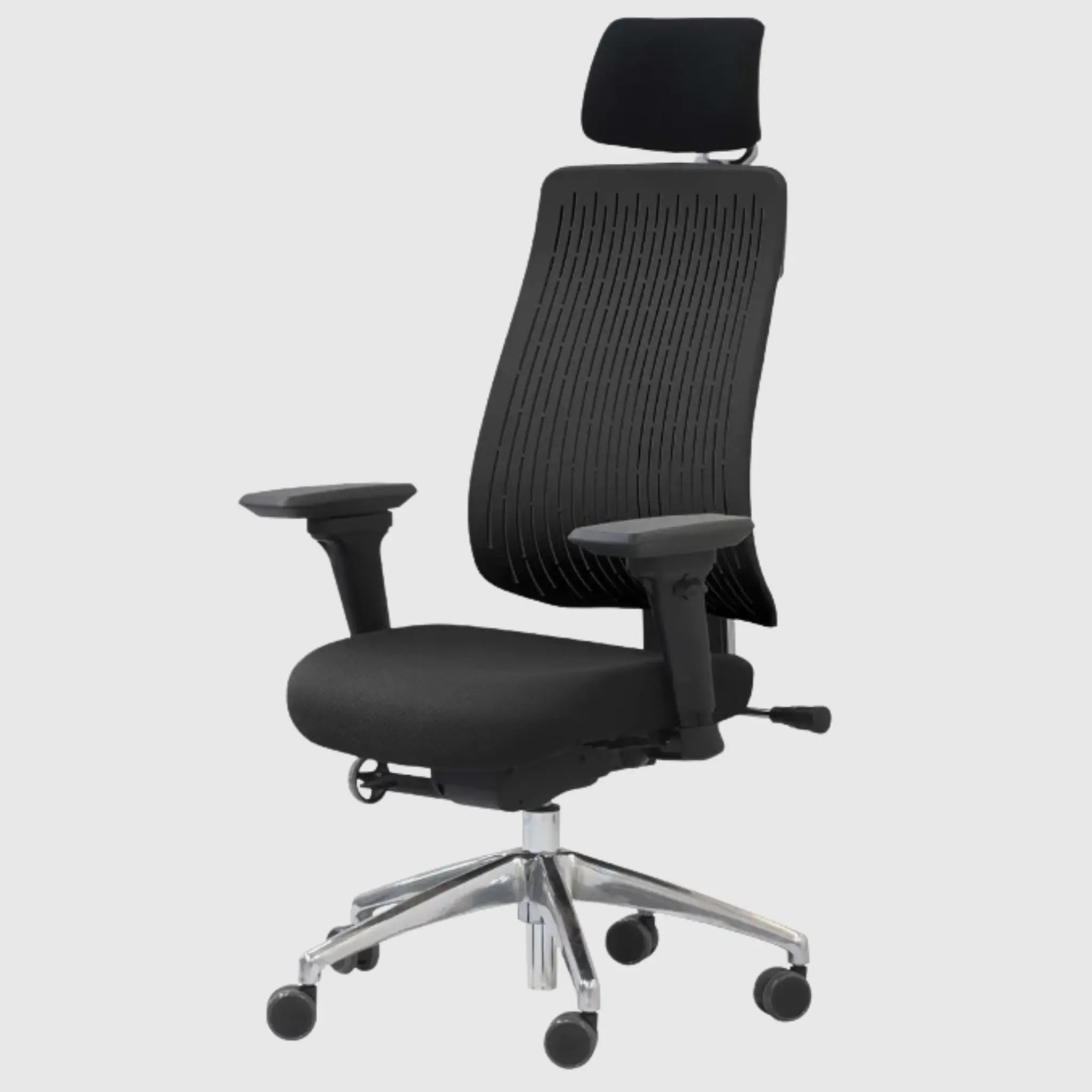
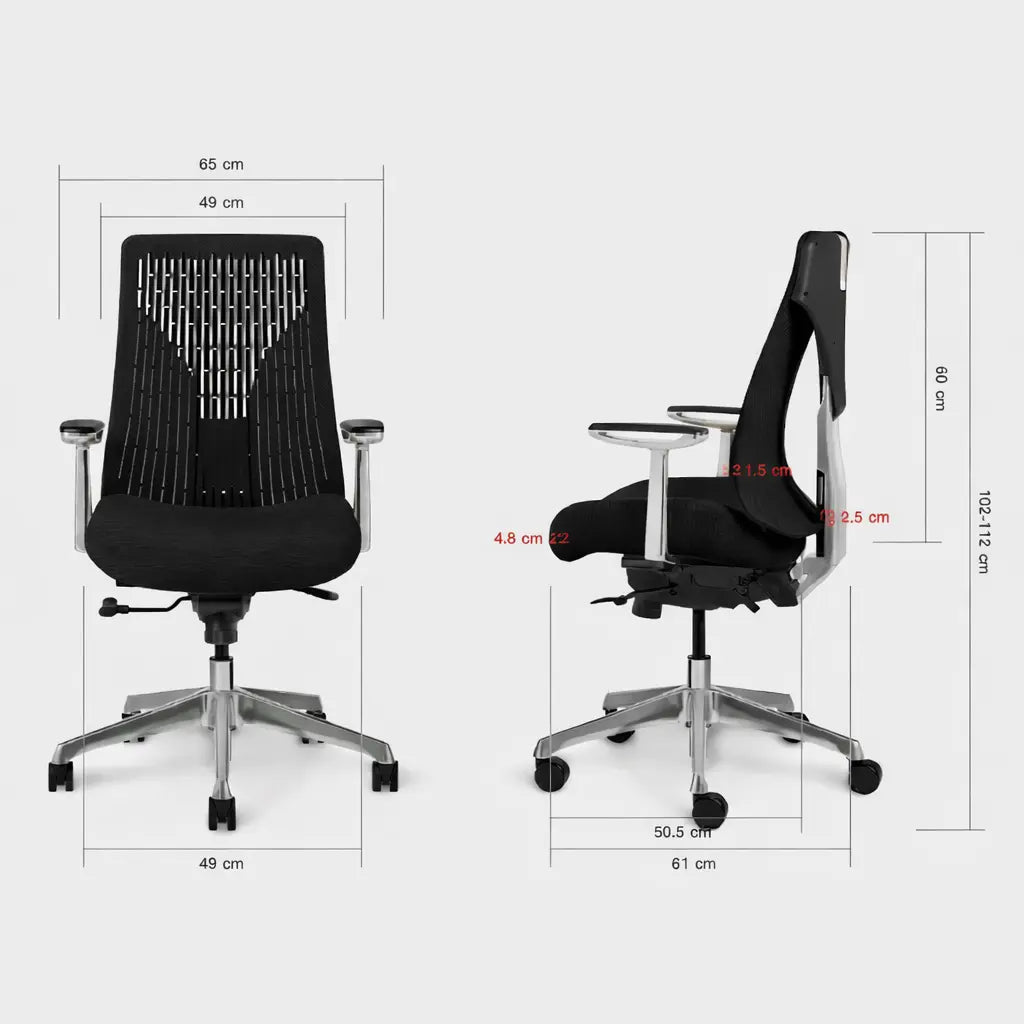
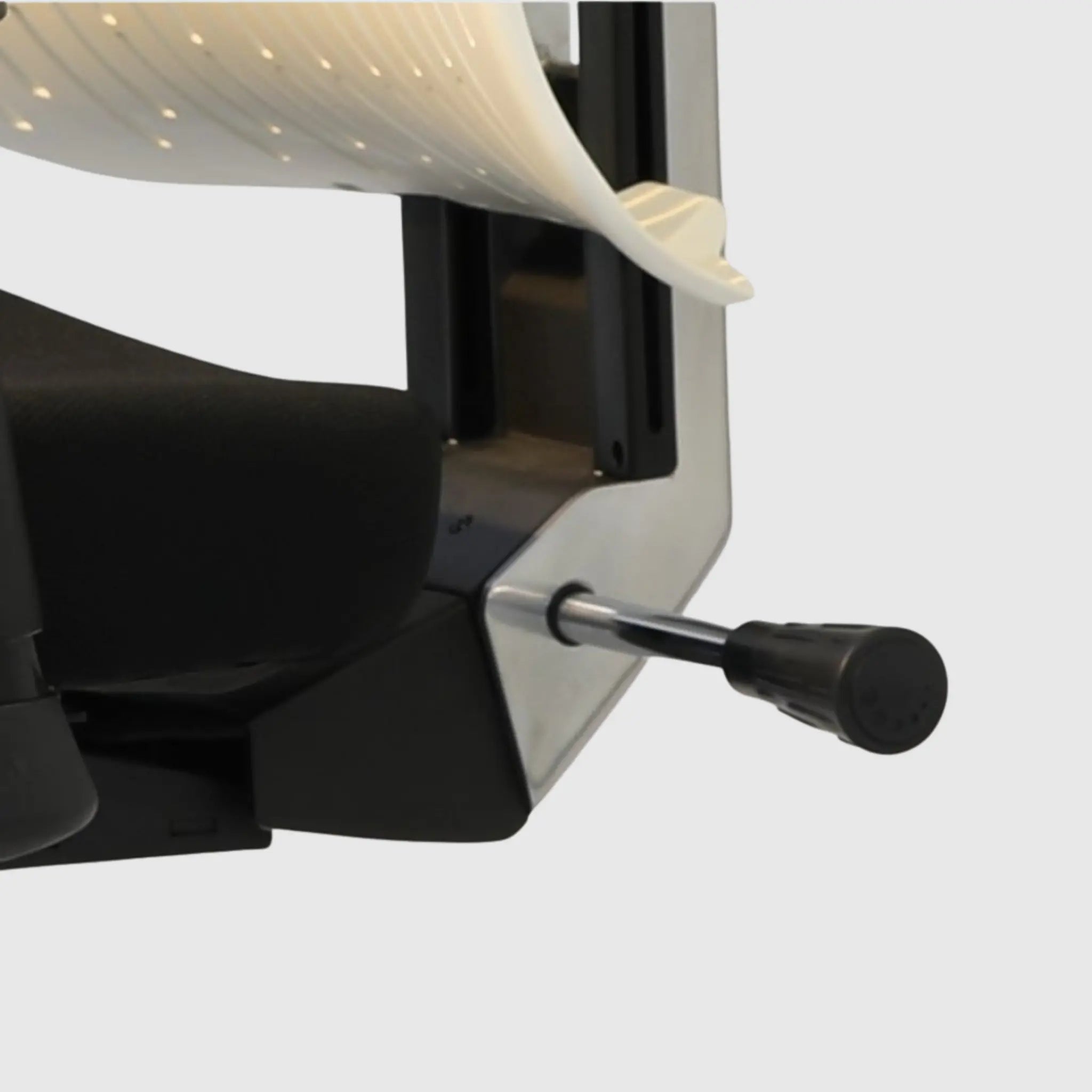
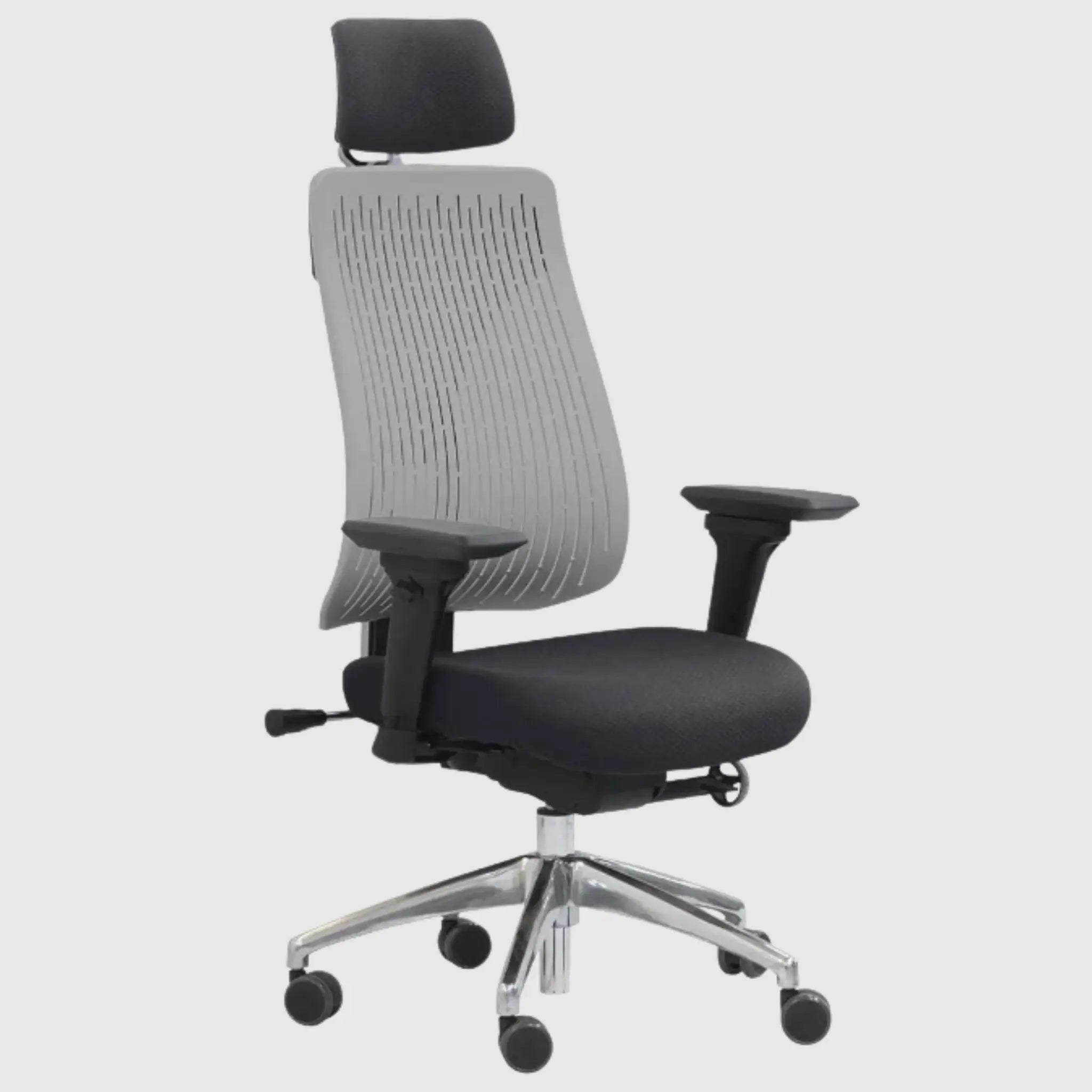
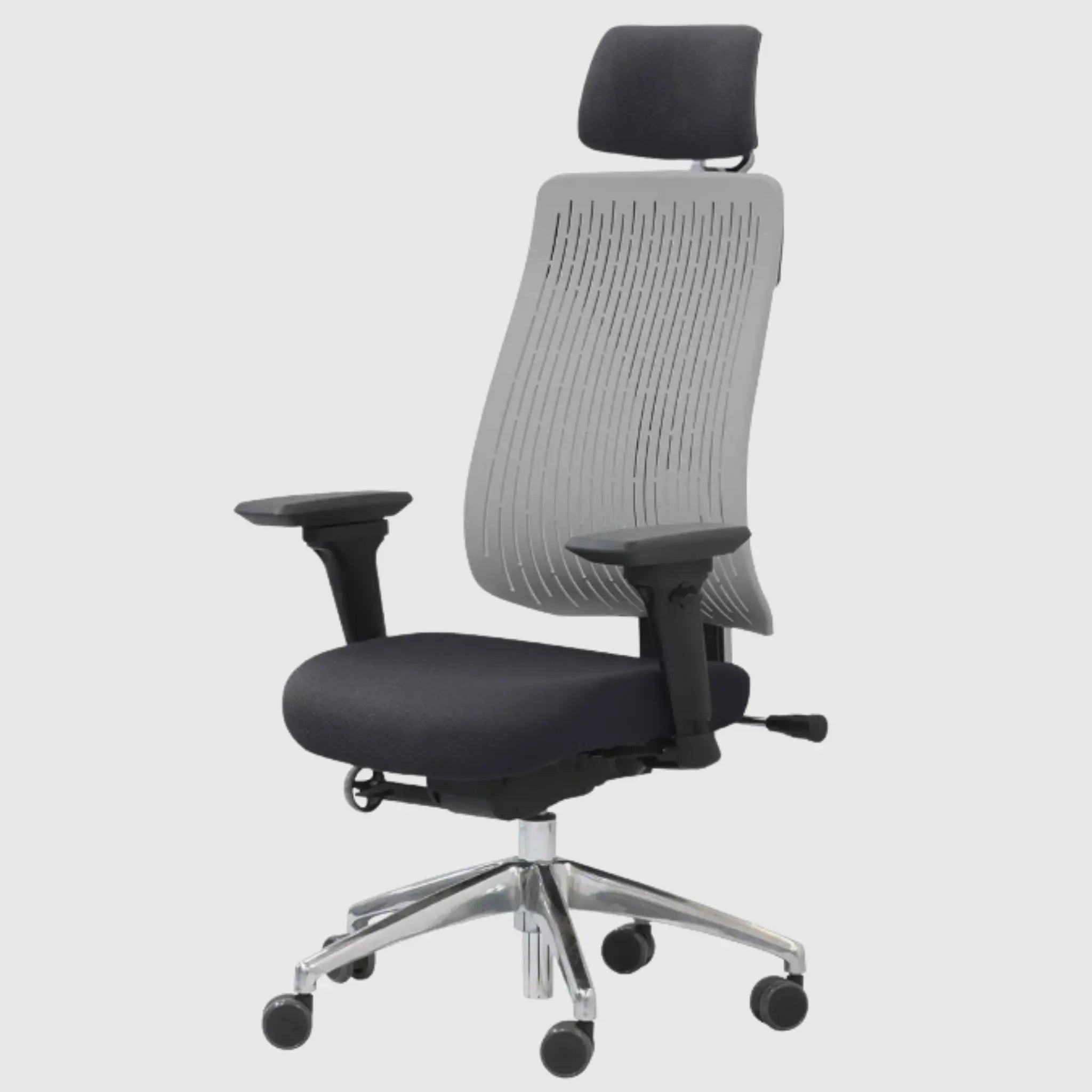
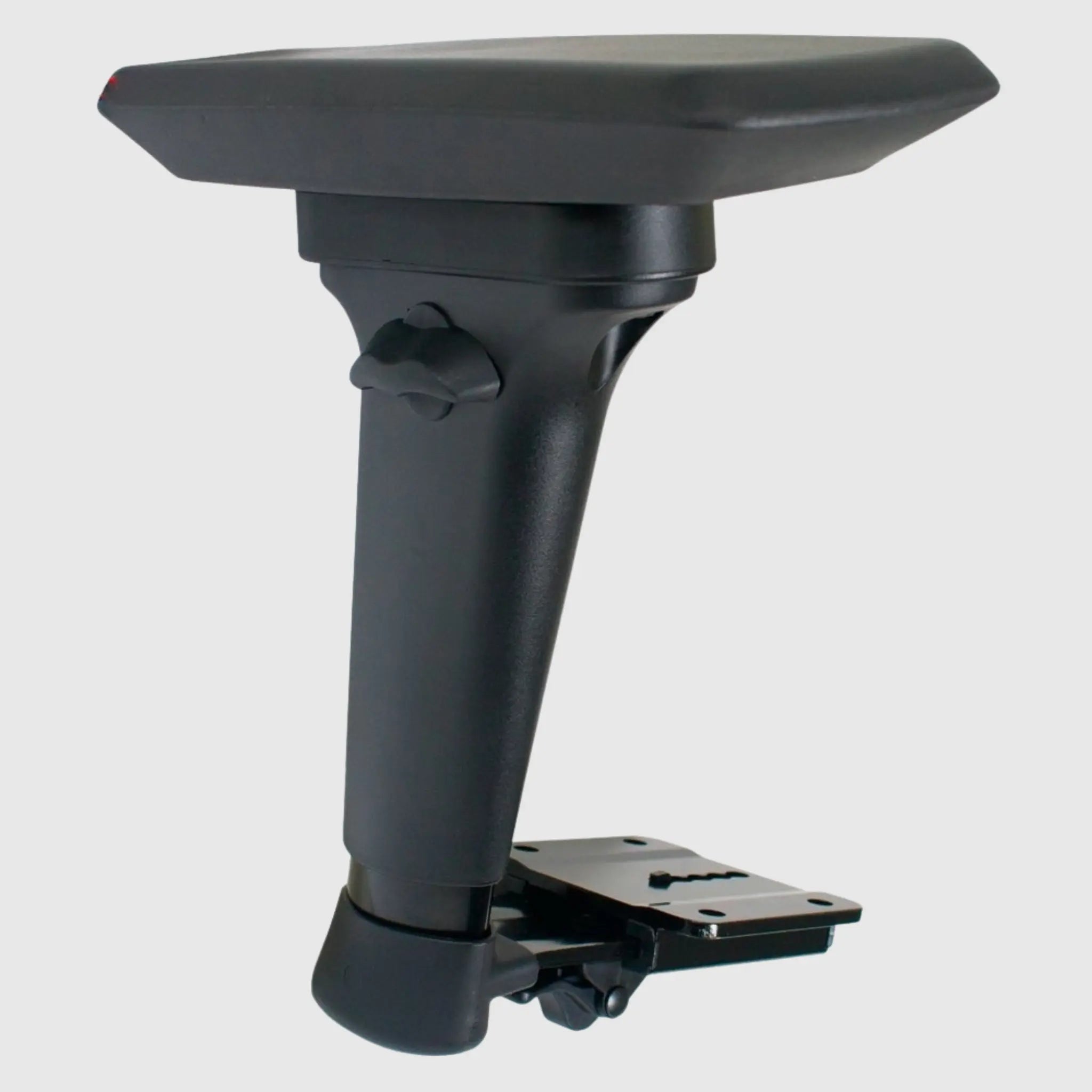
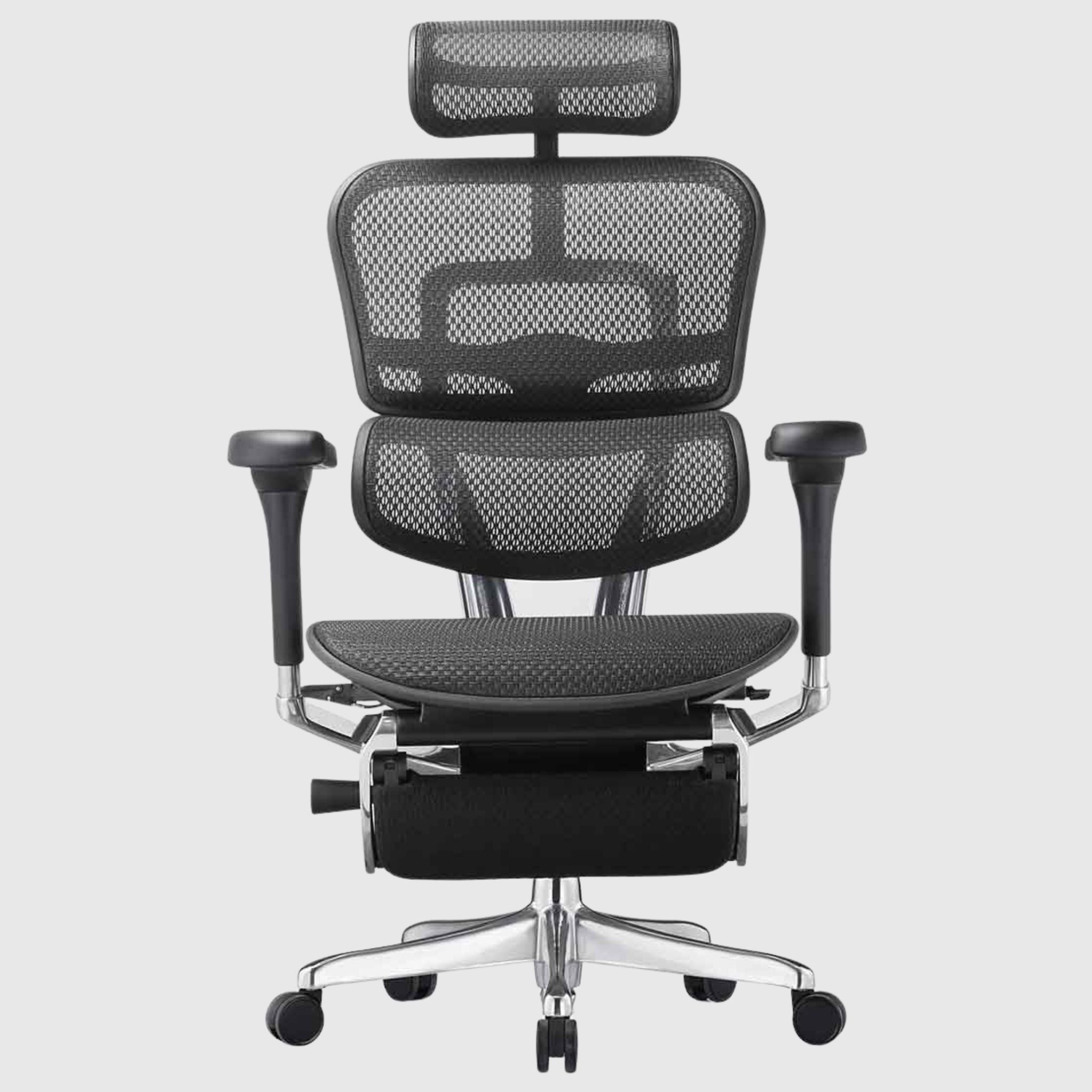
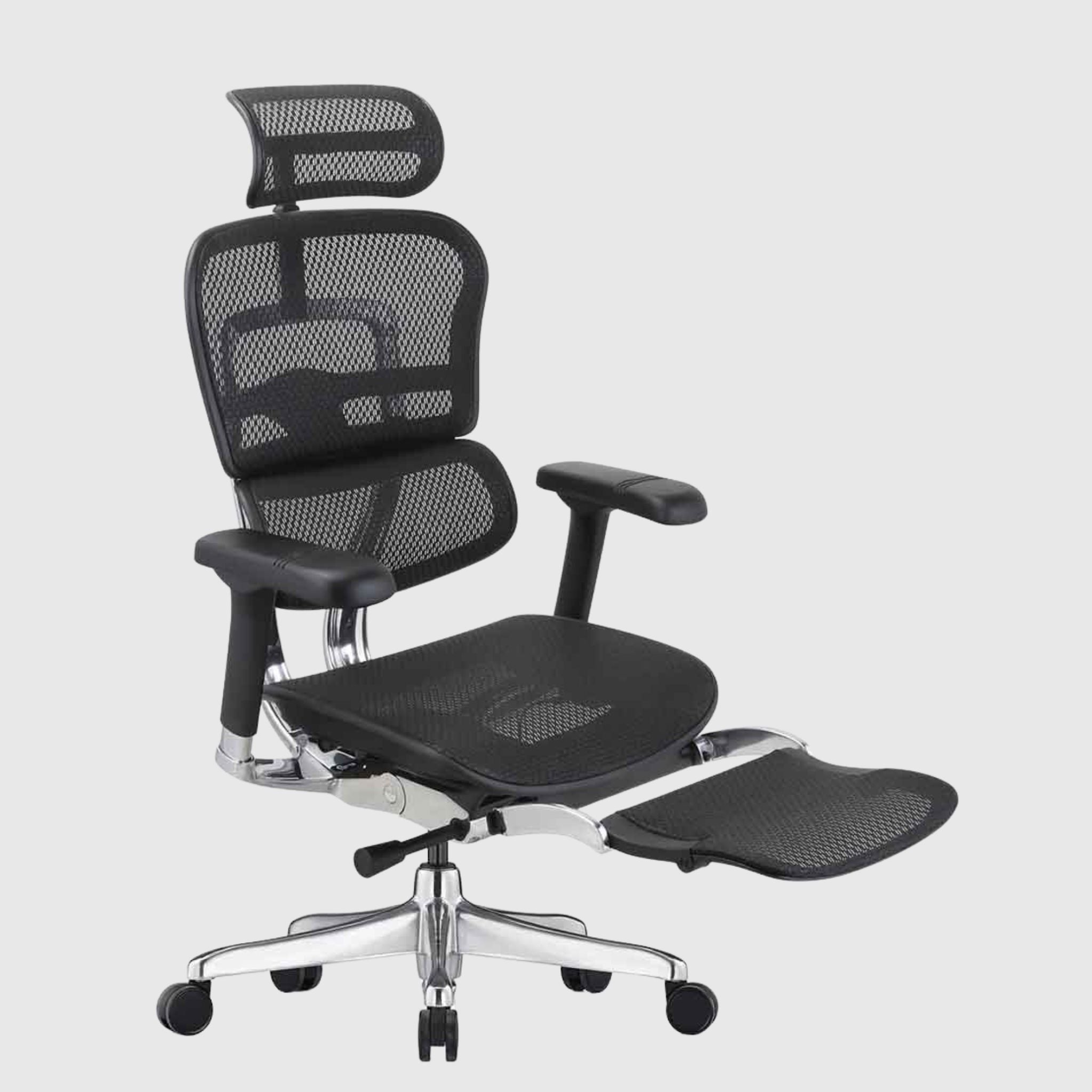
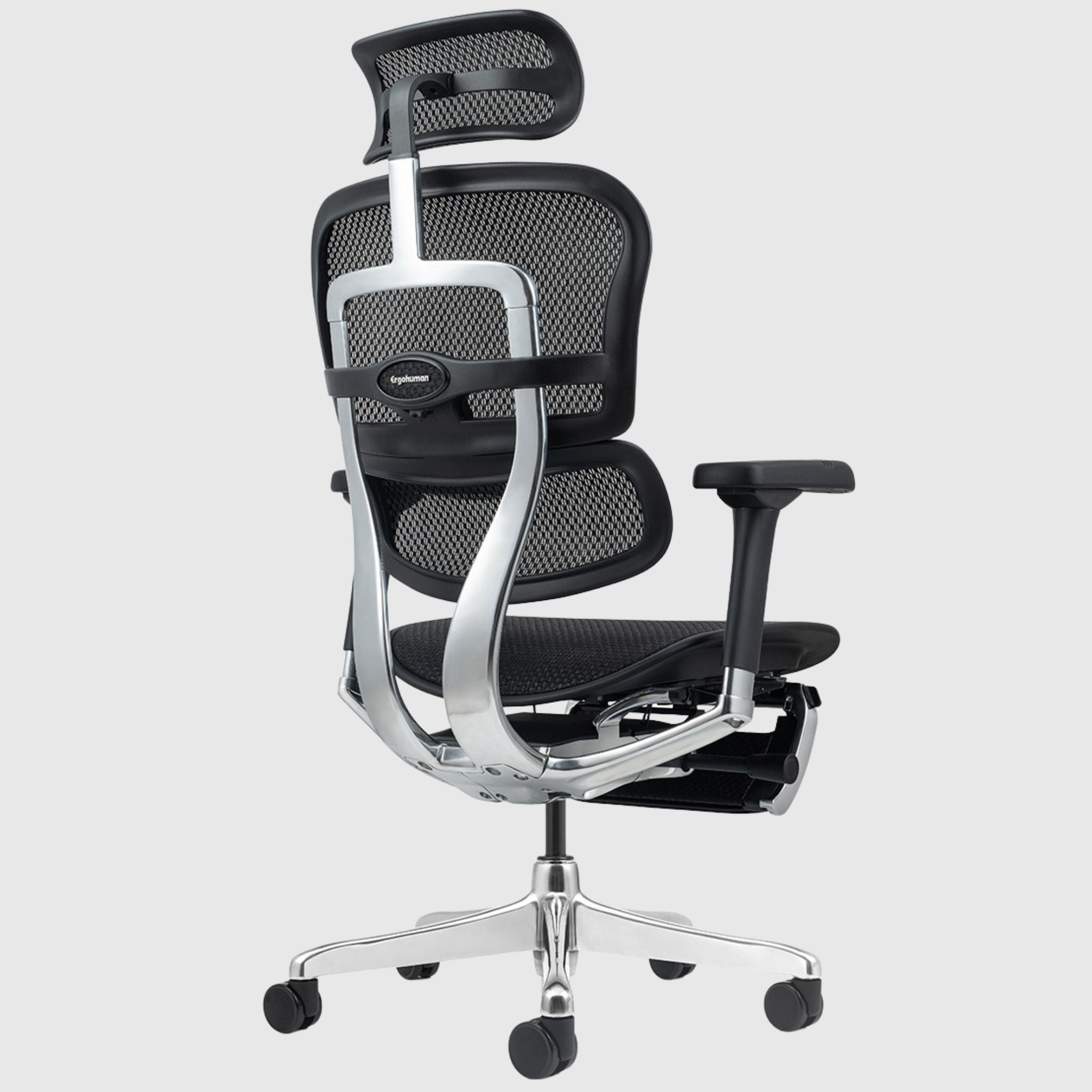
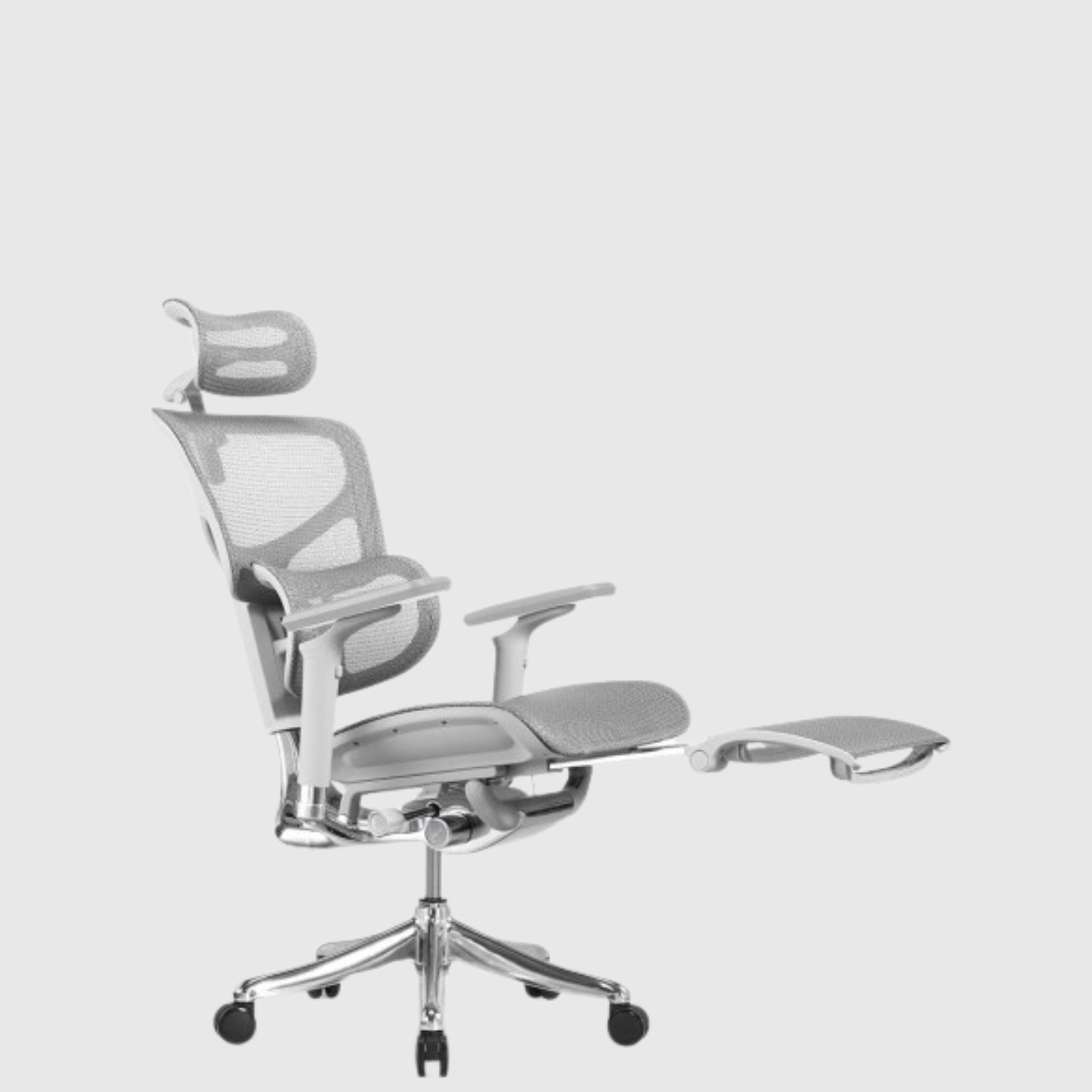
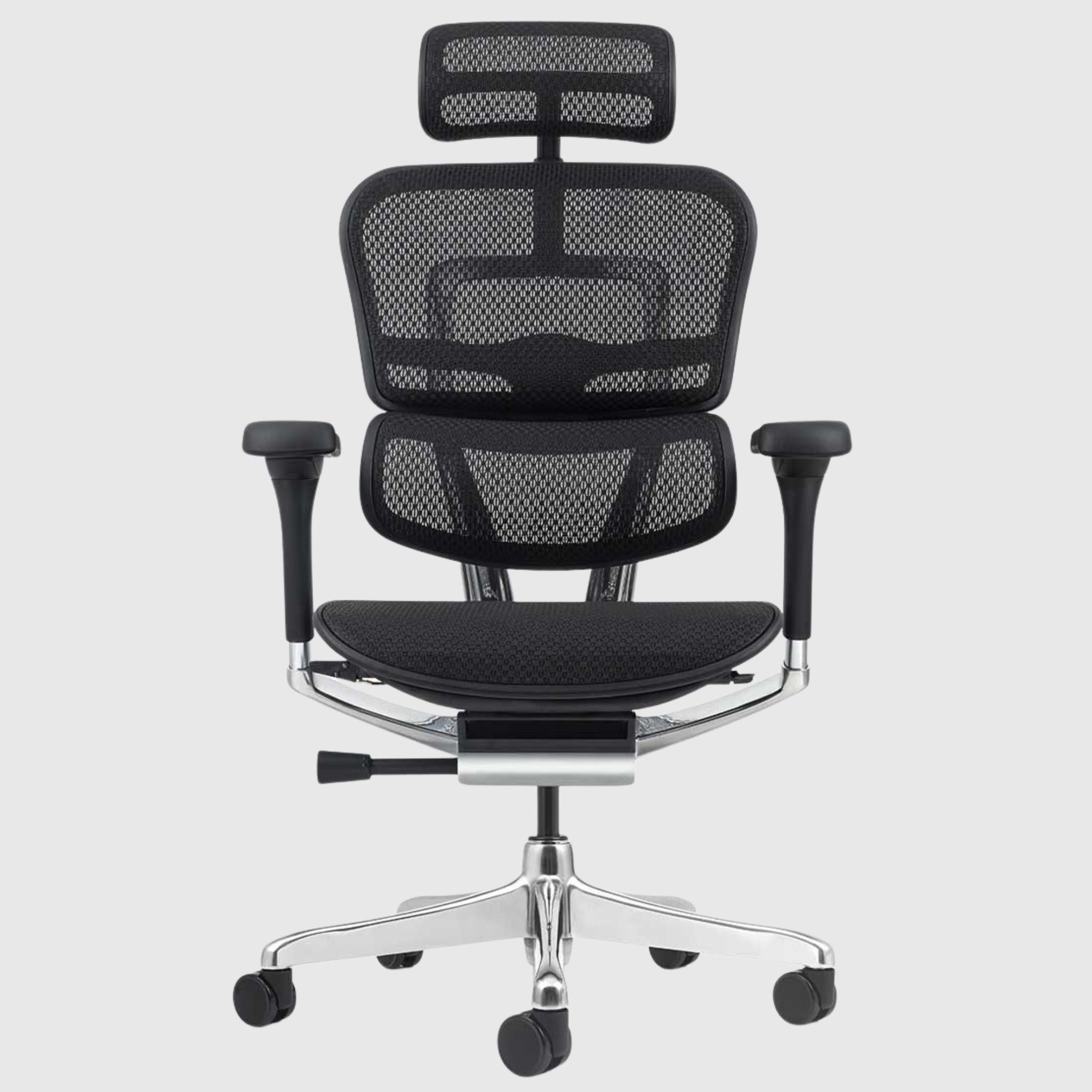
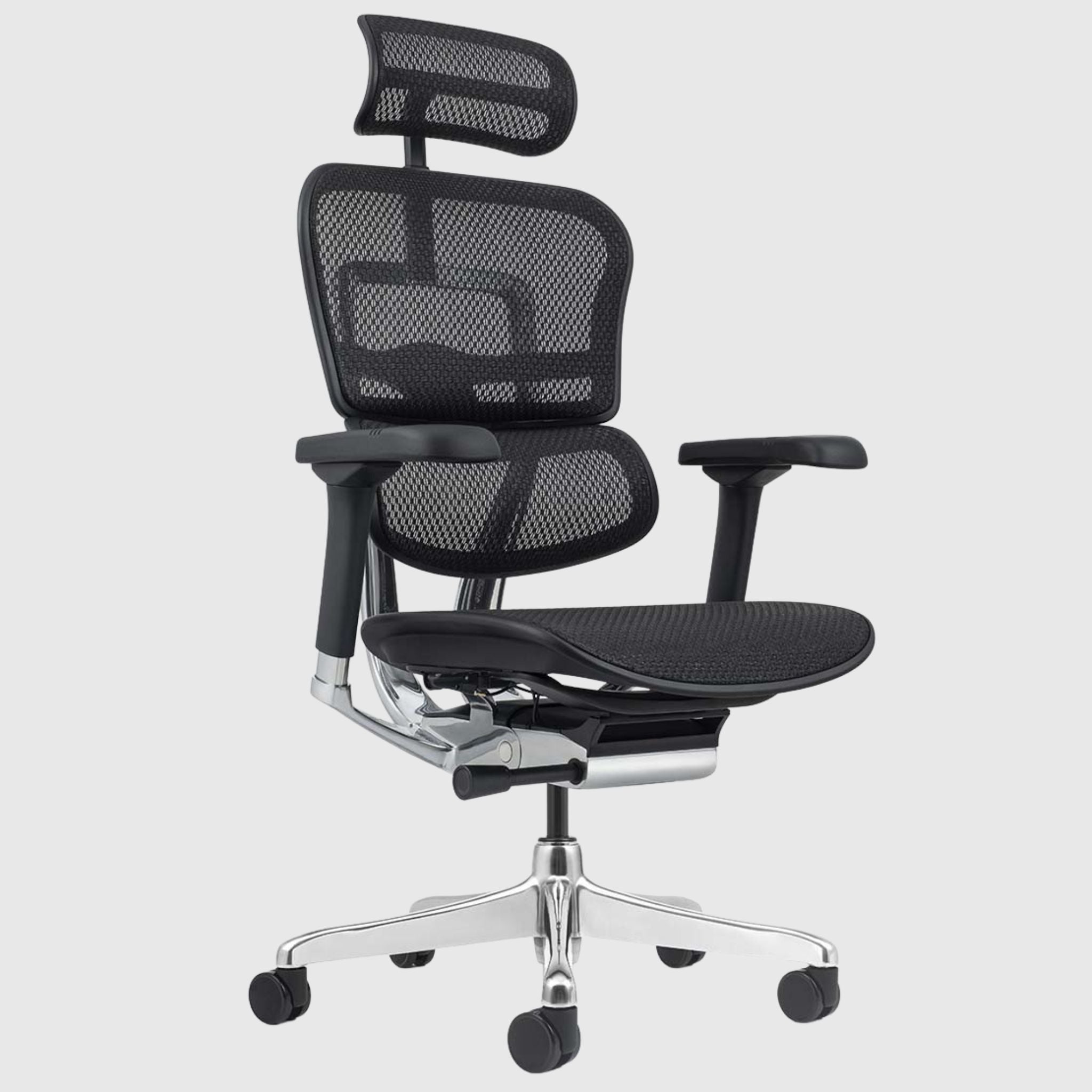
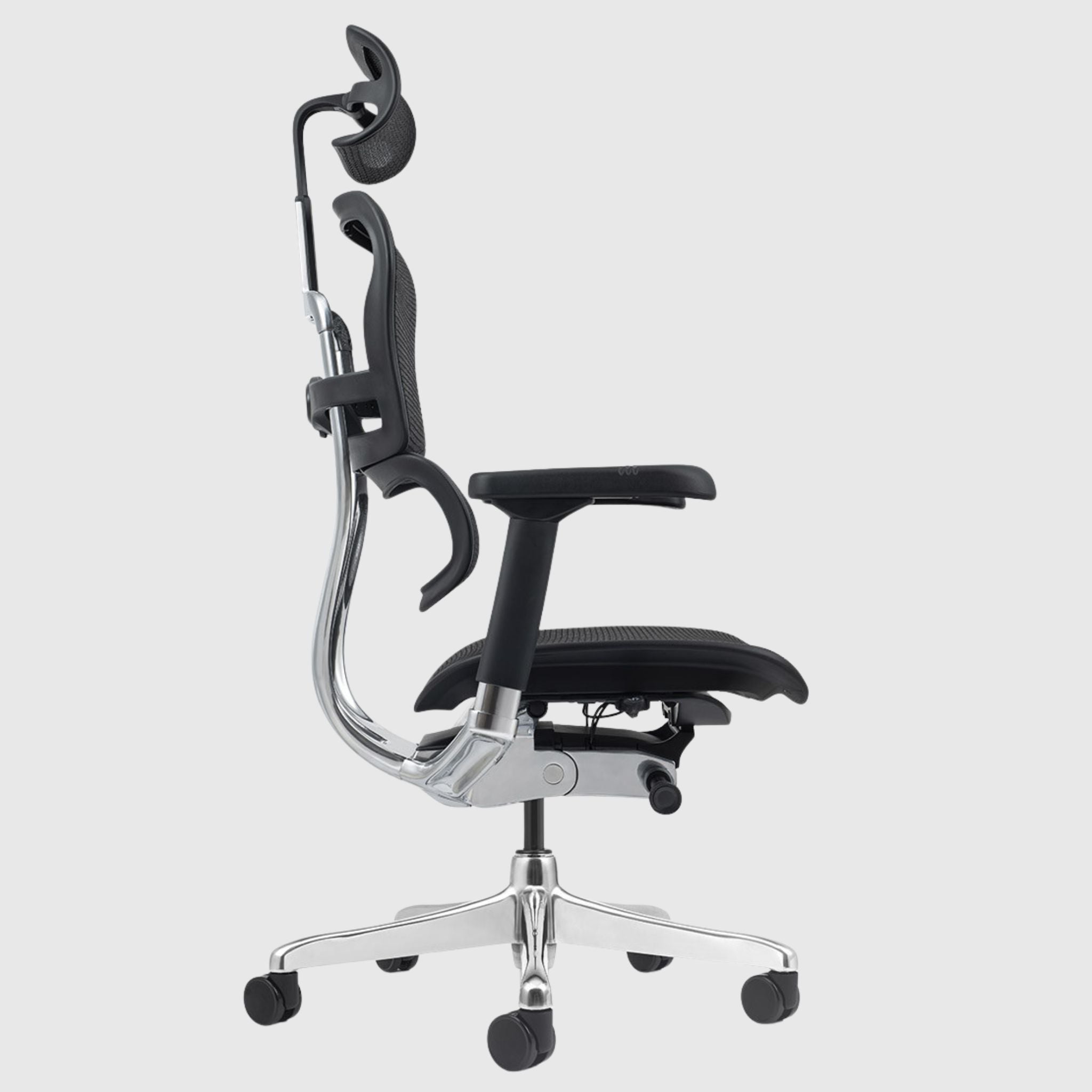
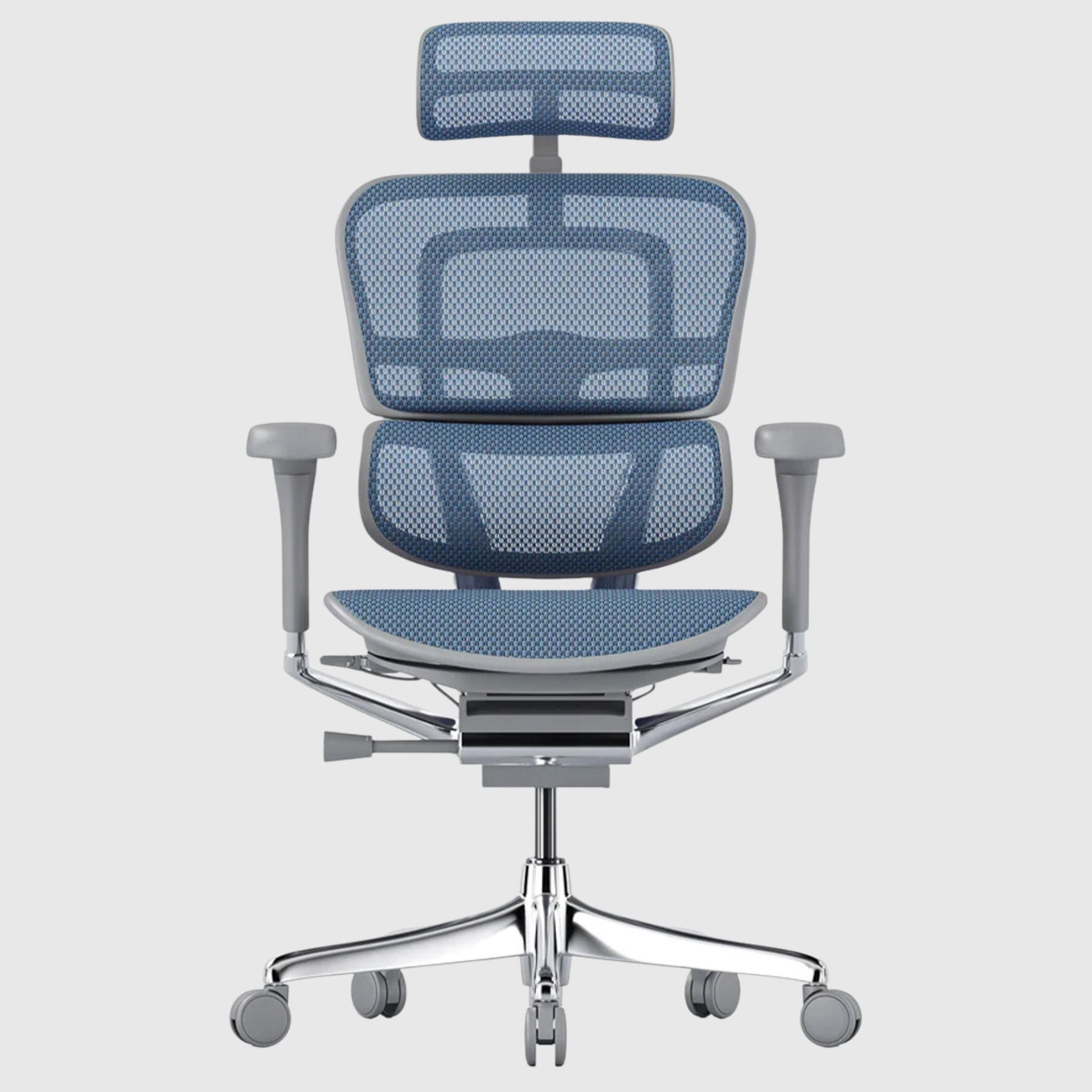
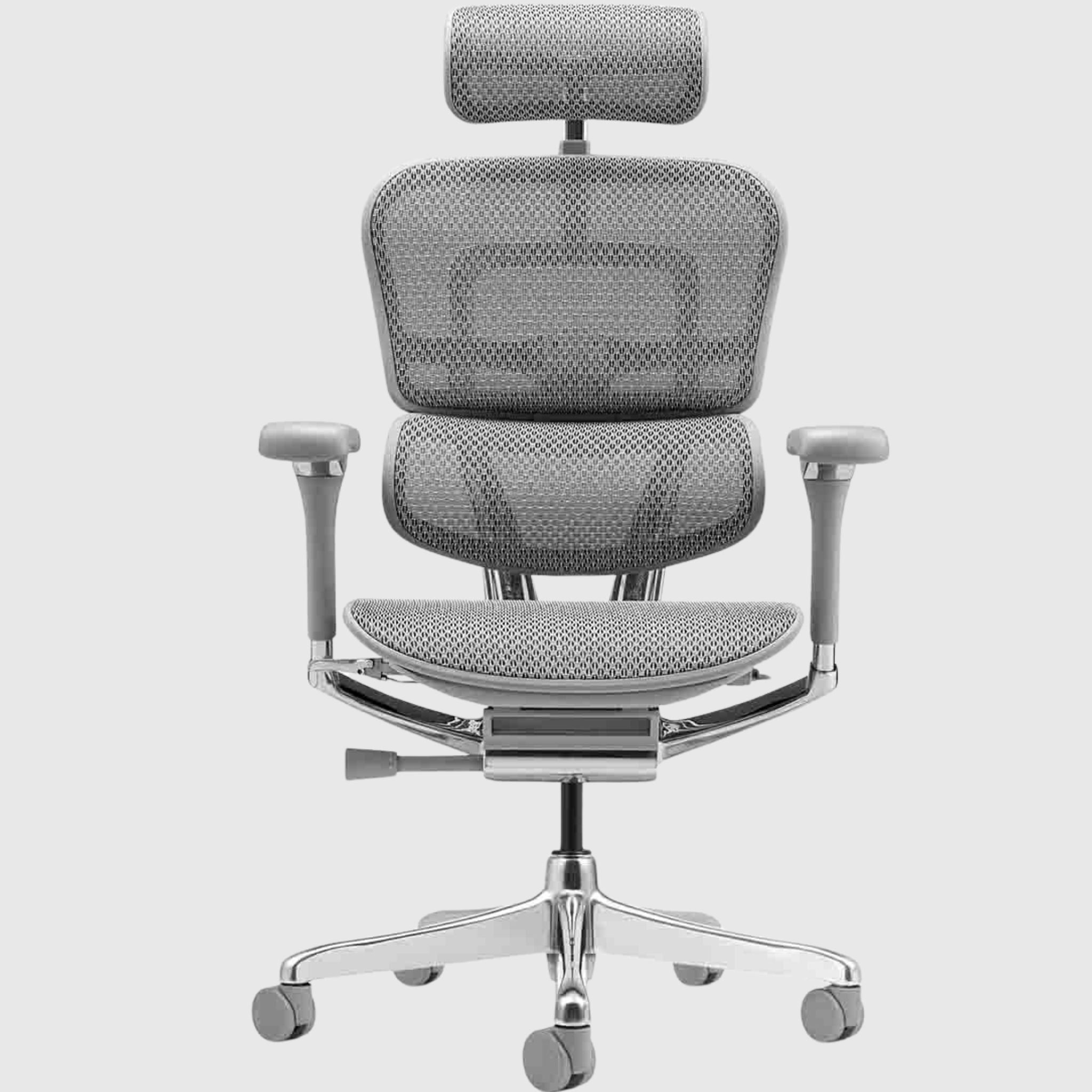
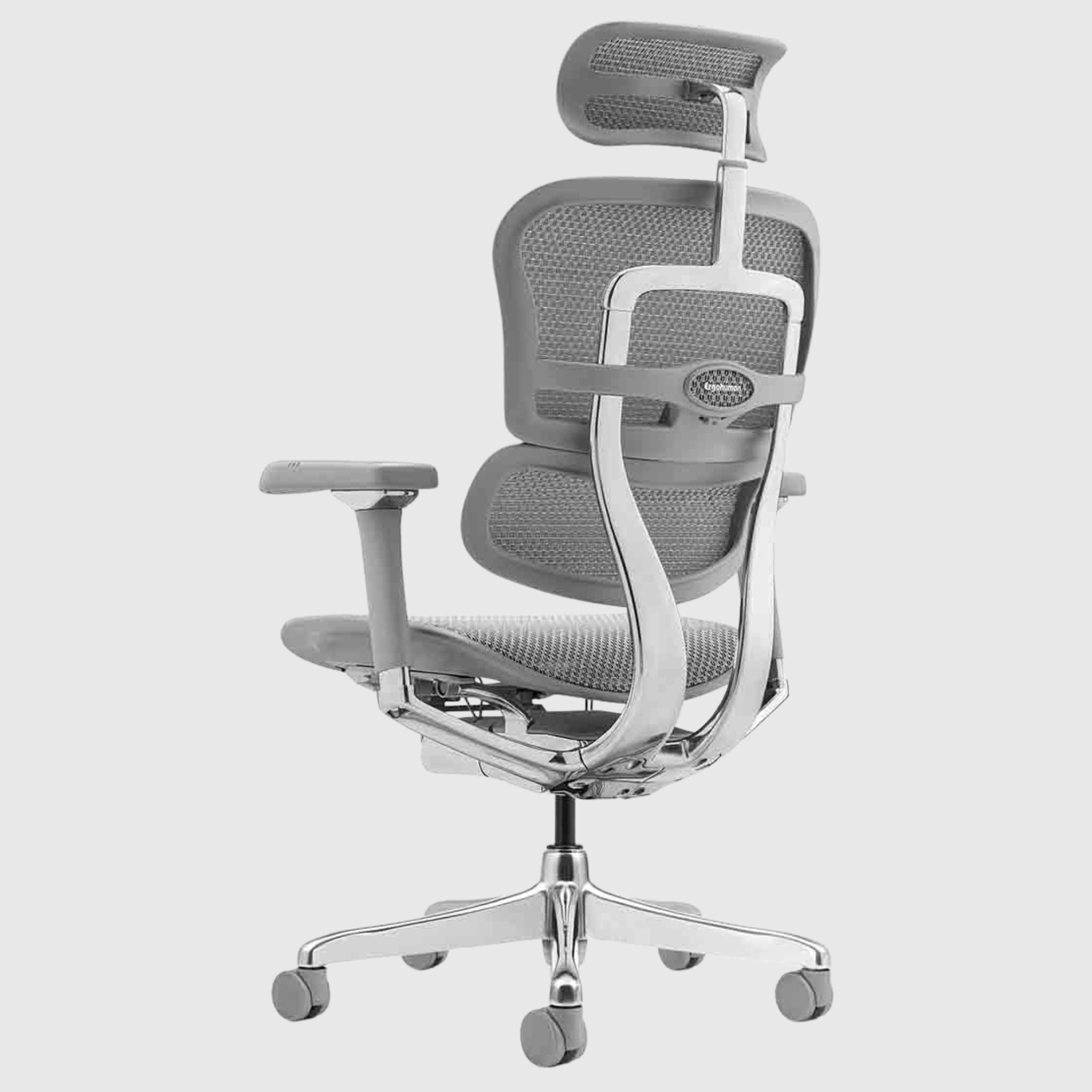
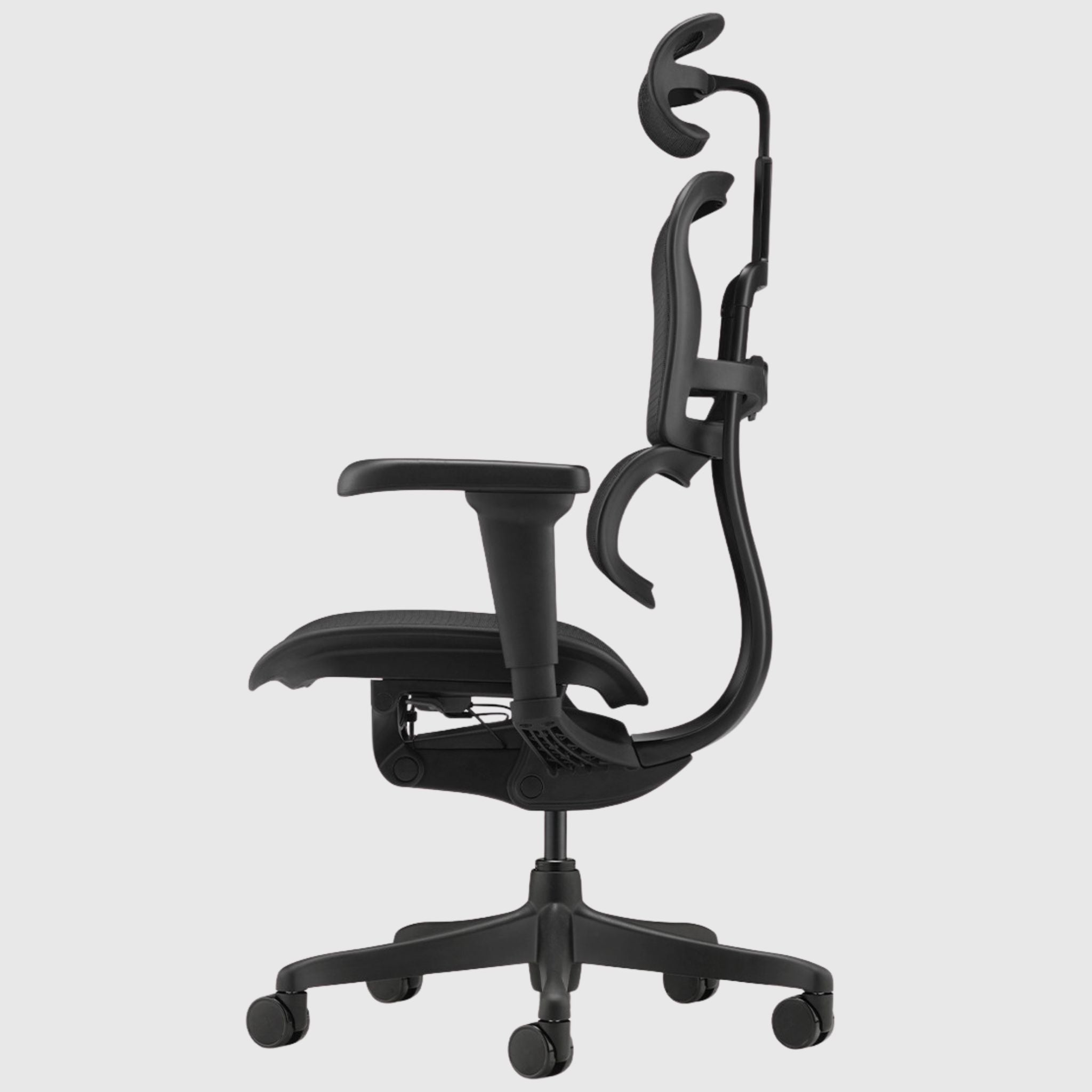
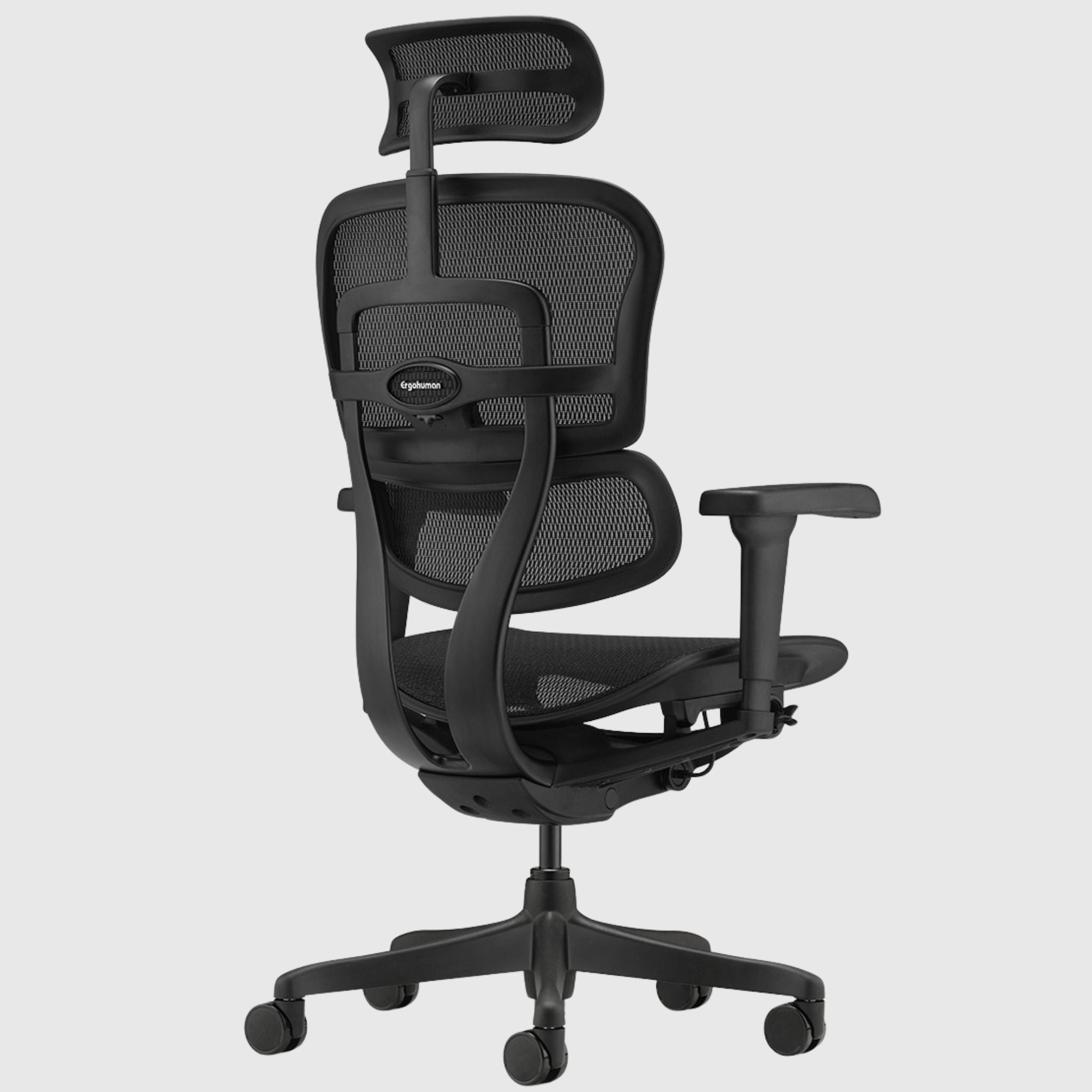
Ergonomic office chair ERGOHUMAN ELITE 2 with headrest and mesh
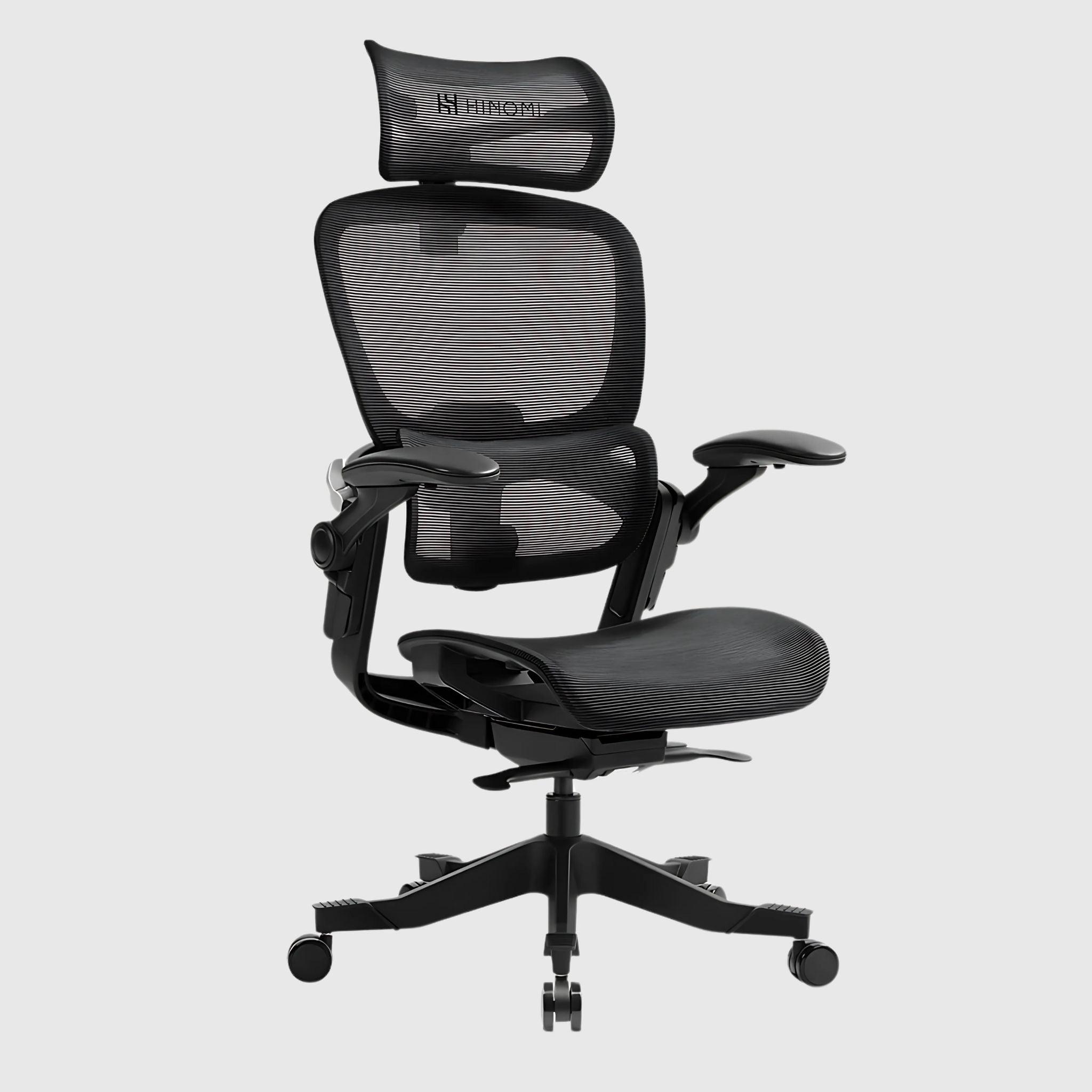
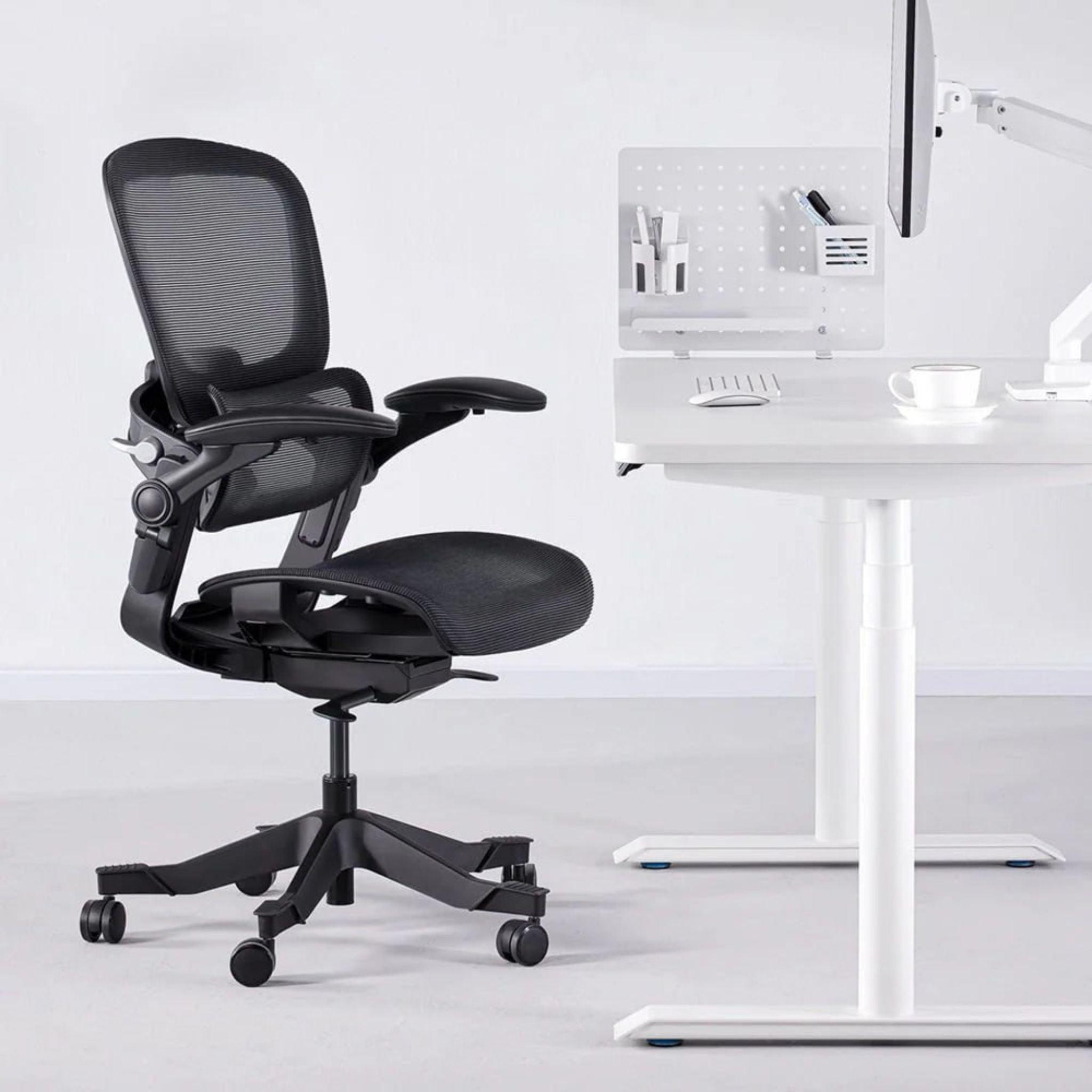
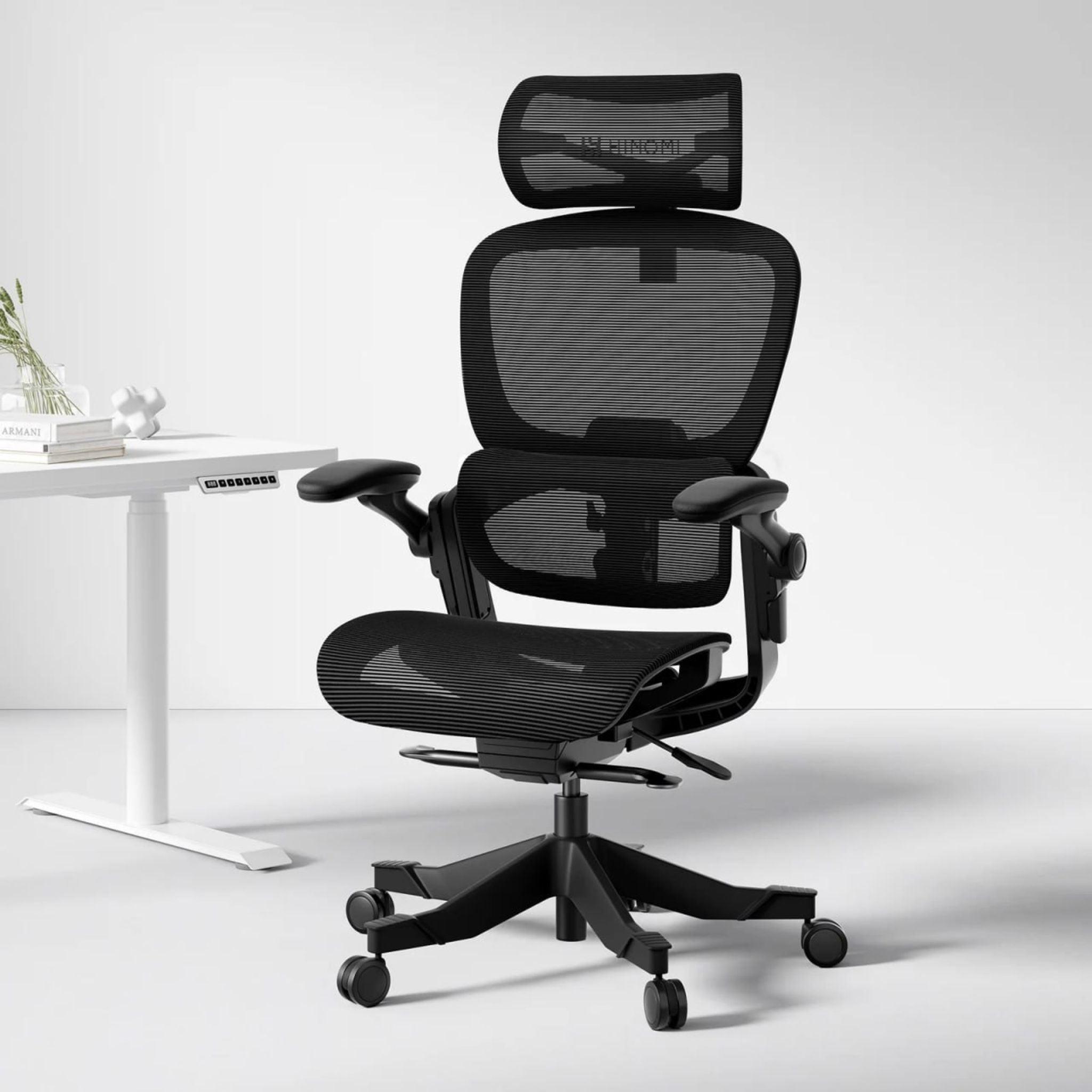
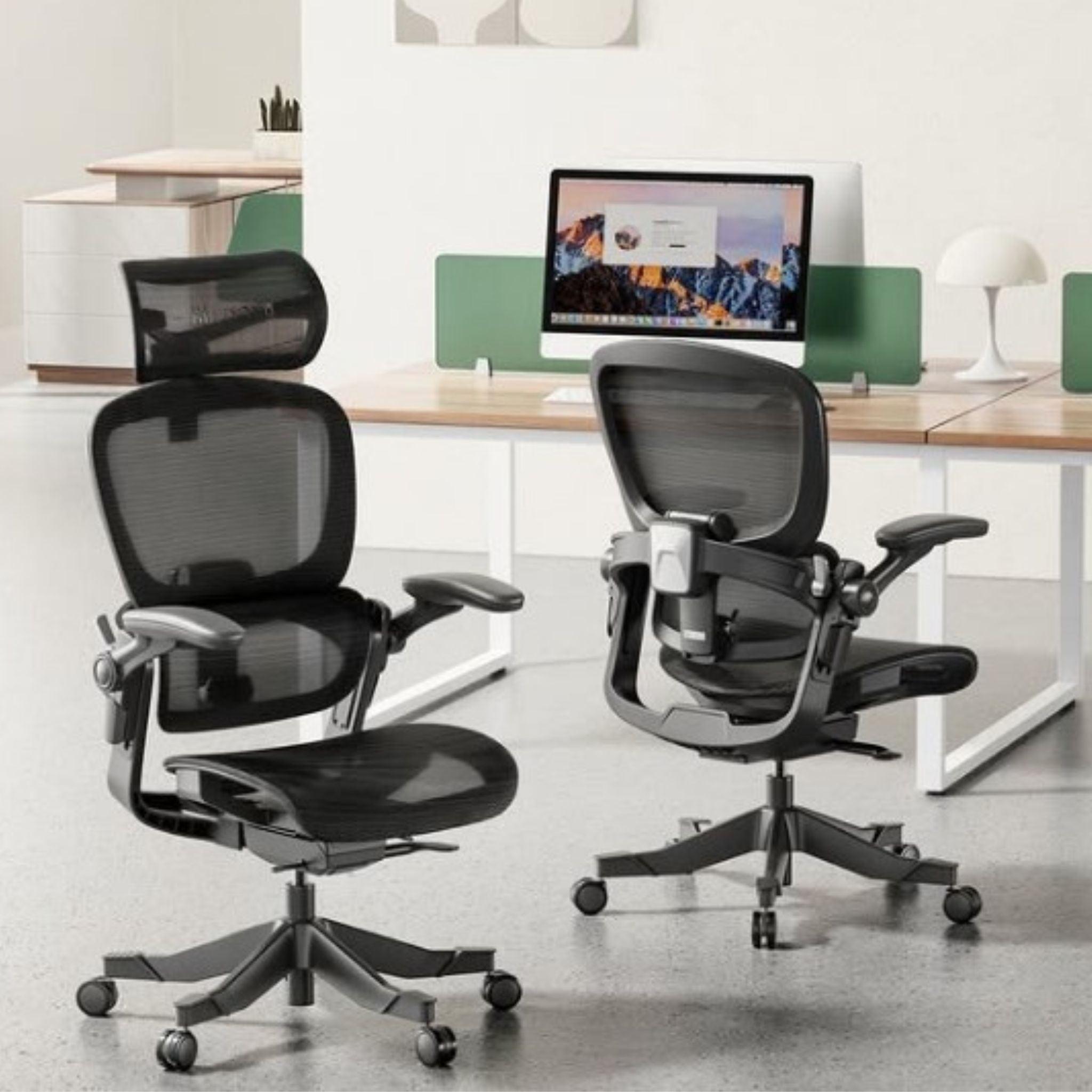
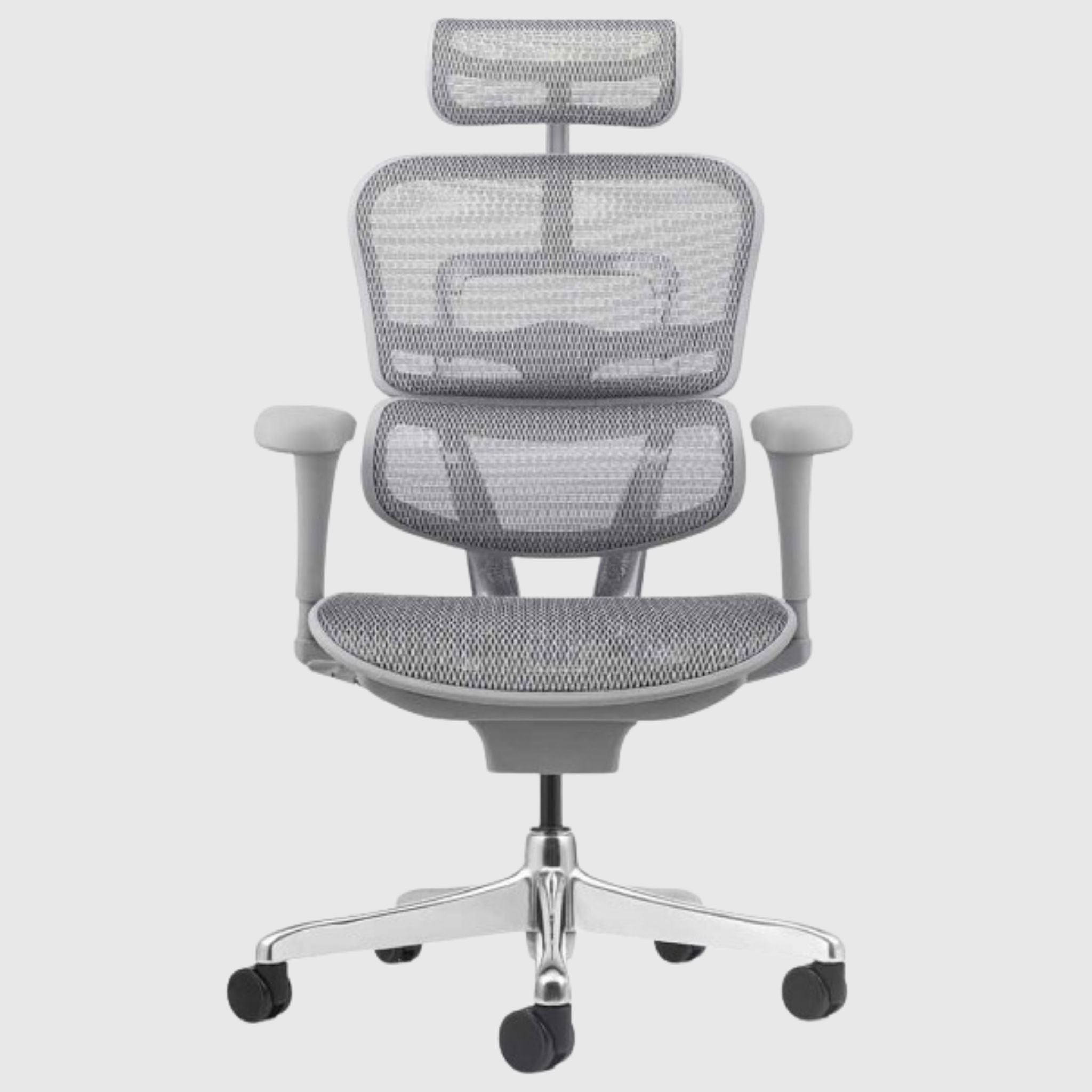
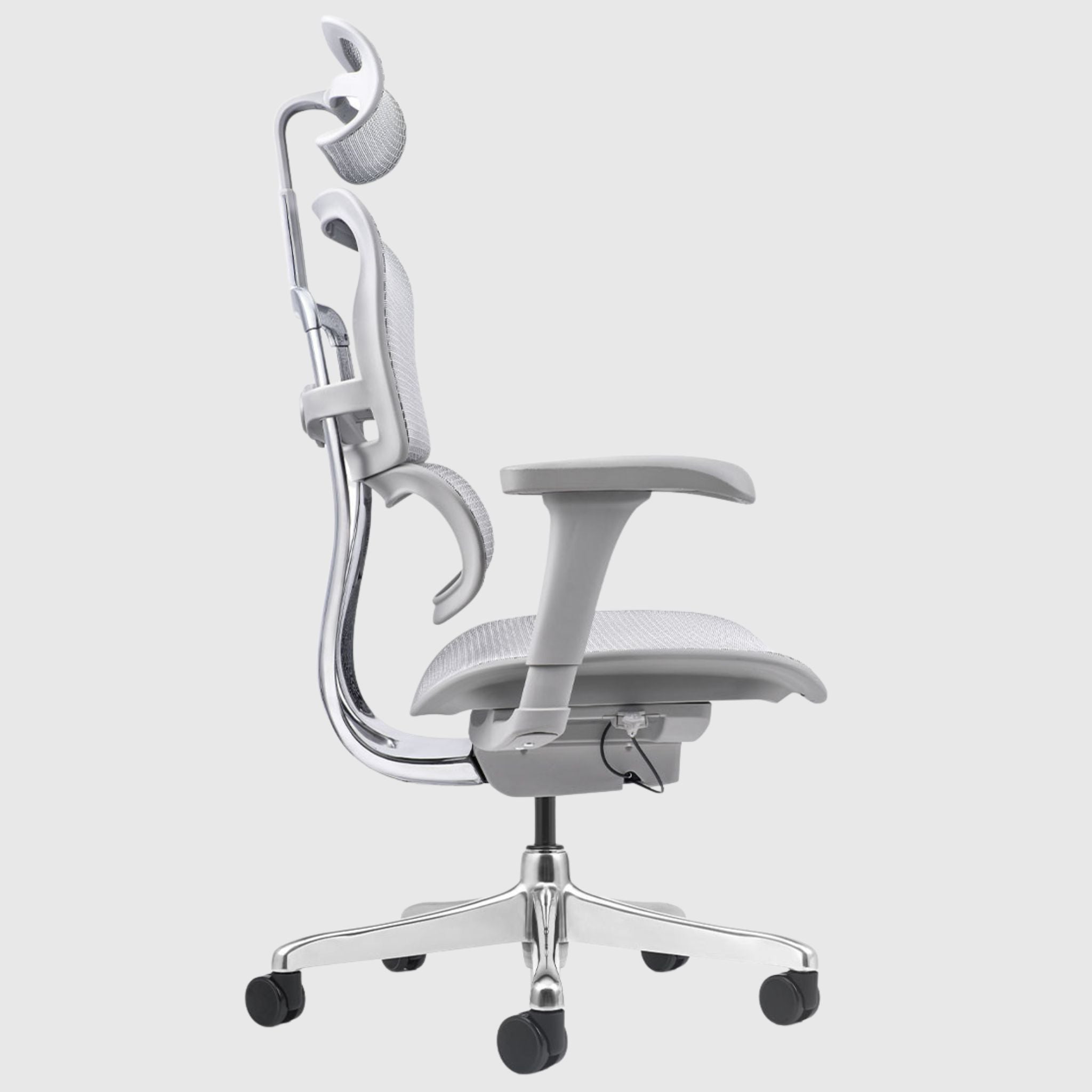
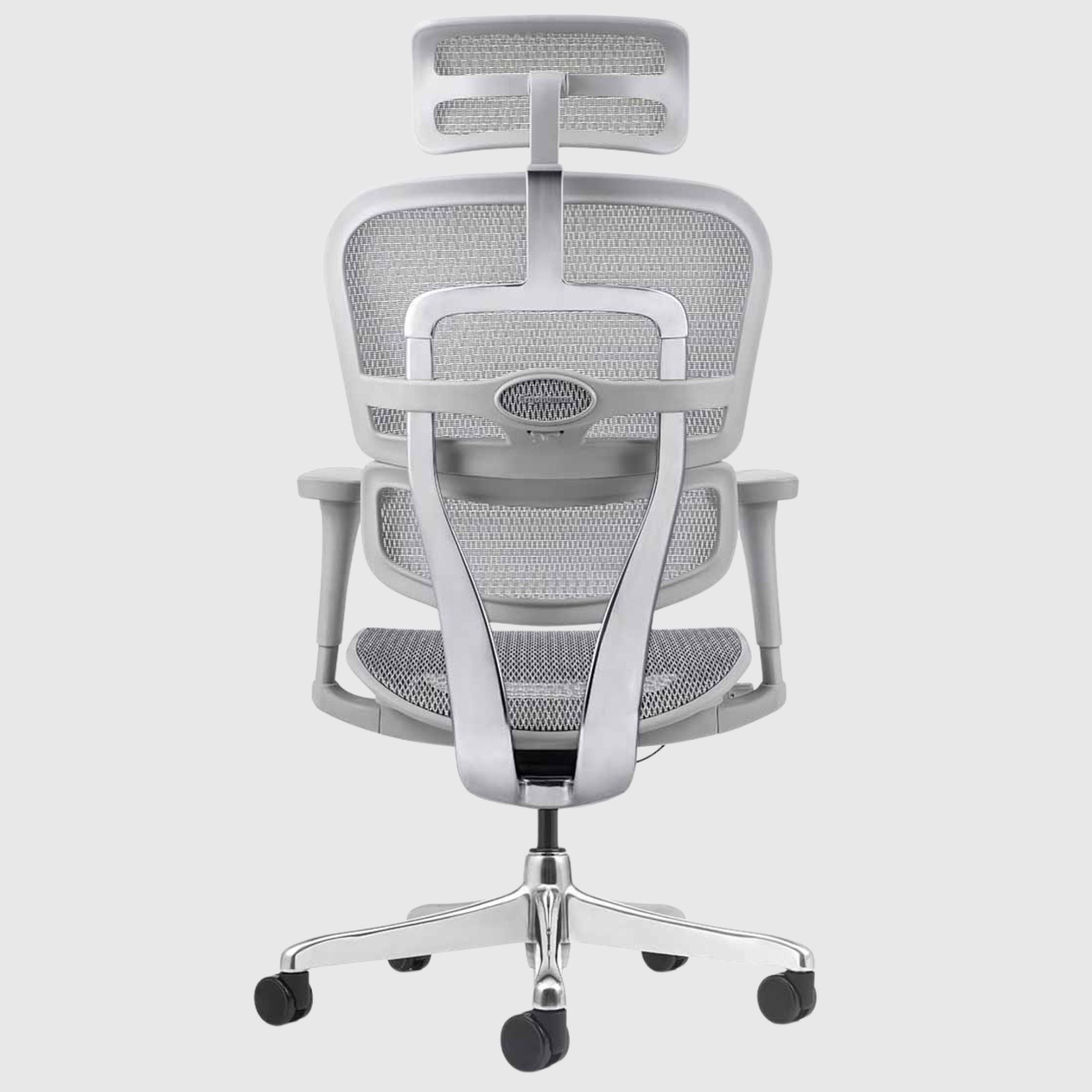
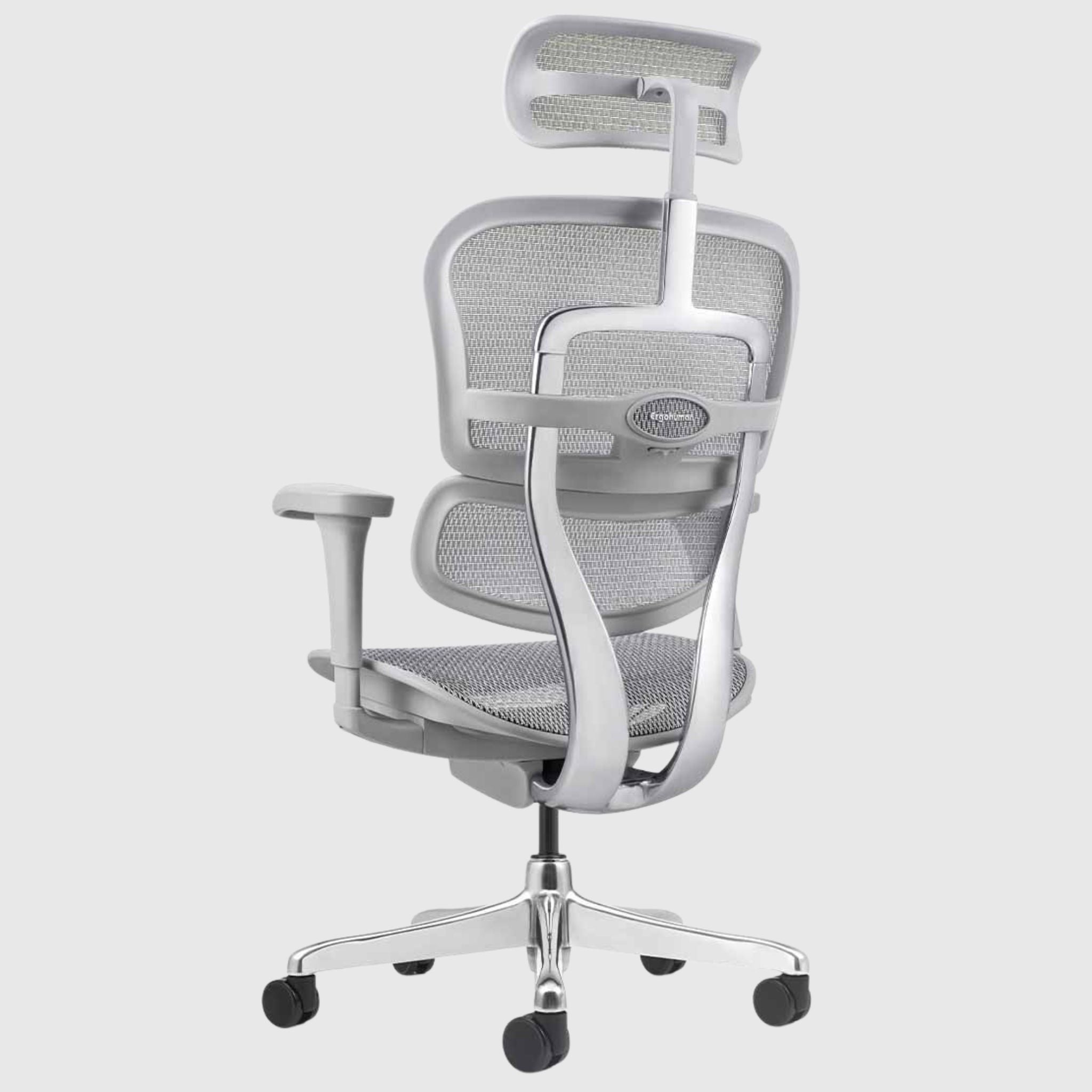
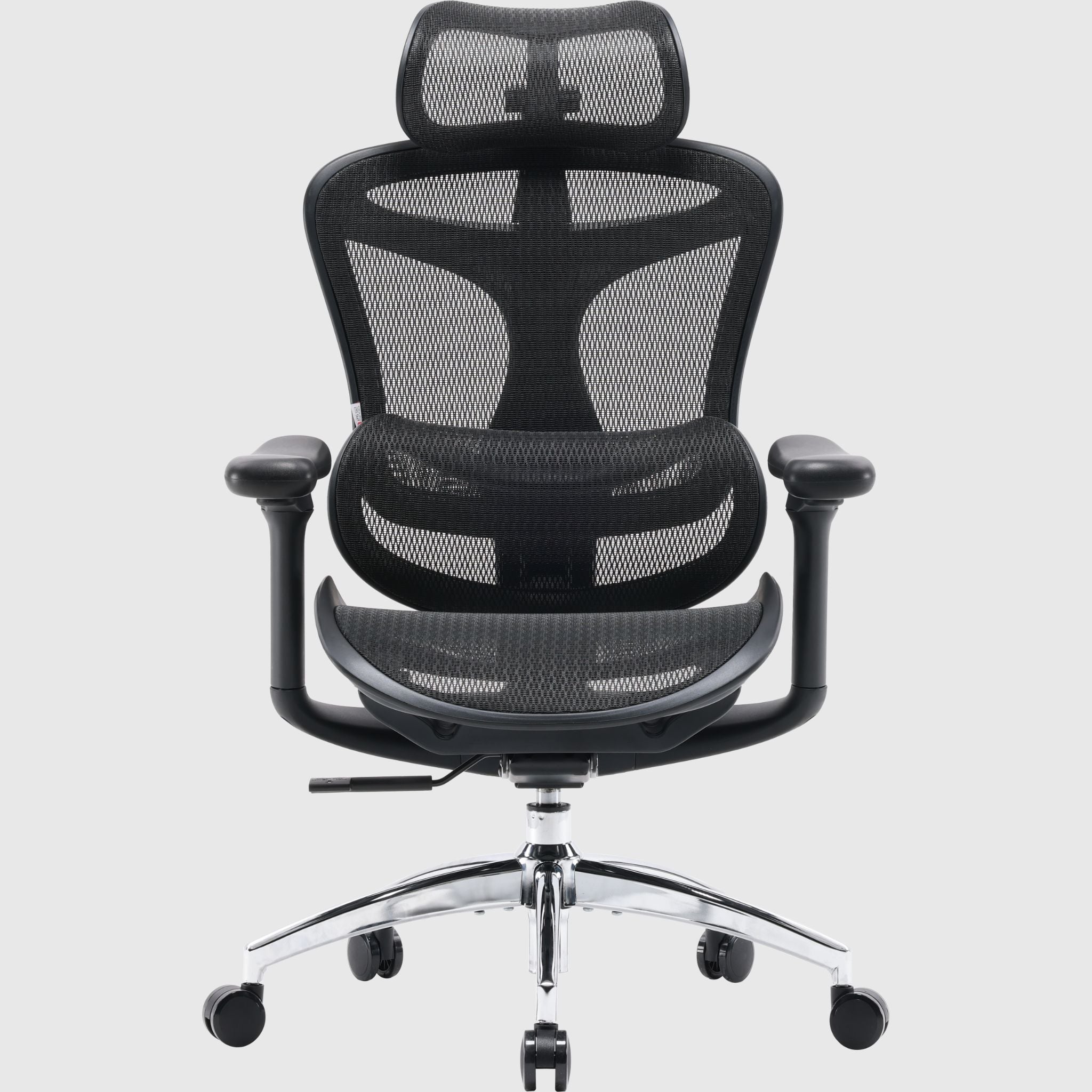
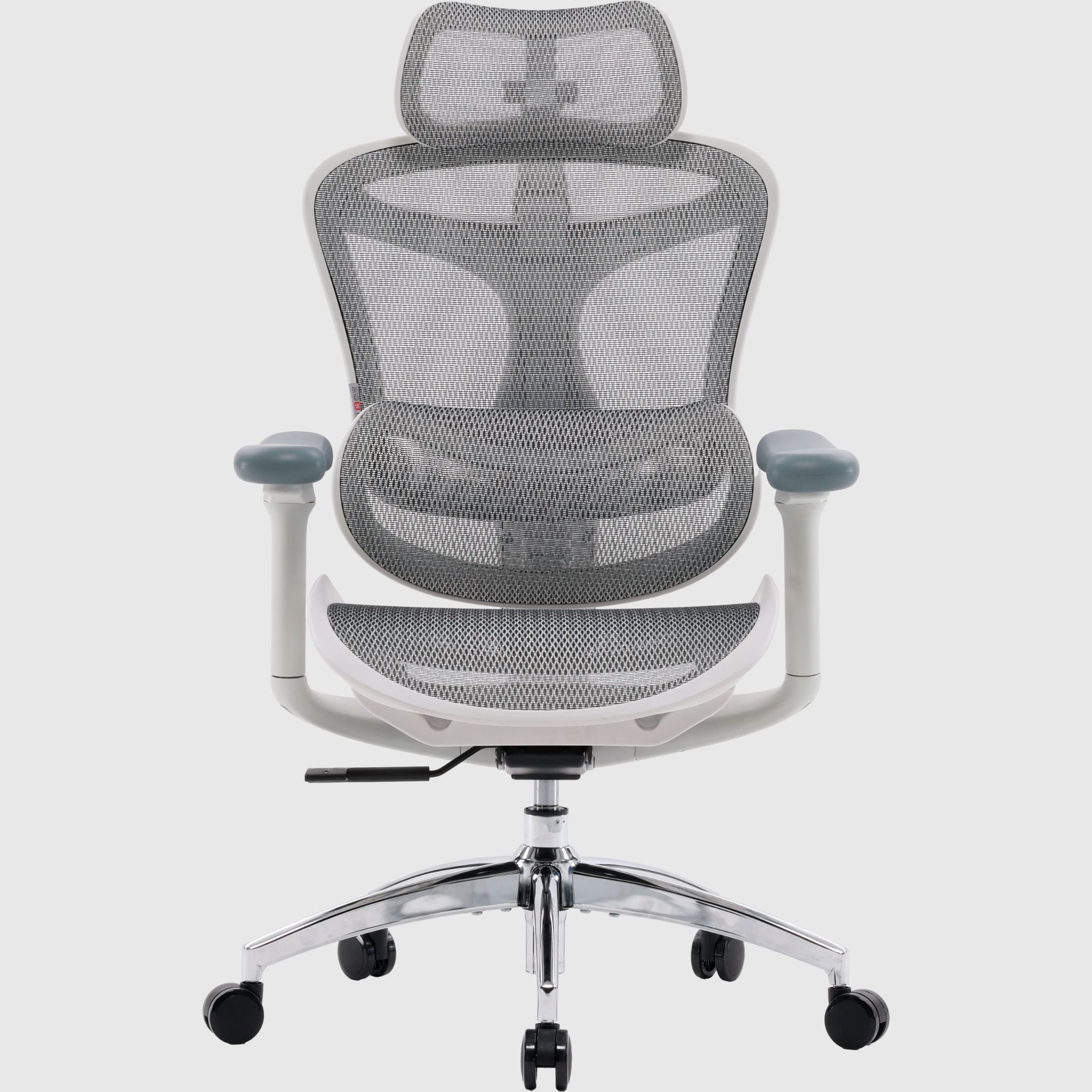
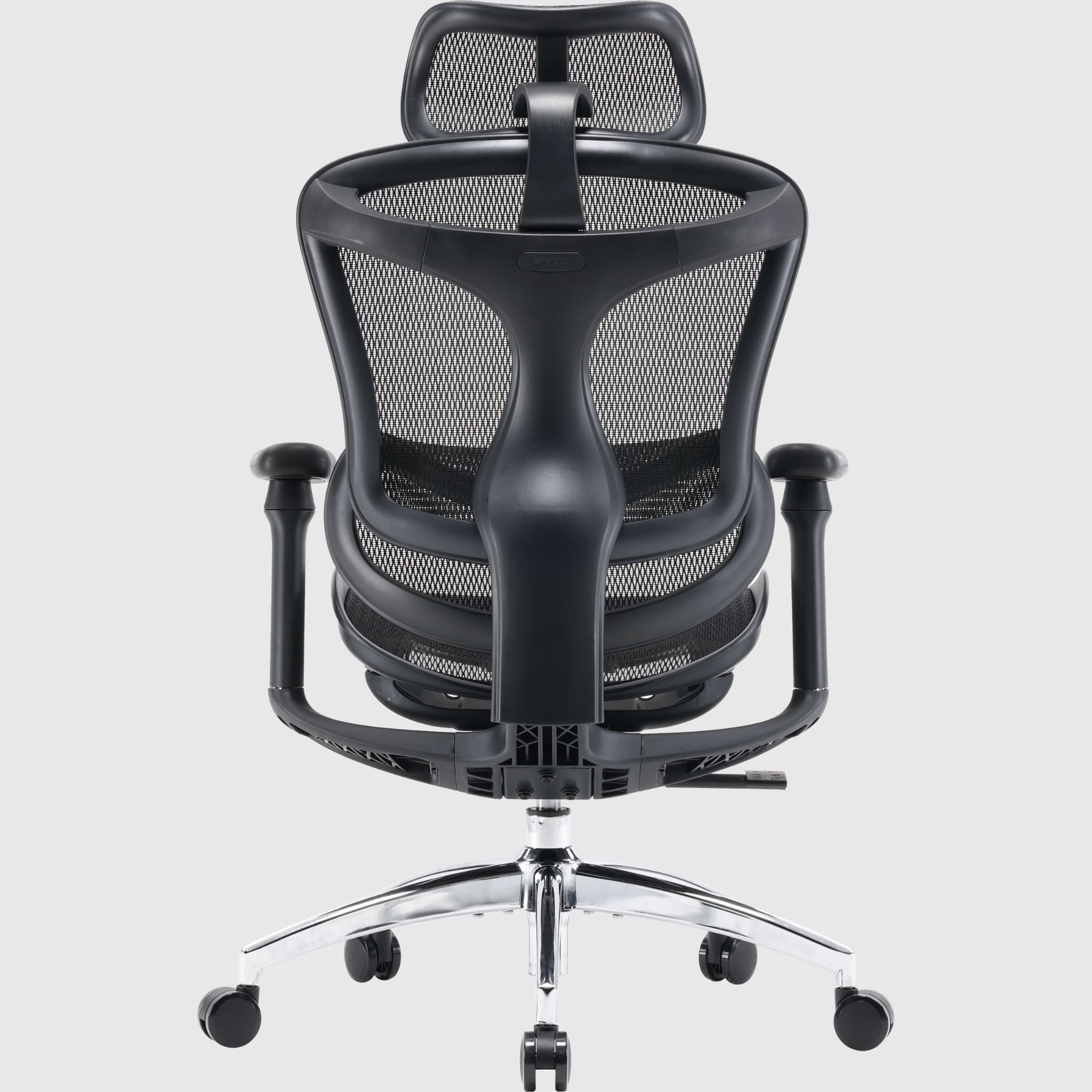
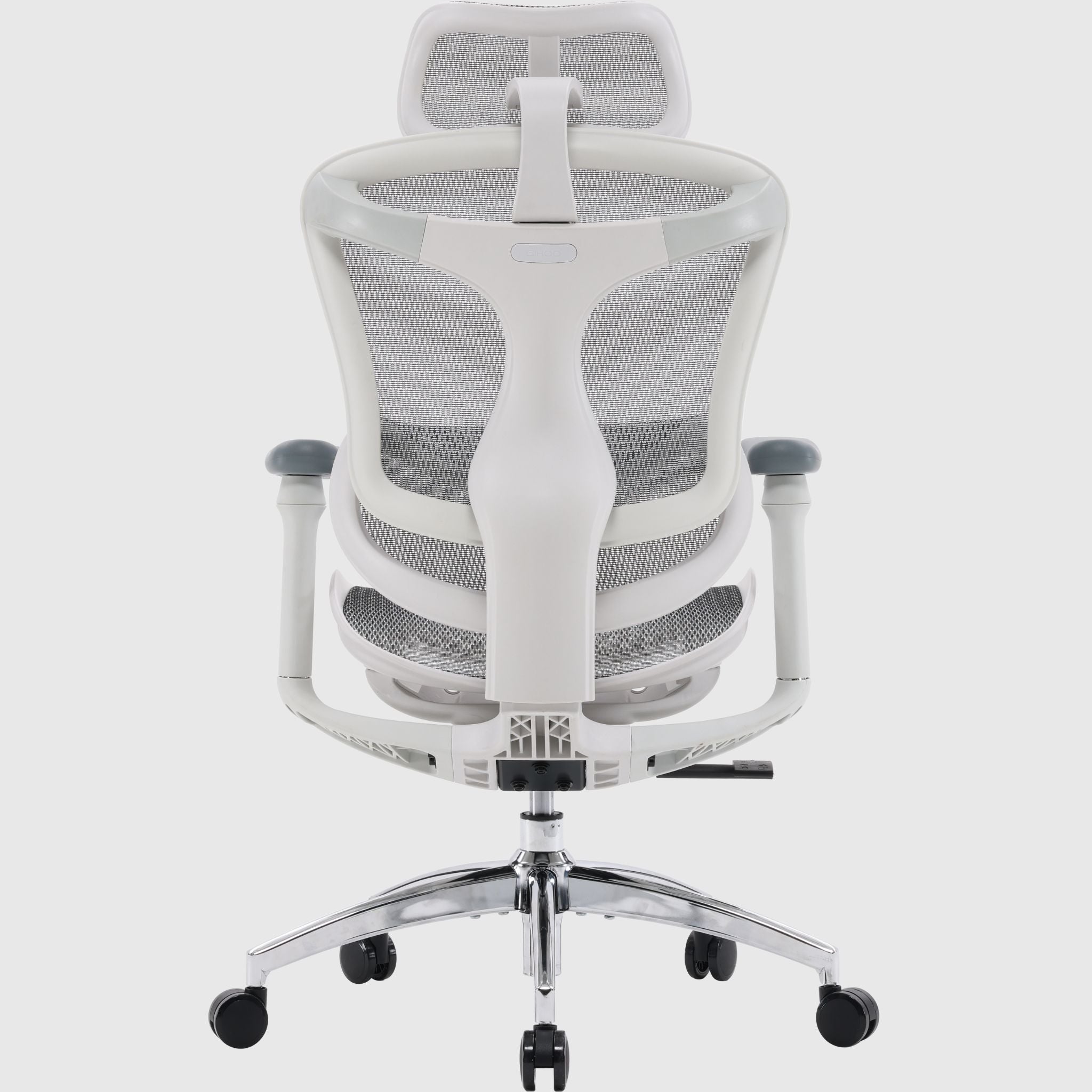
Sihoo DORO C300L – ergonomic computer chair with mesh and lumbar support
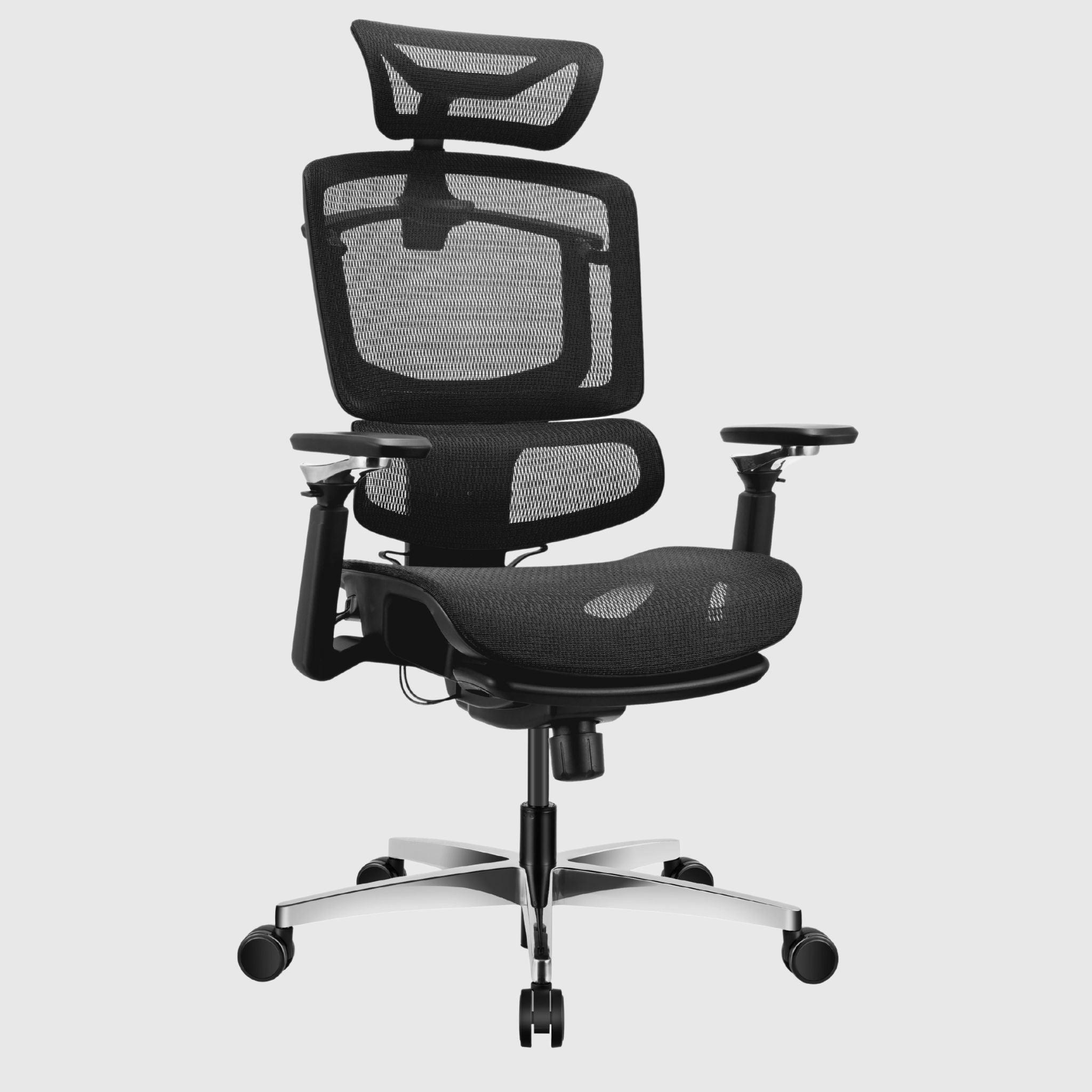
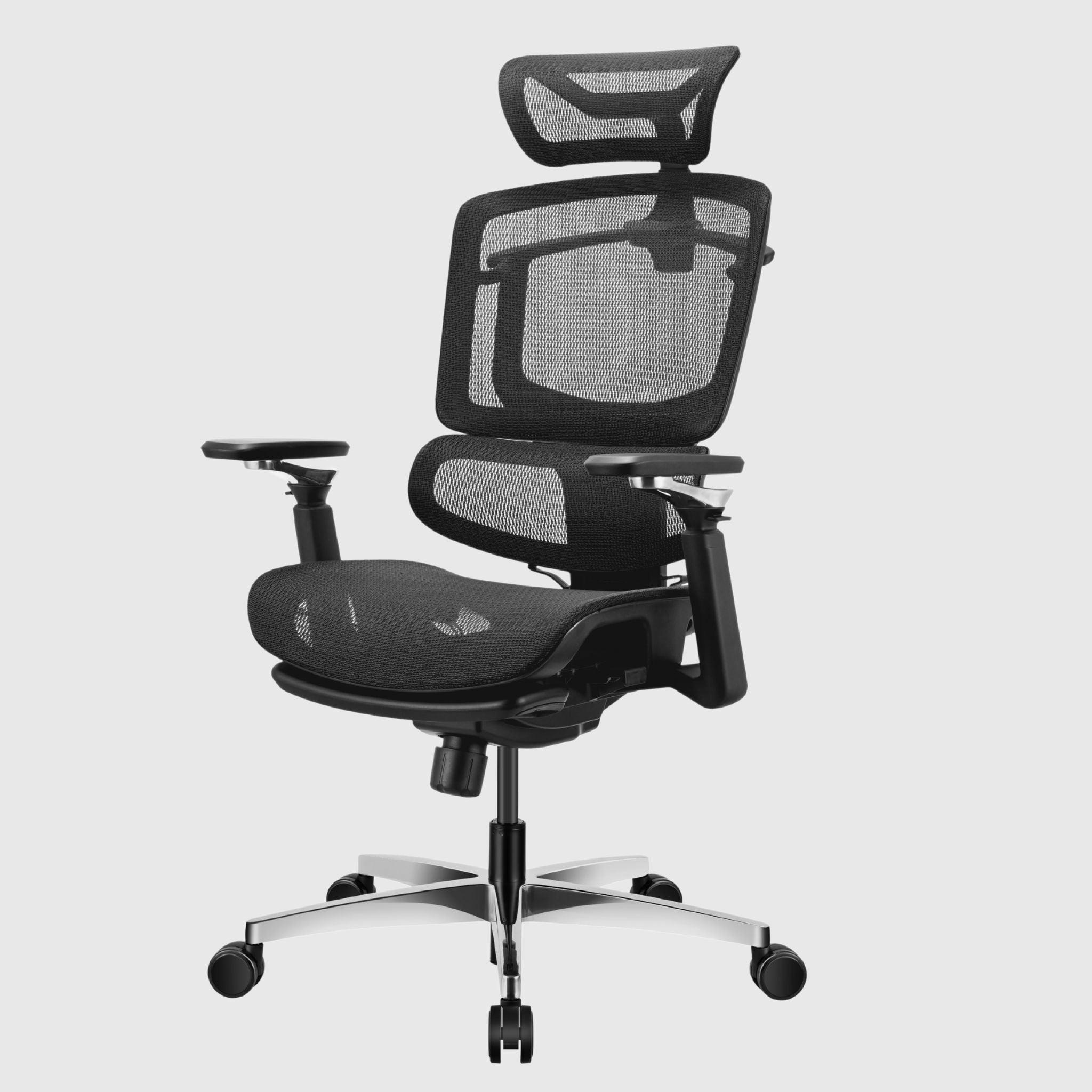
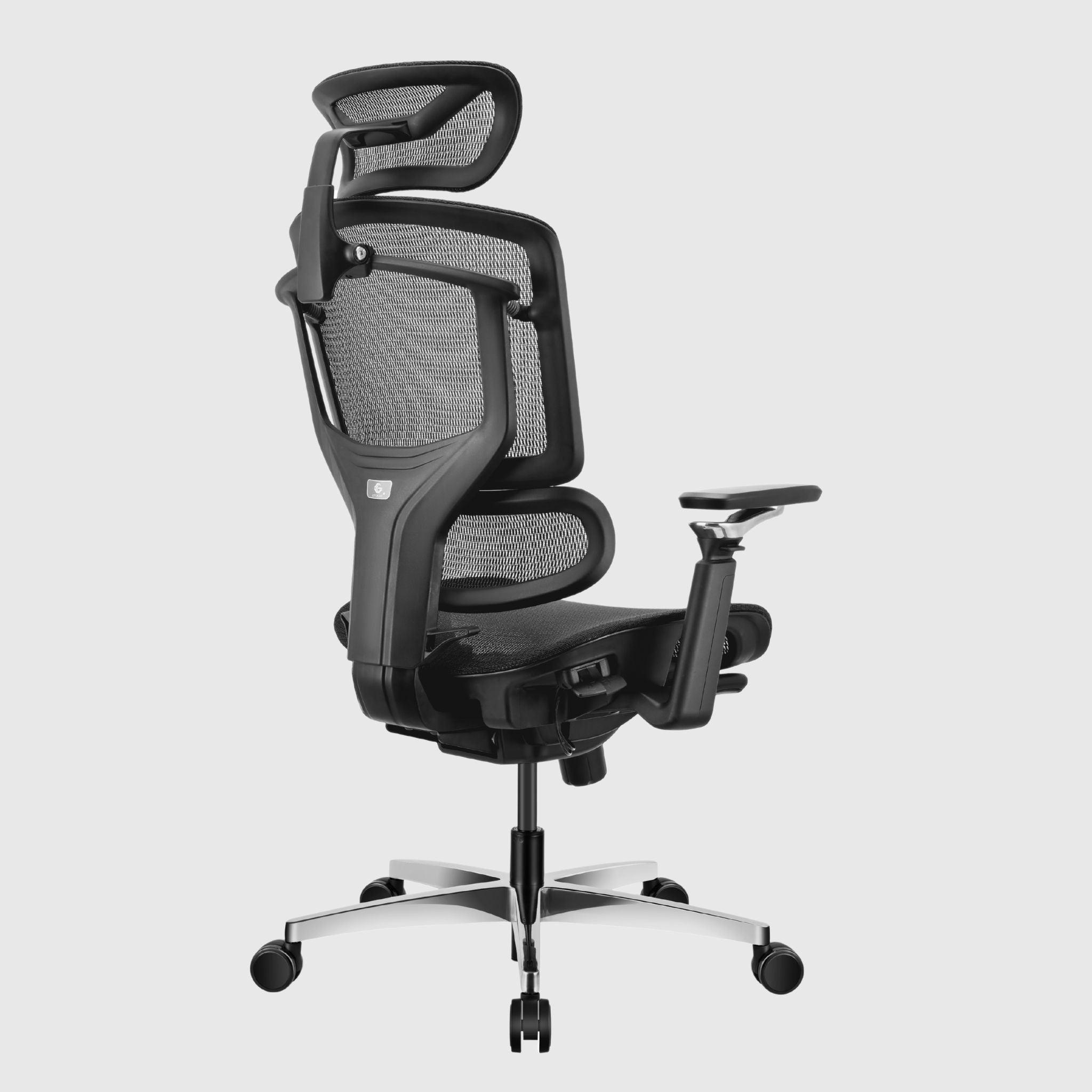
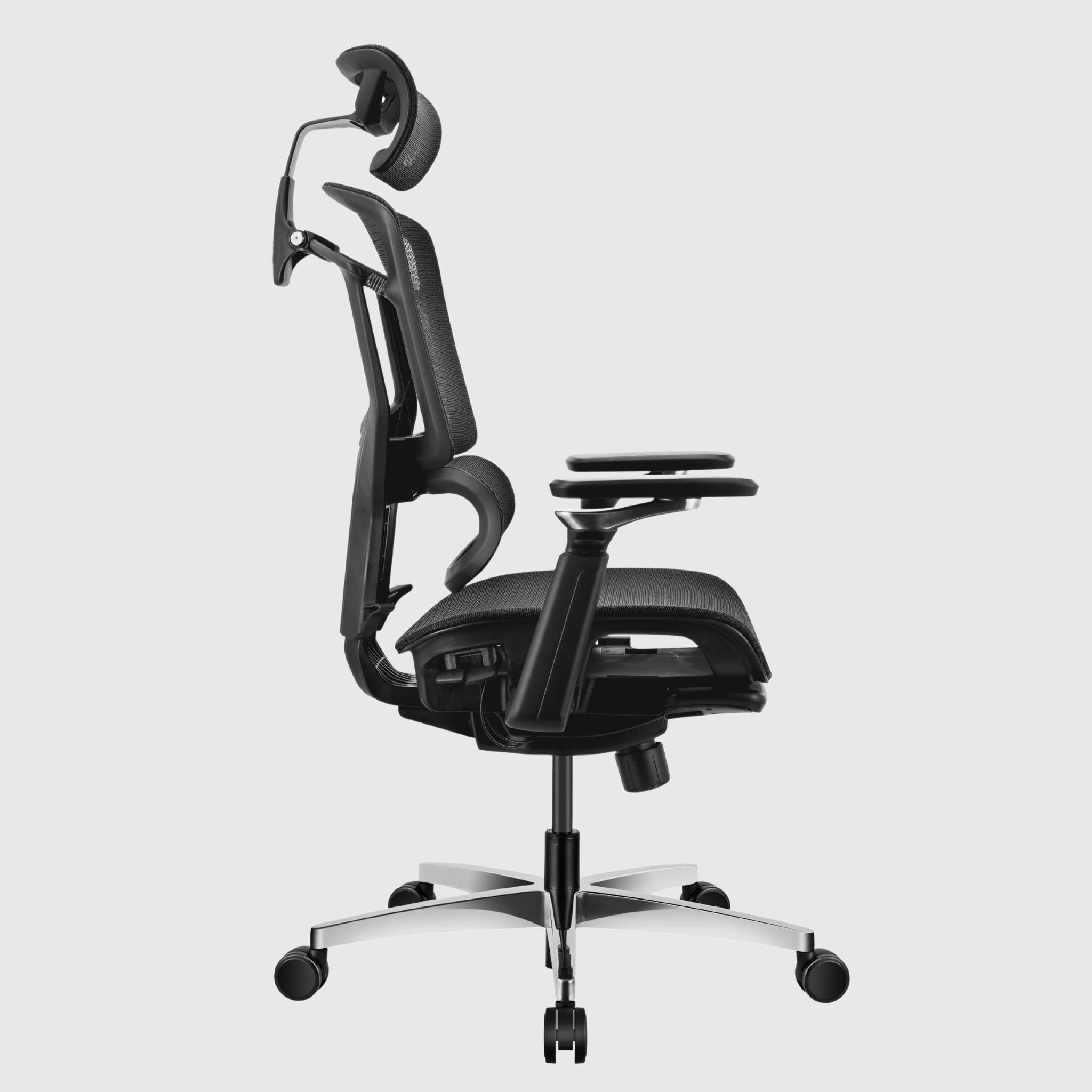
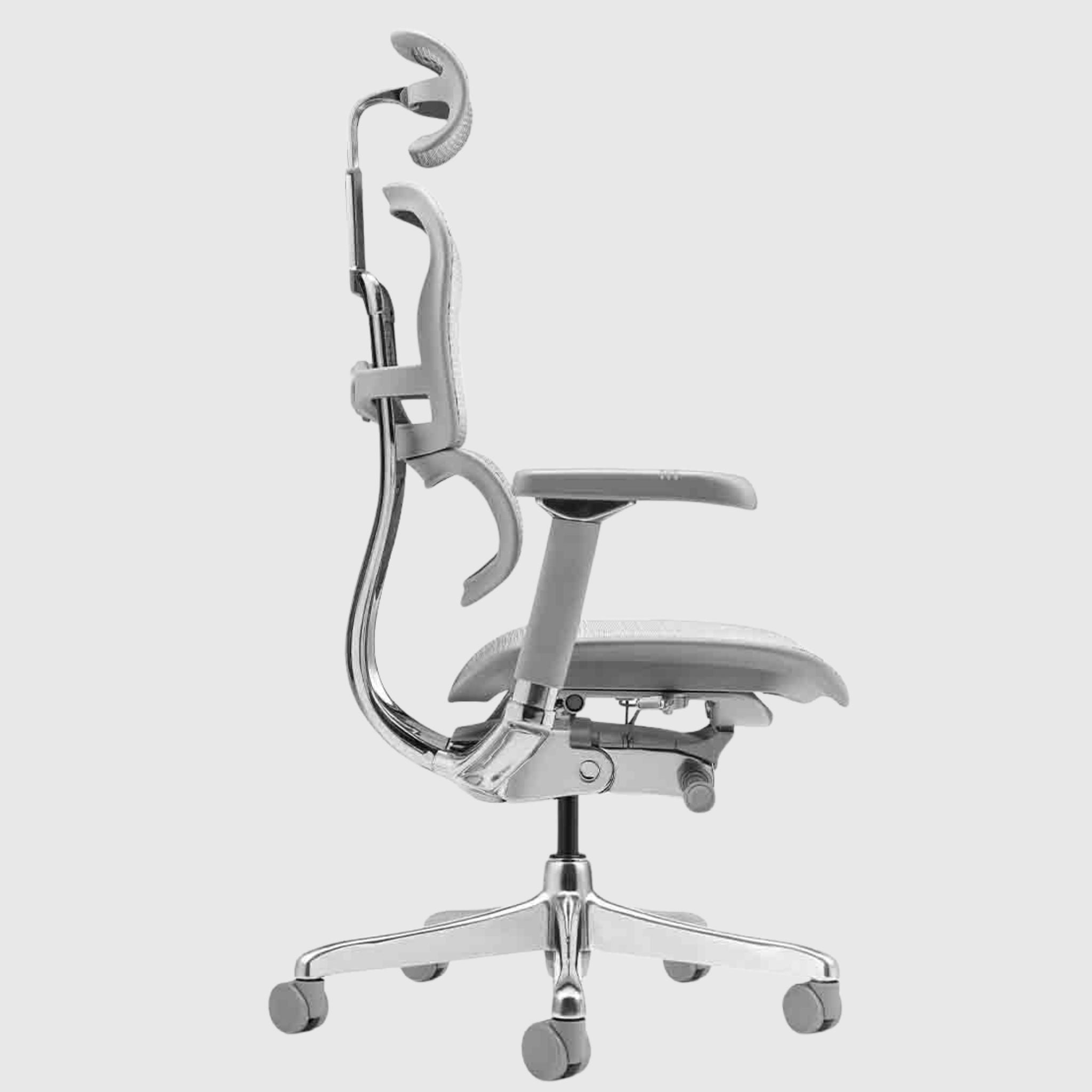
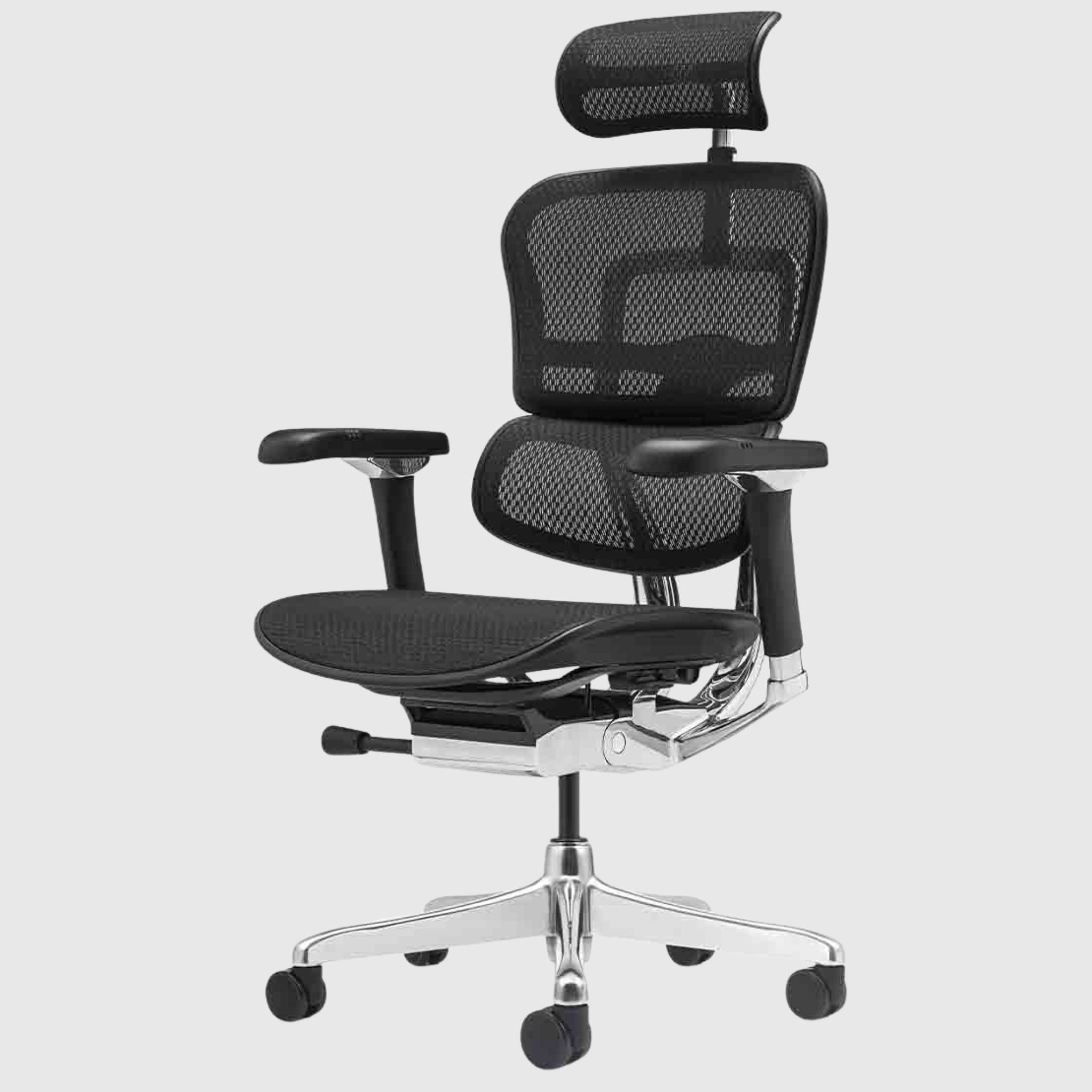
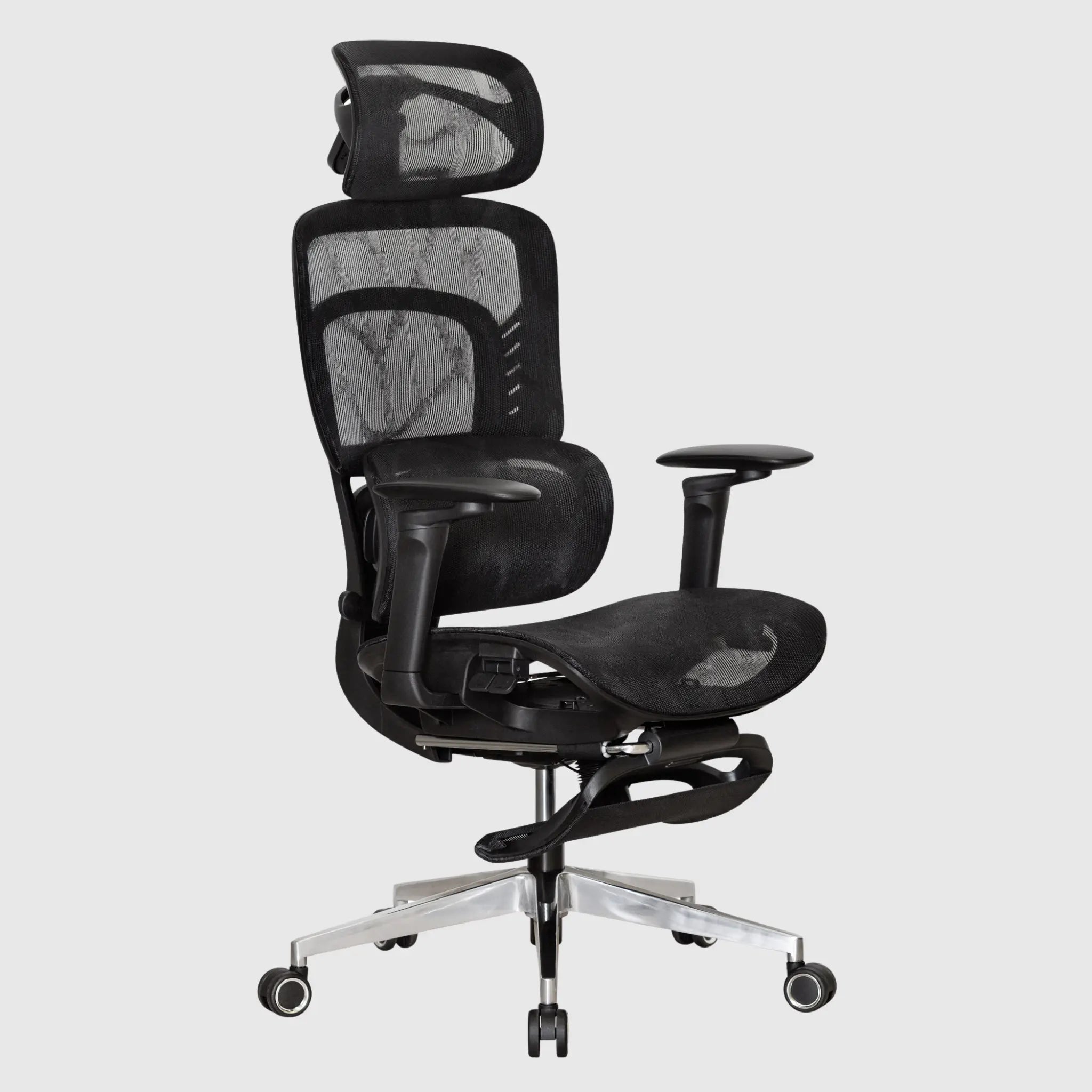
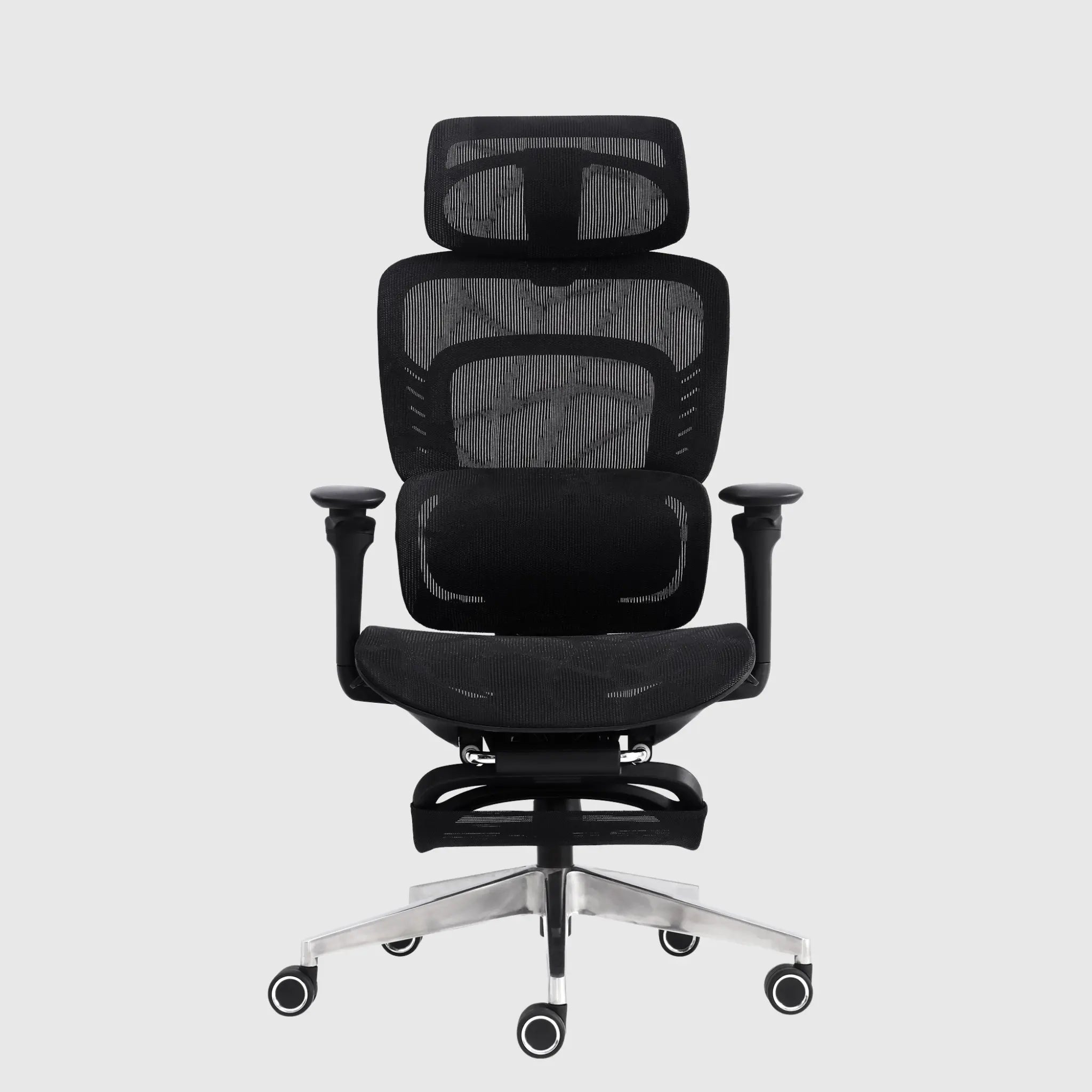
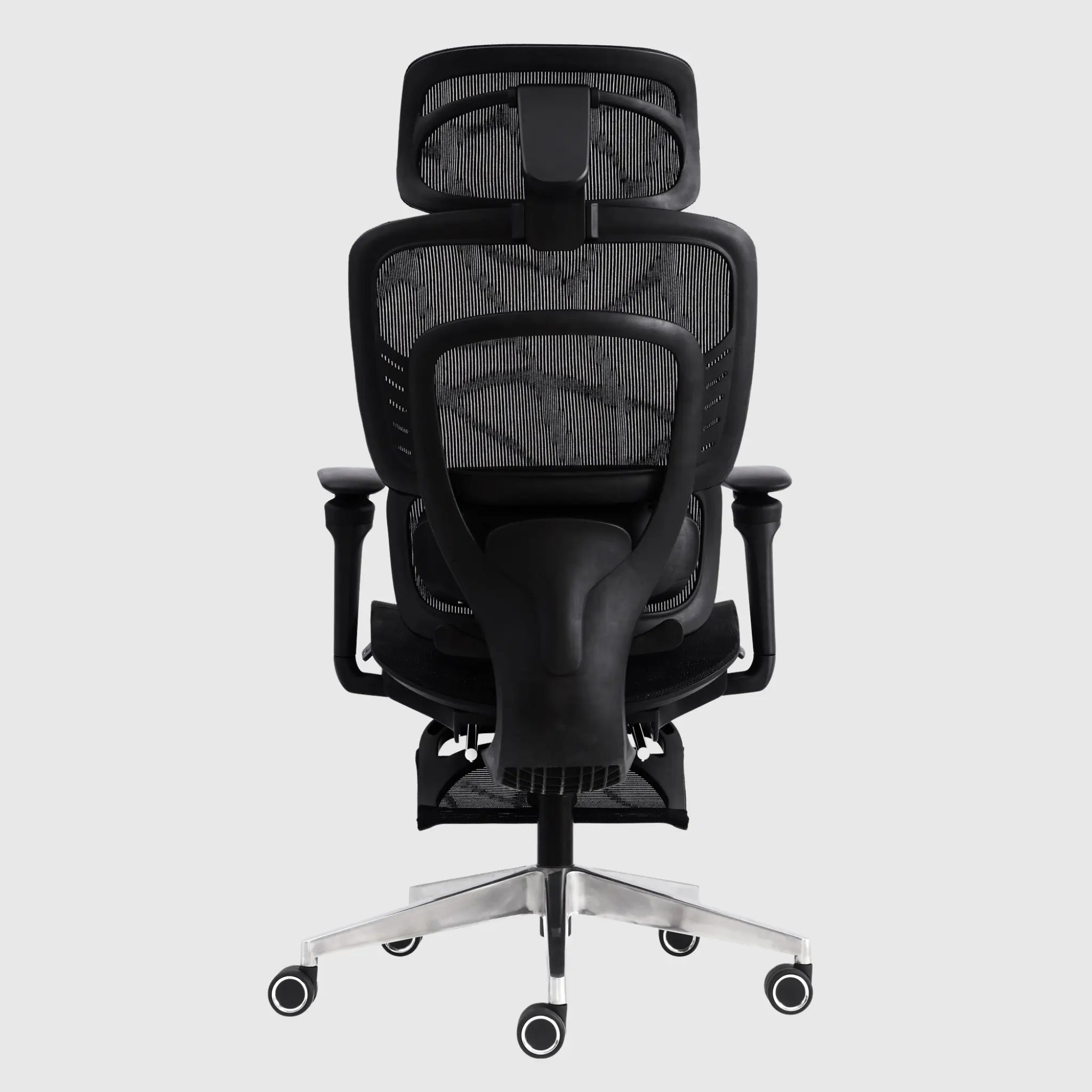
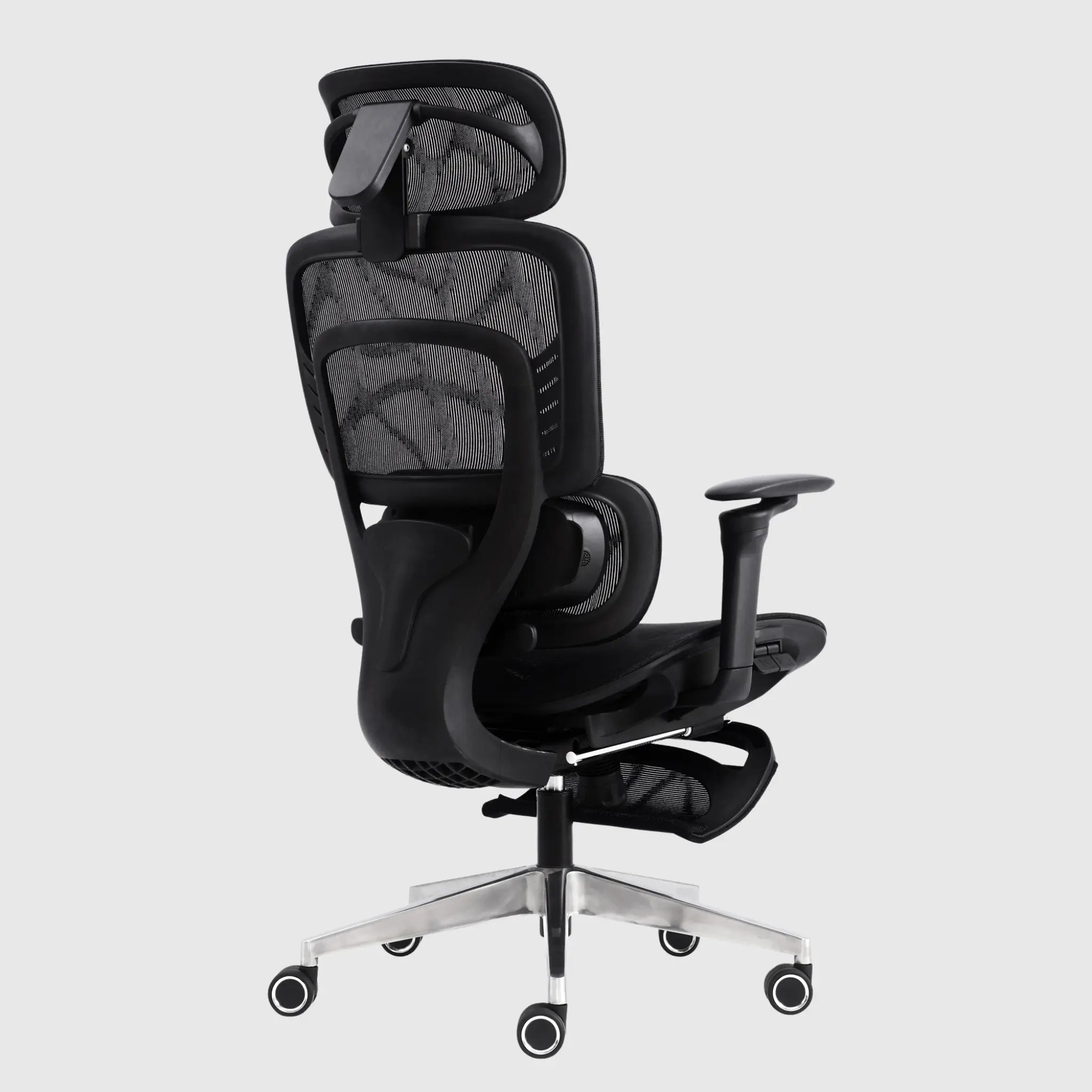
M10 Air Massage Back Massage Chair with Lumbar Support and Footrest
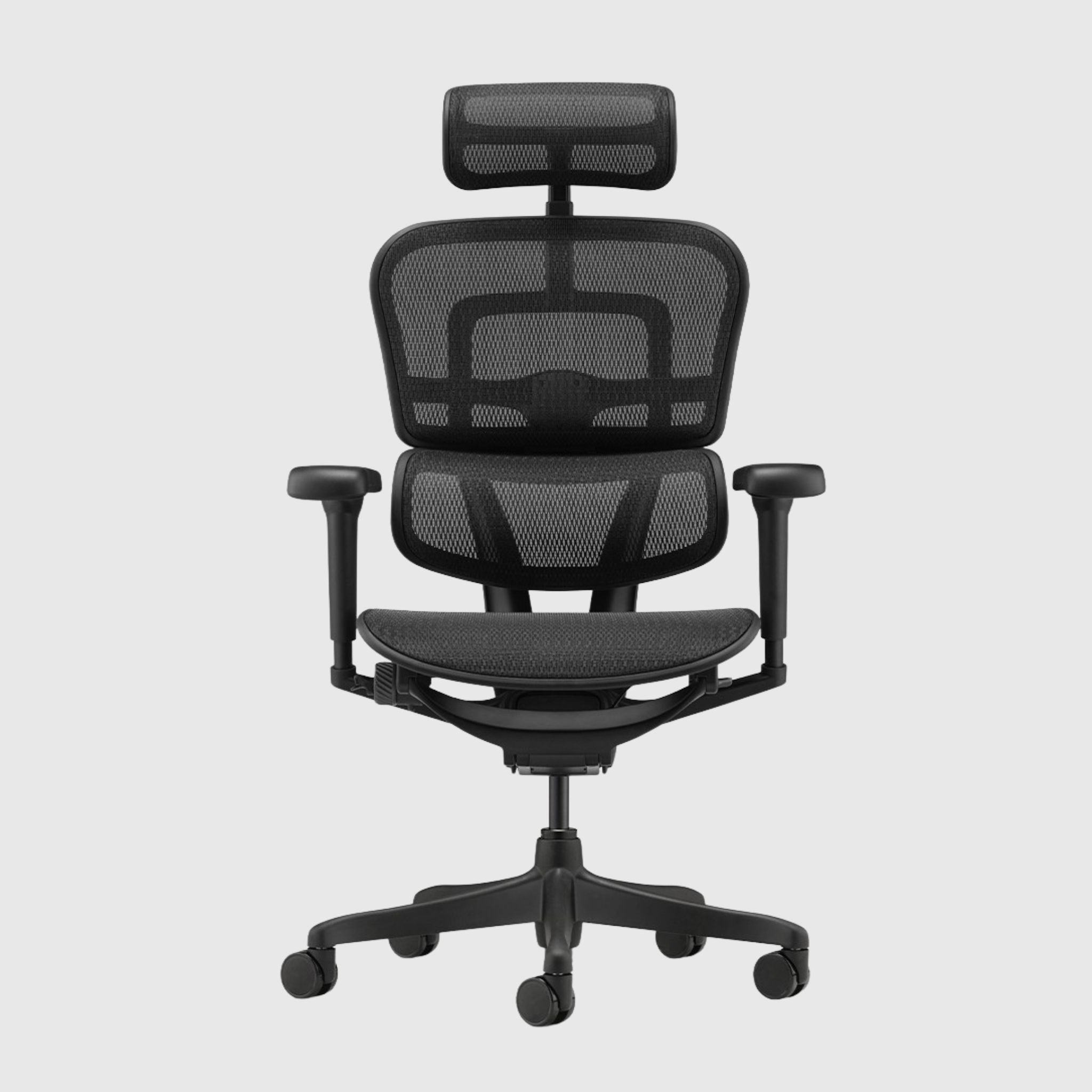
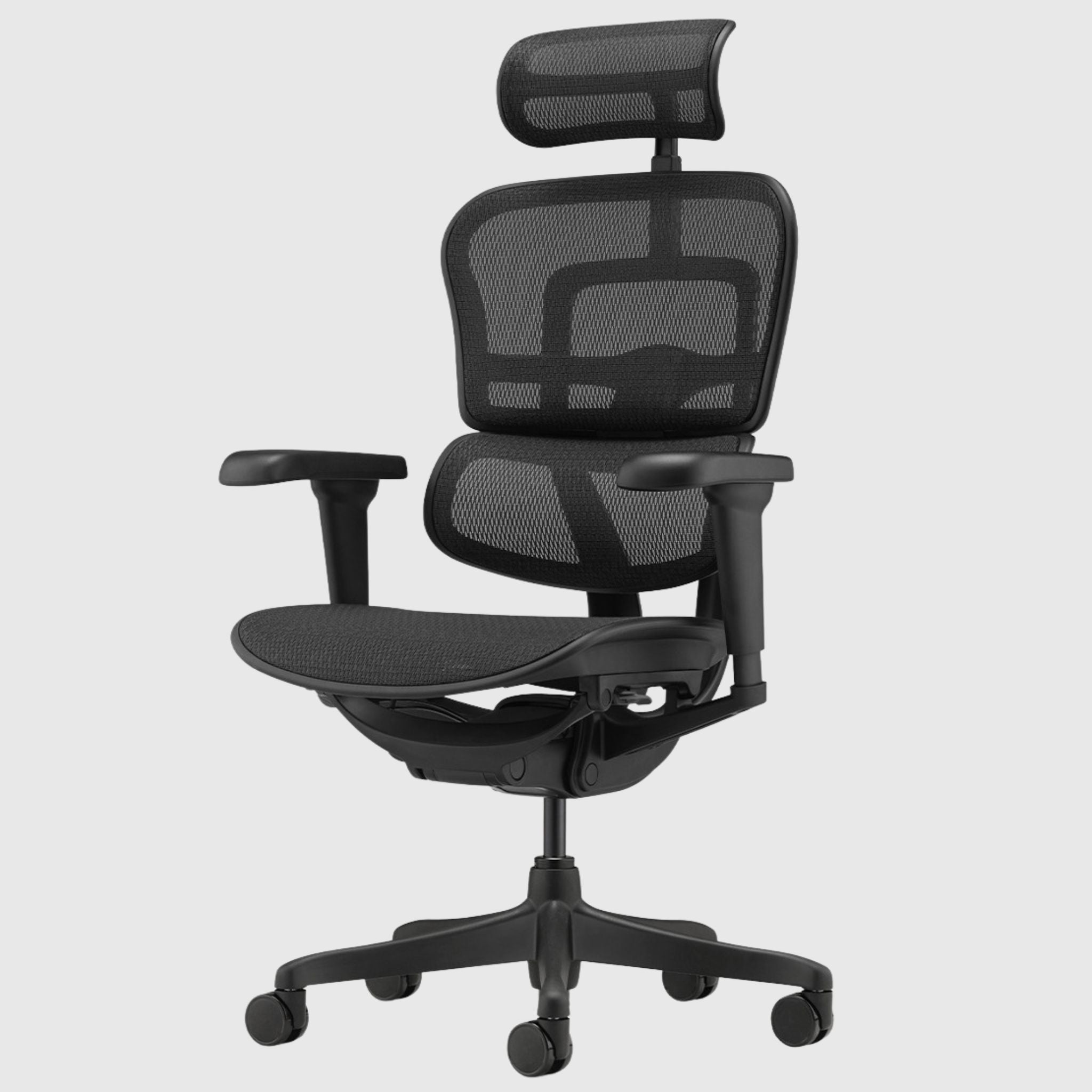
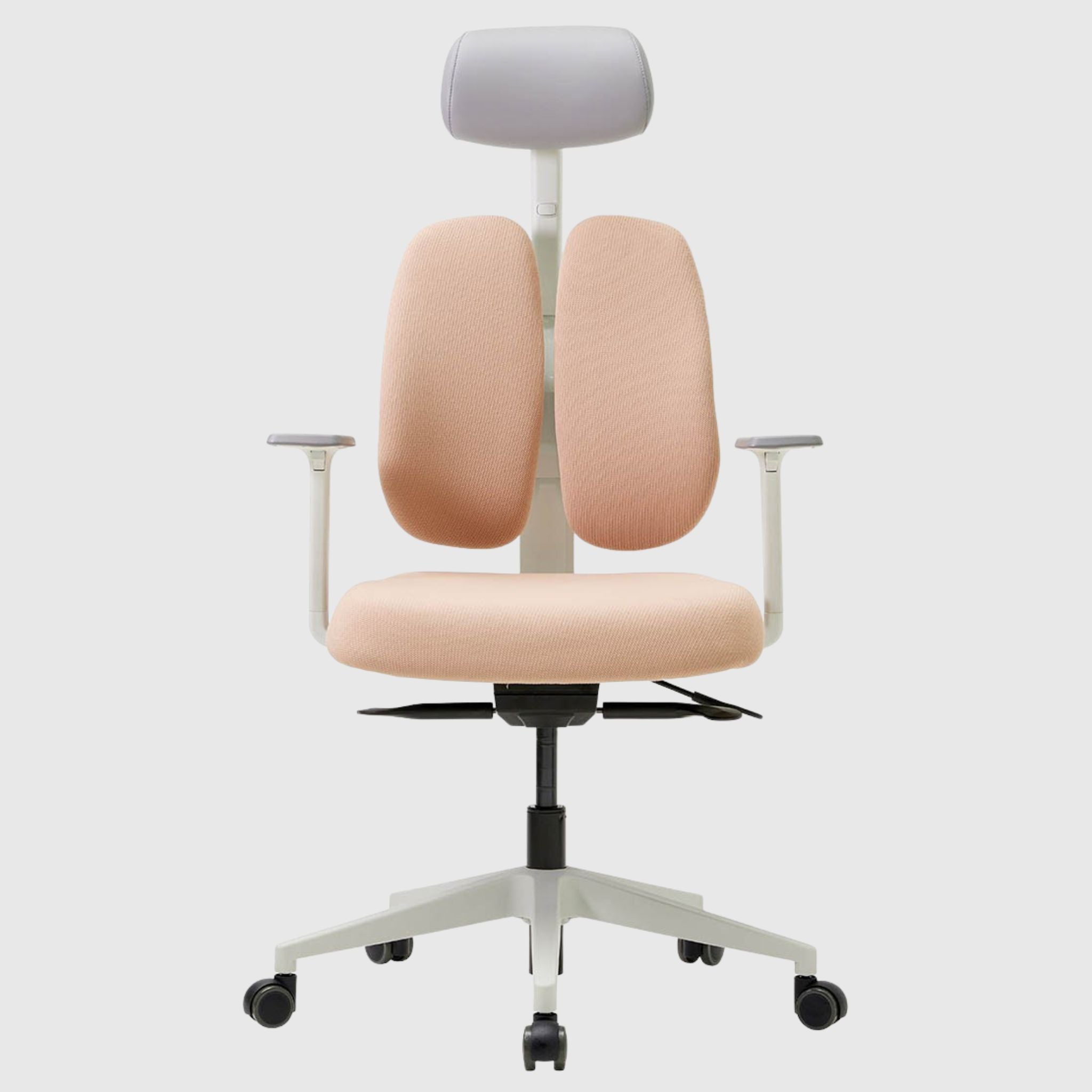
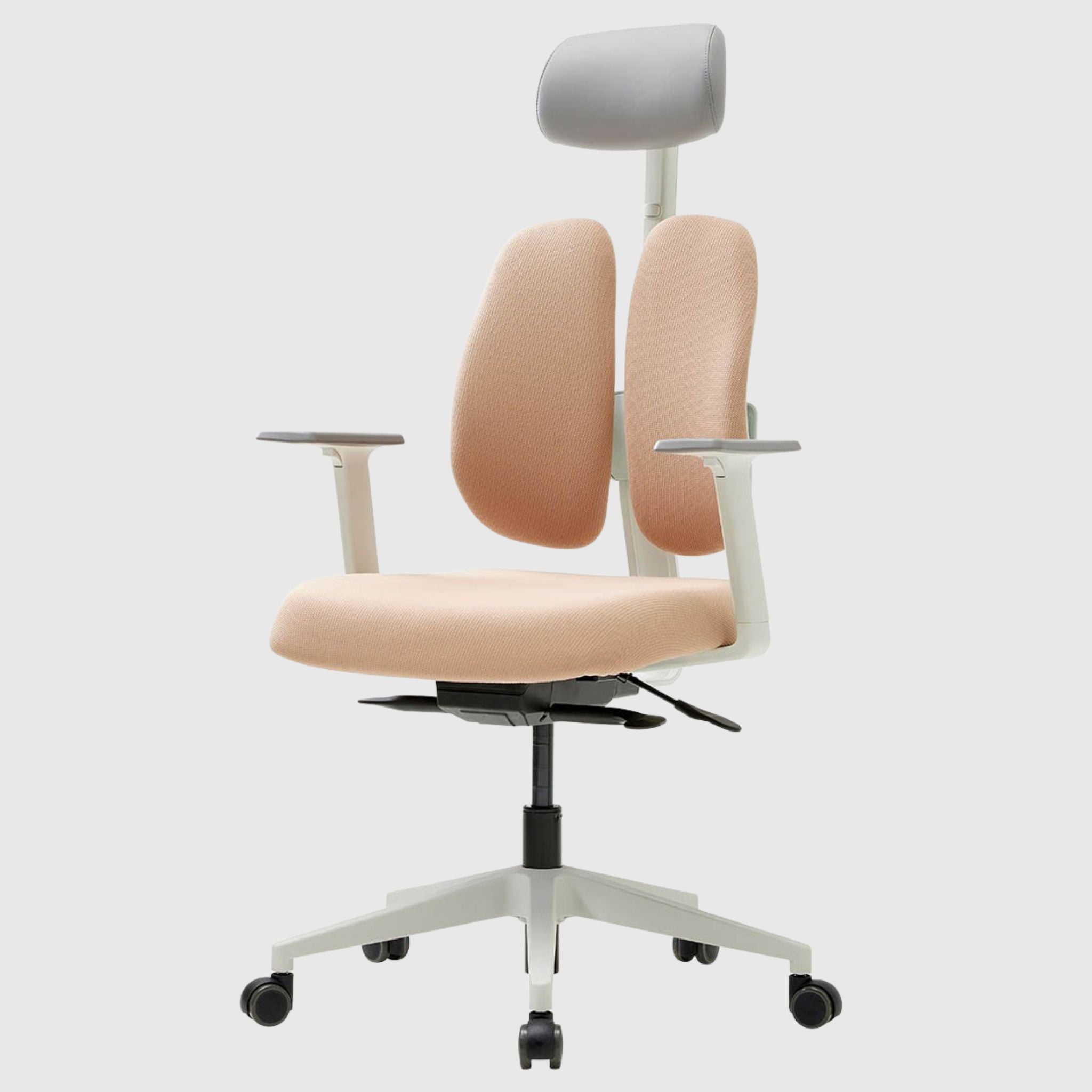
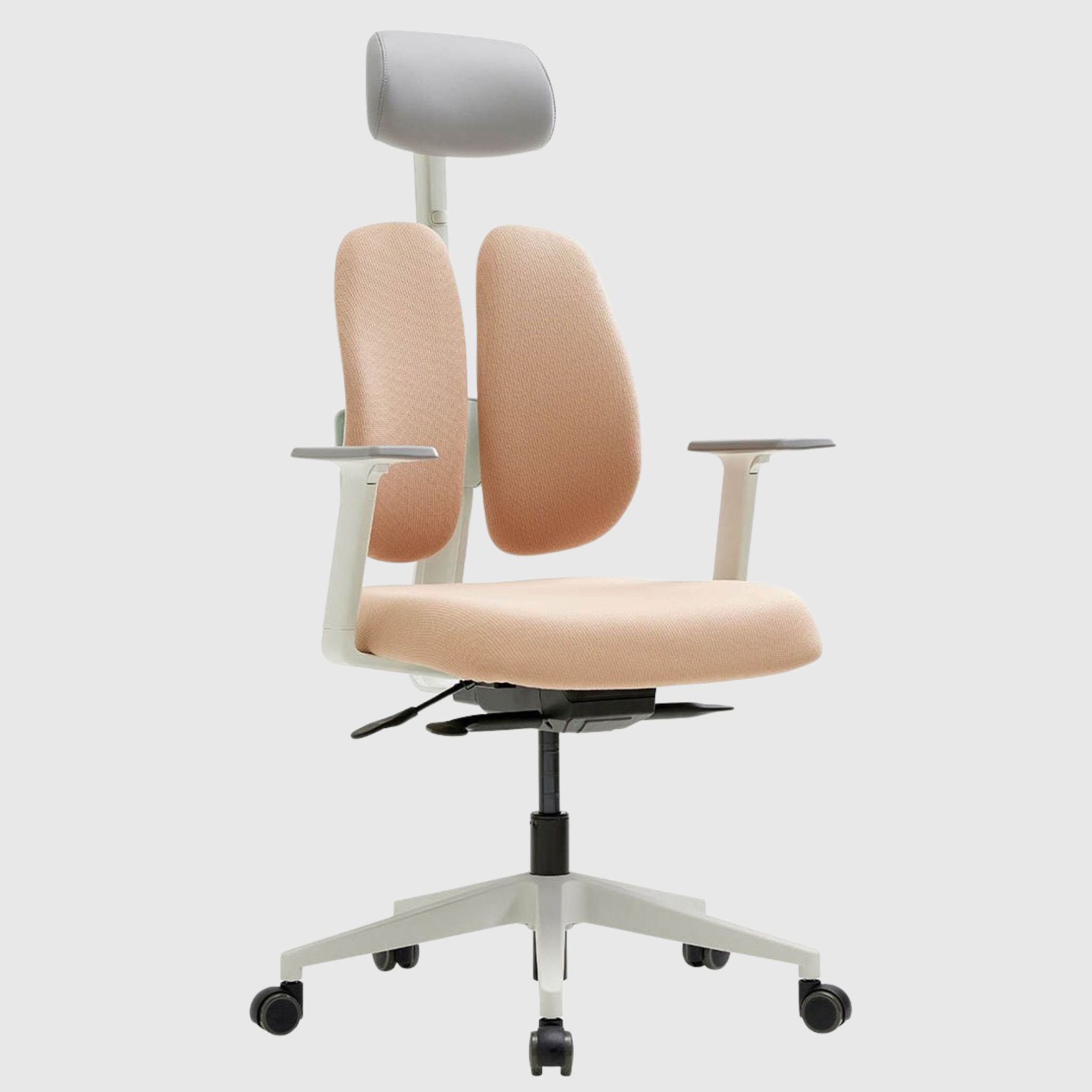
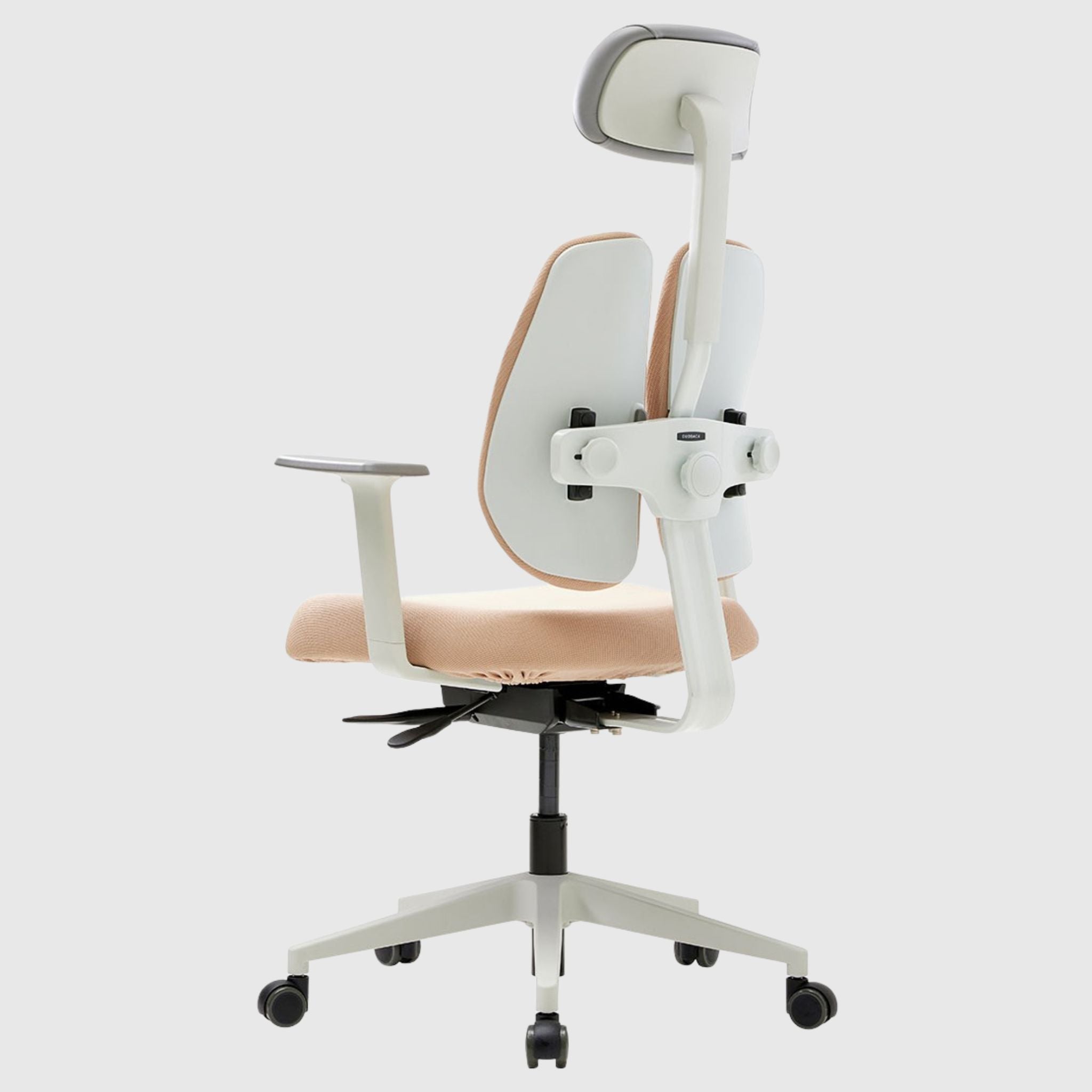
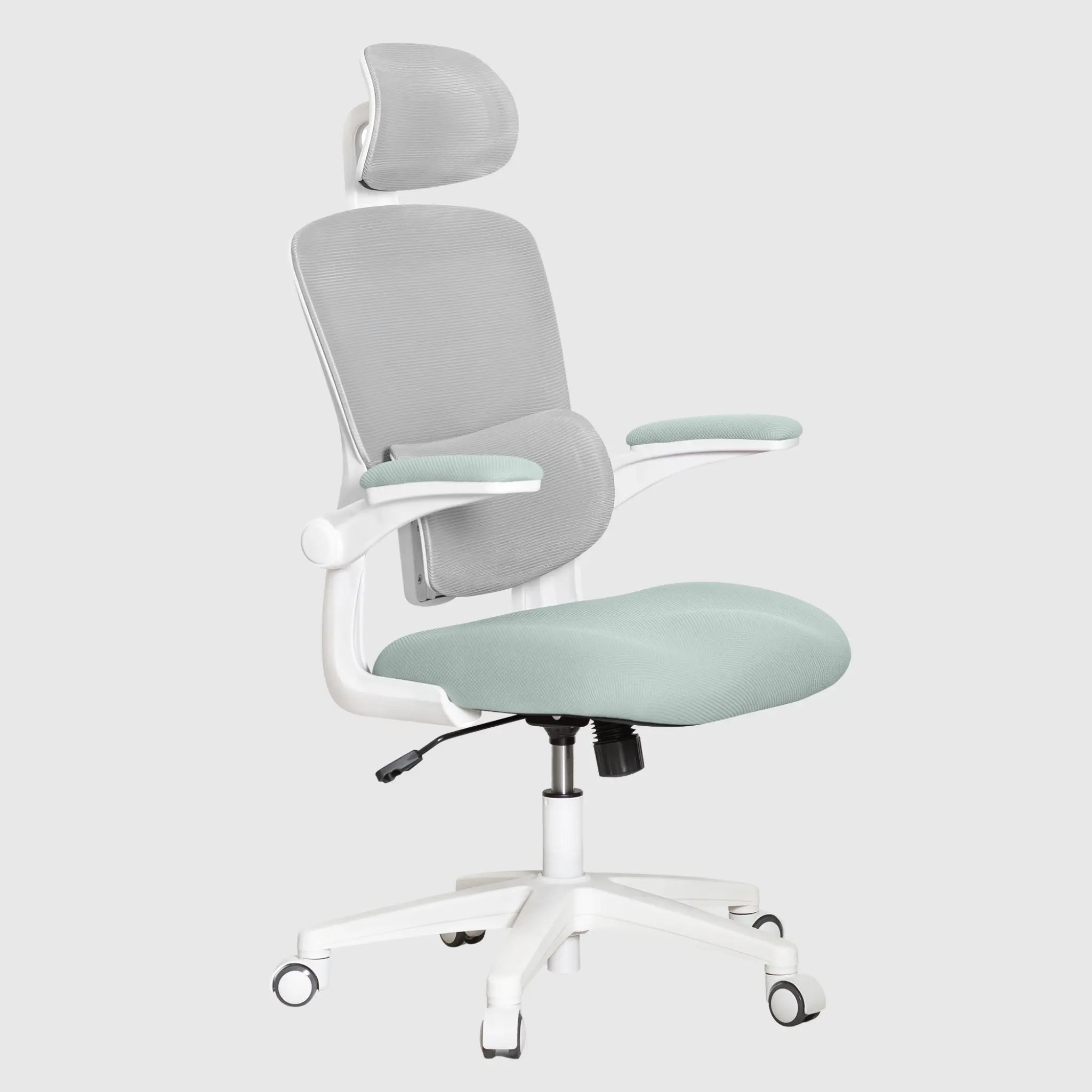
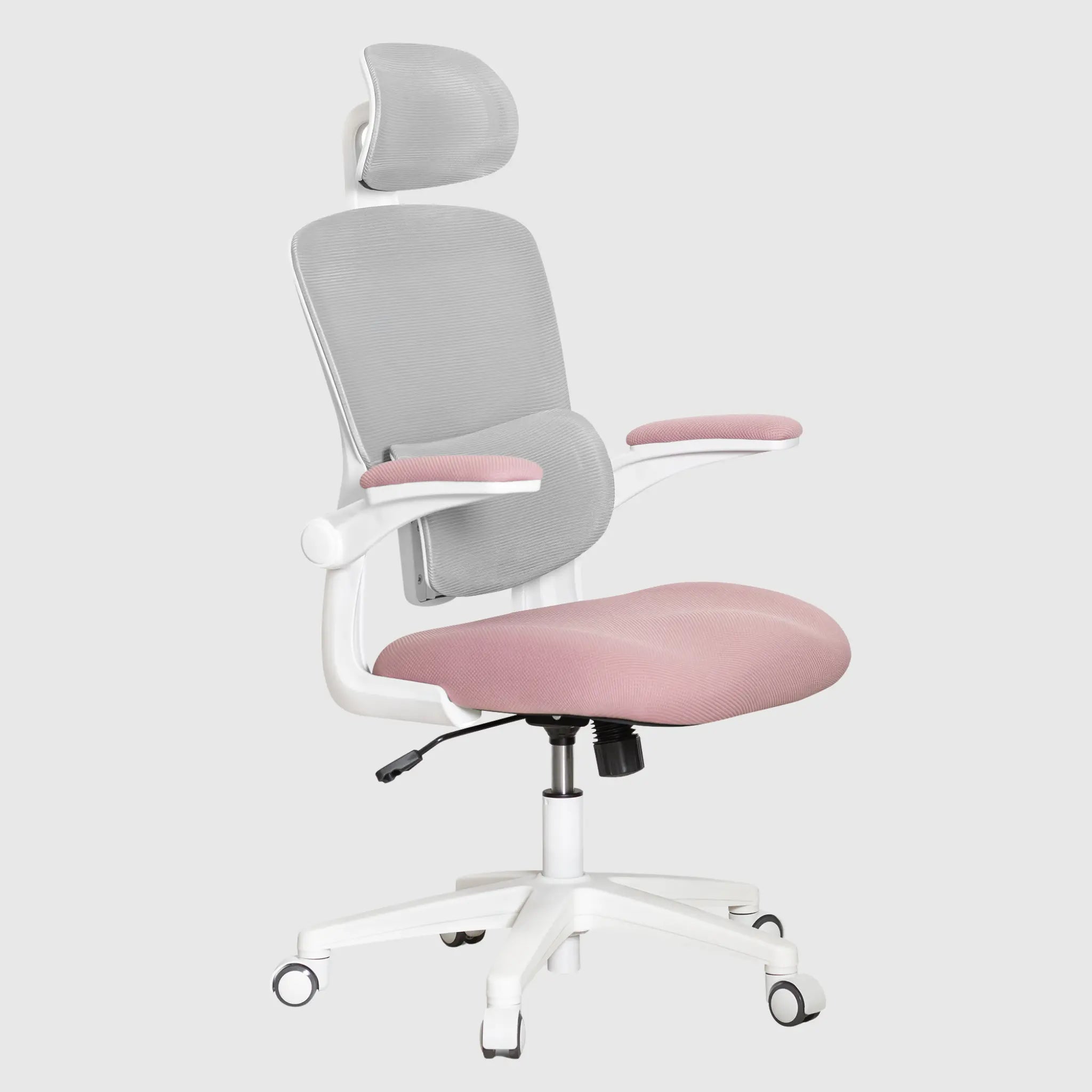
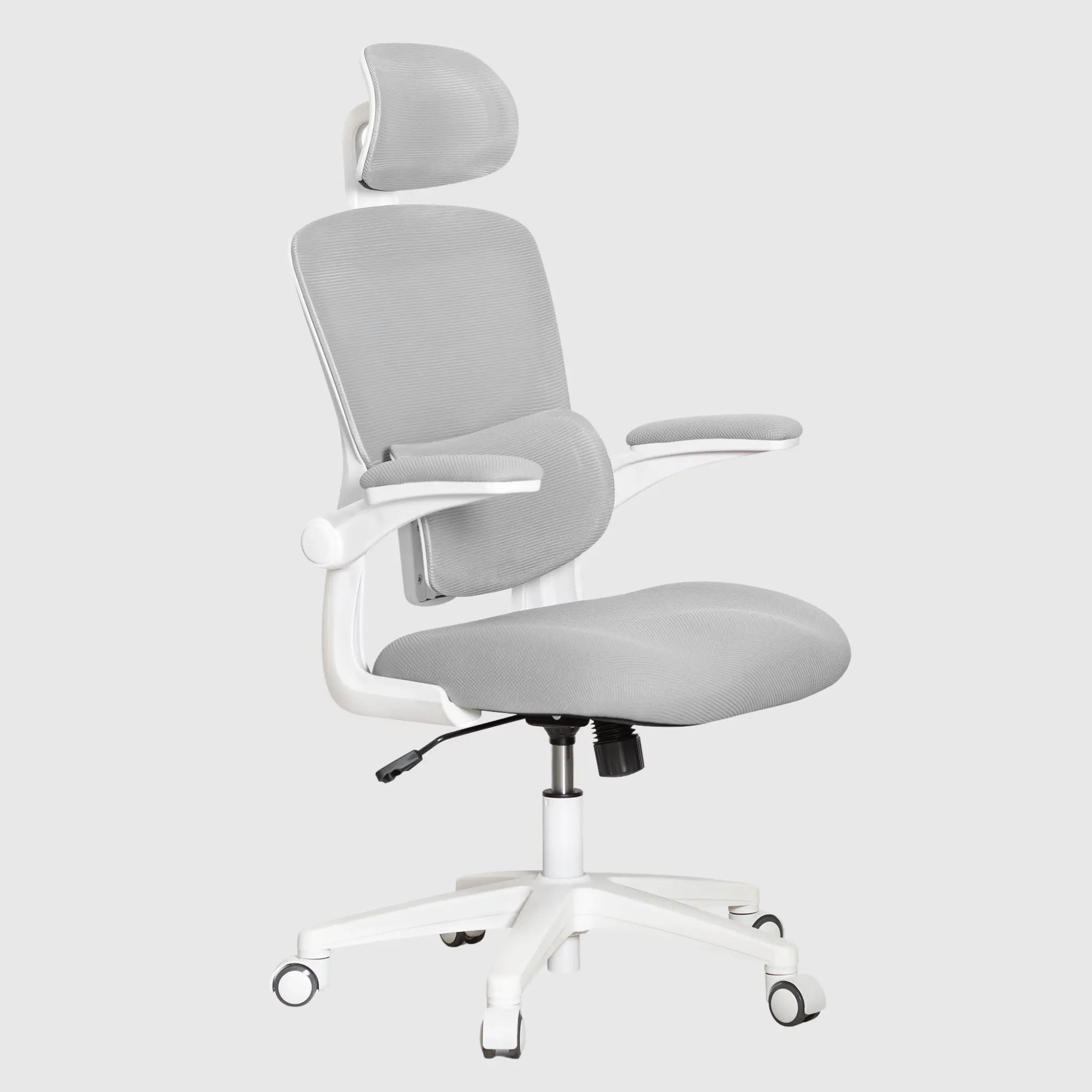
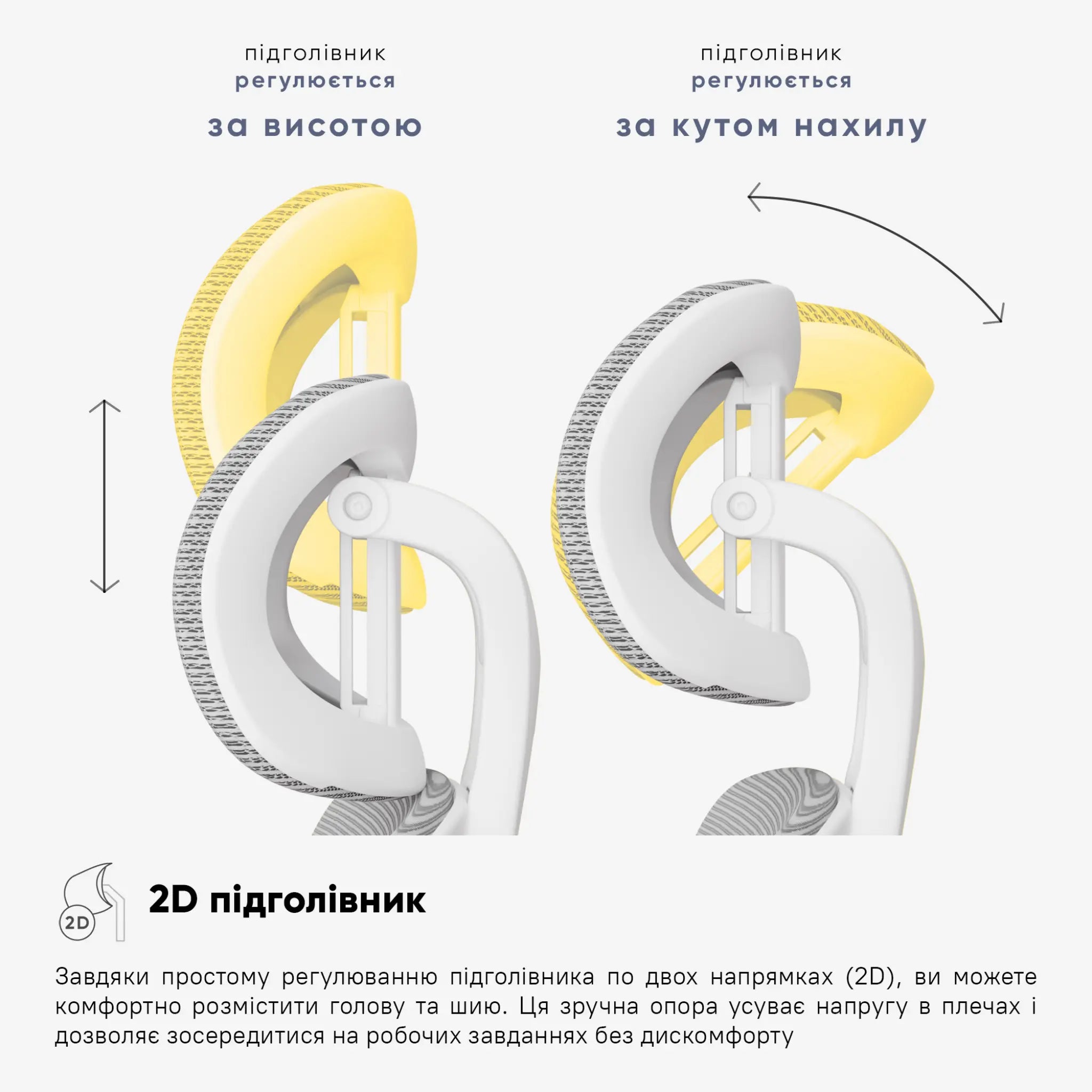
Orthopedic teenage chair Junior T1 with lumbar support
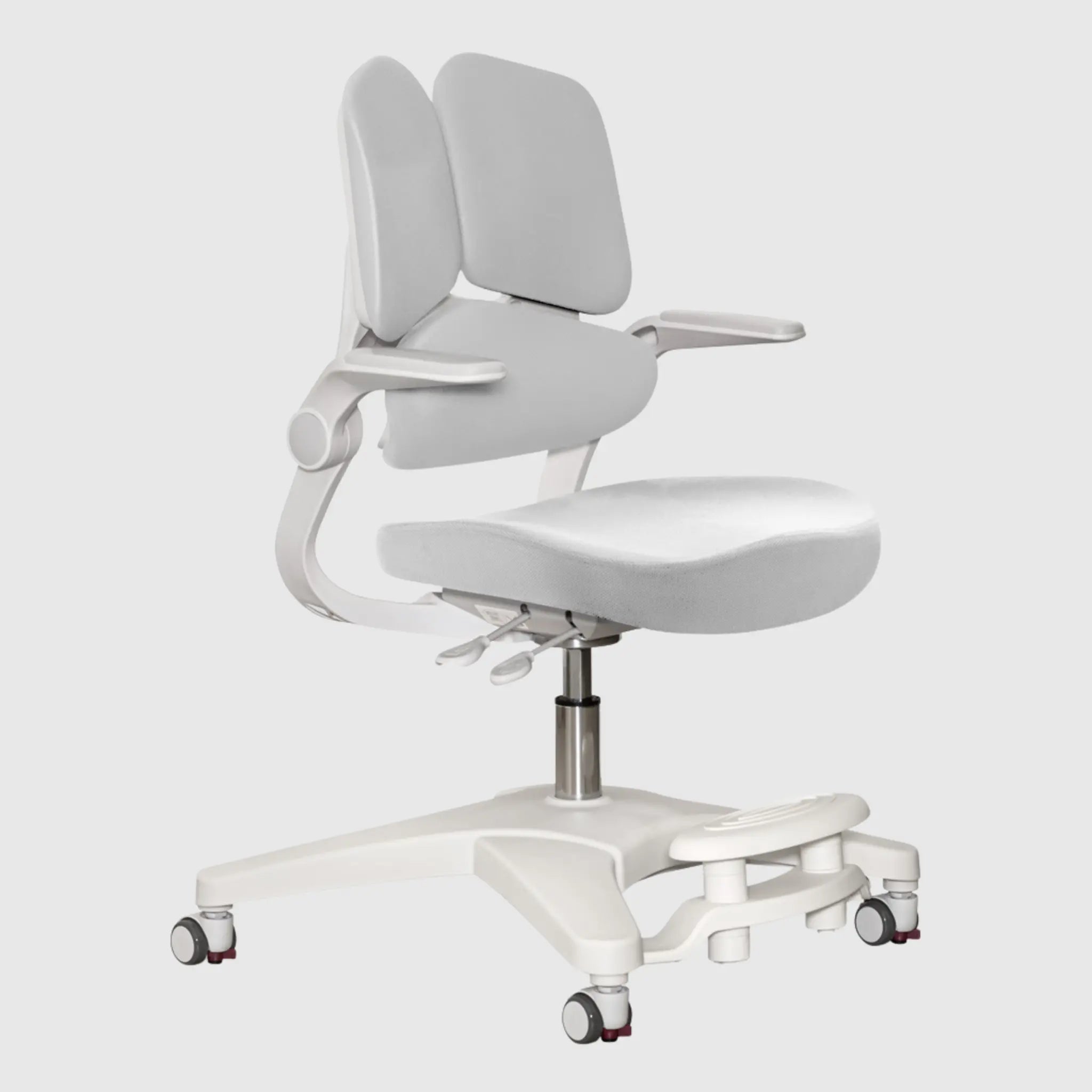
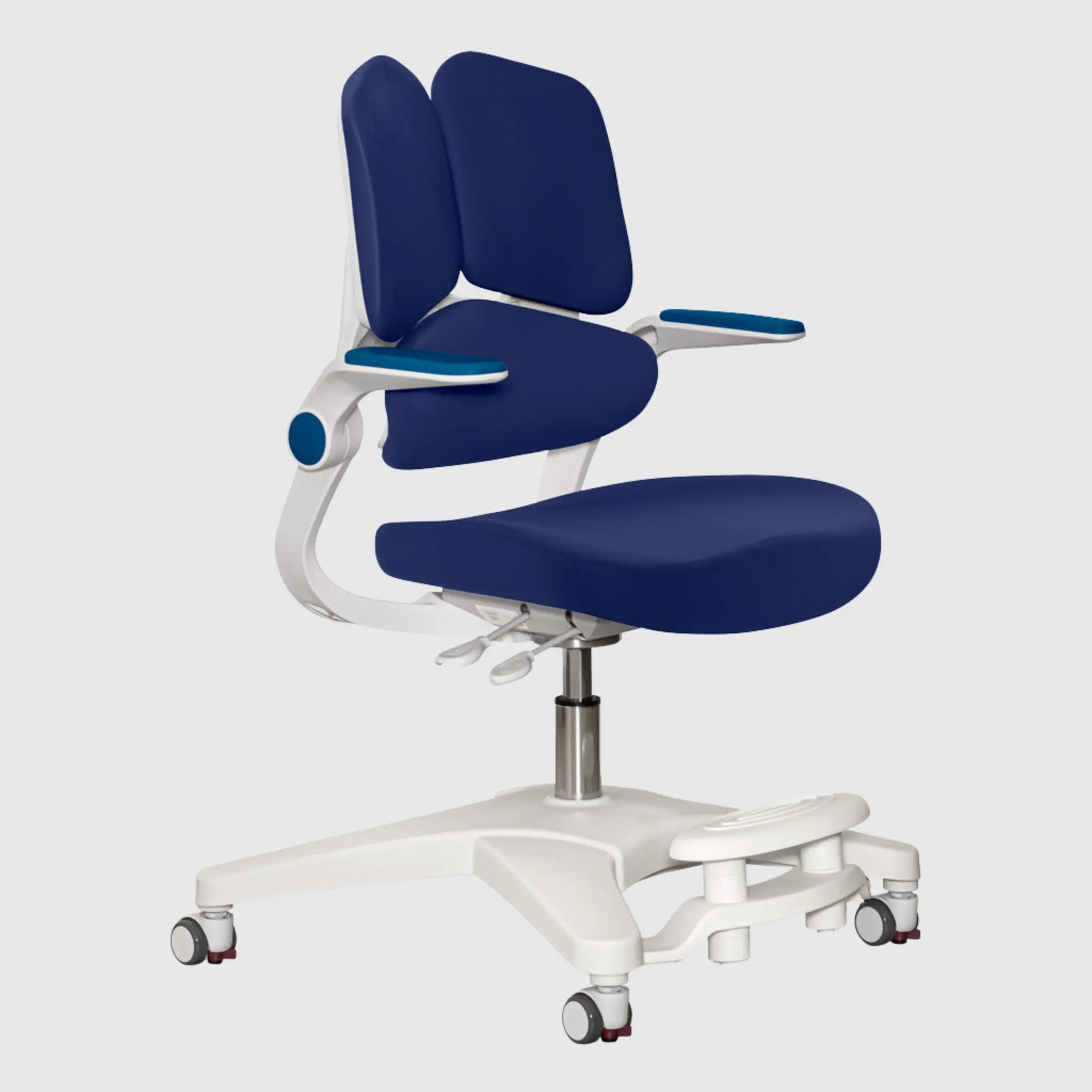
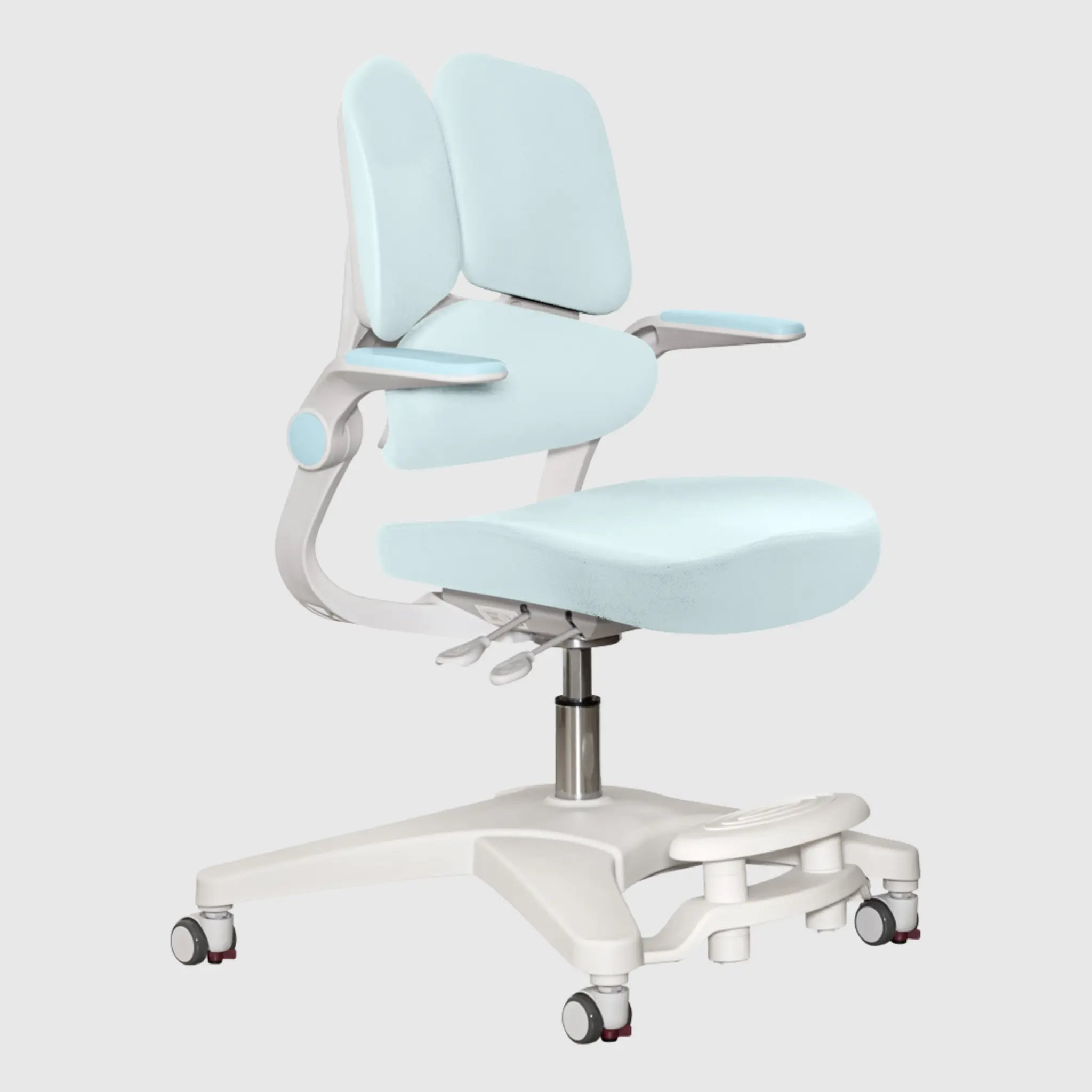
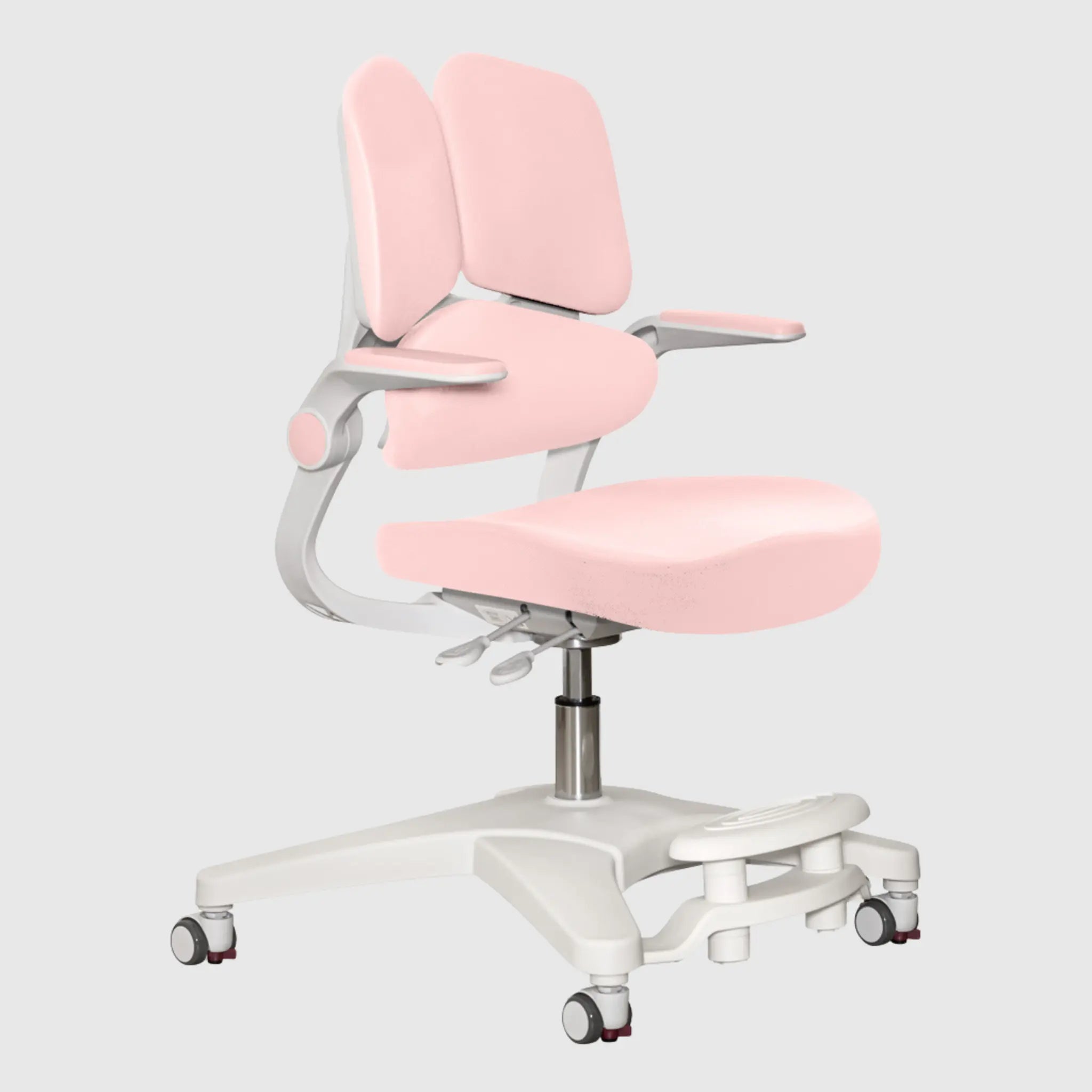
Trident high chair with back support – grows with your child
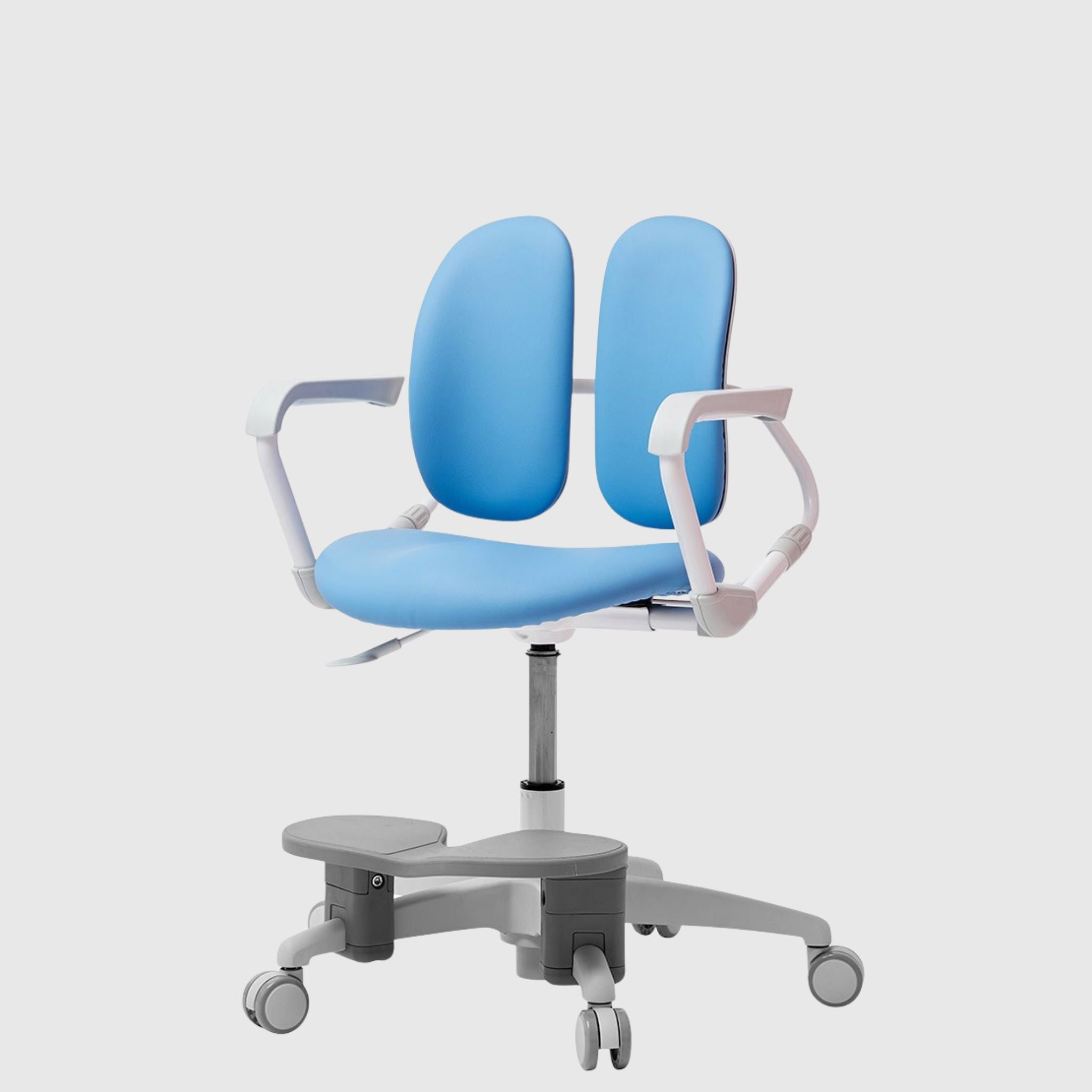
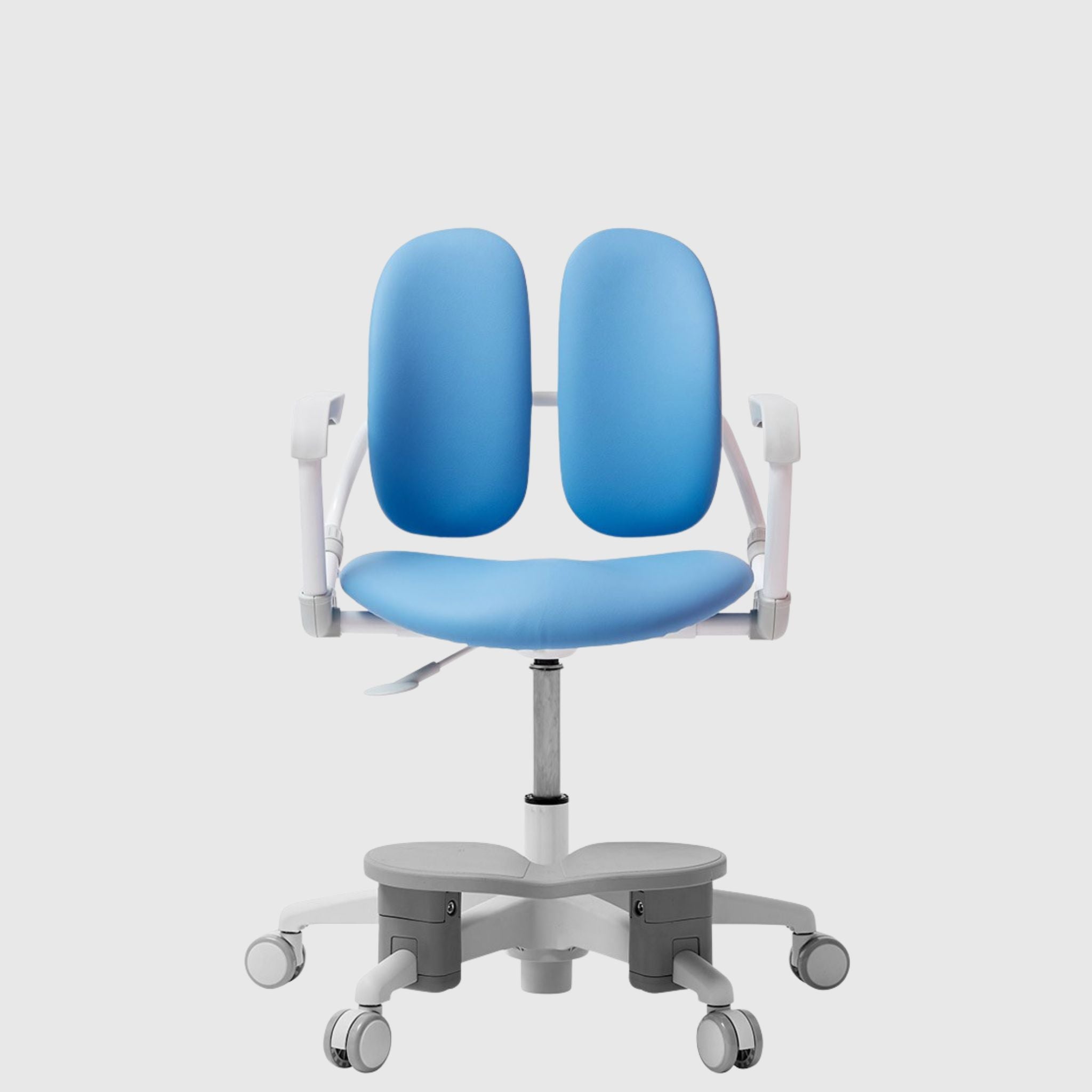
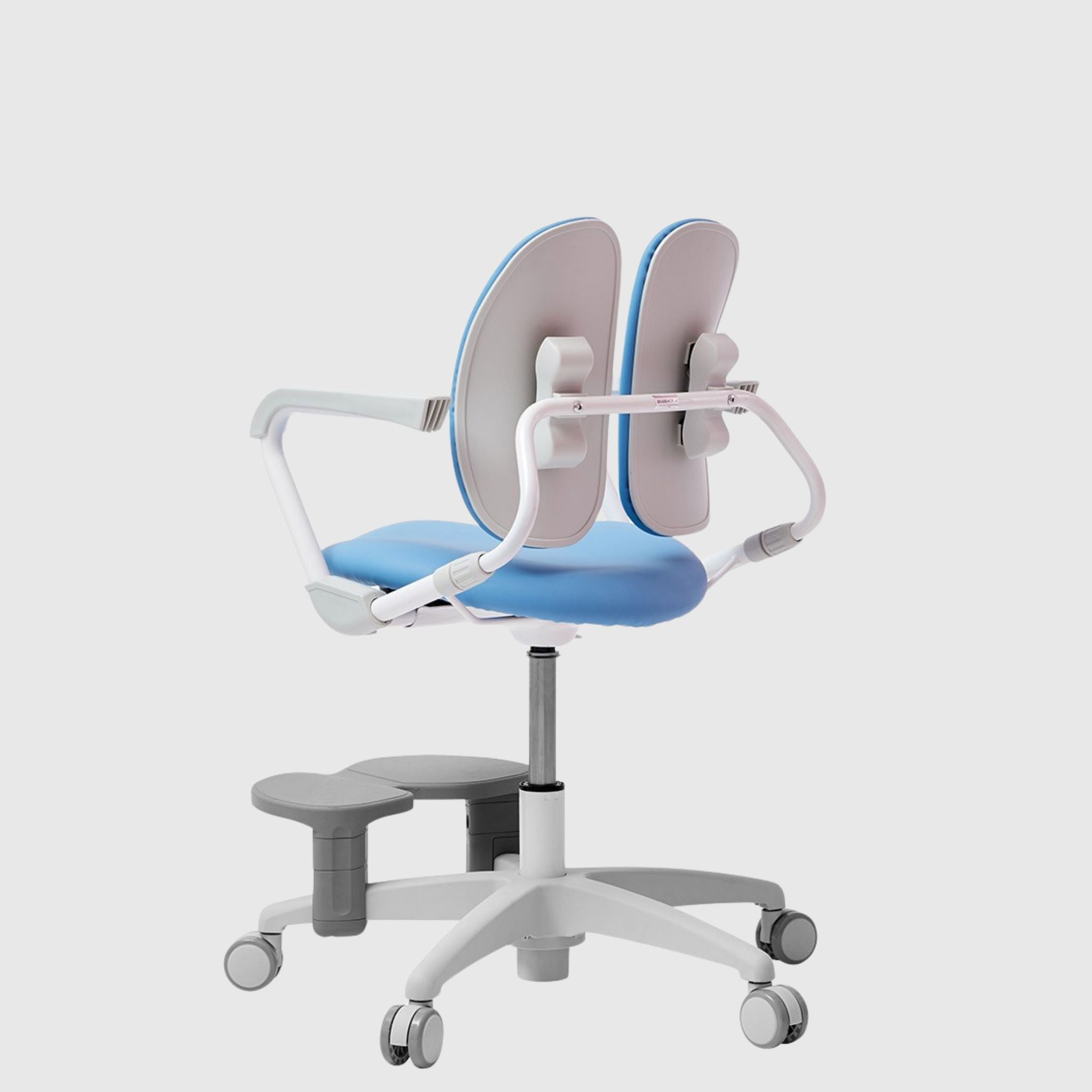
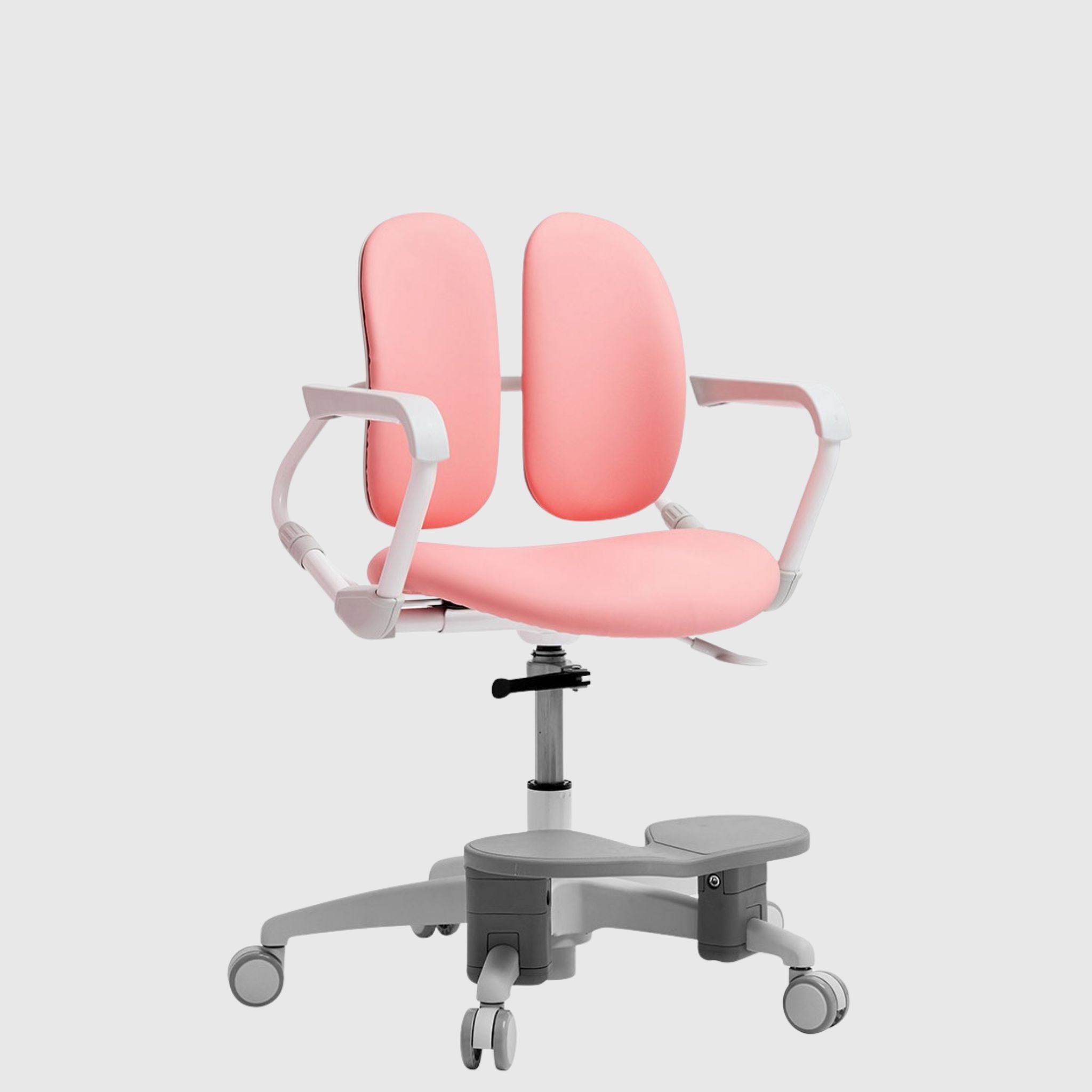
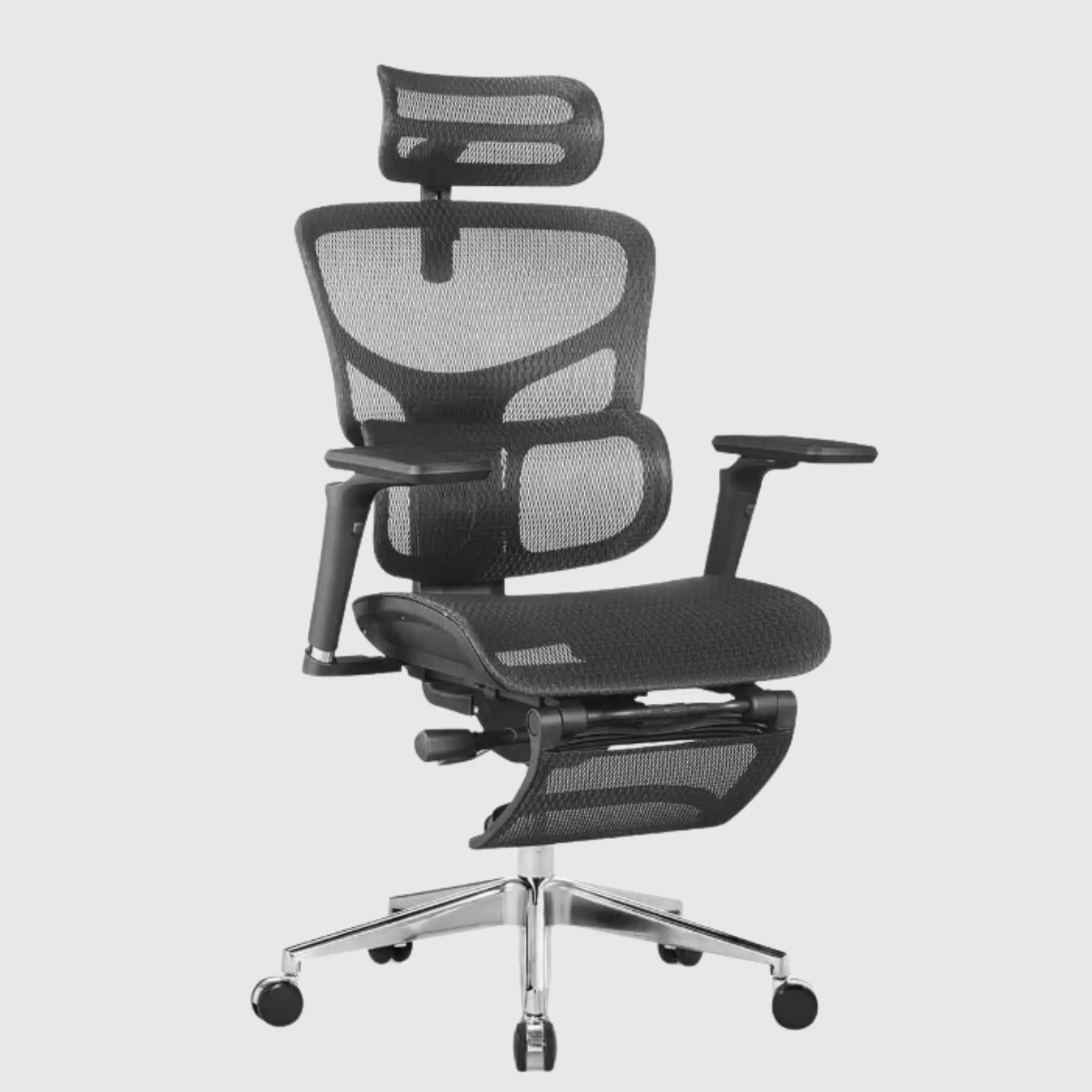
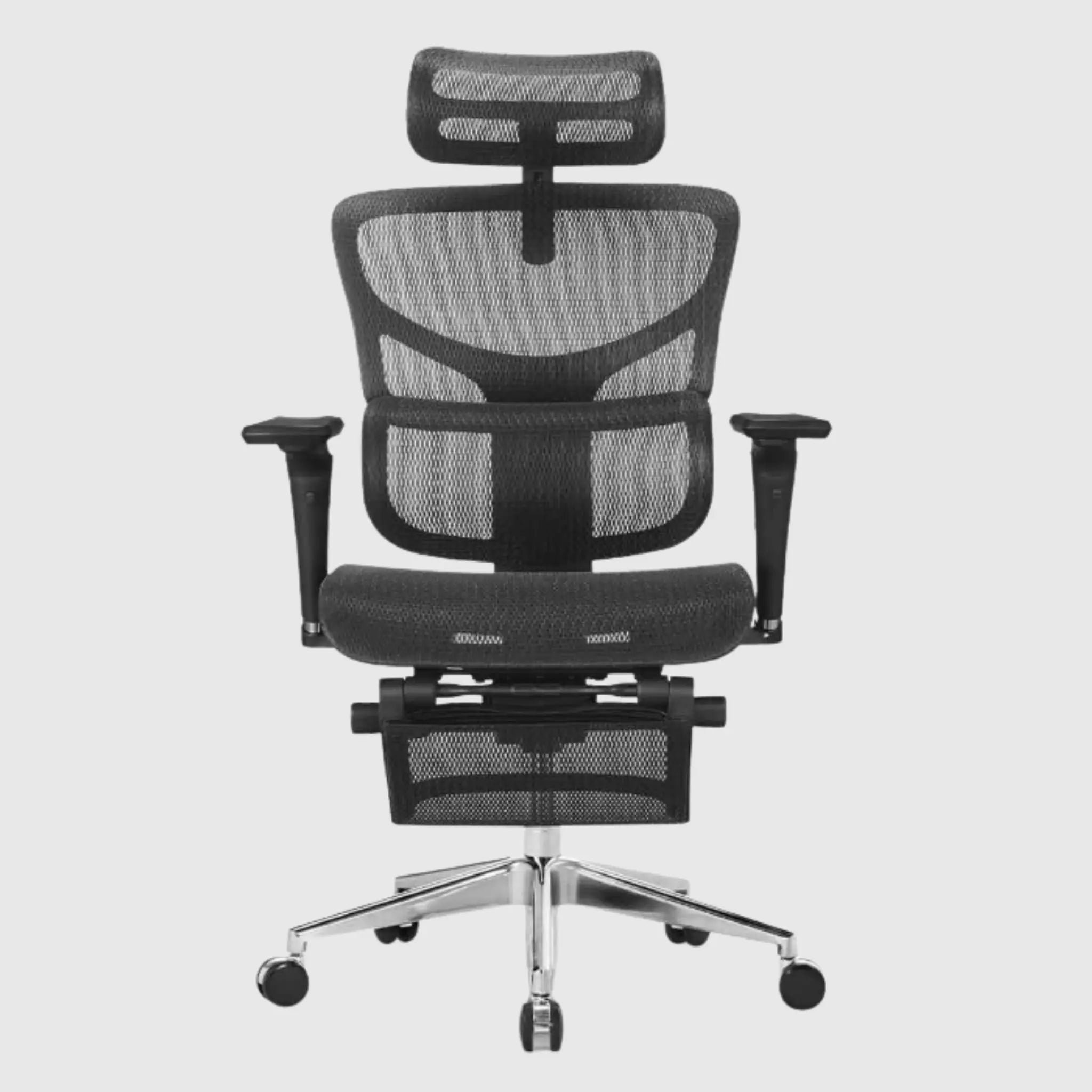
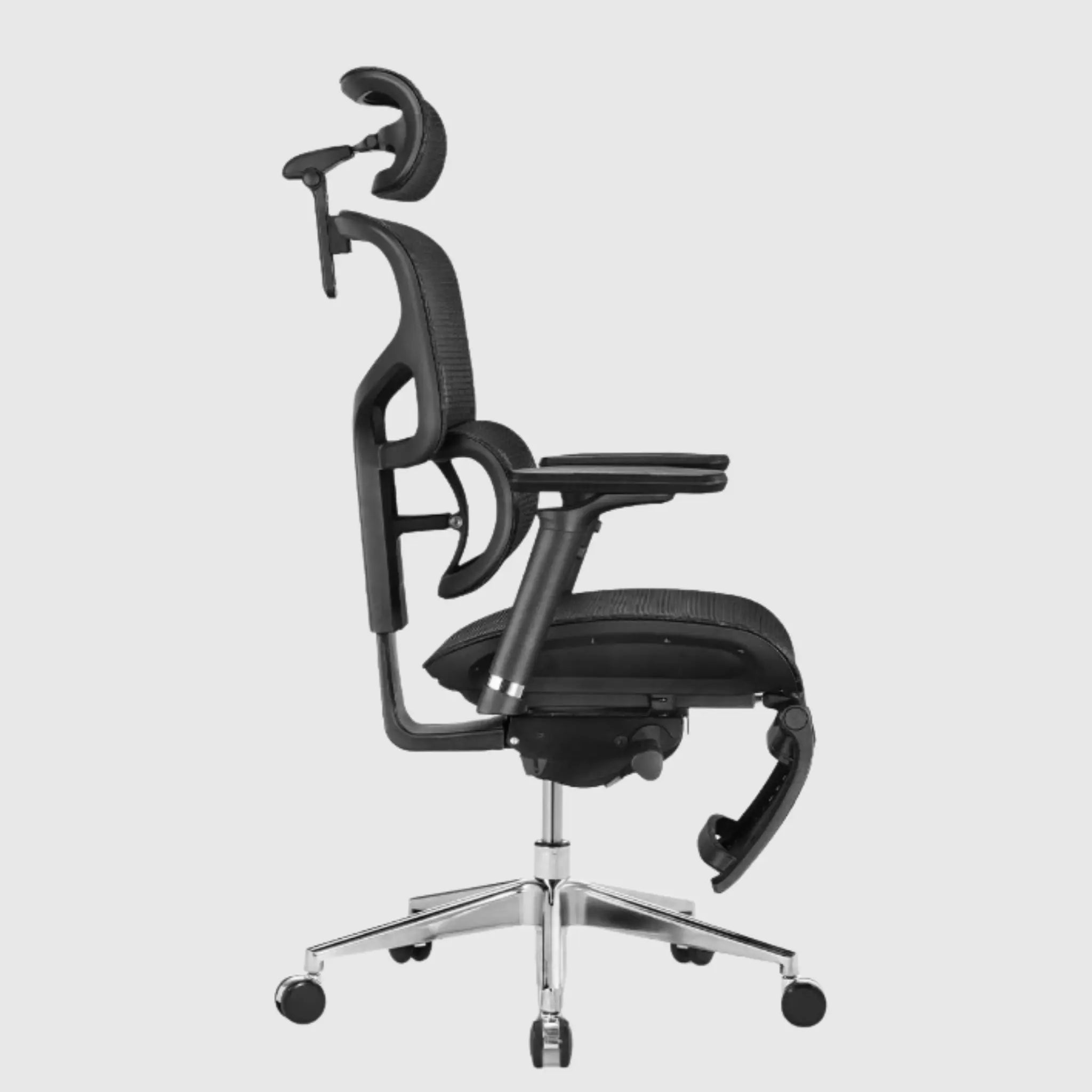
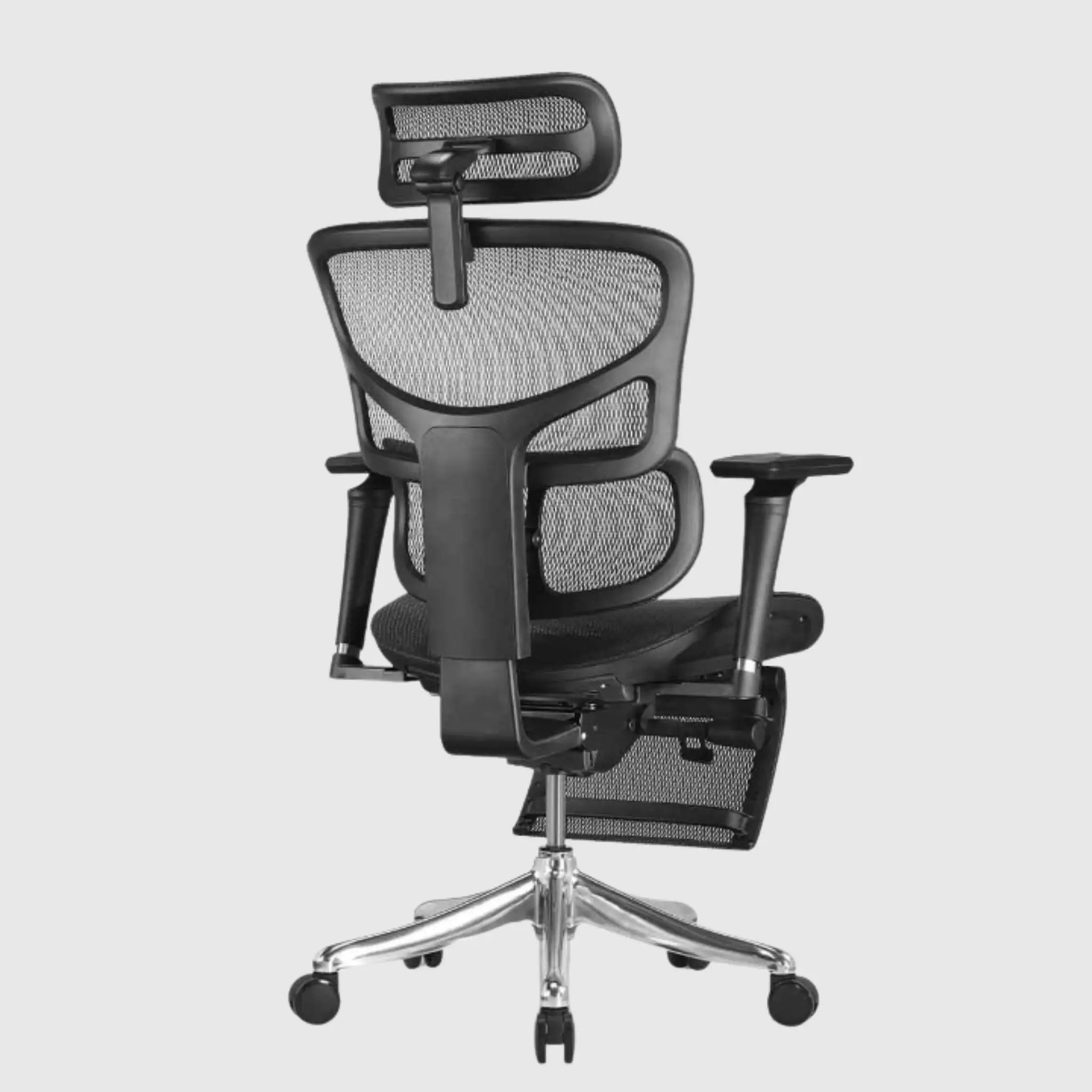
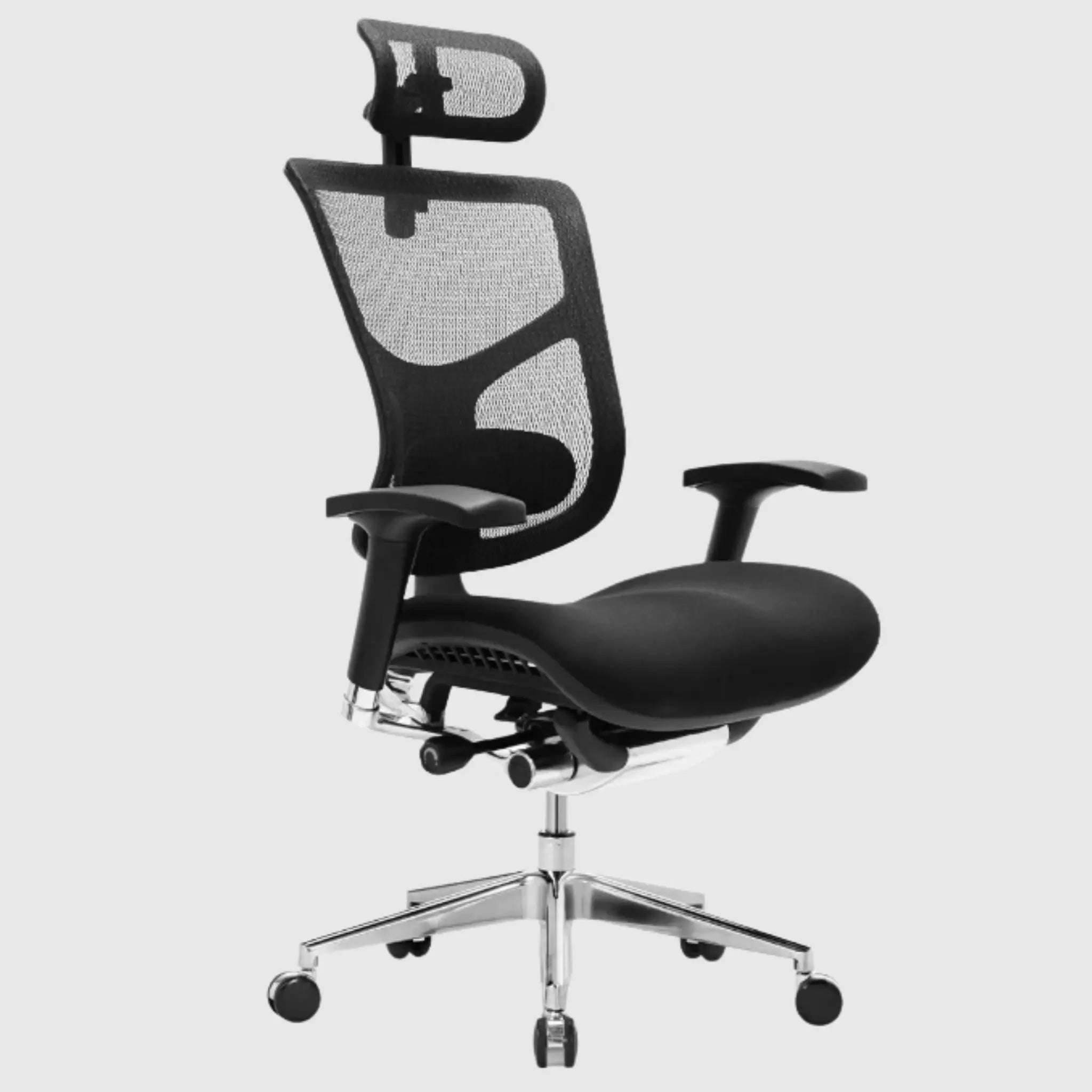
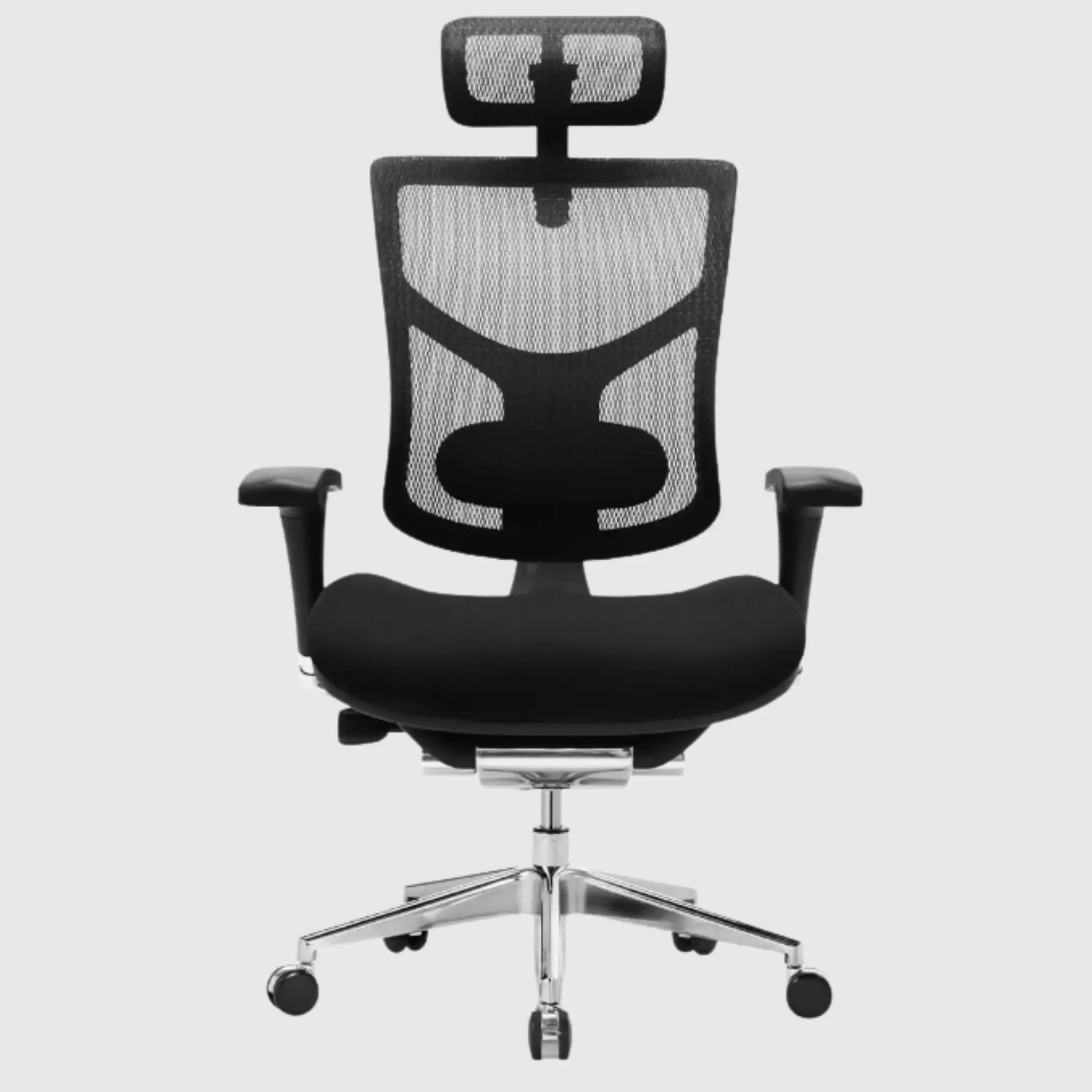
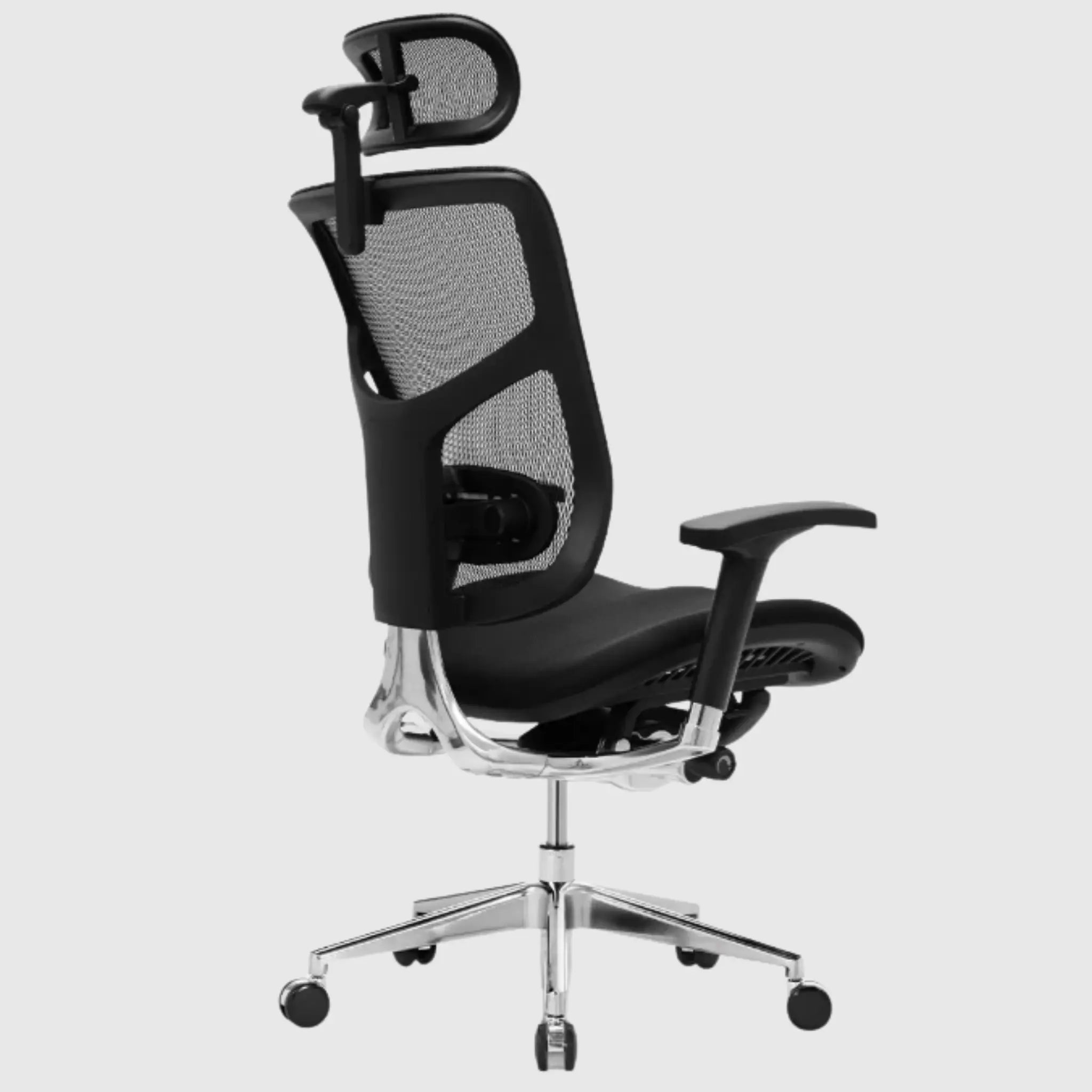
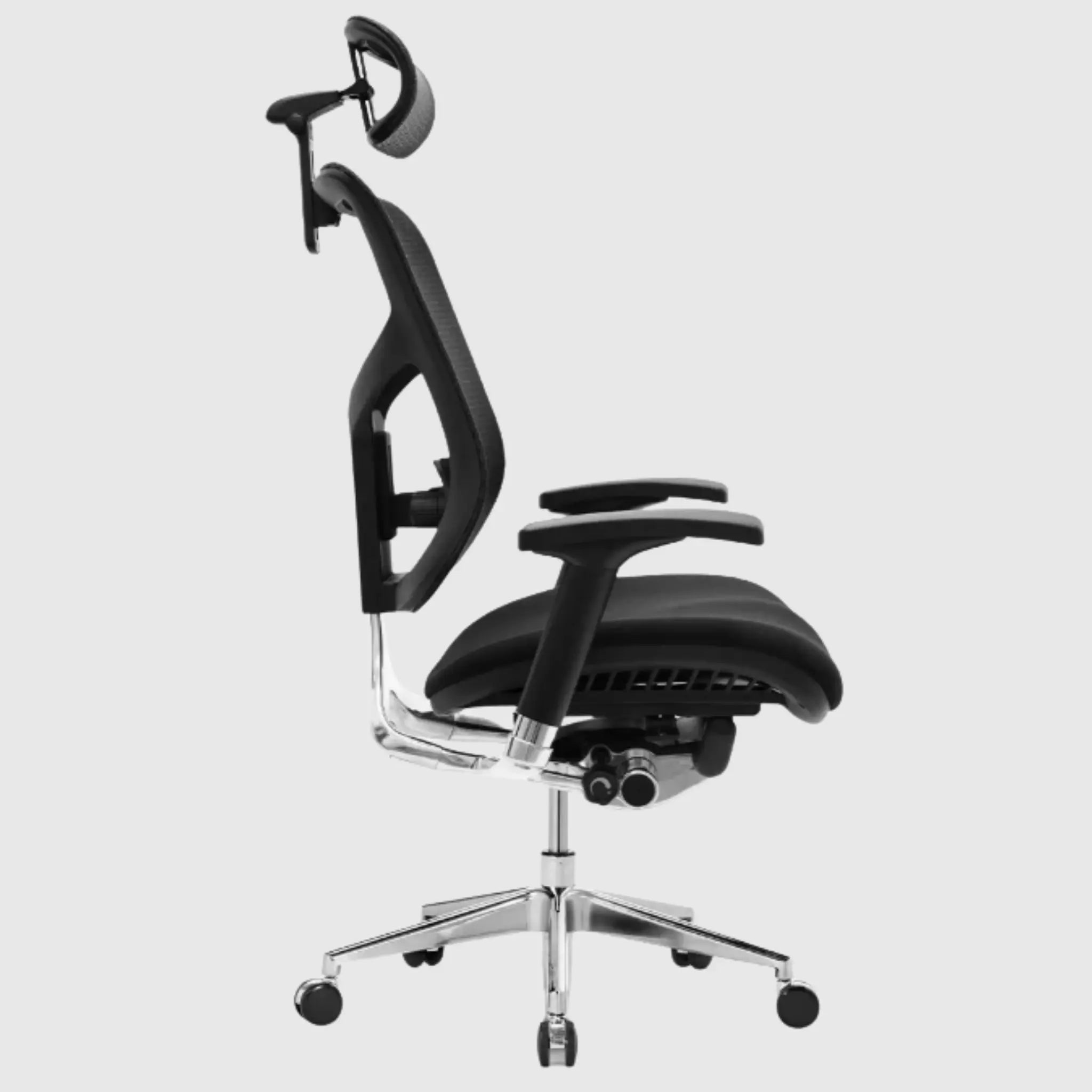
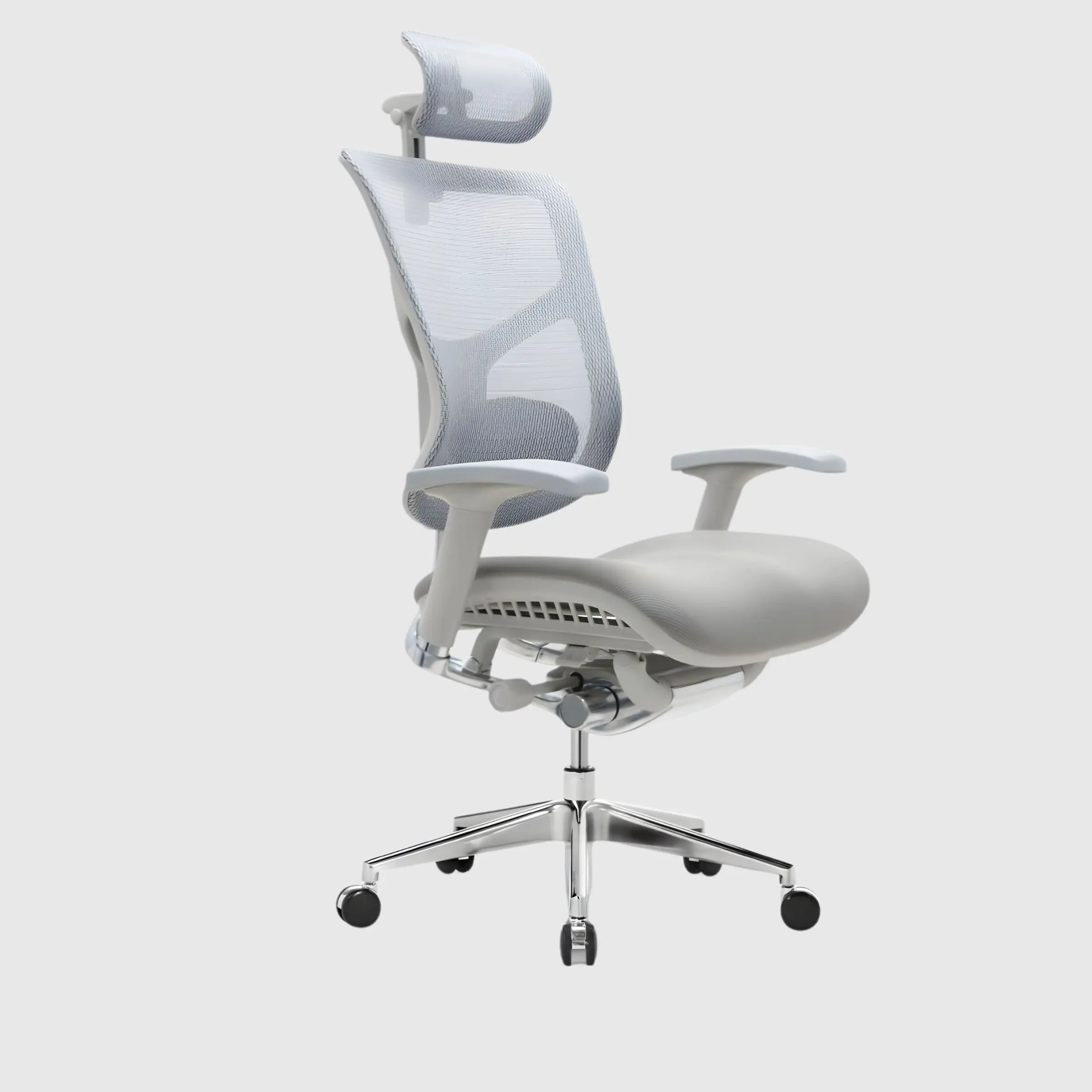
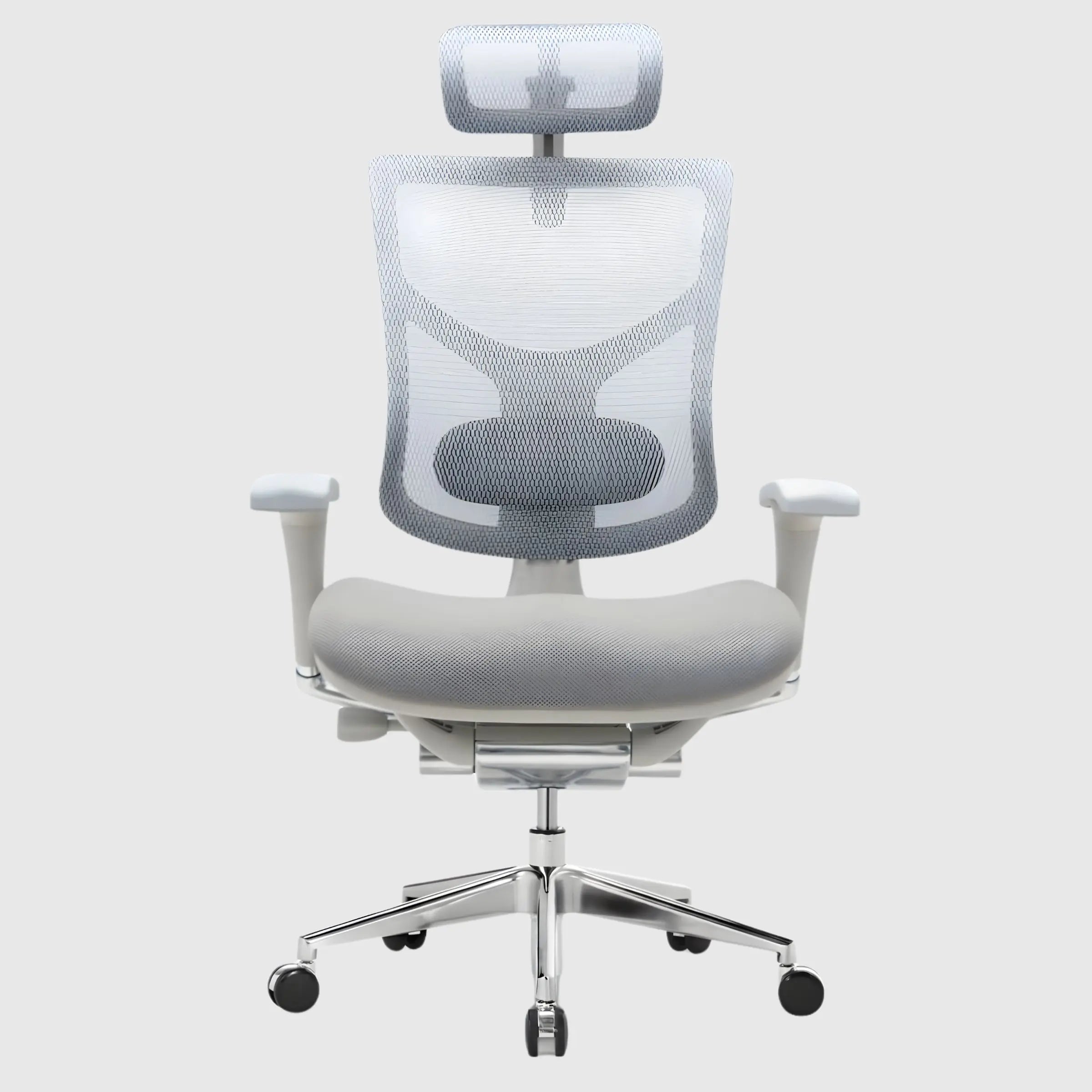
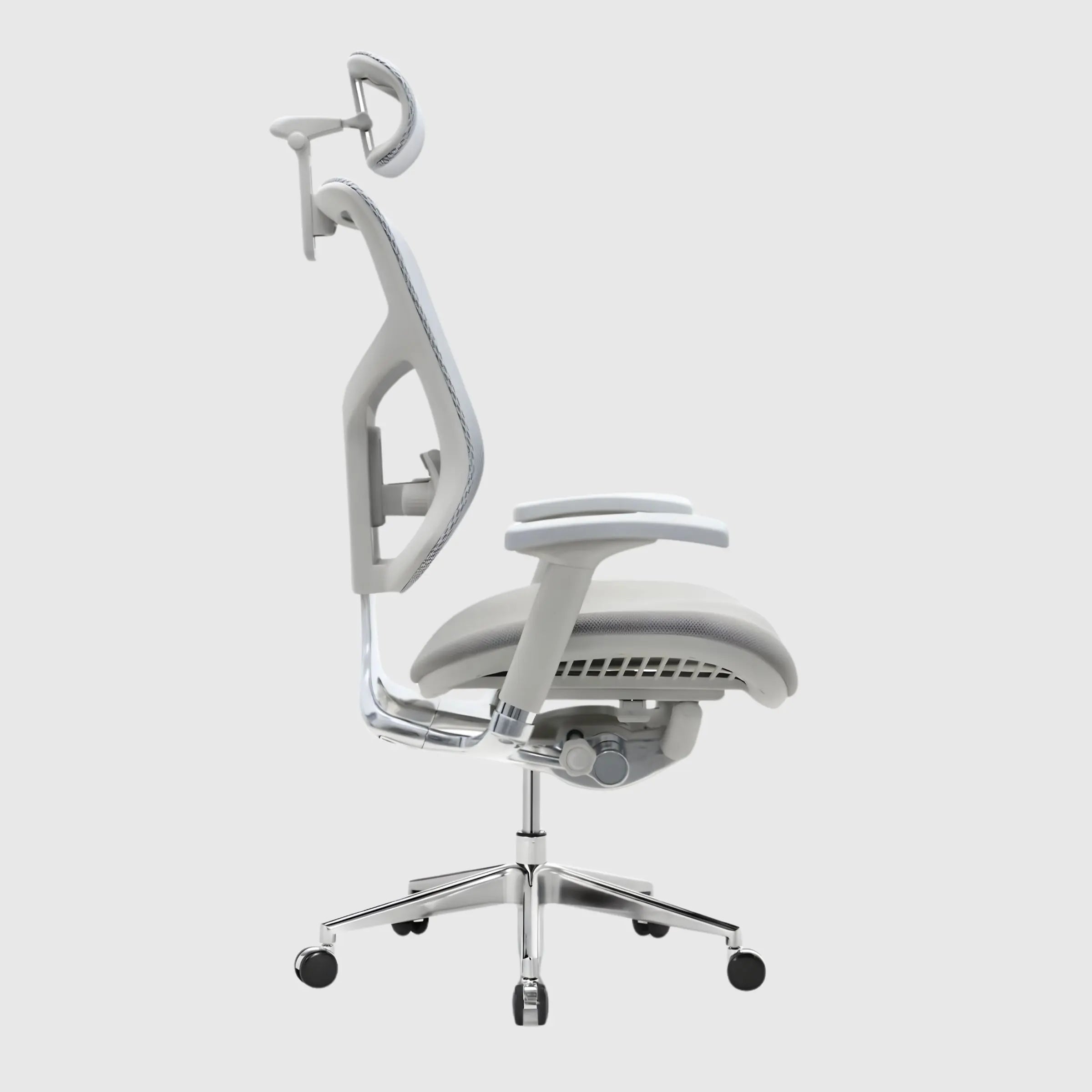
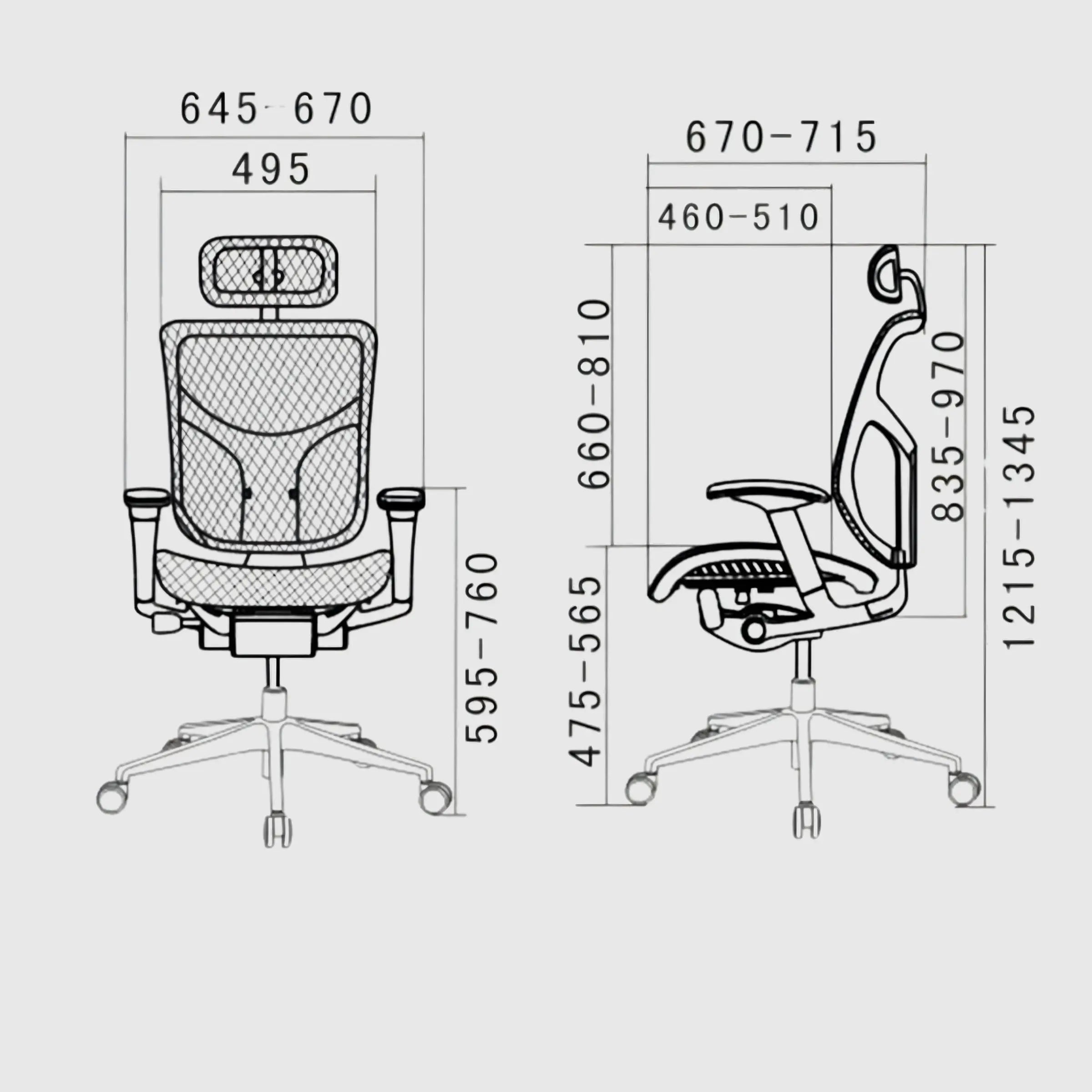
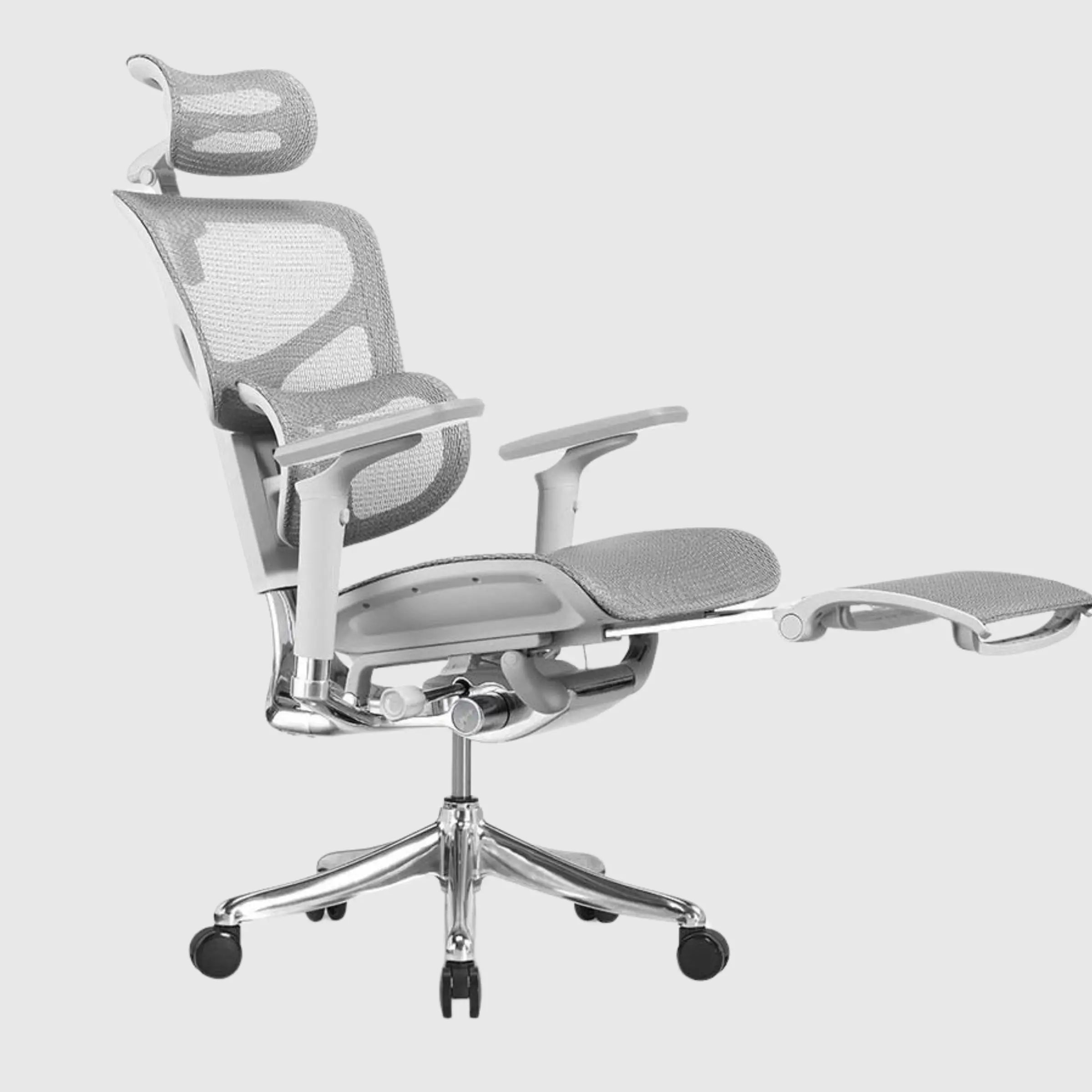
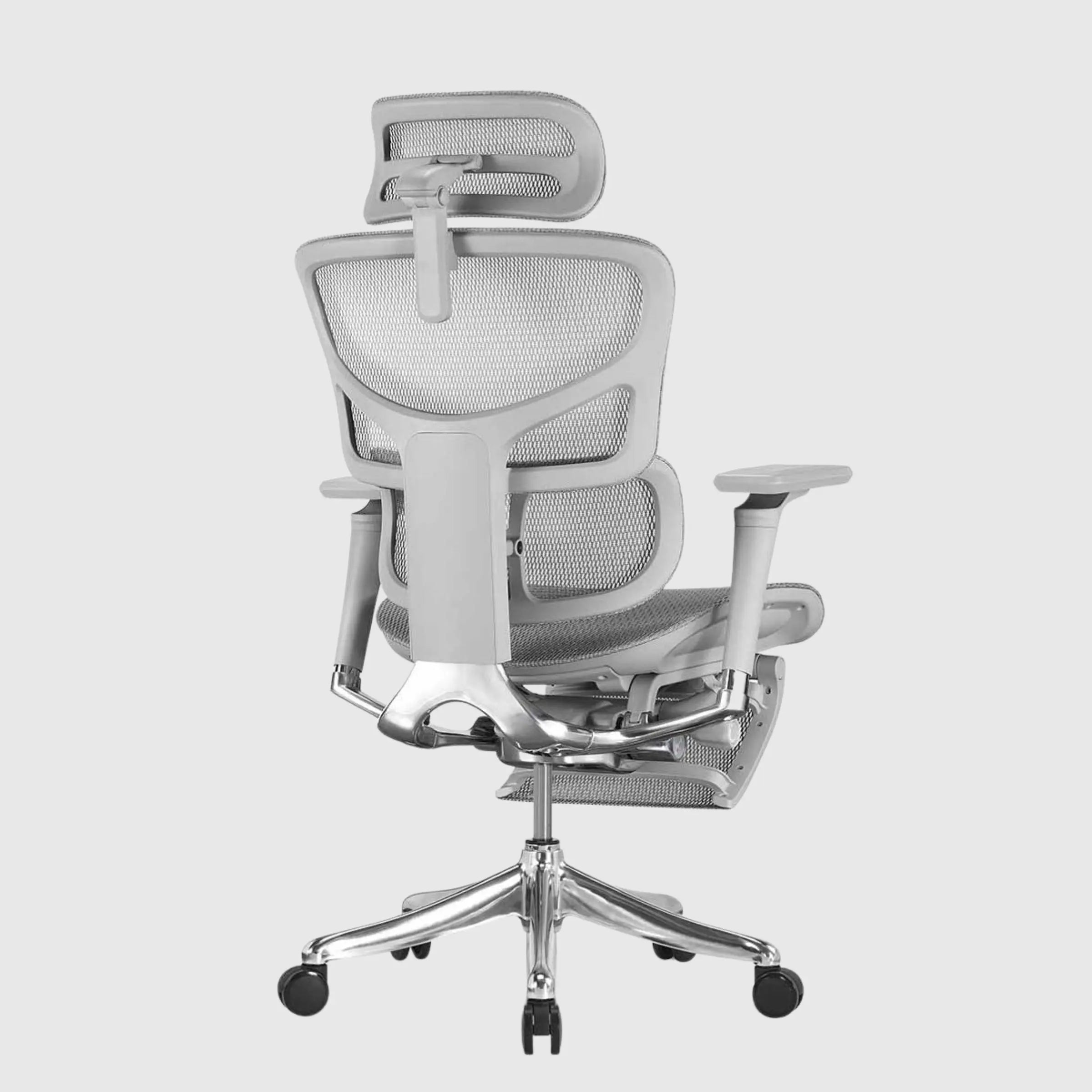
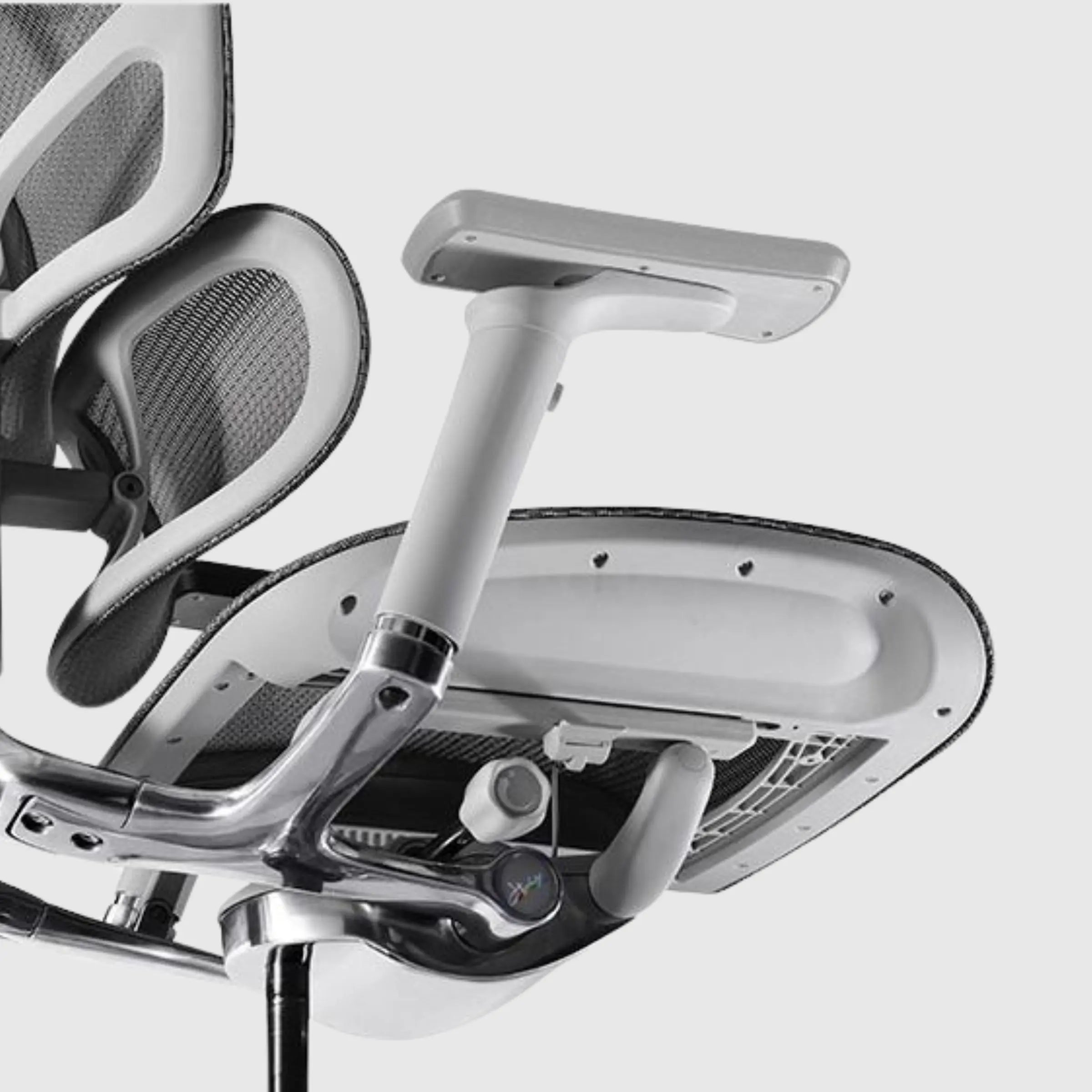
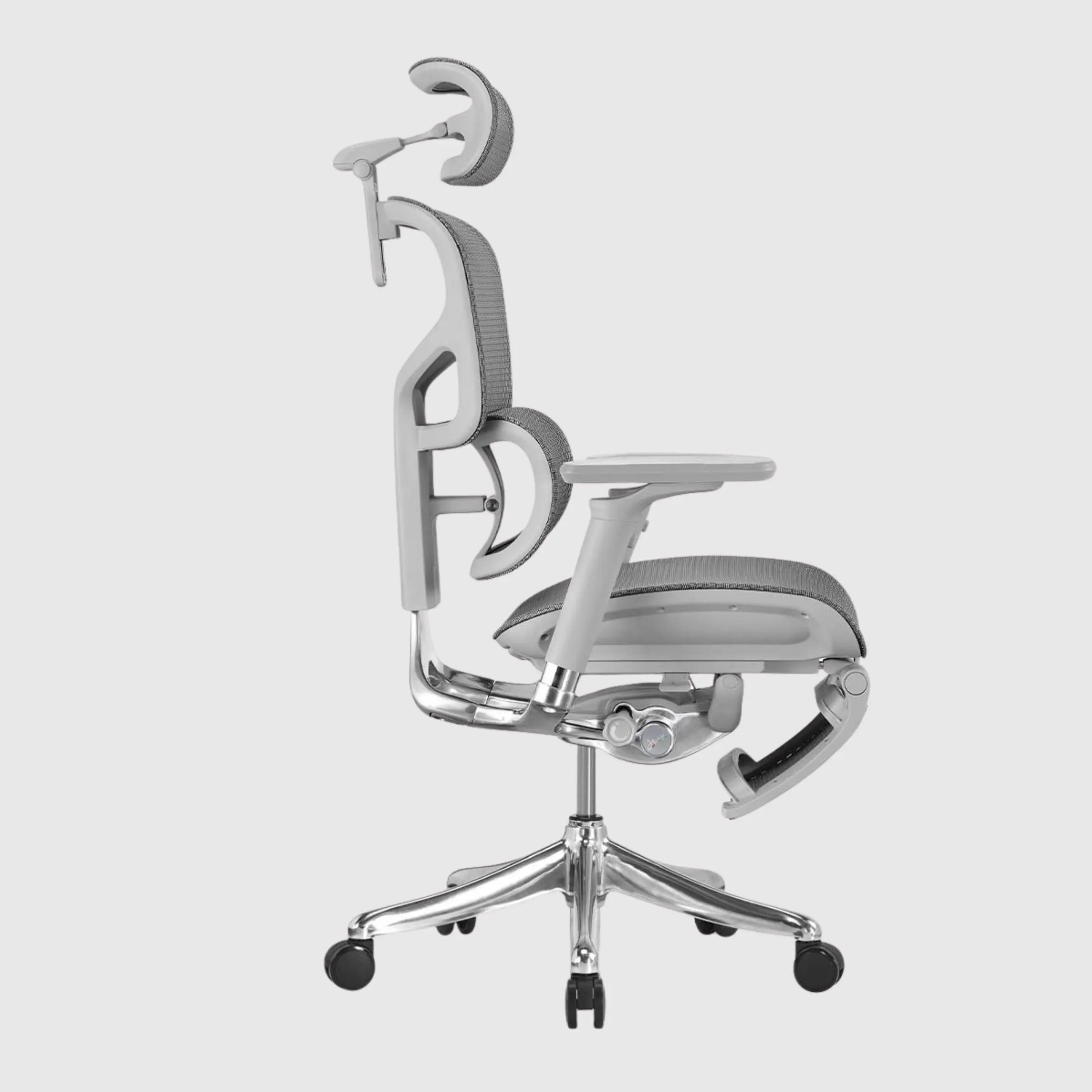
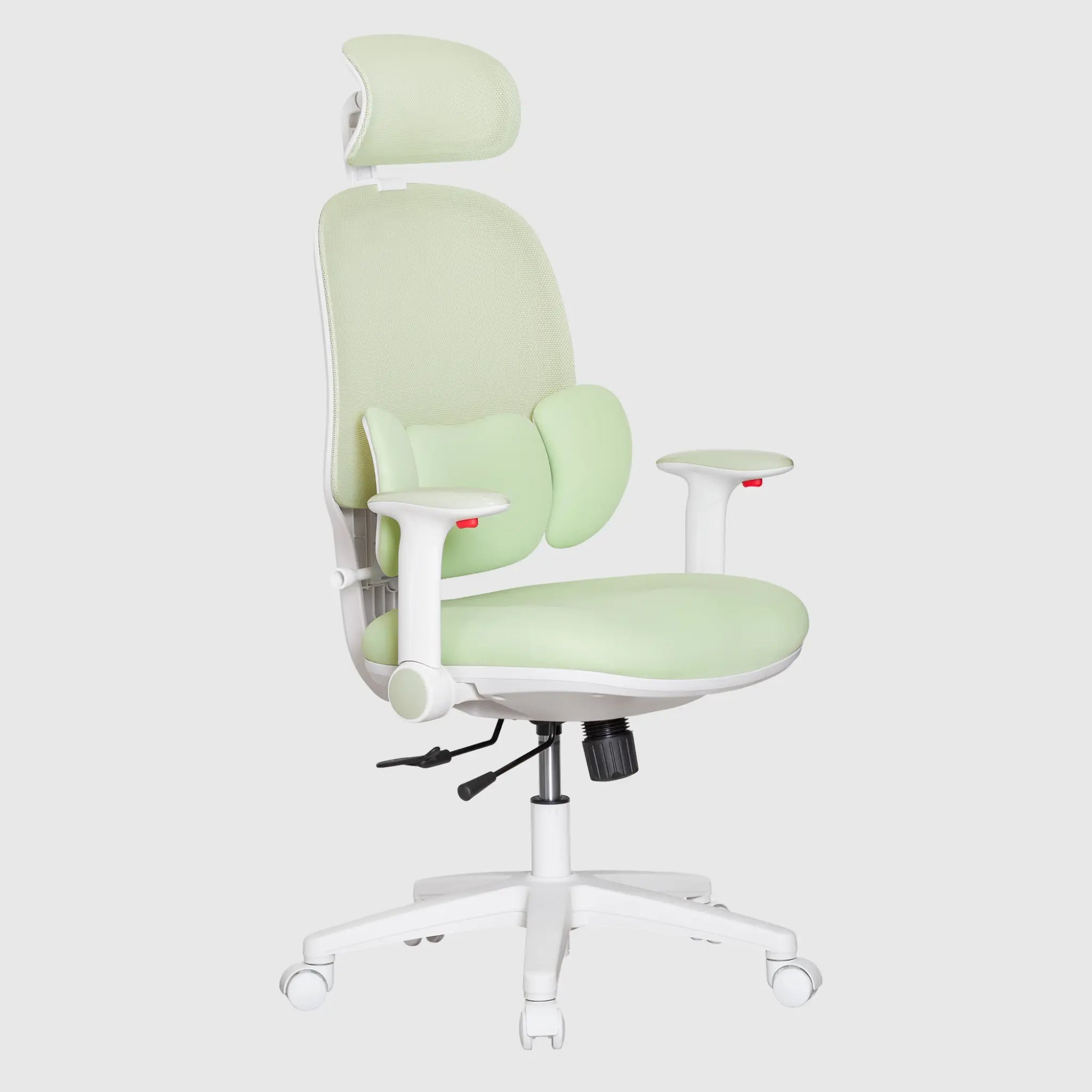
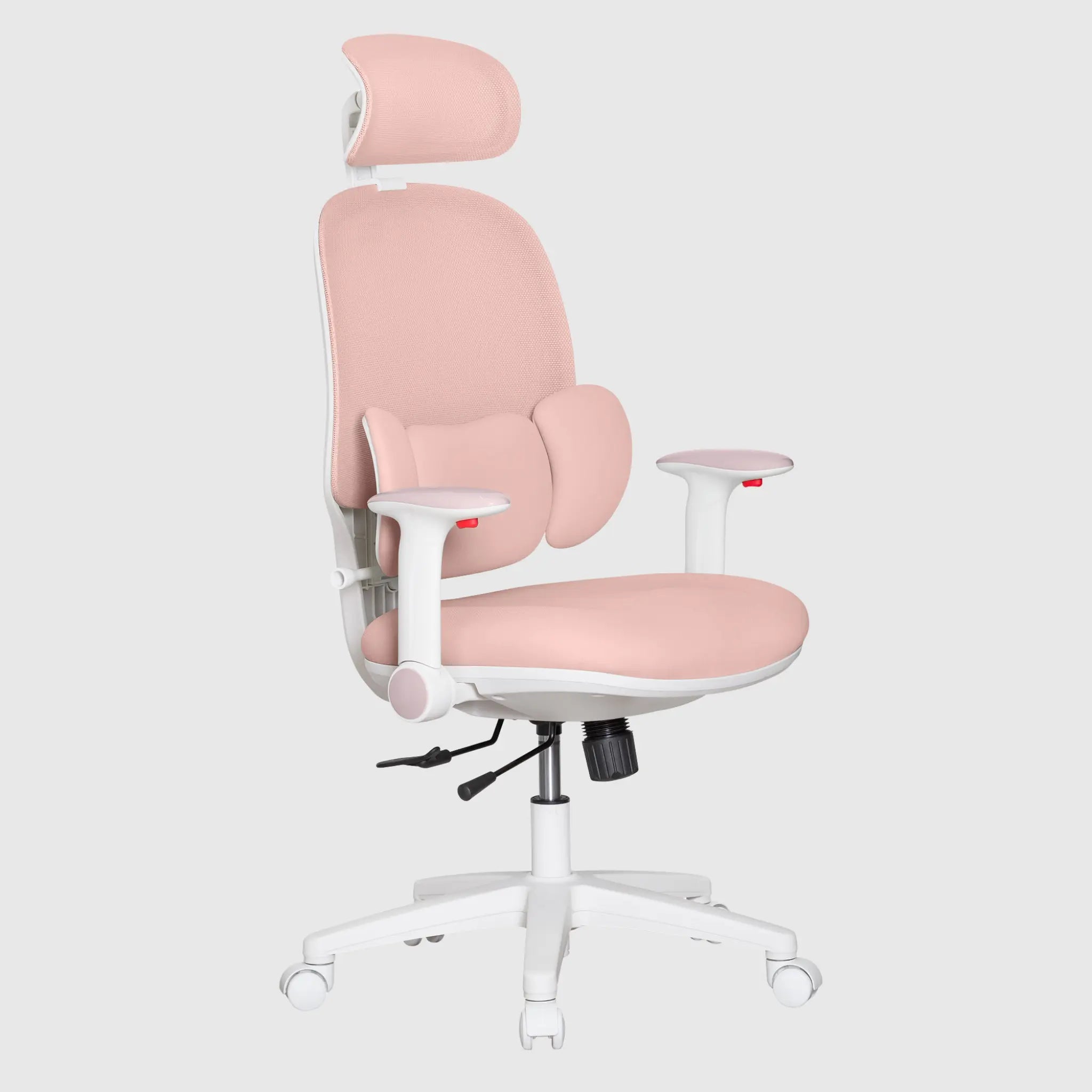
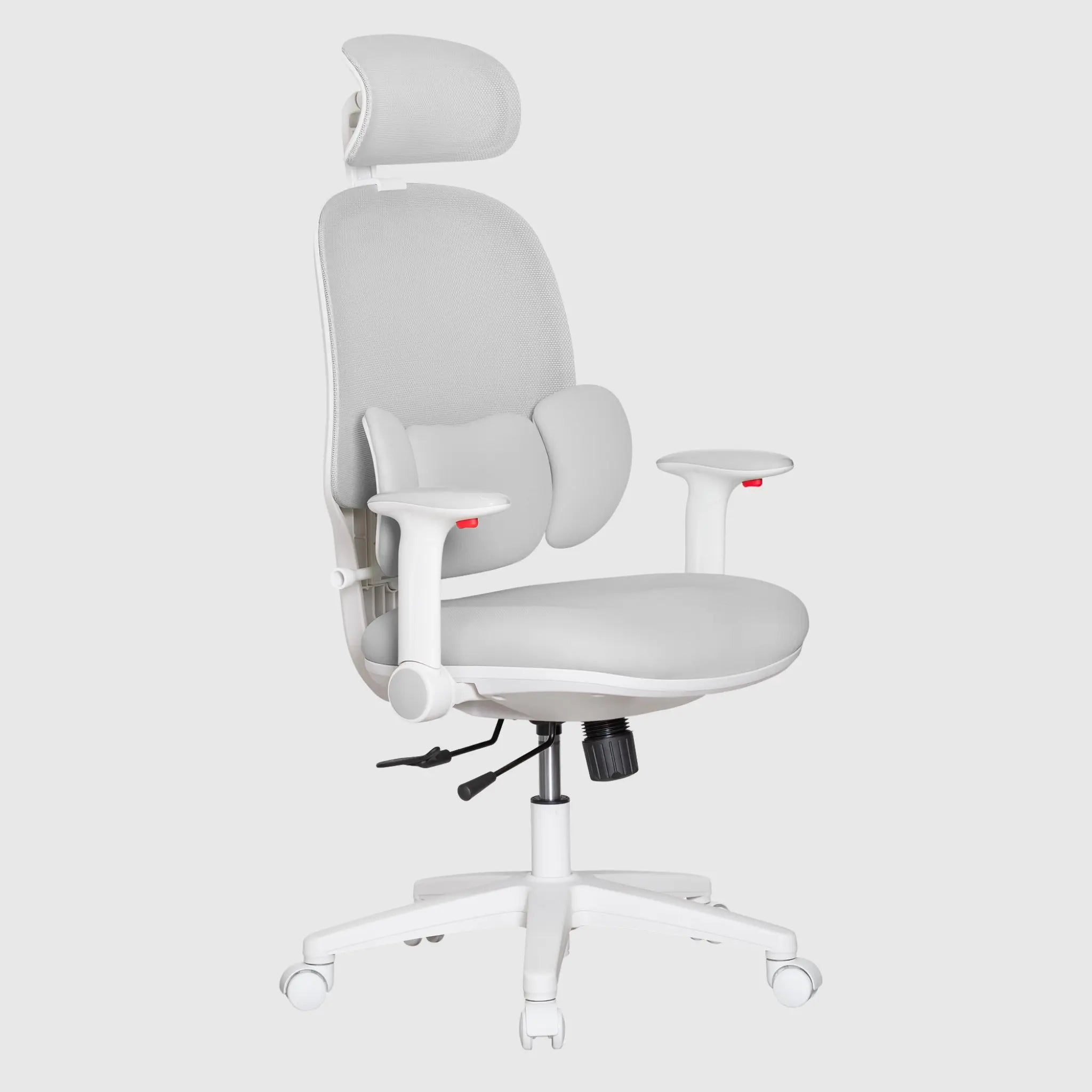
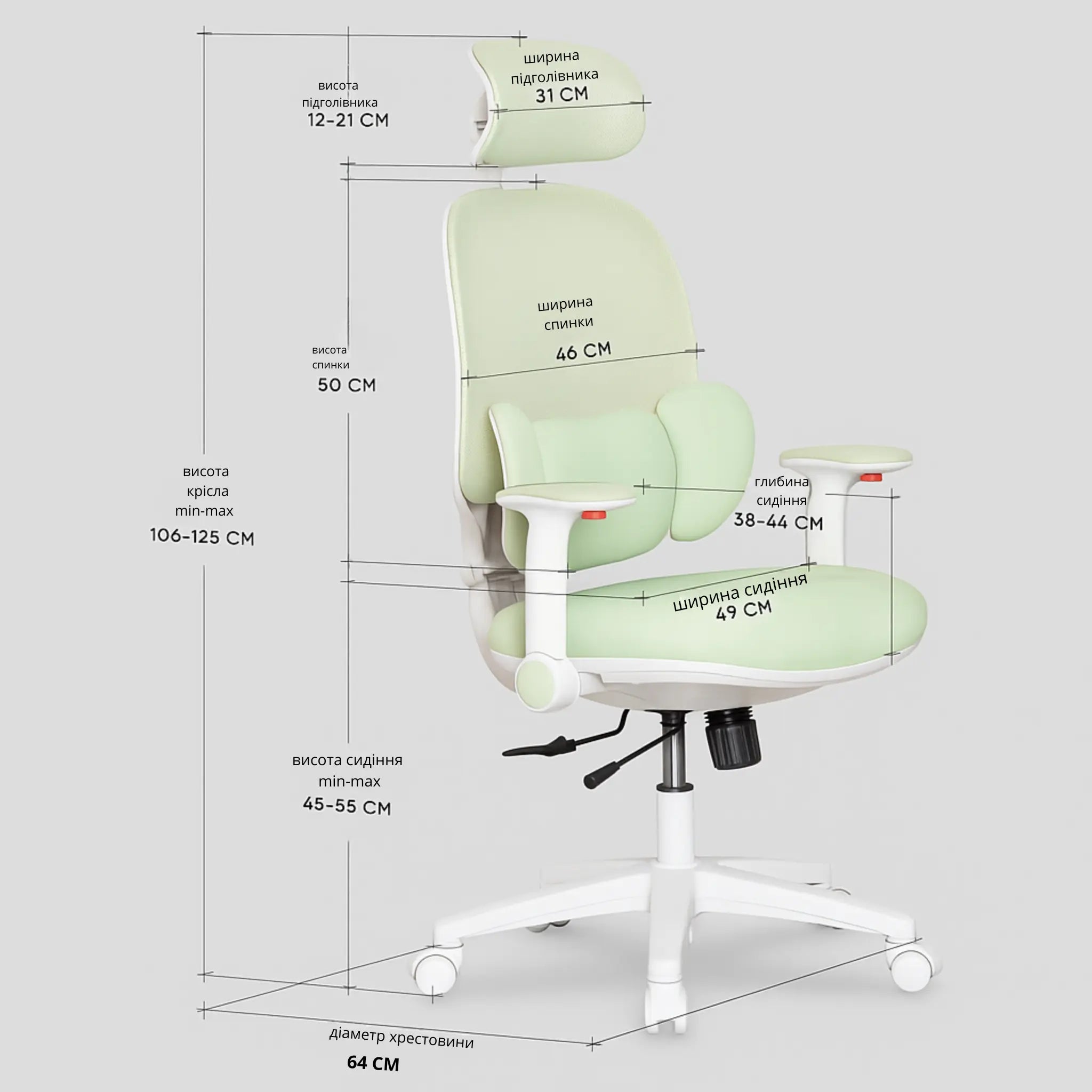
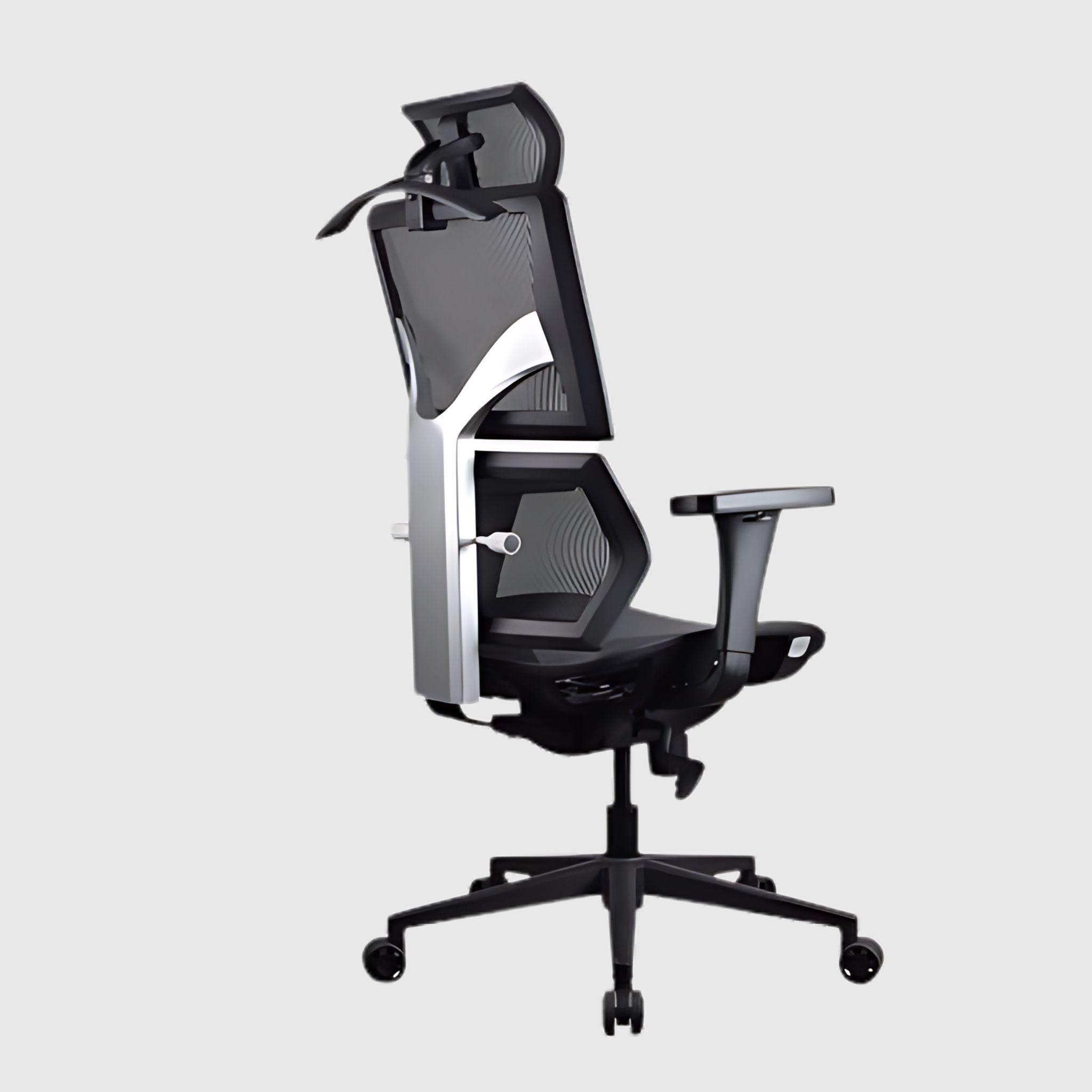
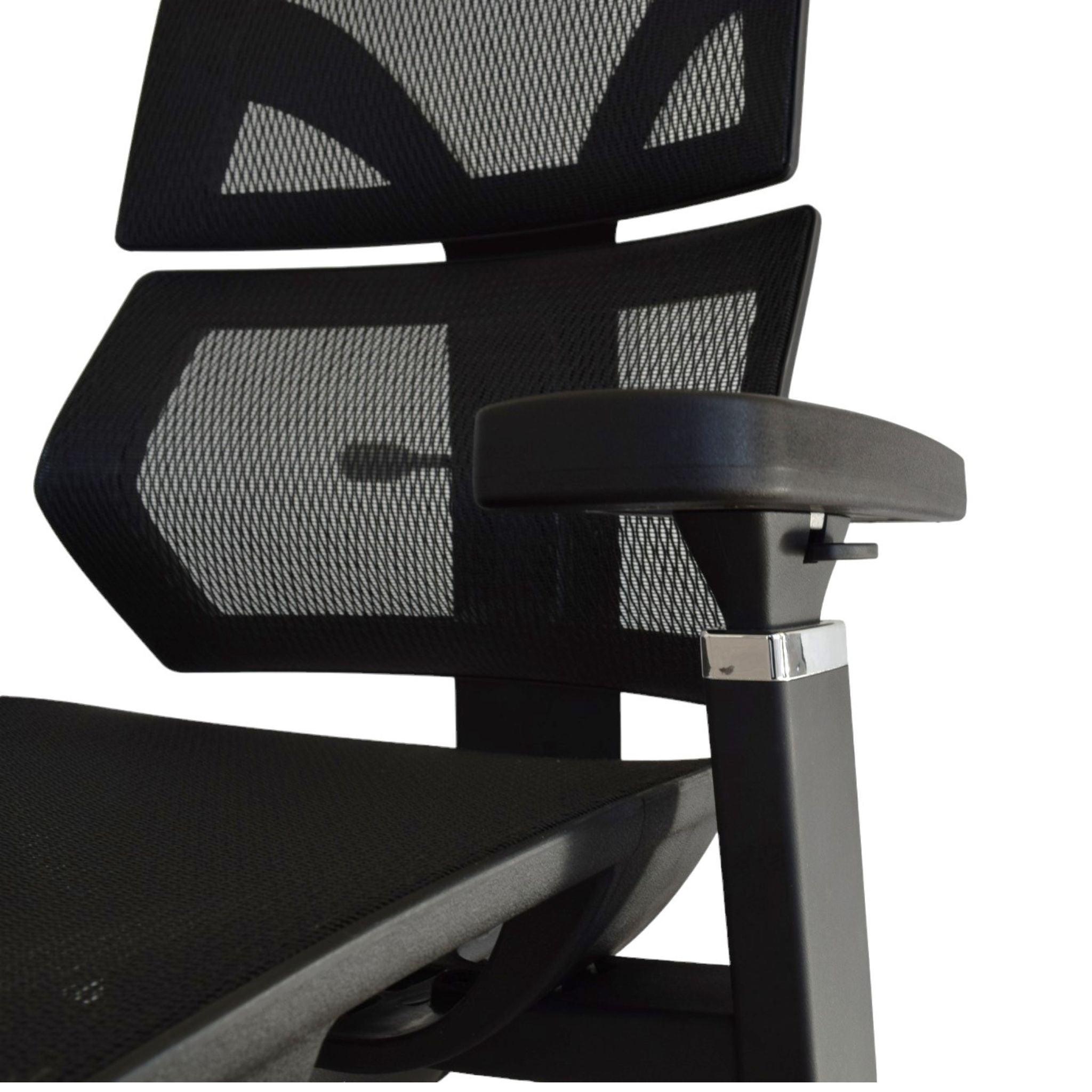
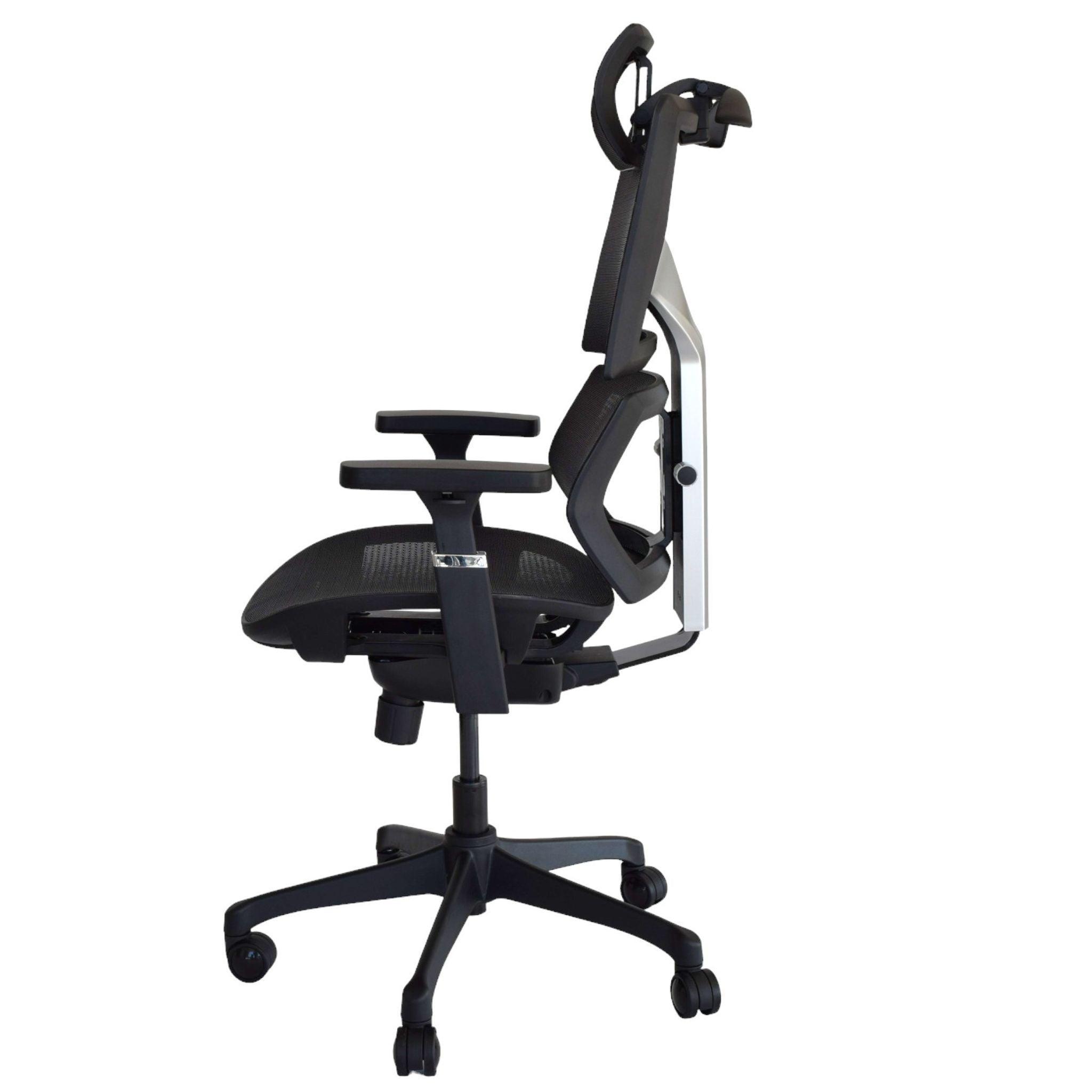
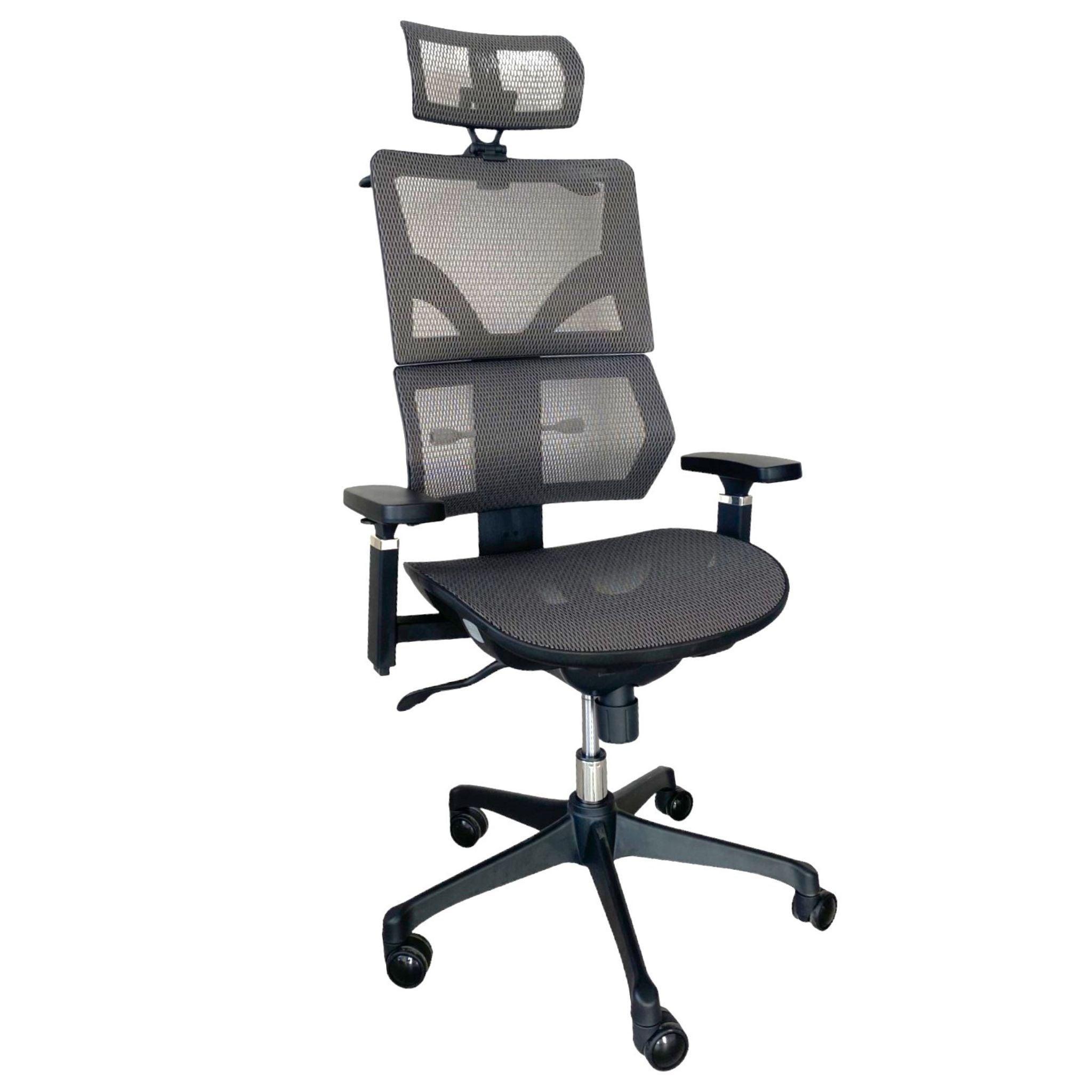
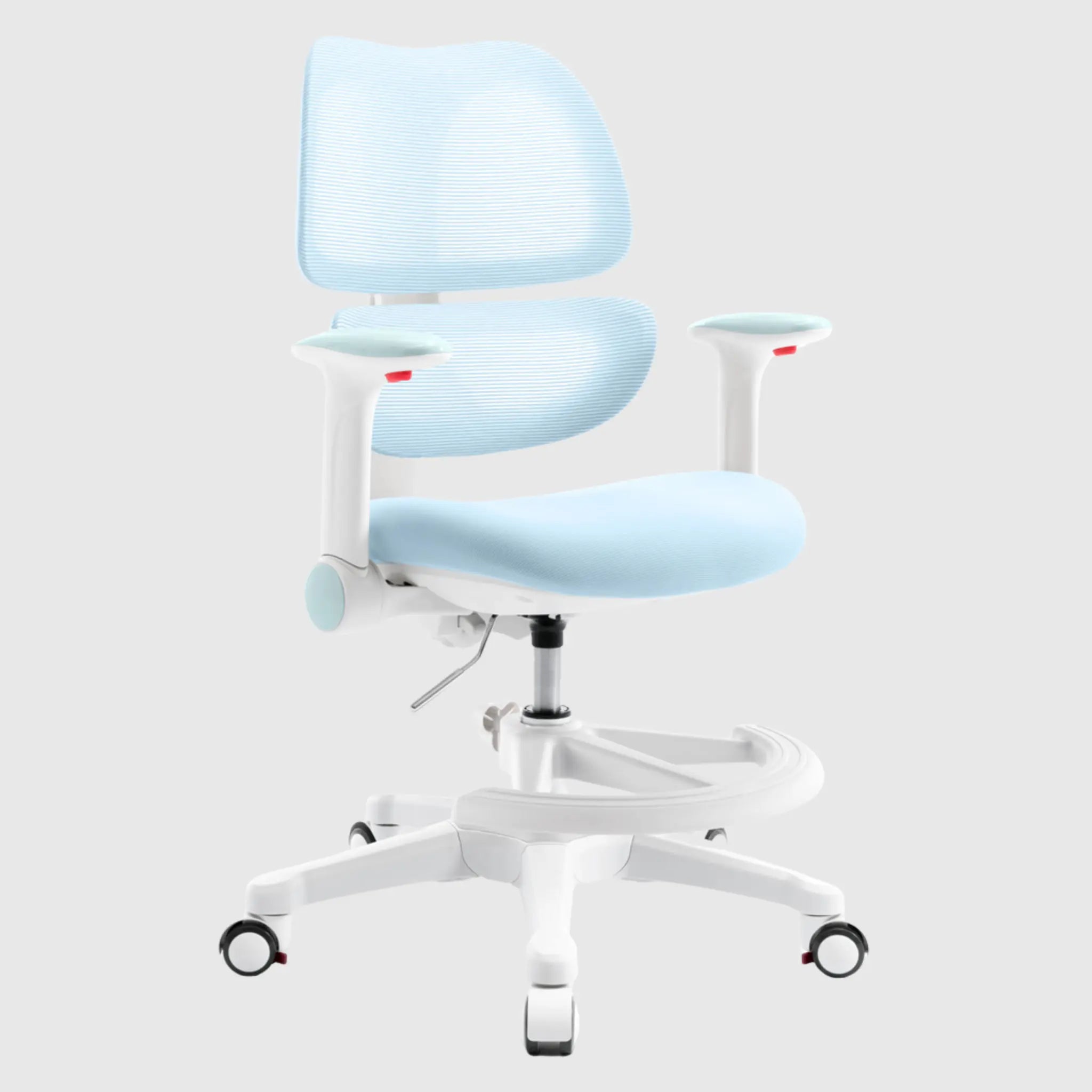
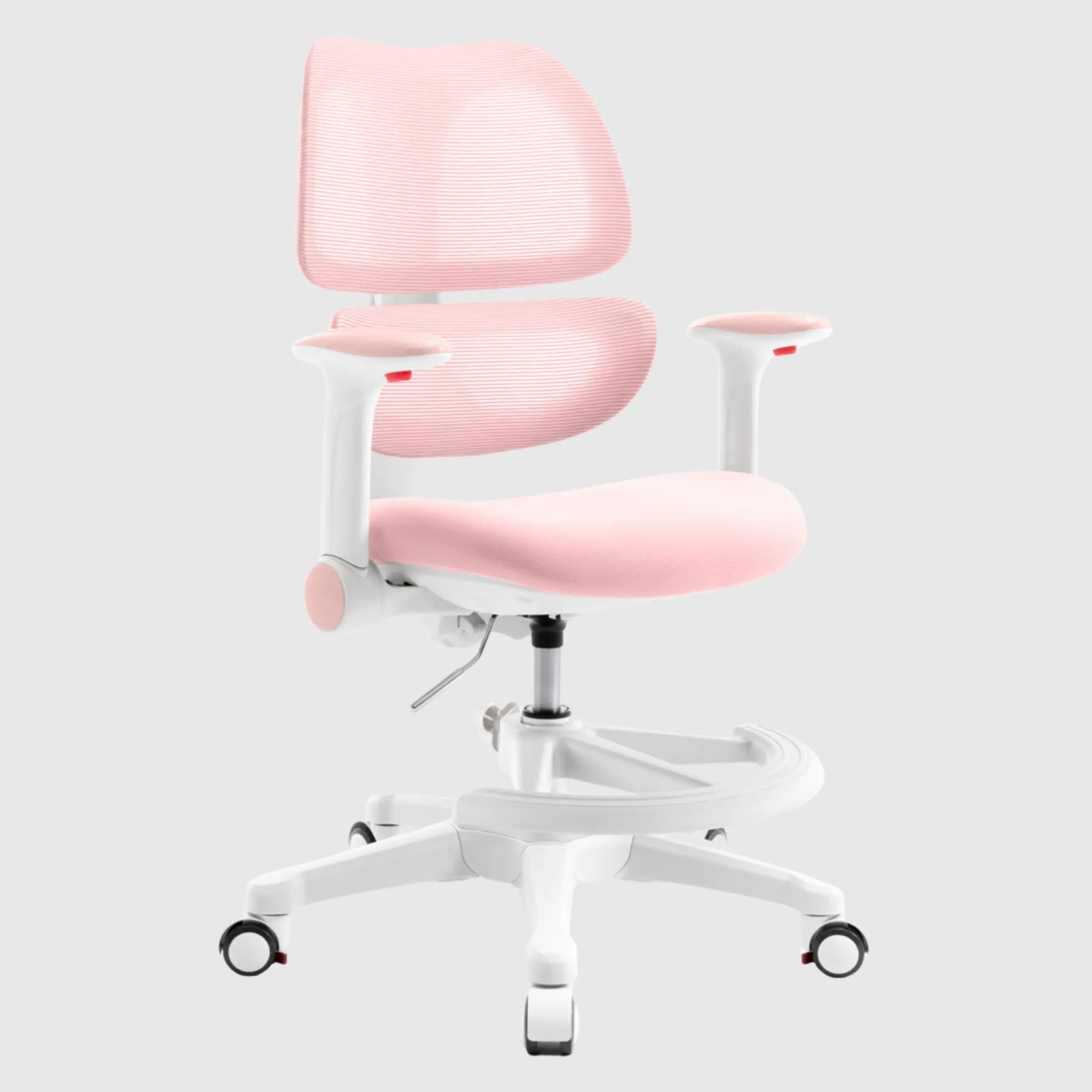
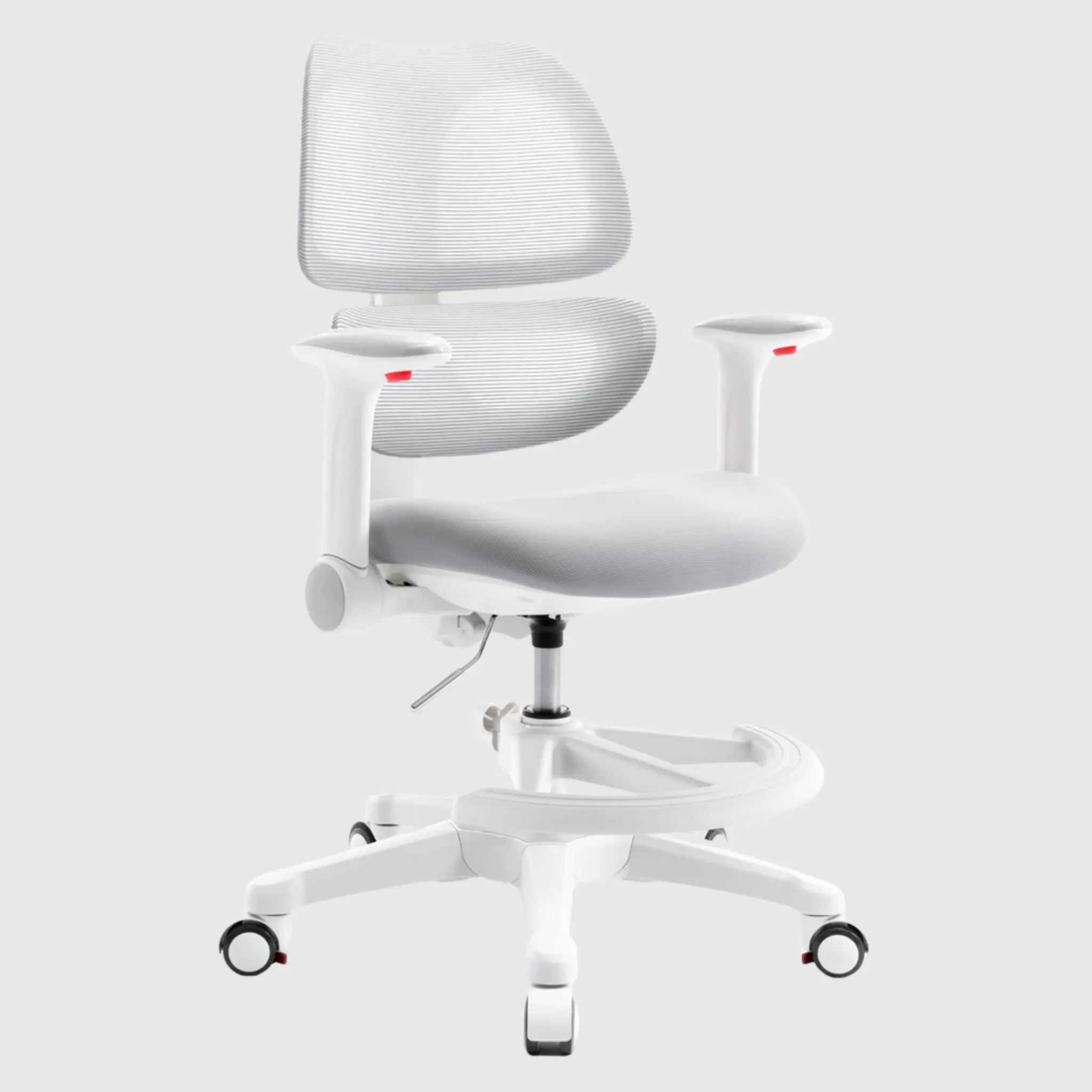
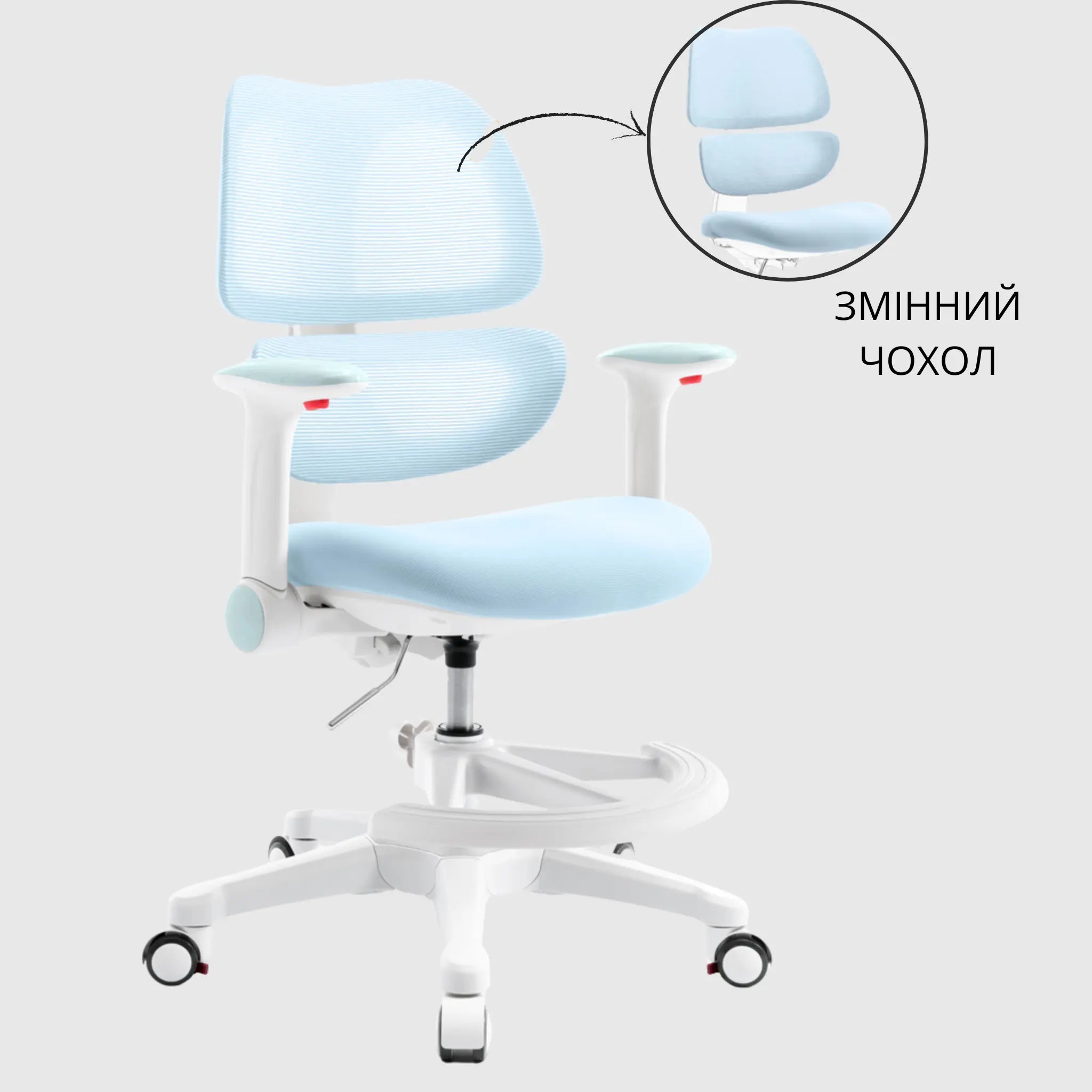
Dream Air child seat for schoolchildren and teenagers
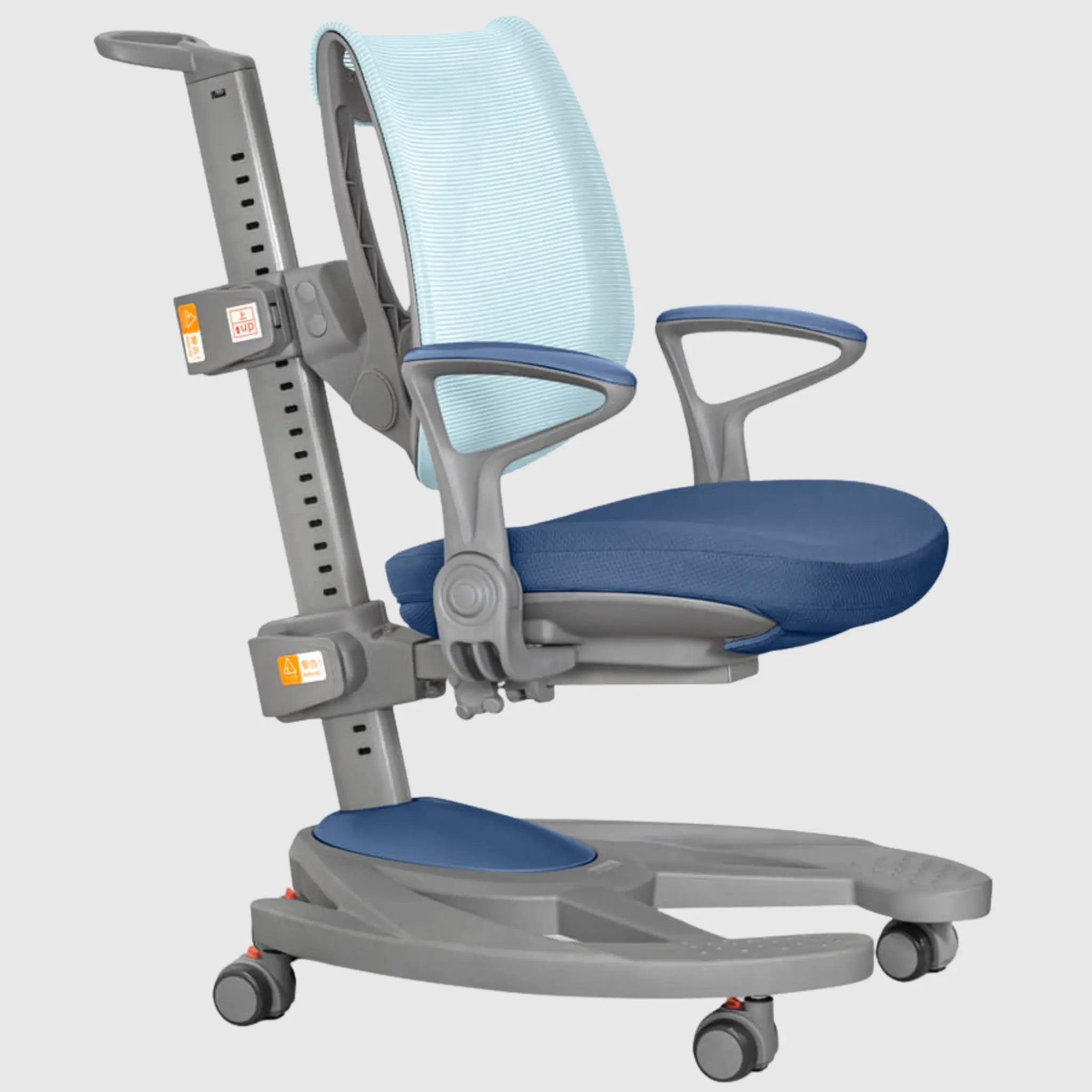
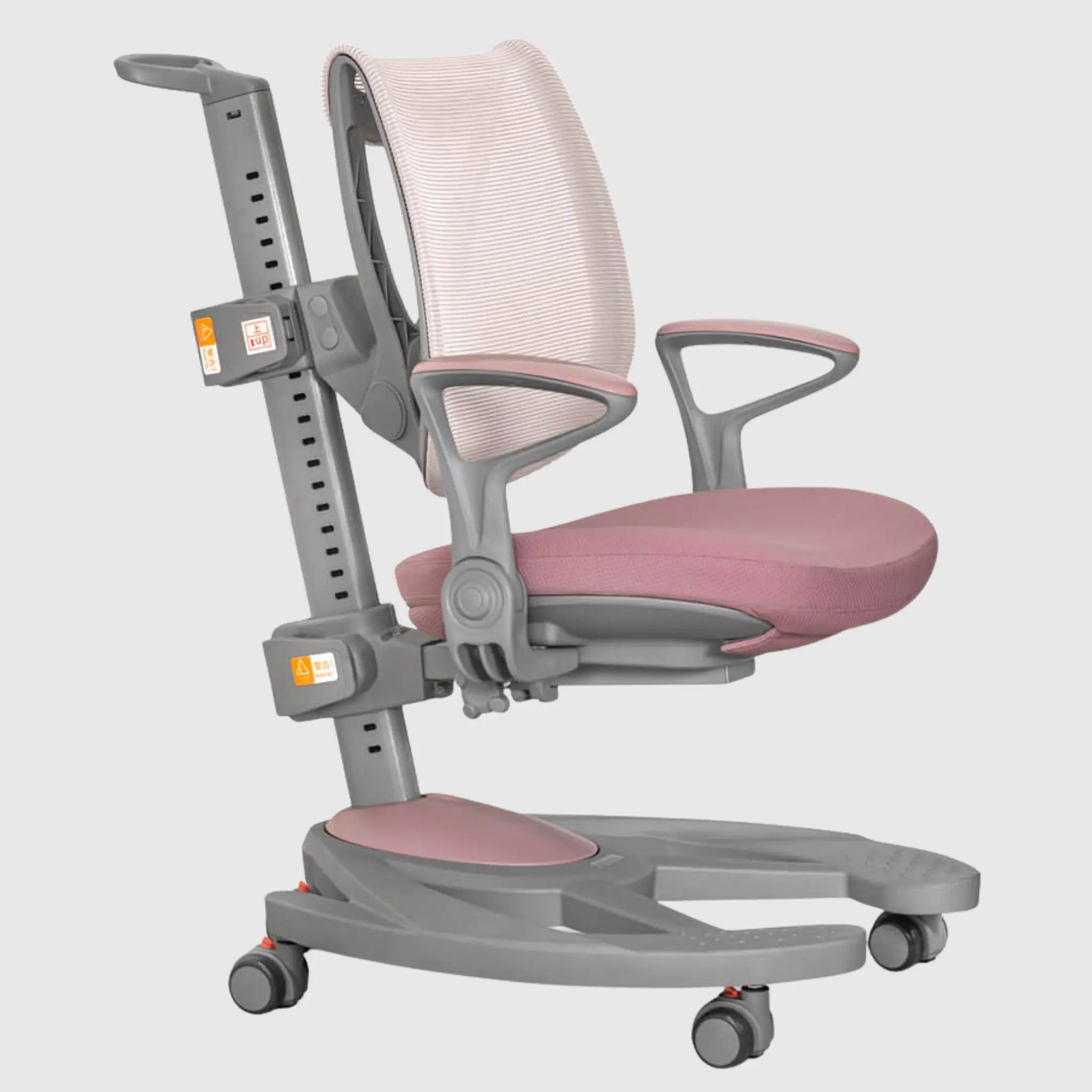
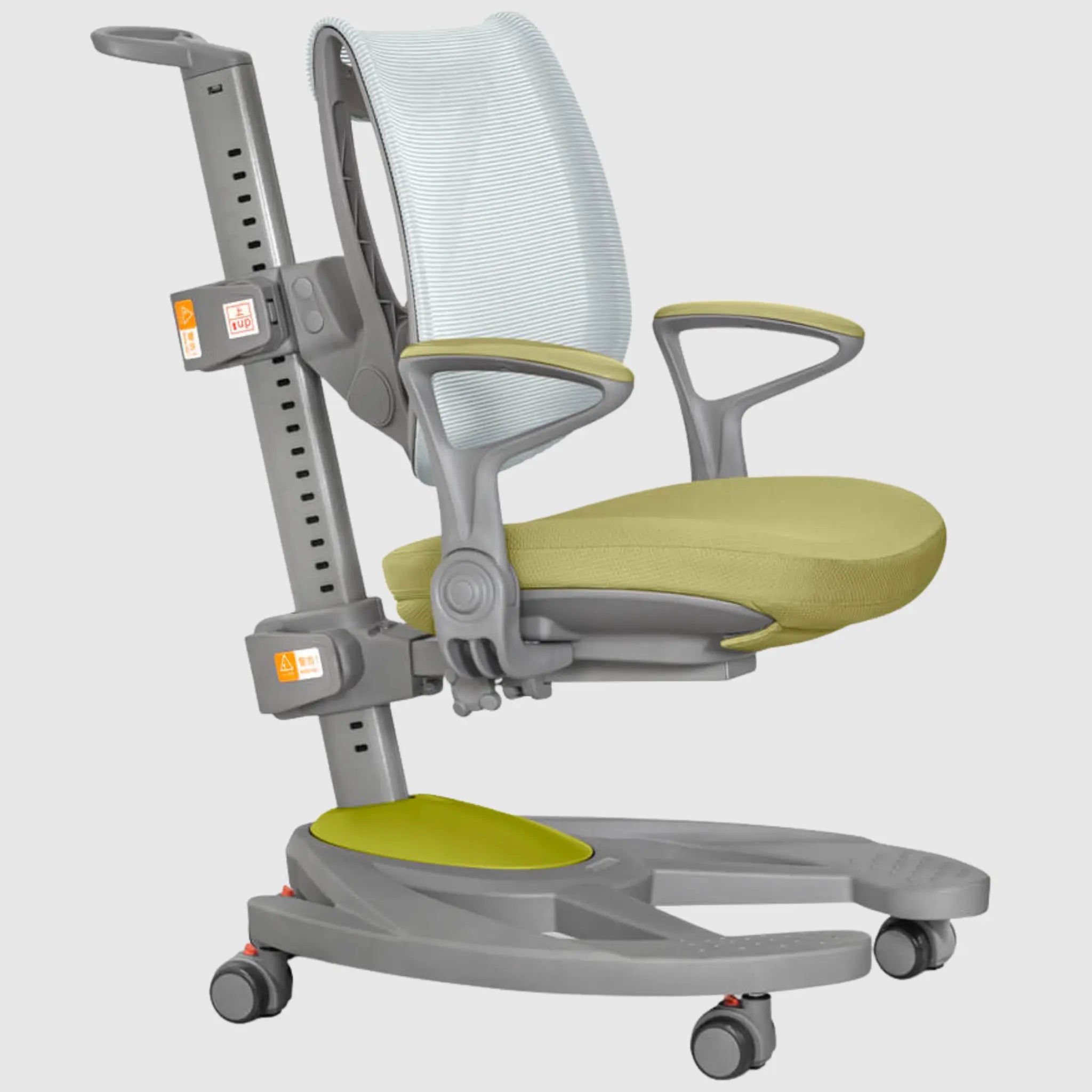
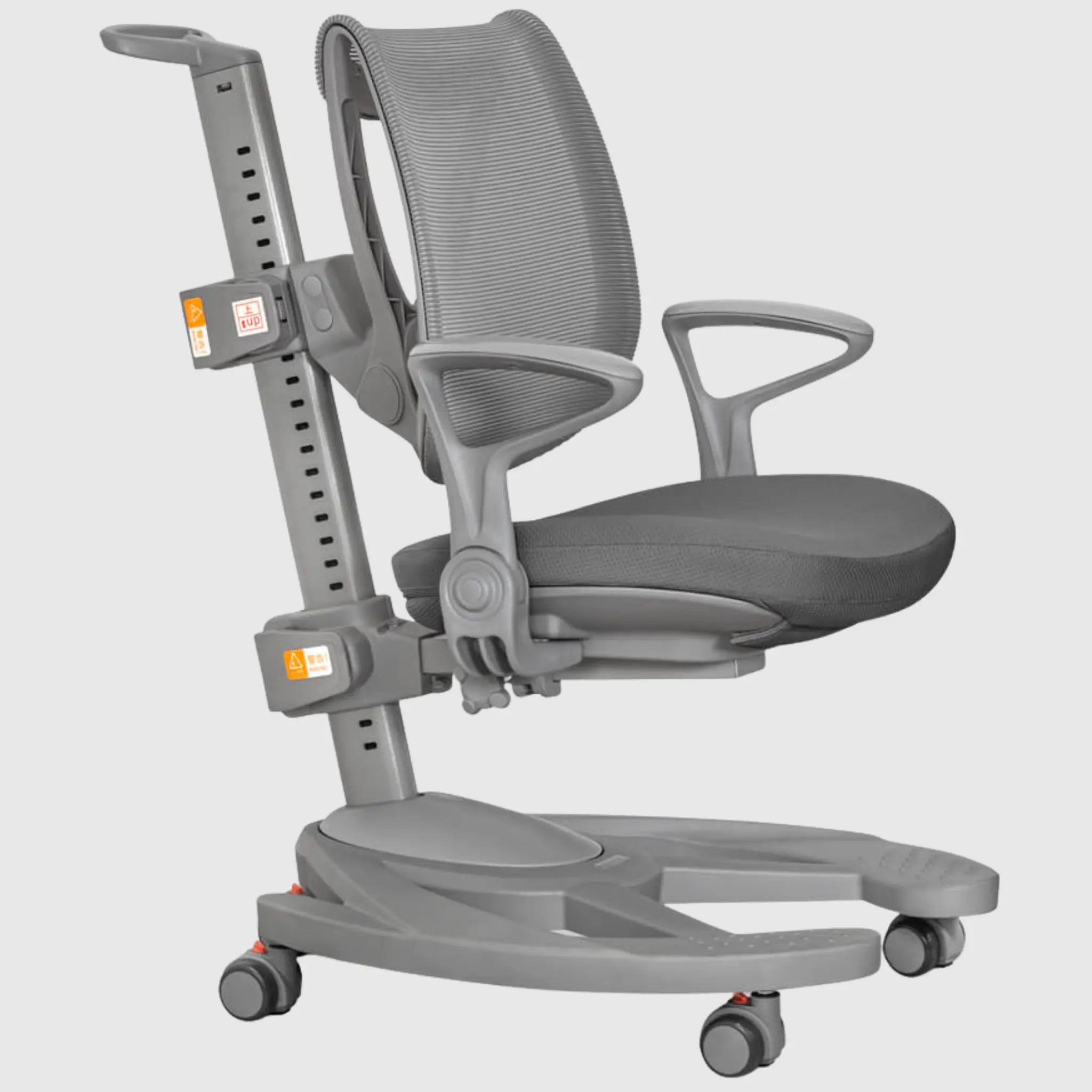
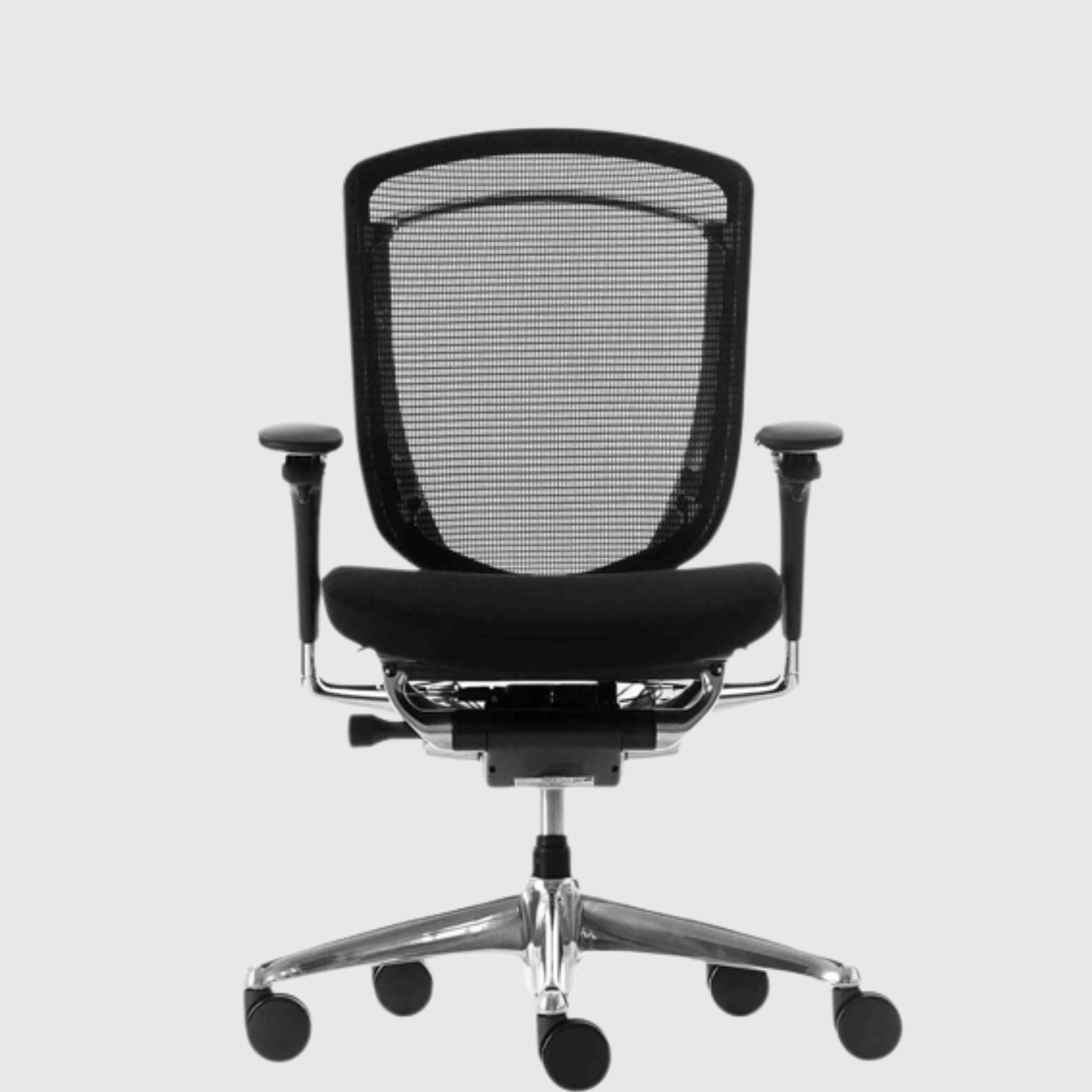
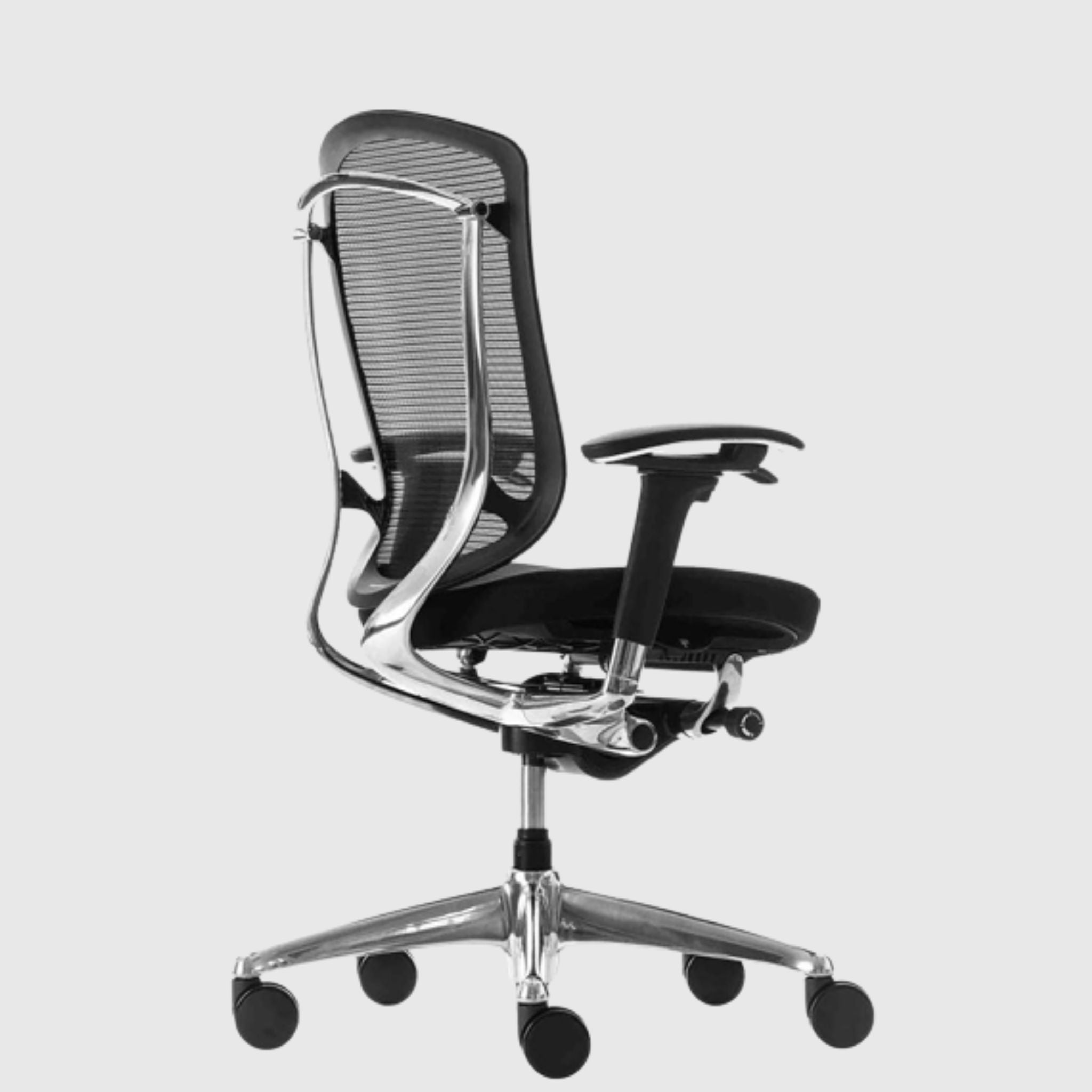
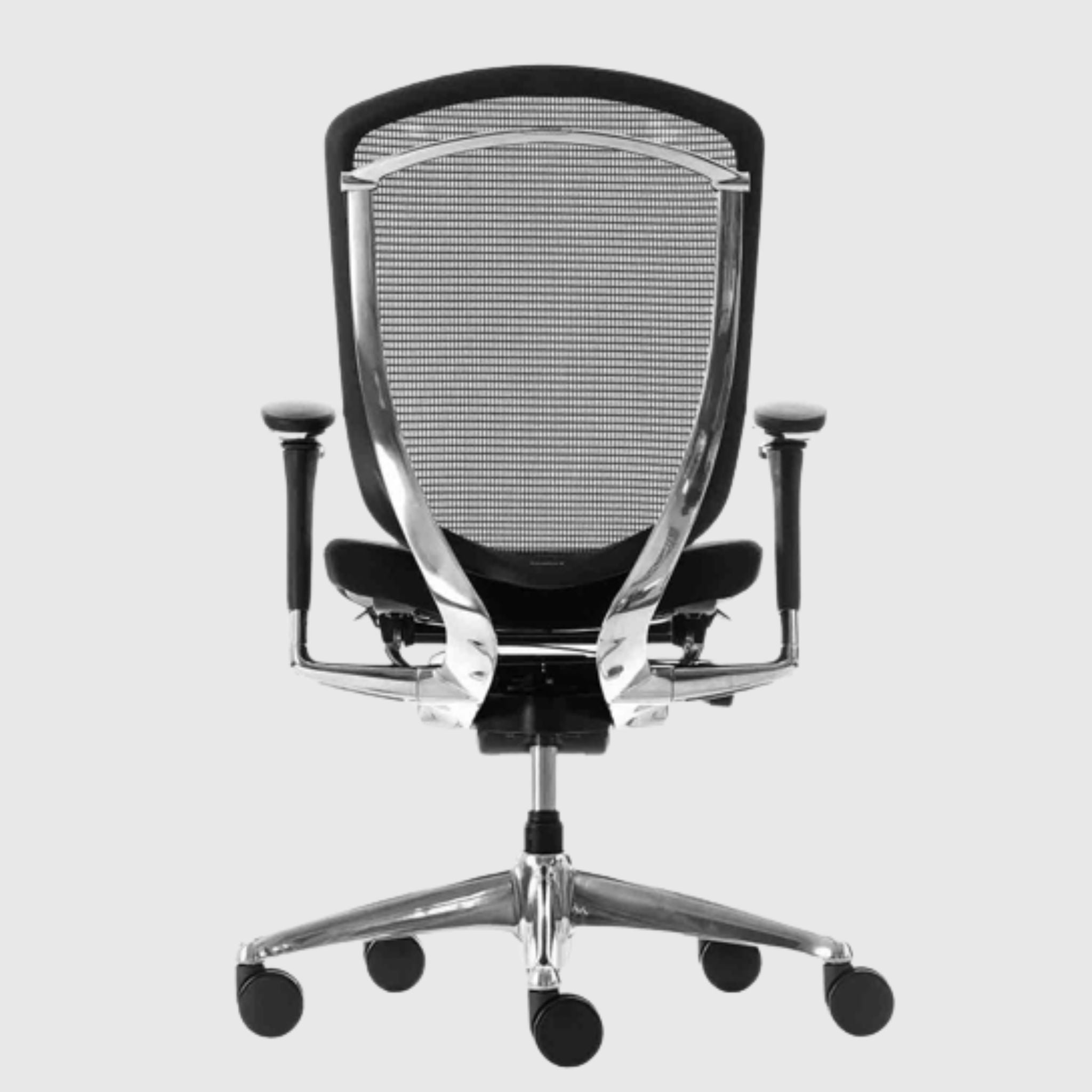
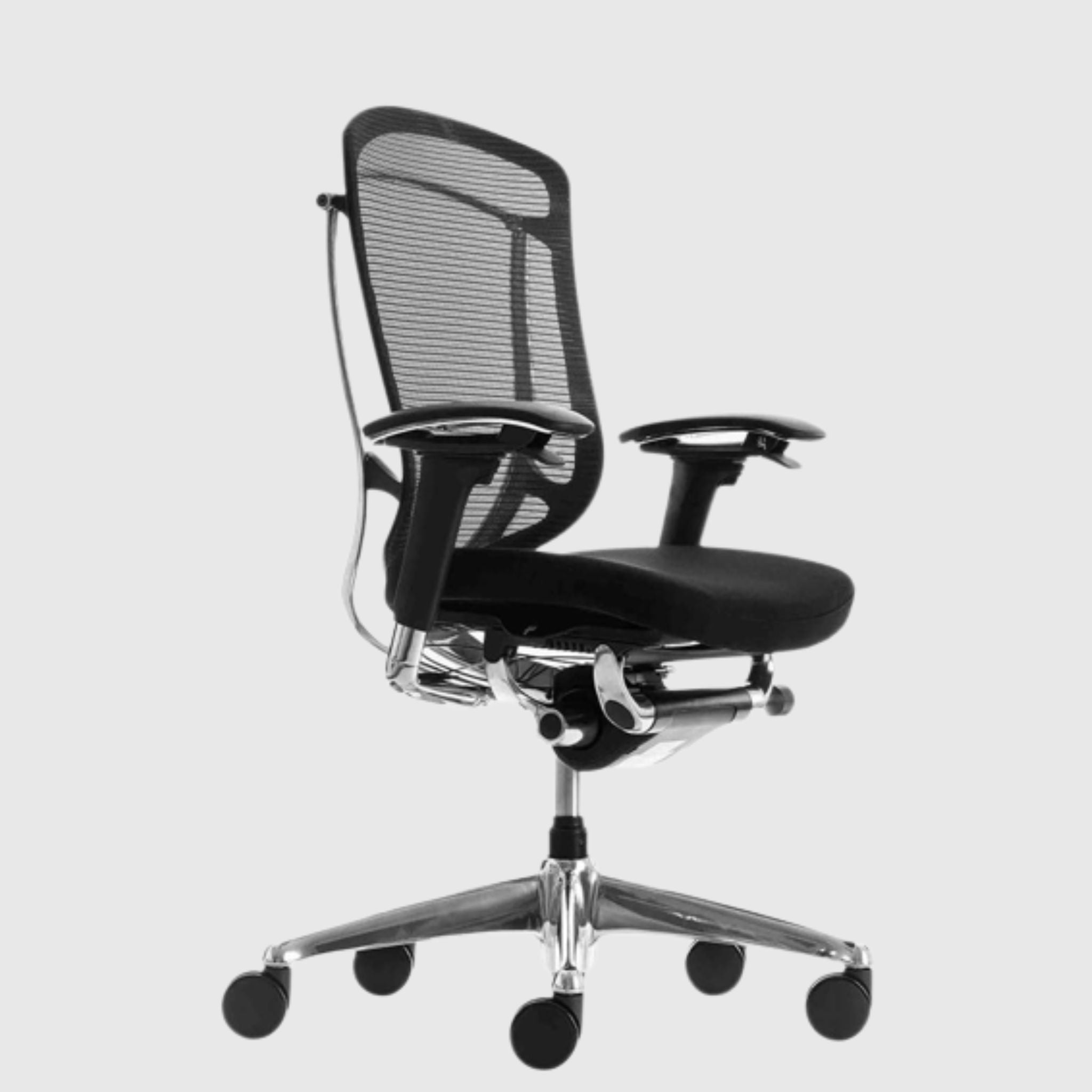
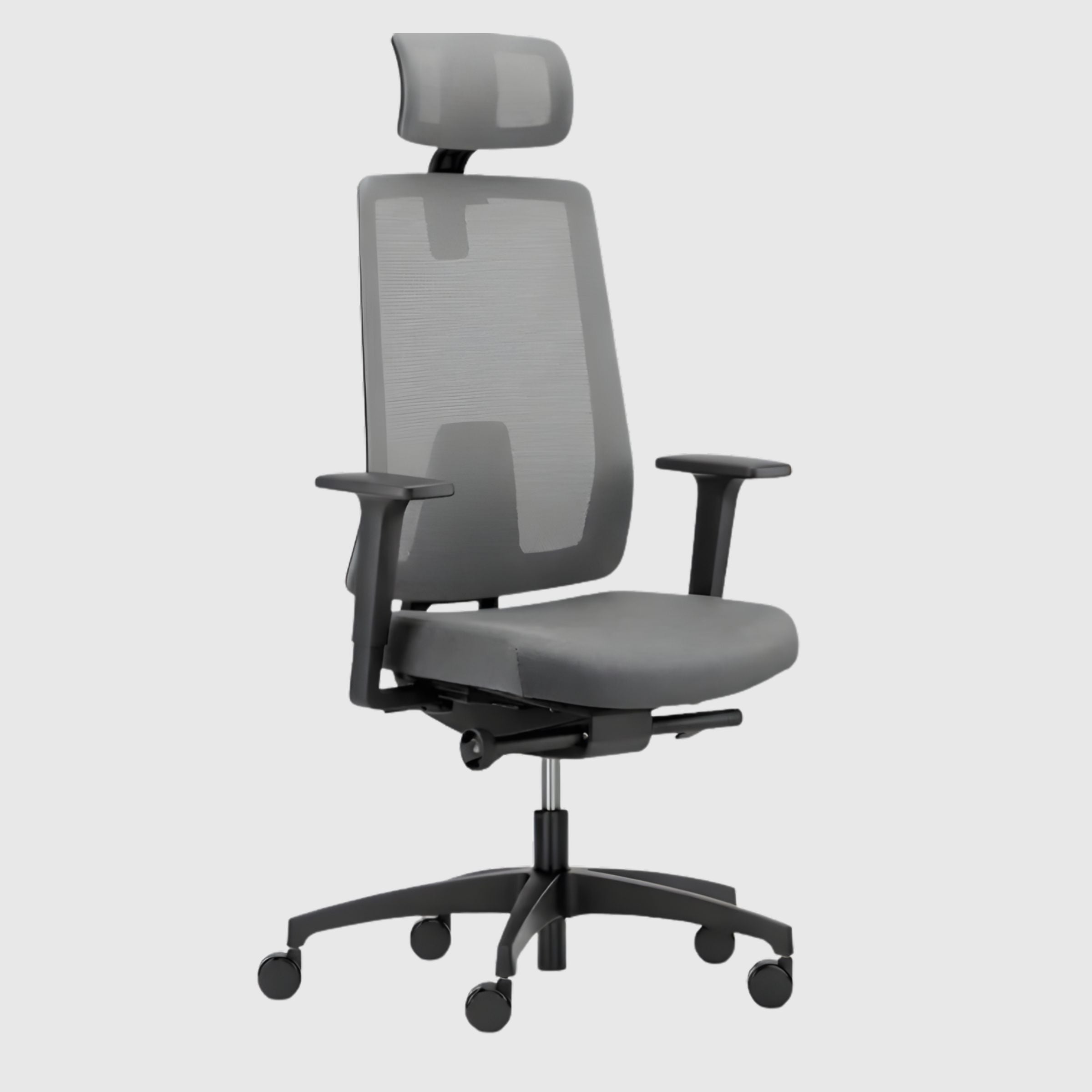
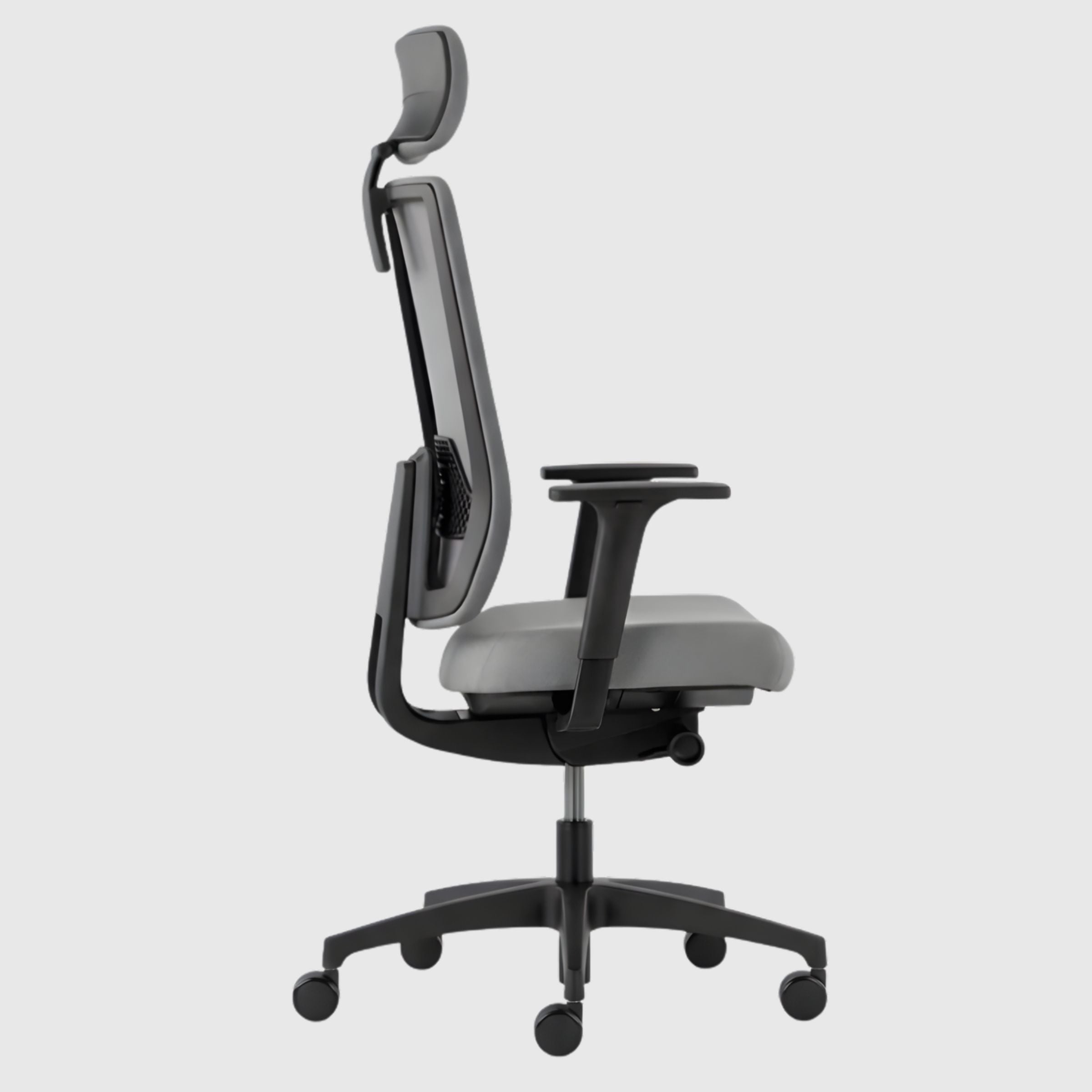
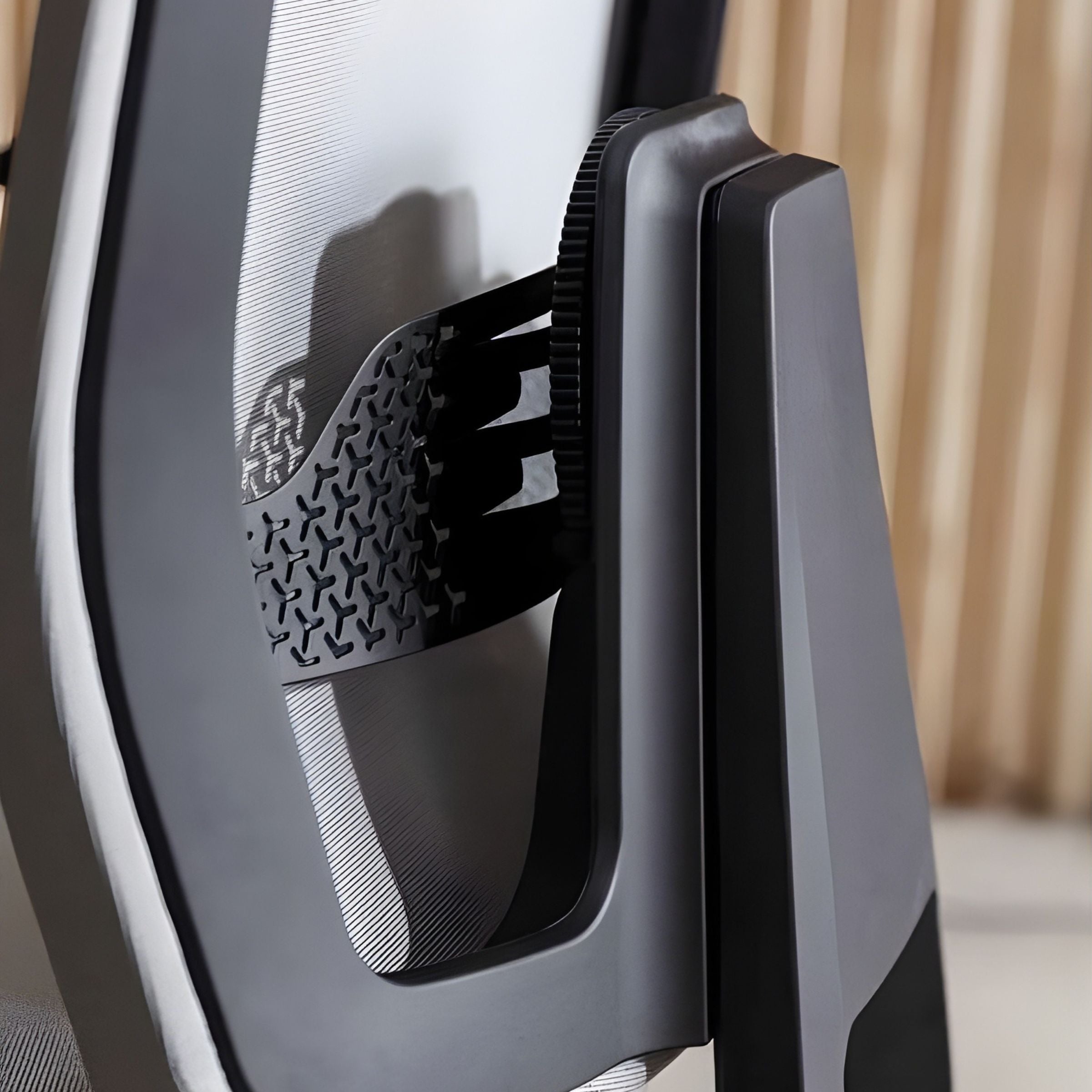
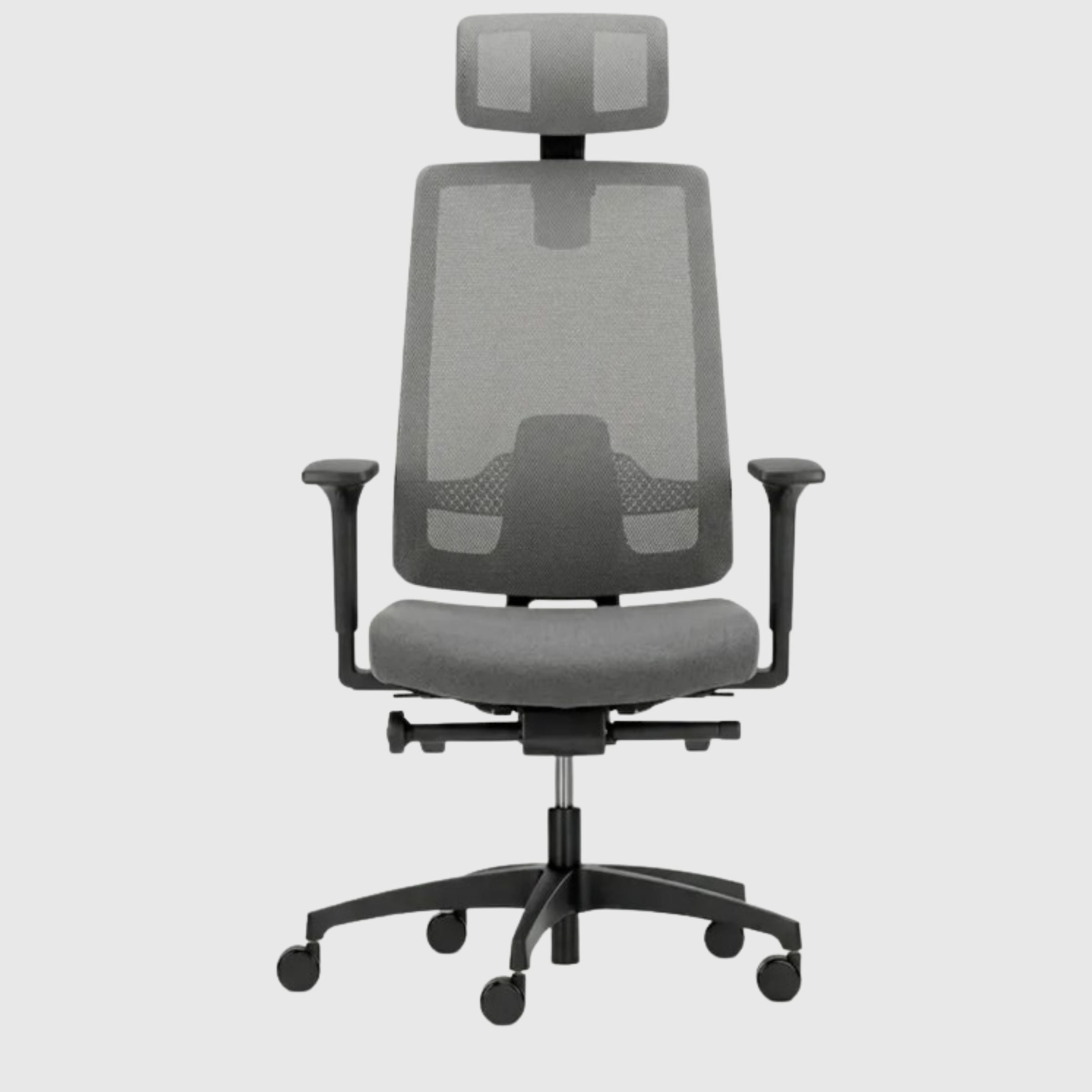
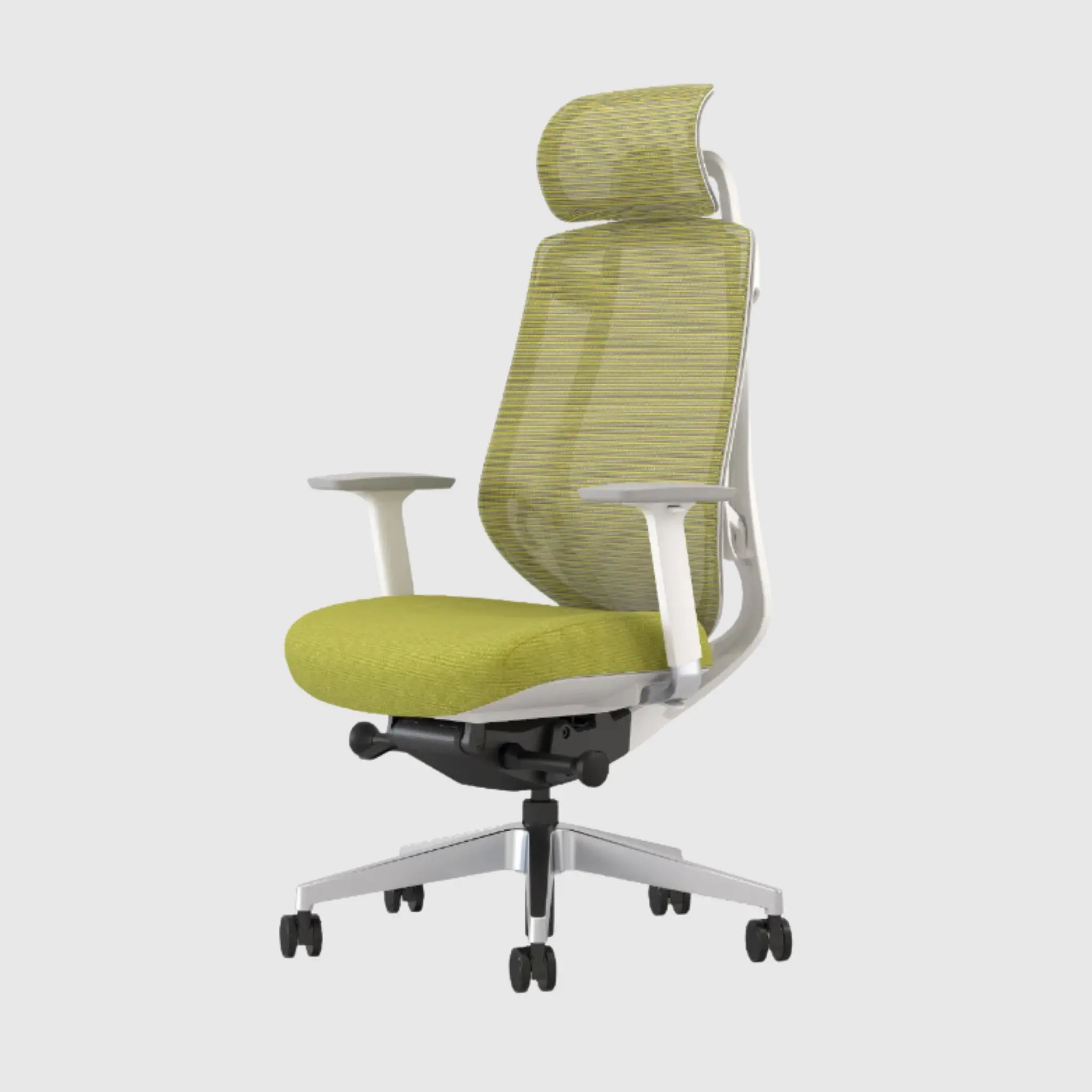
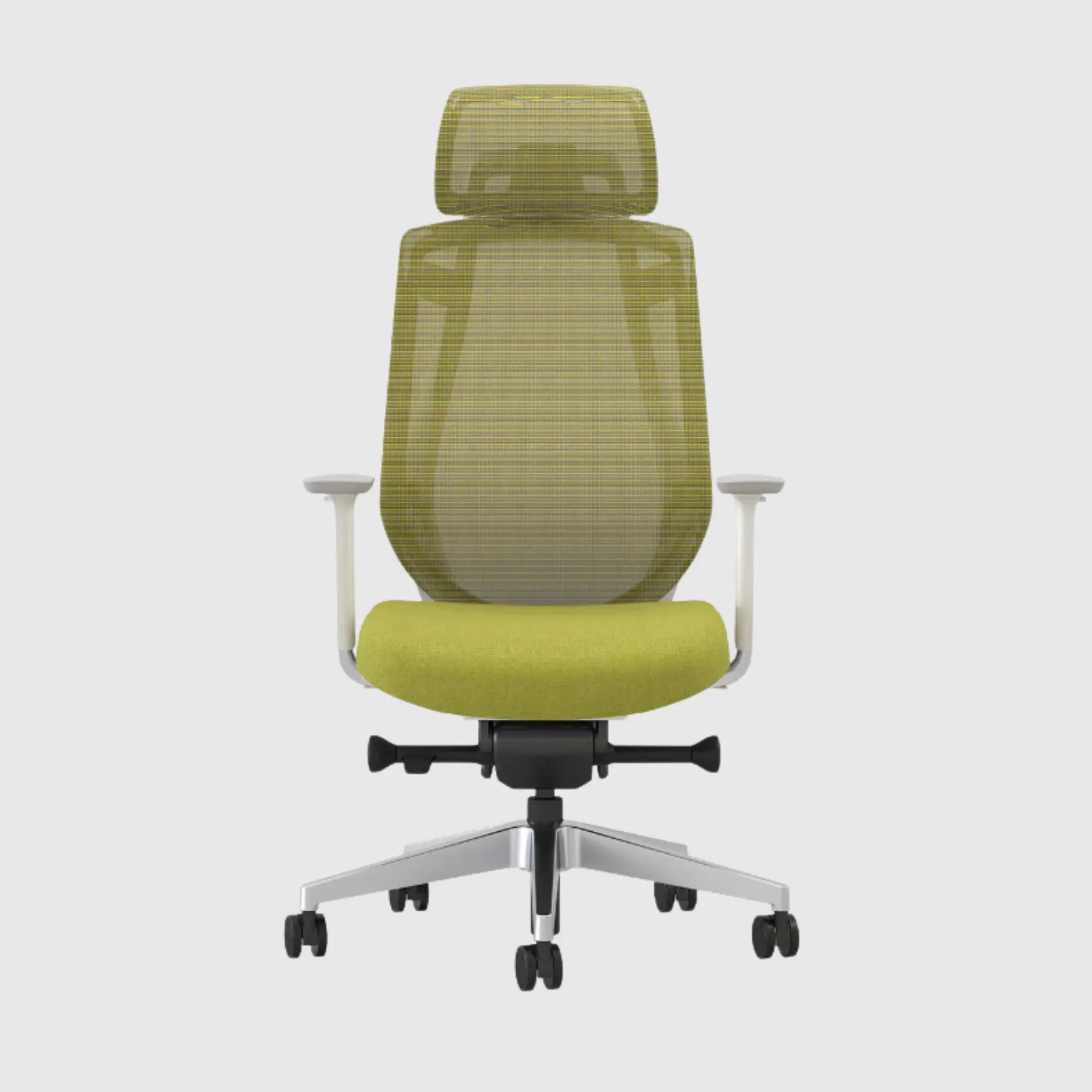
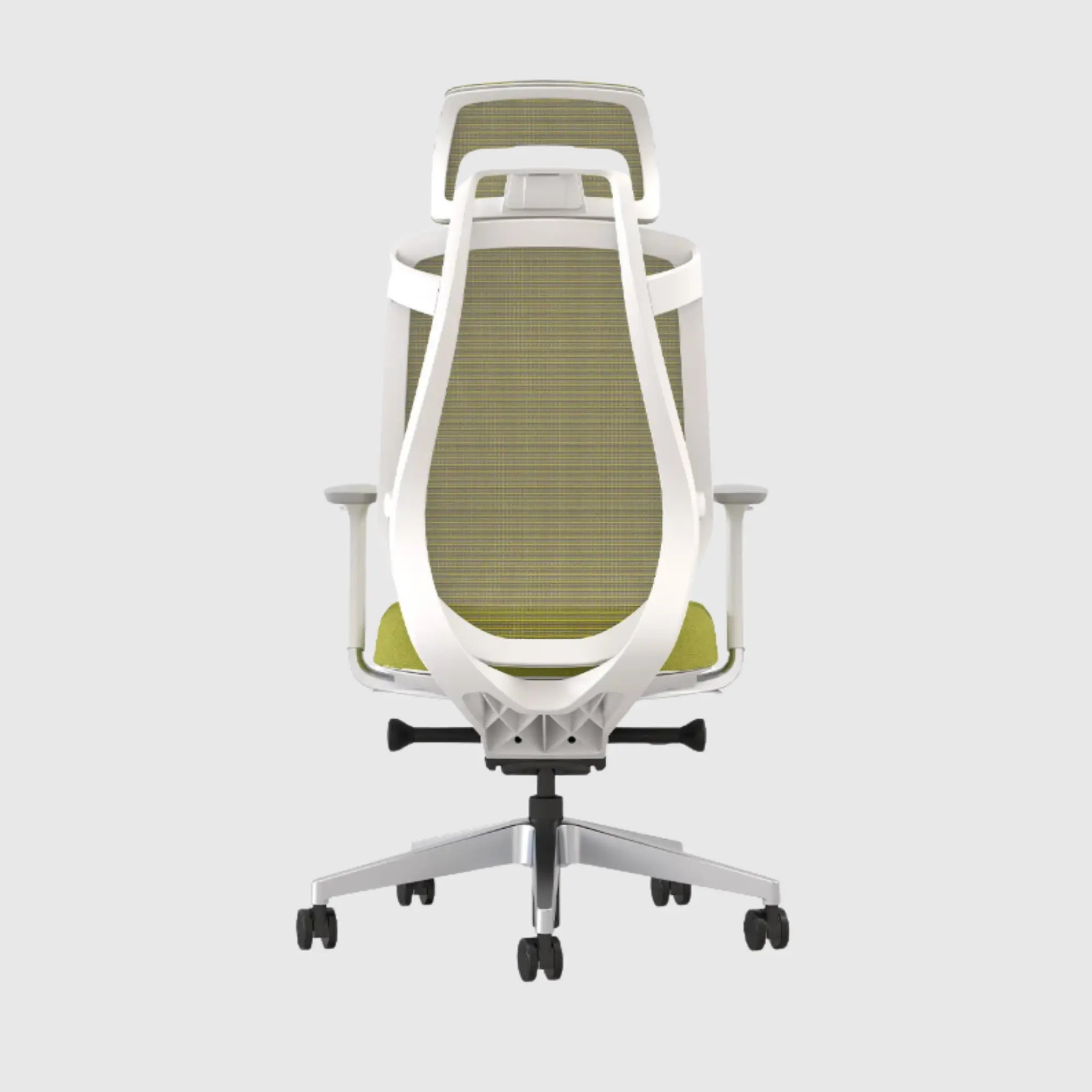
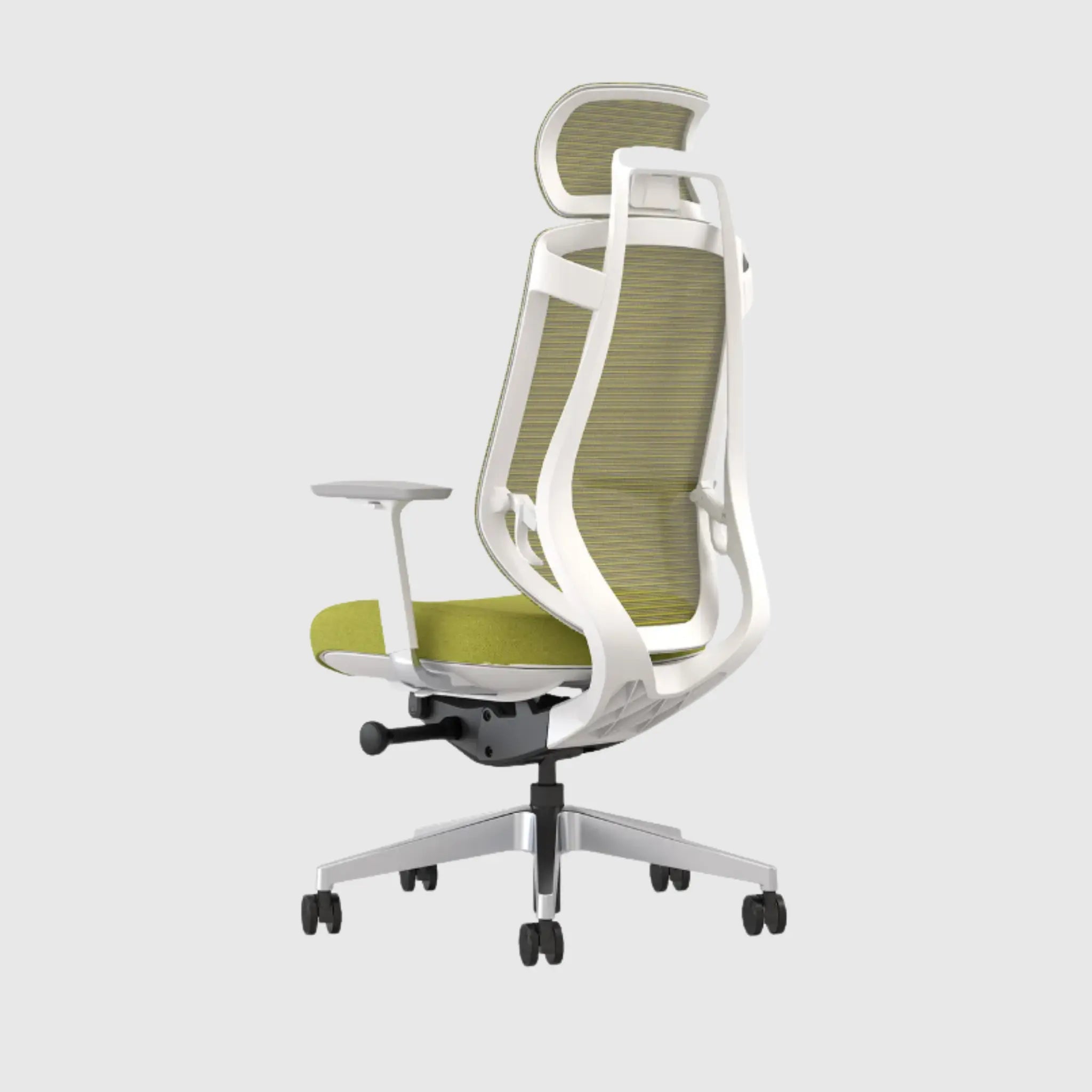
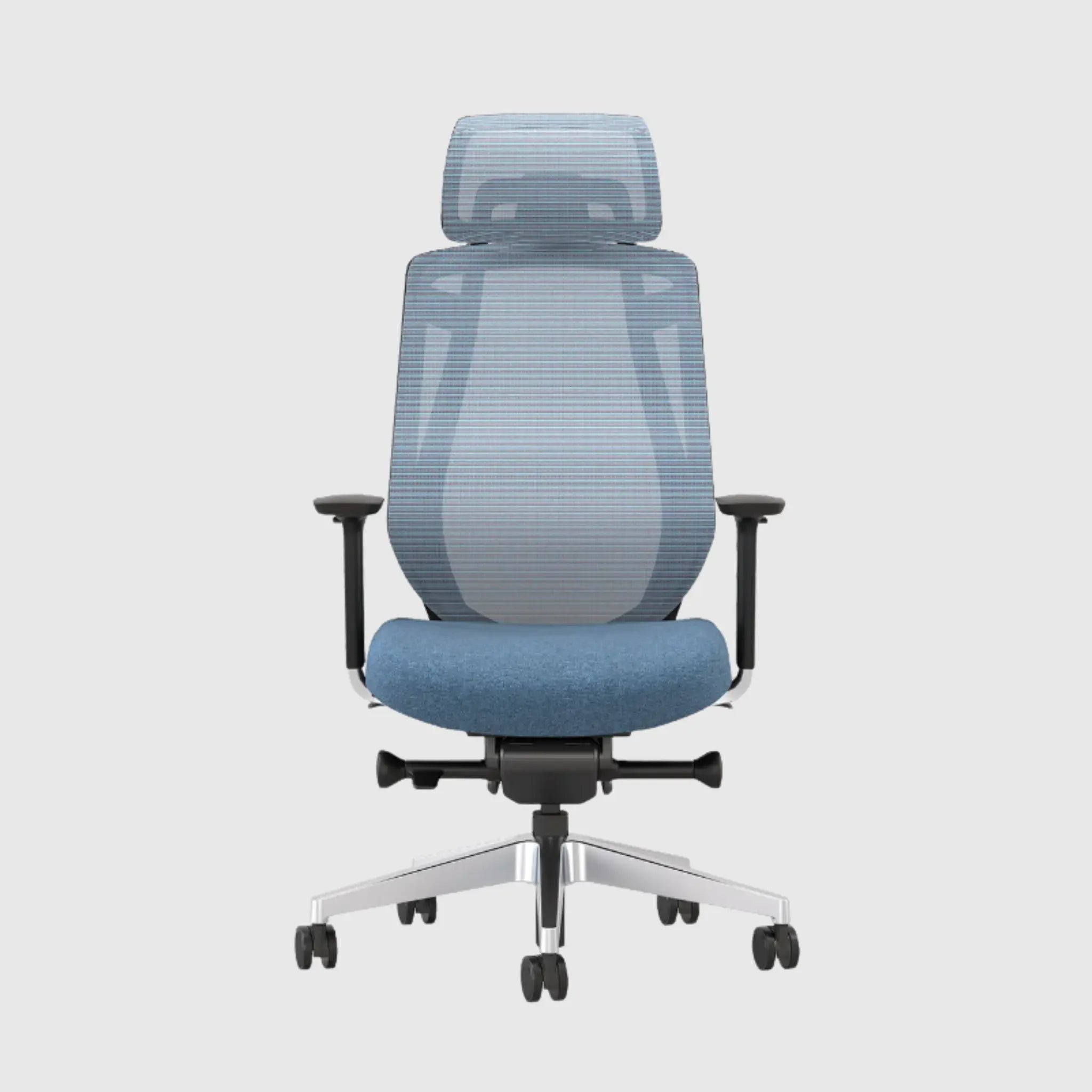
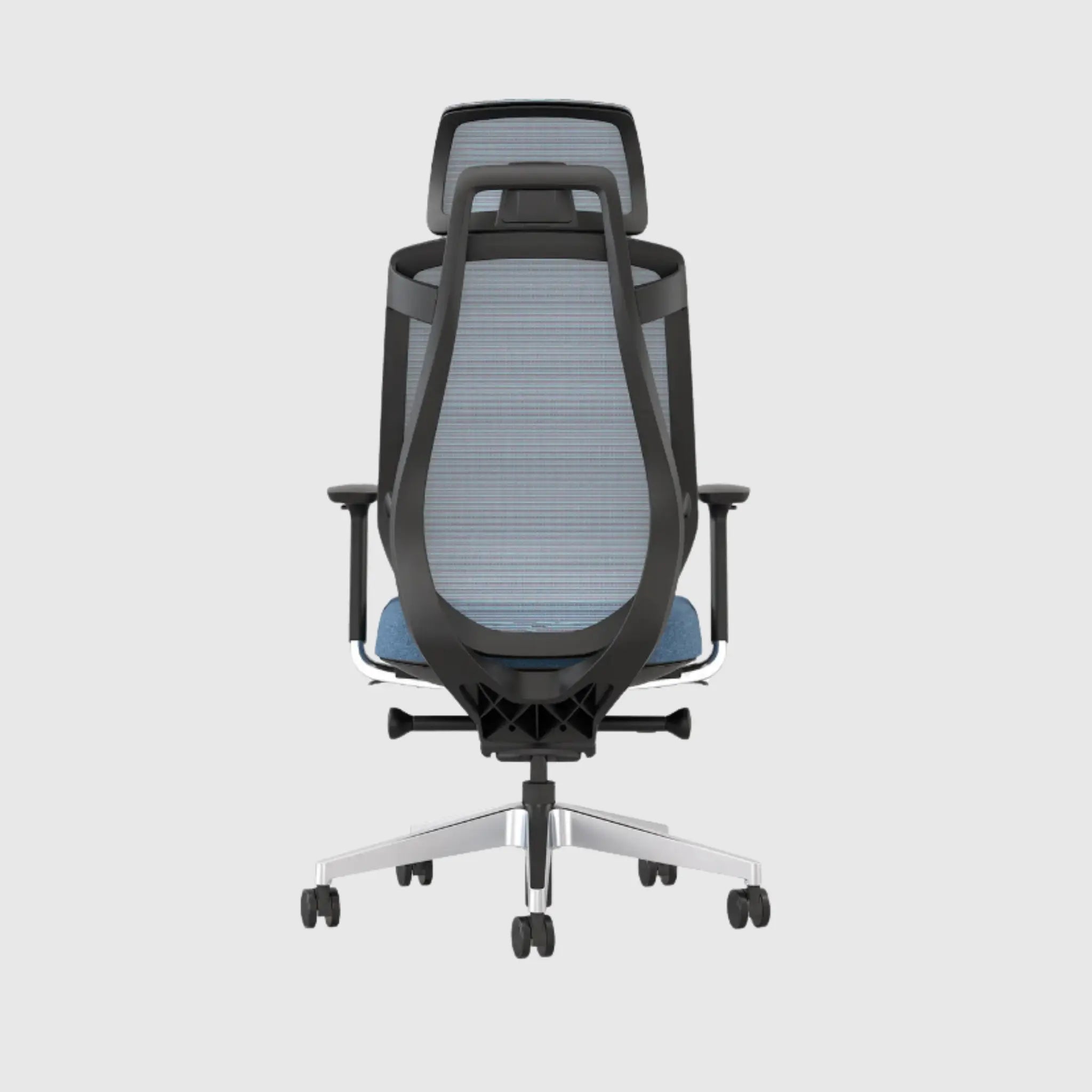
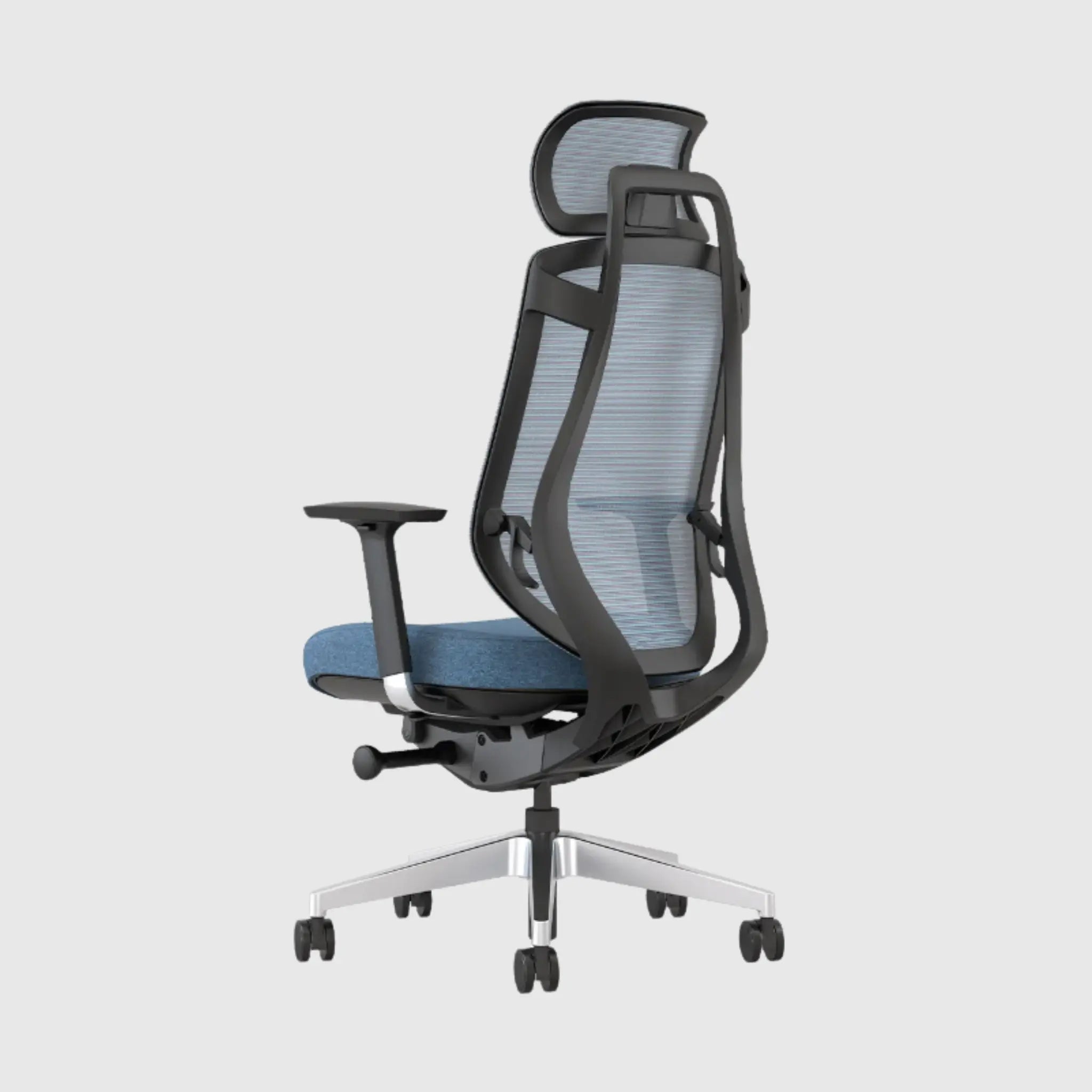
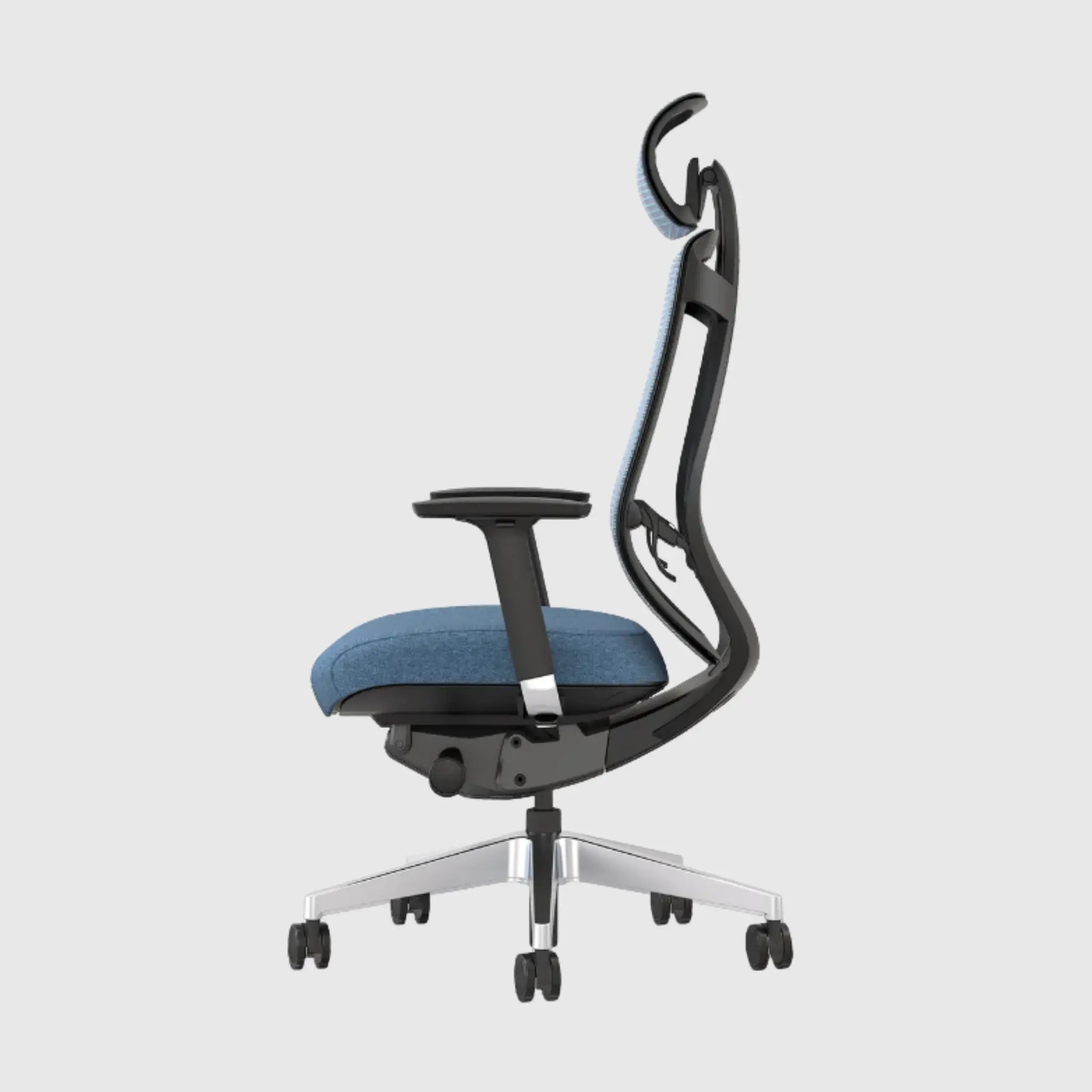
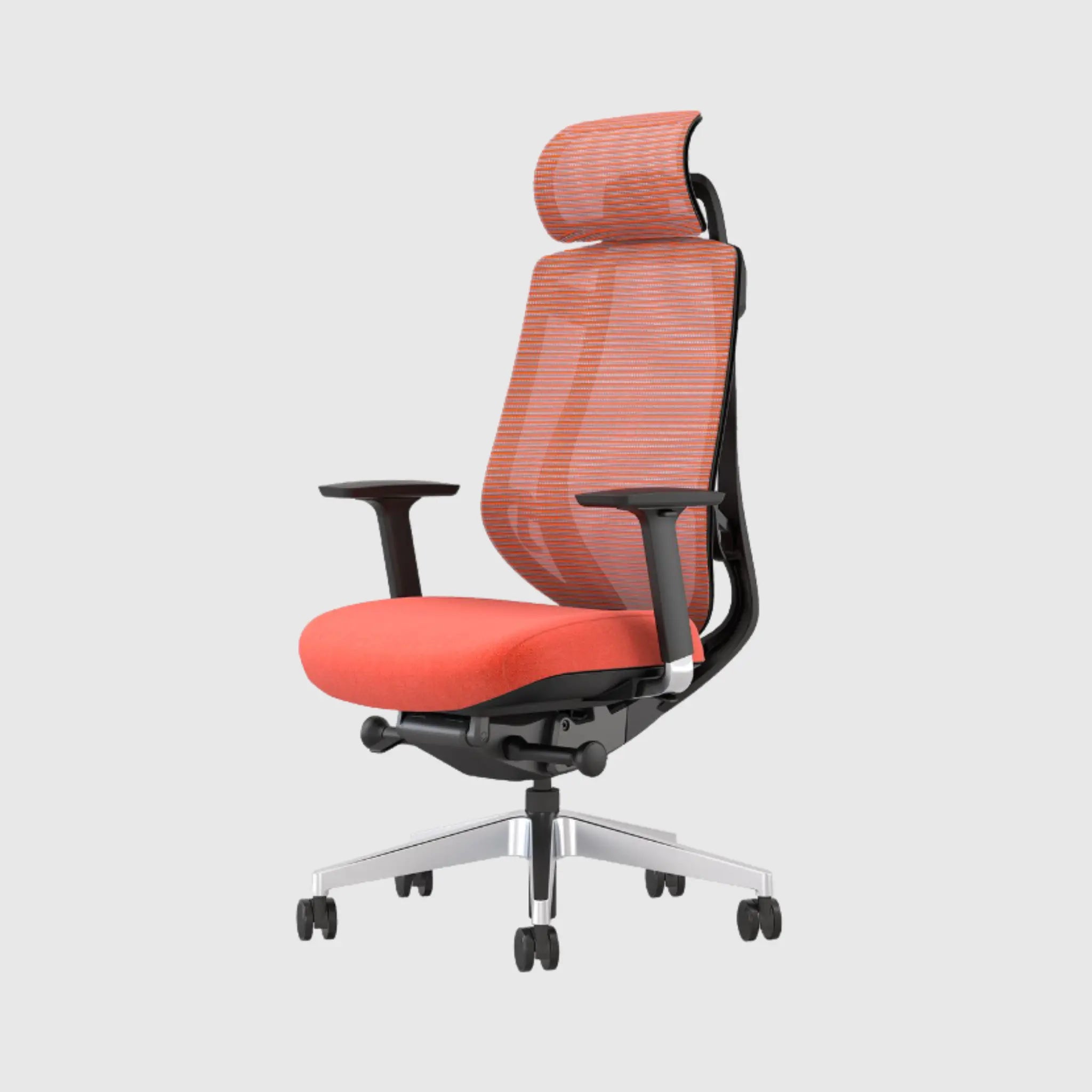
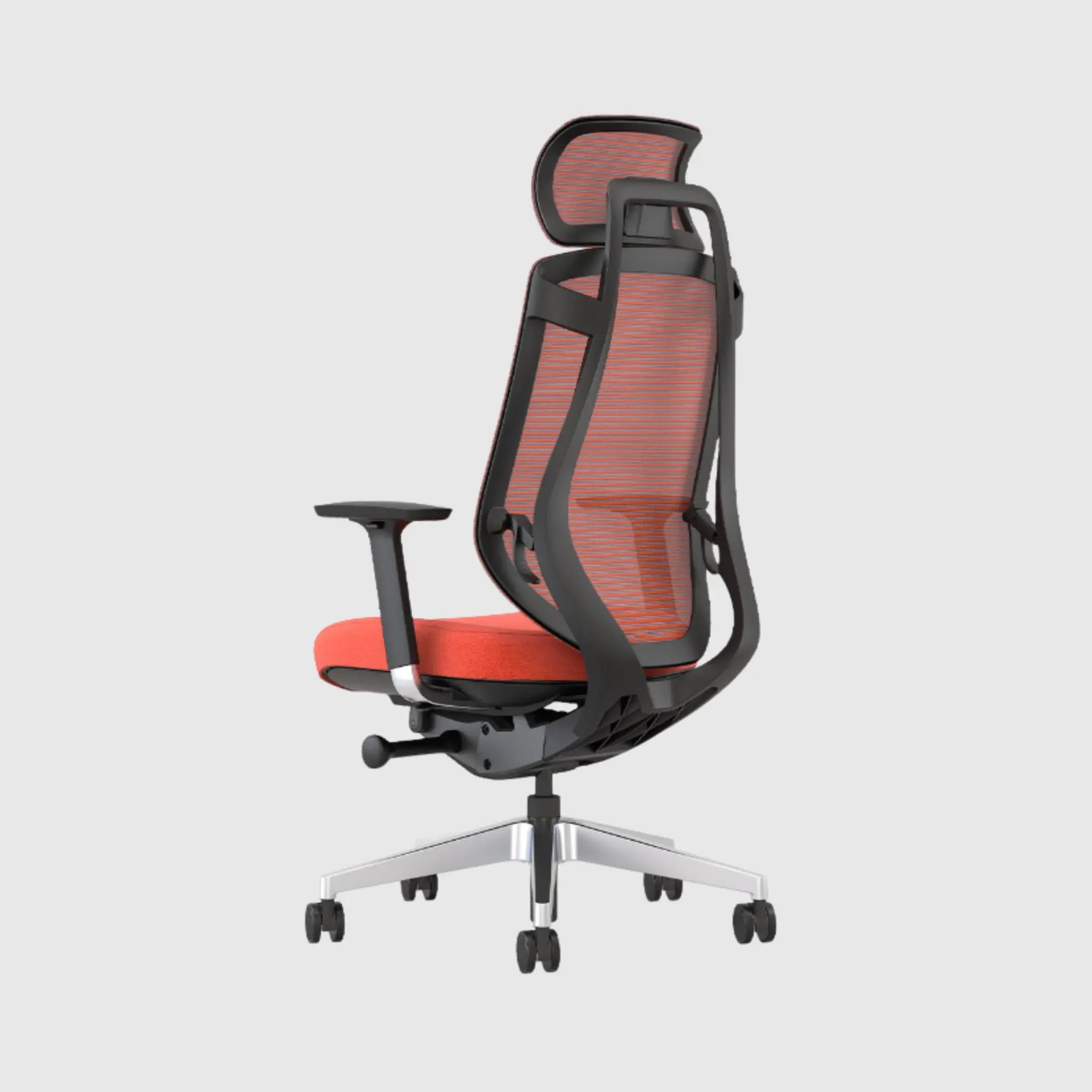
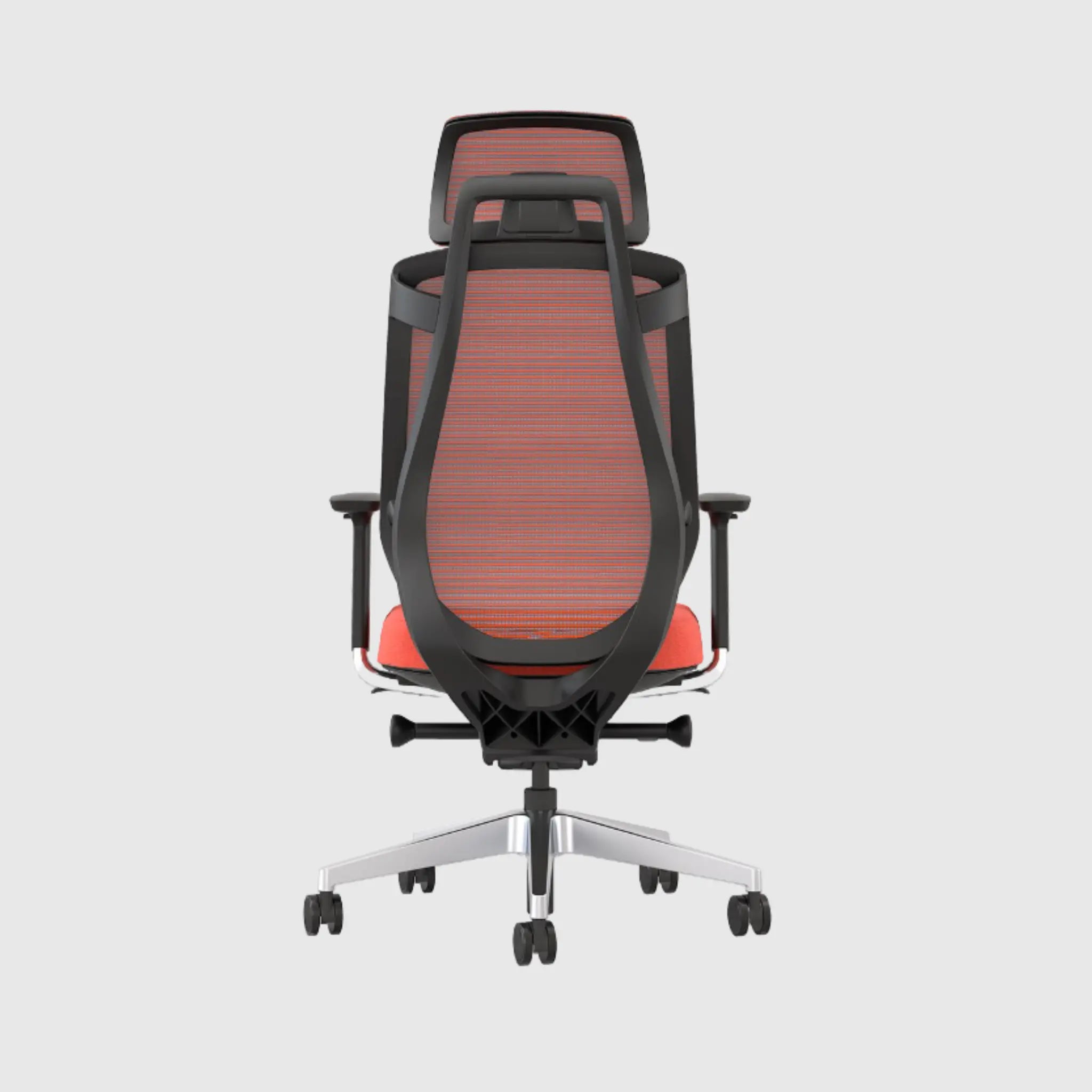
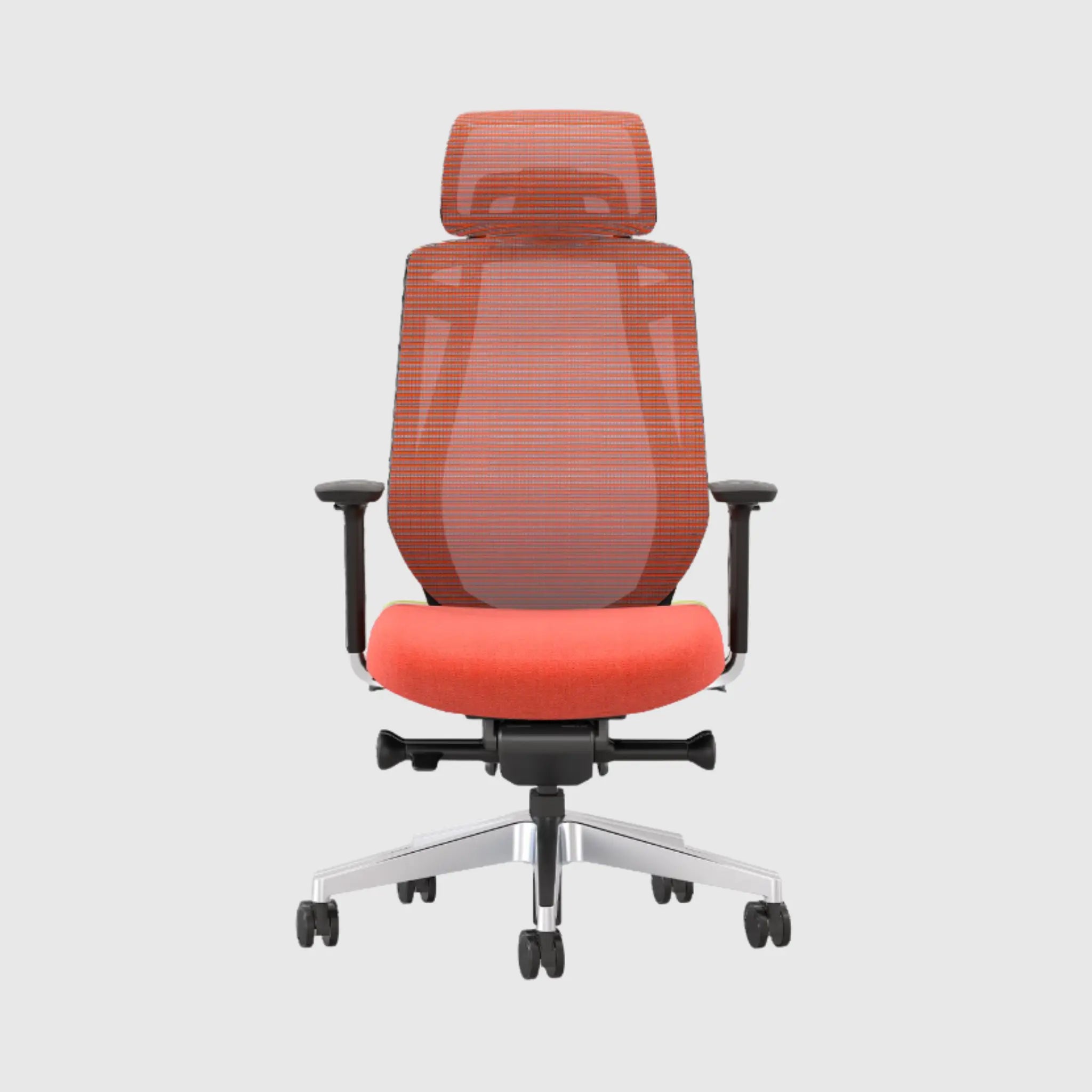
Ergonomic office chair KRESLALUX OSIER-A RED
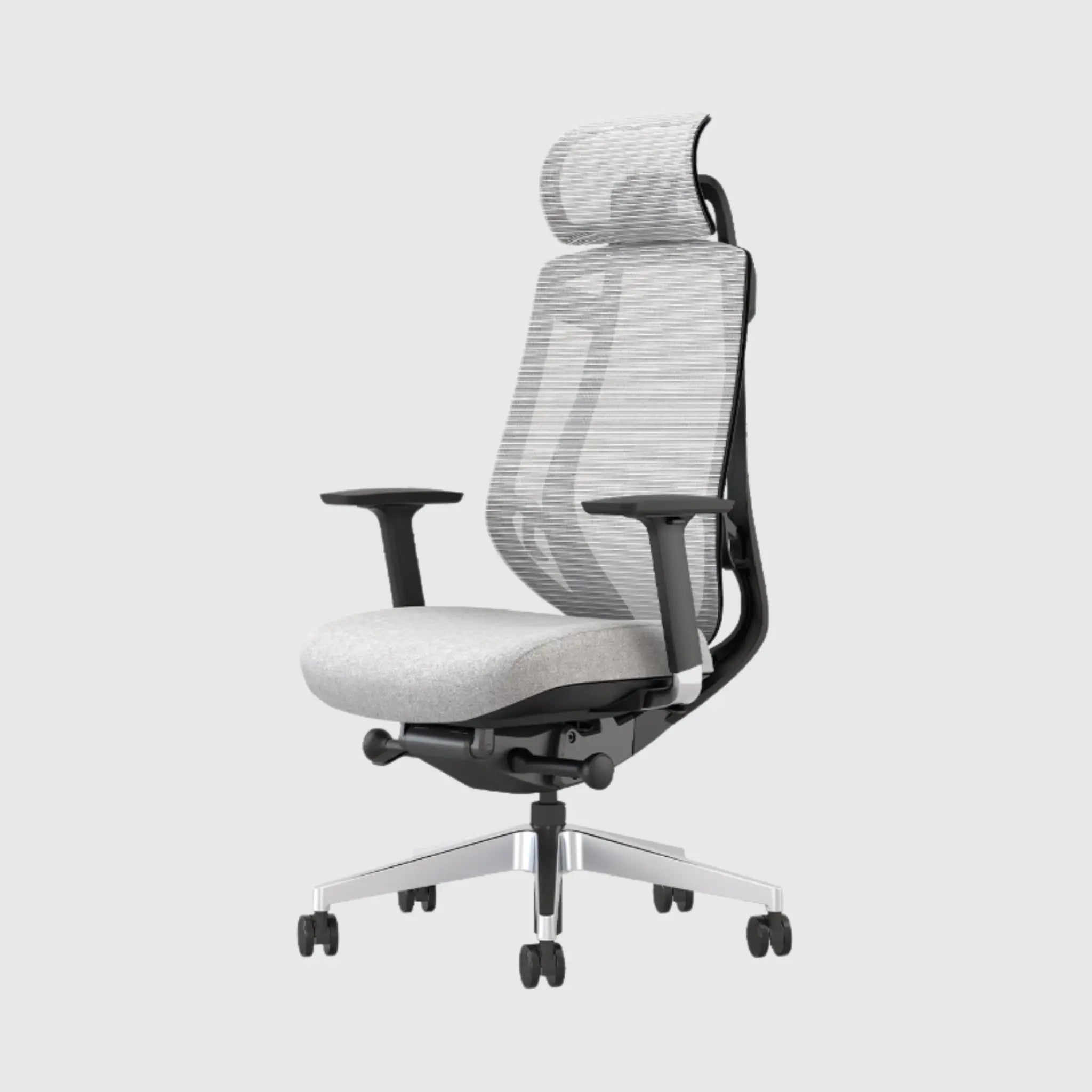
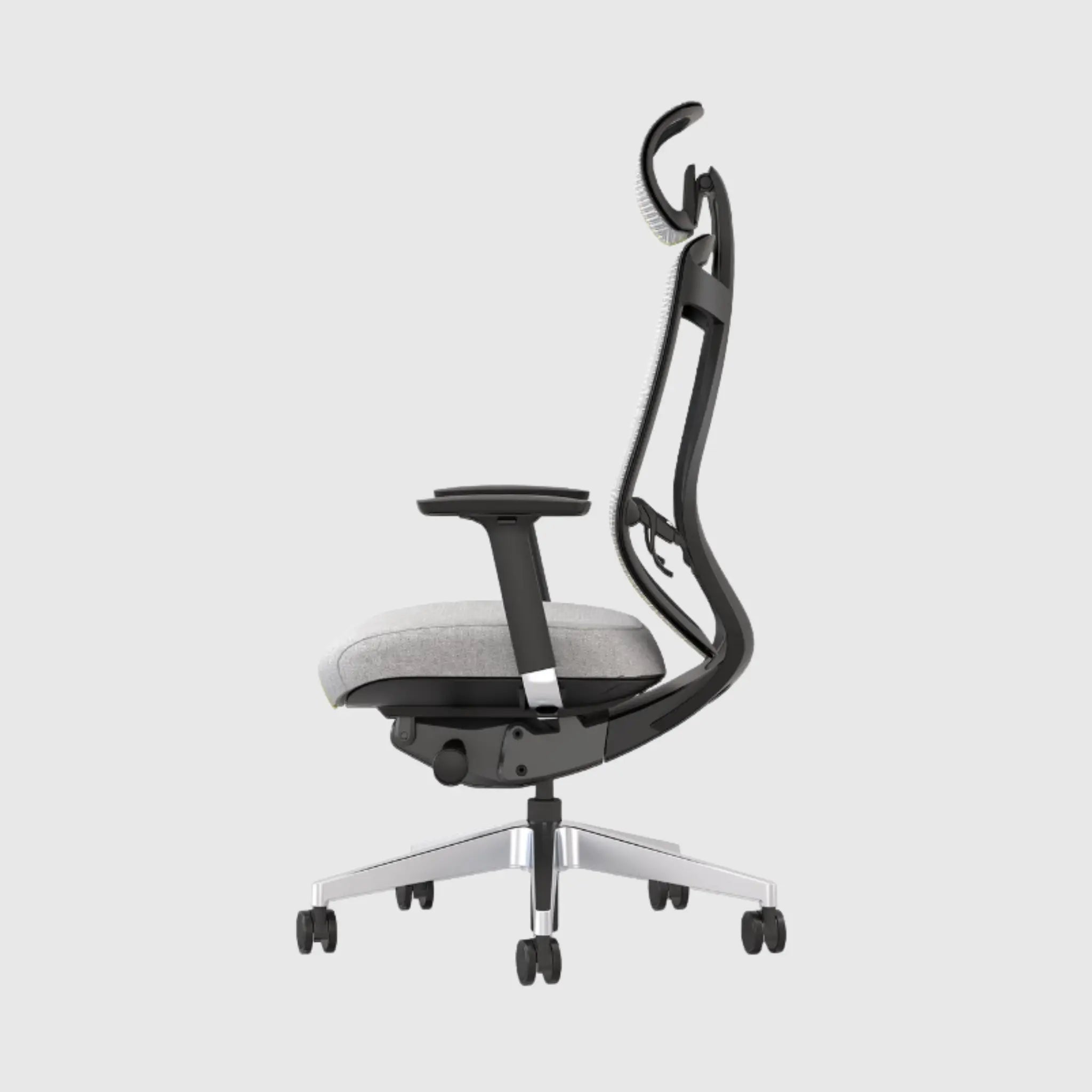
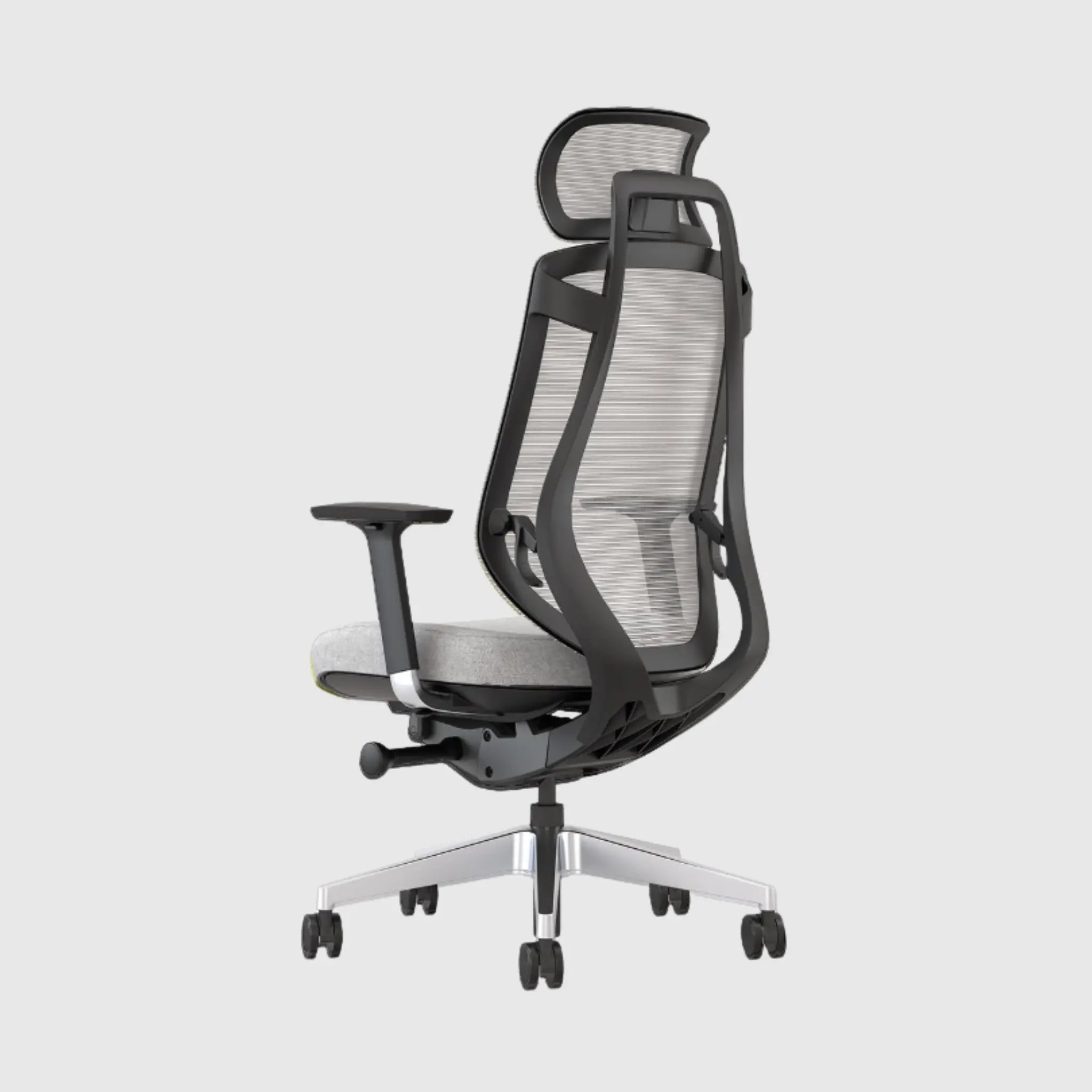
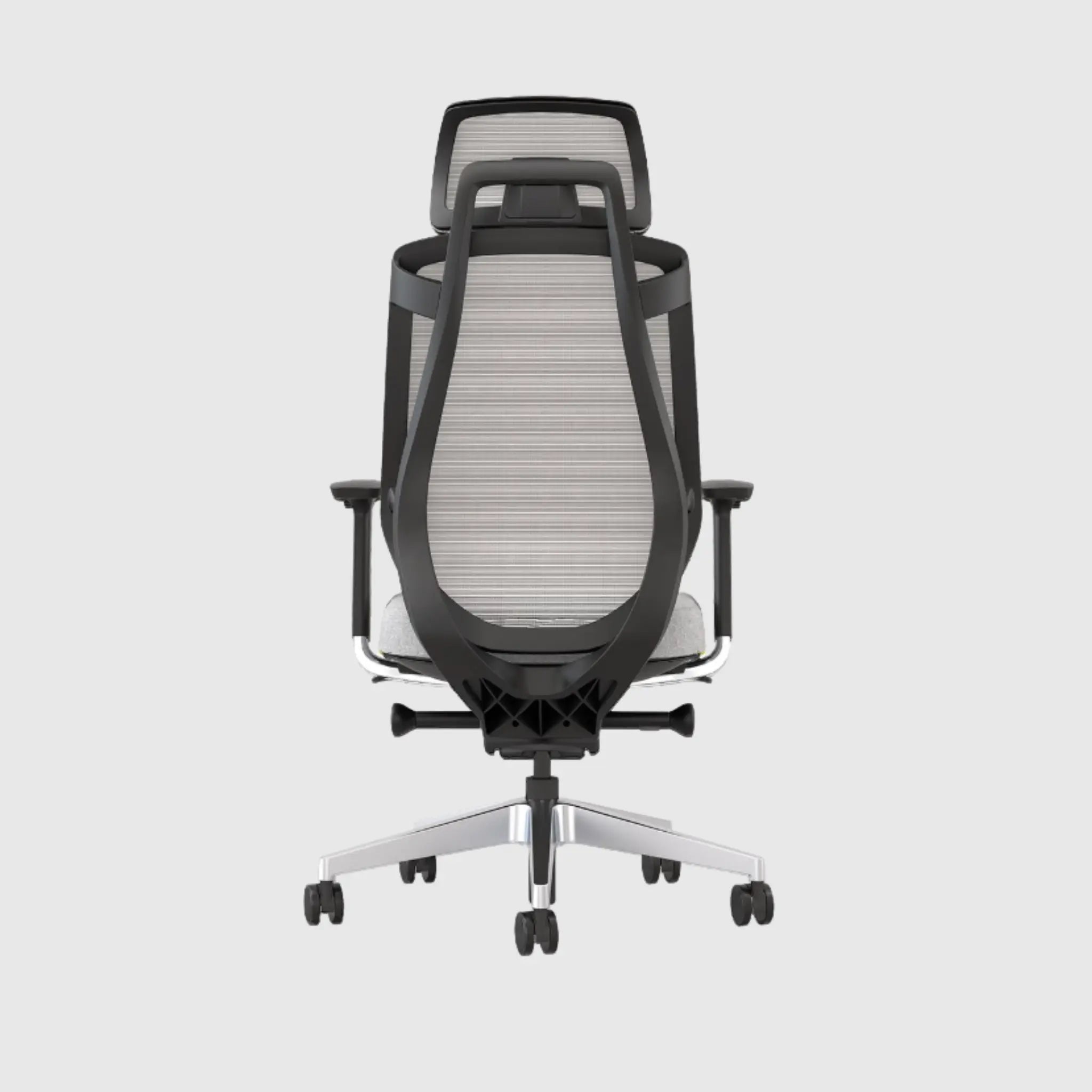
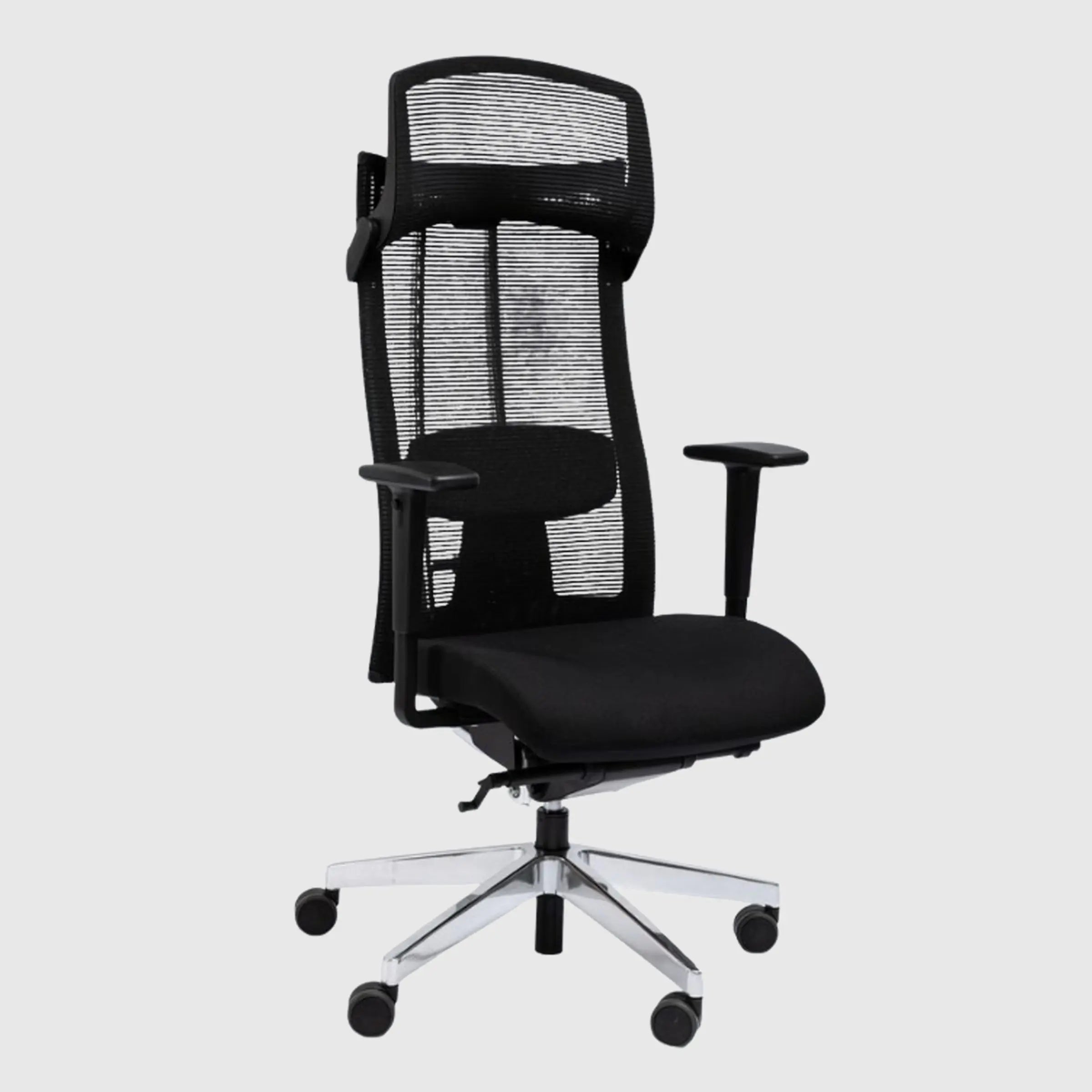
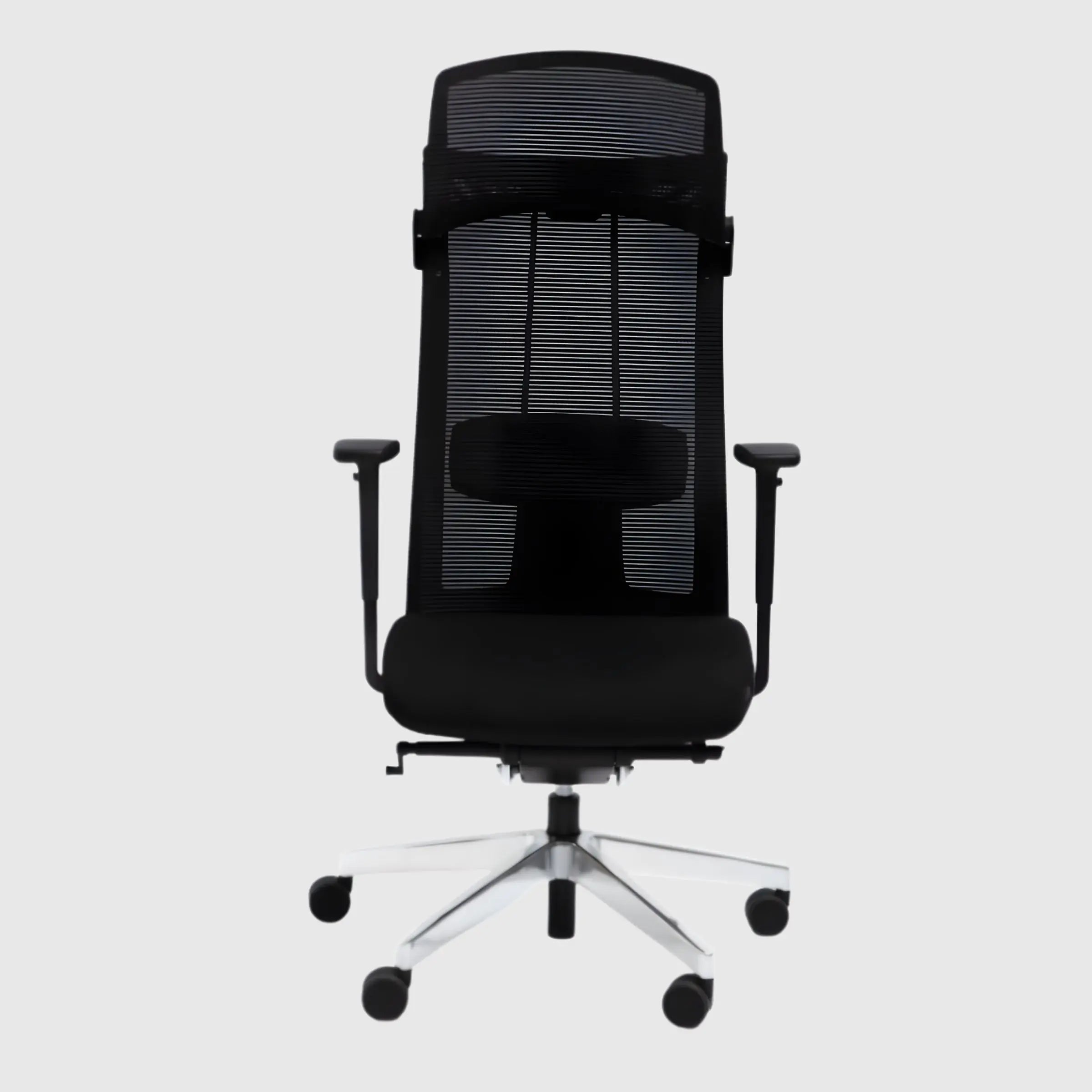

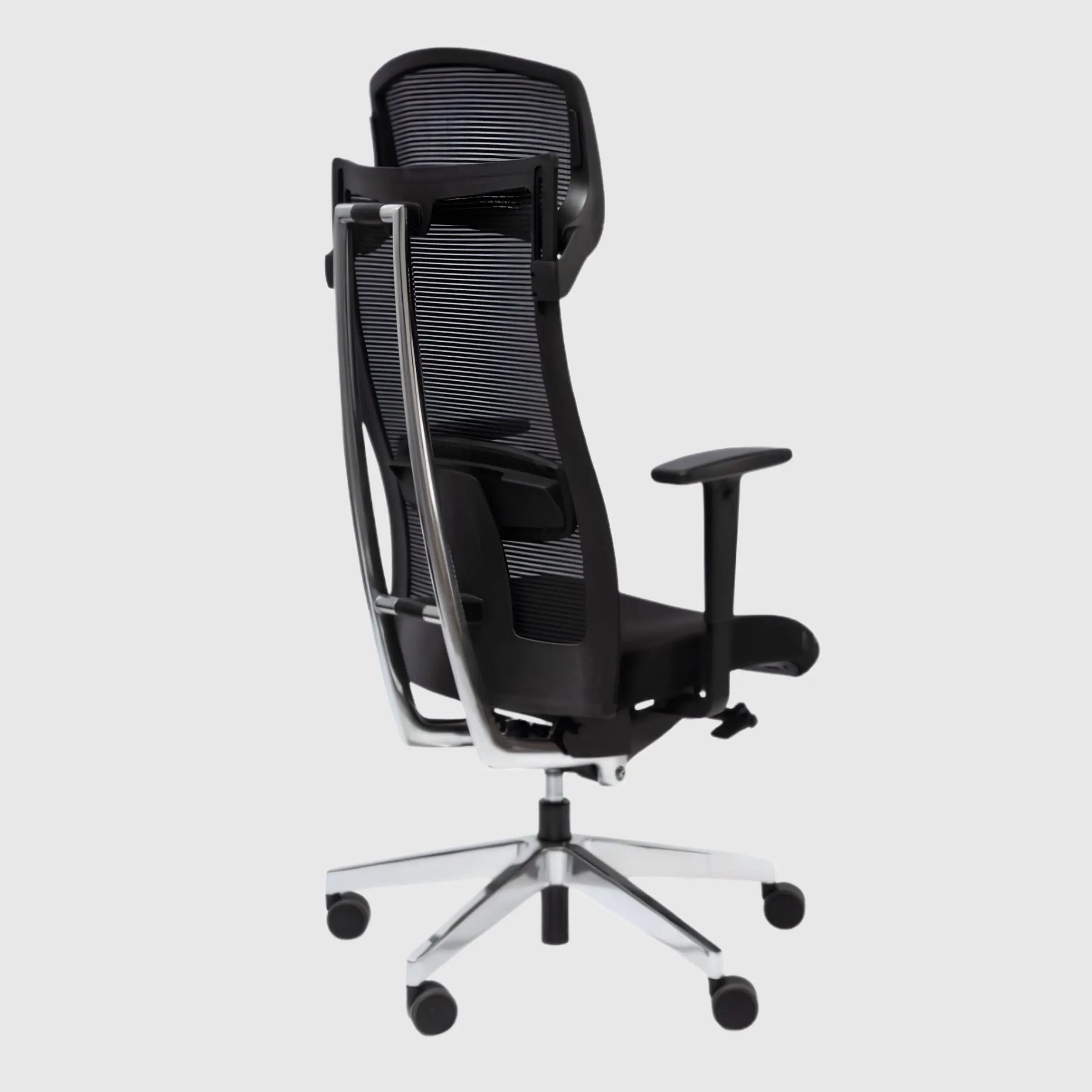
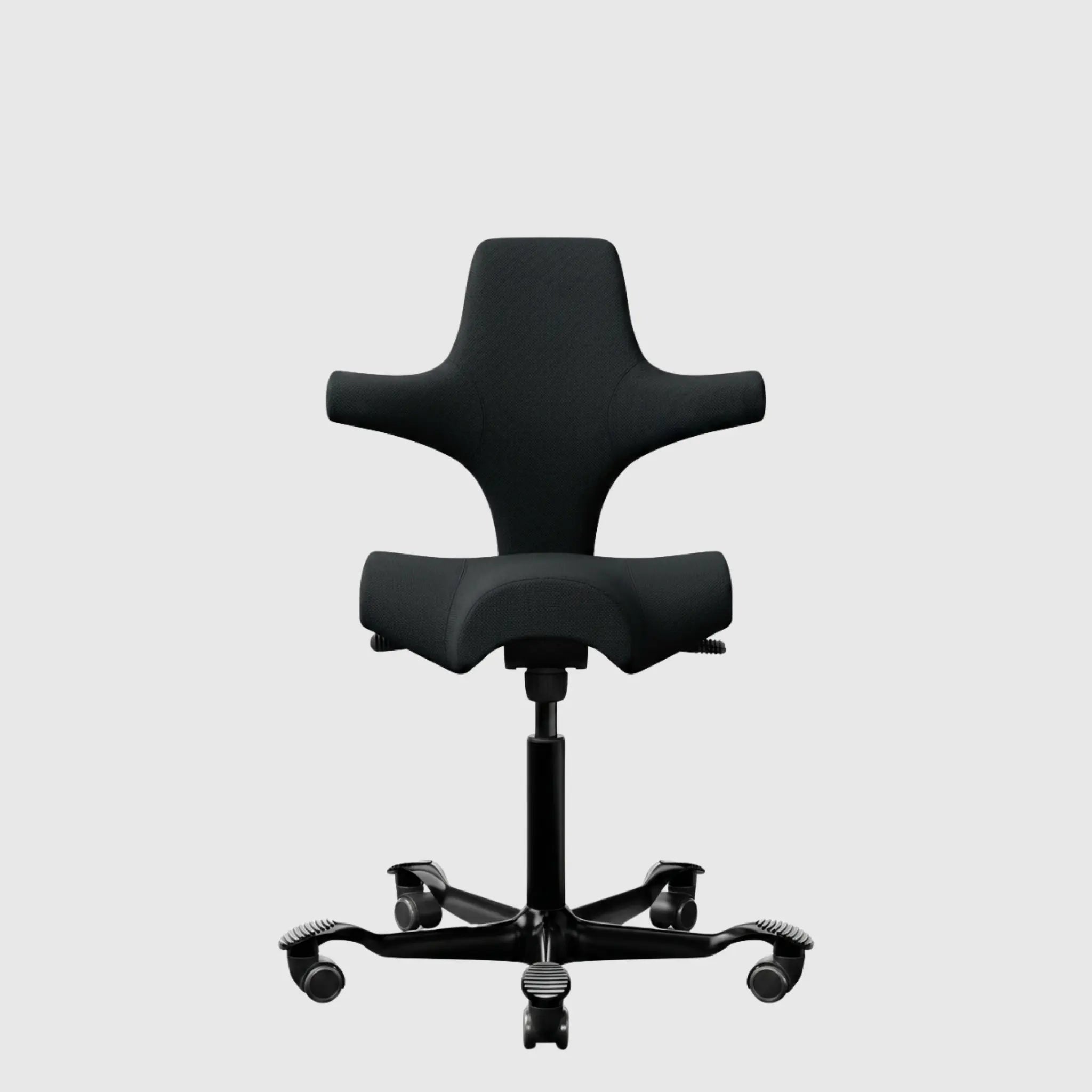
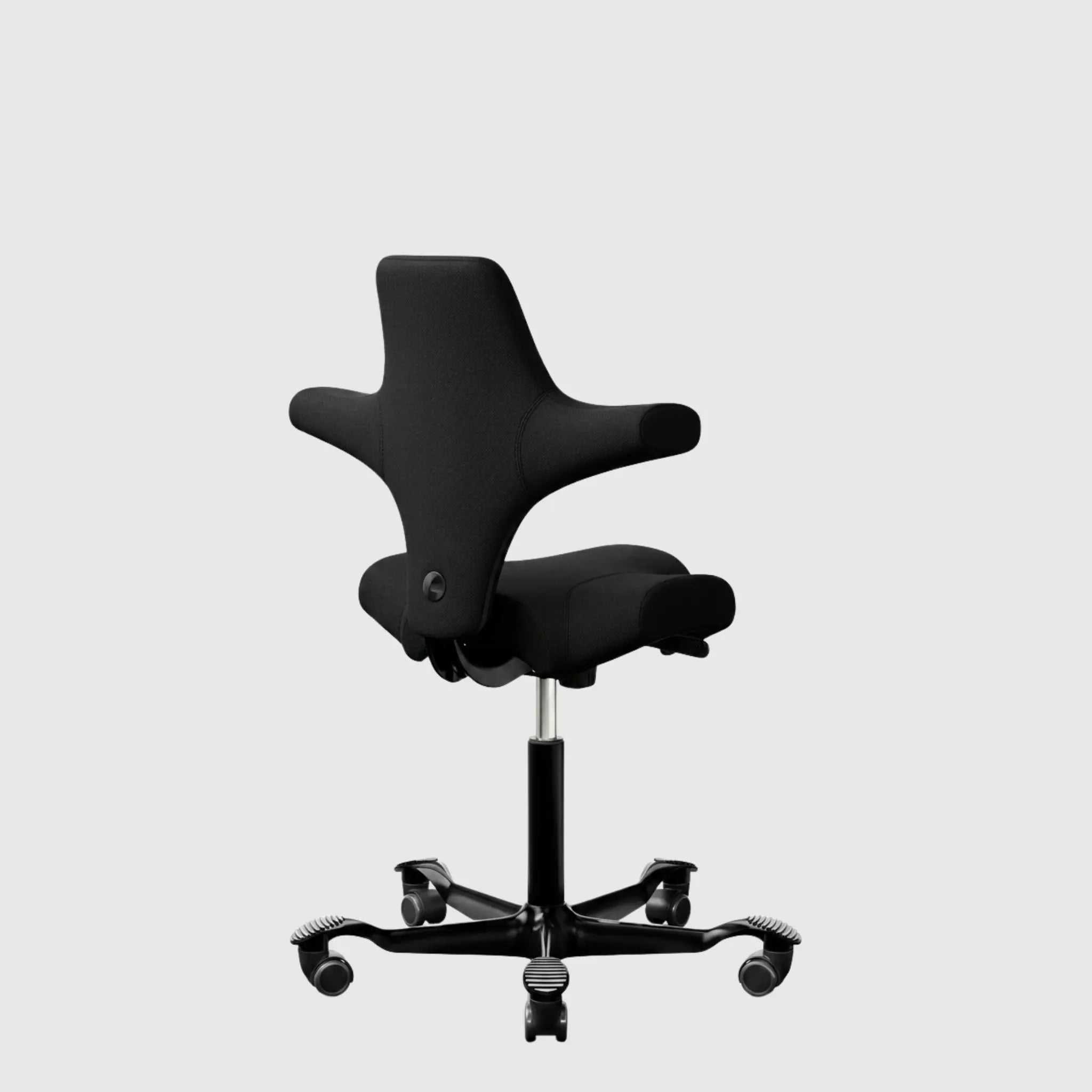
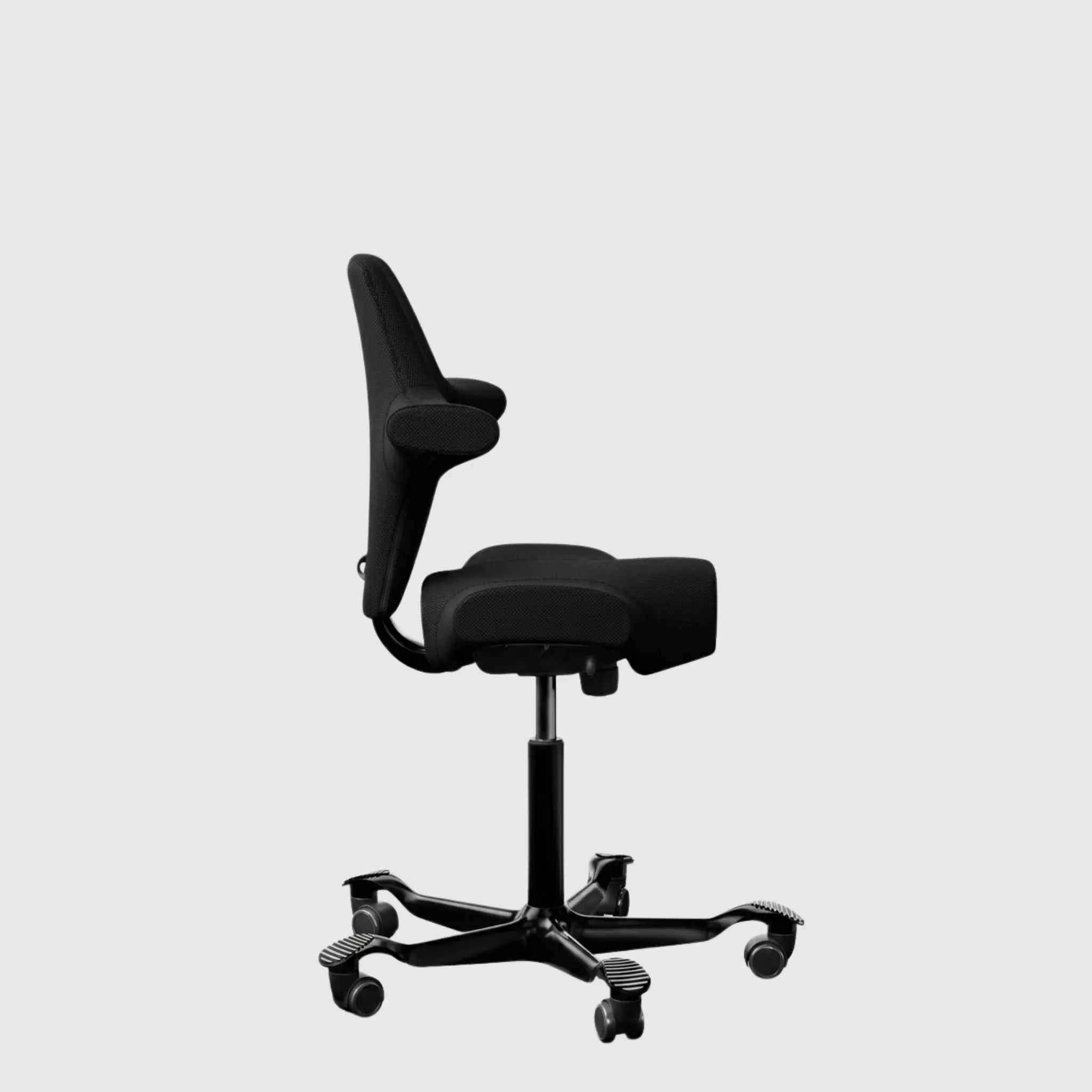
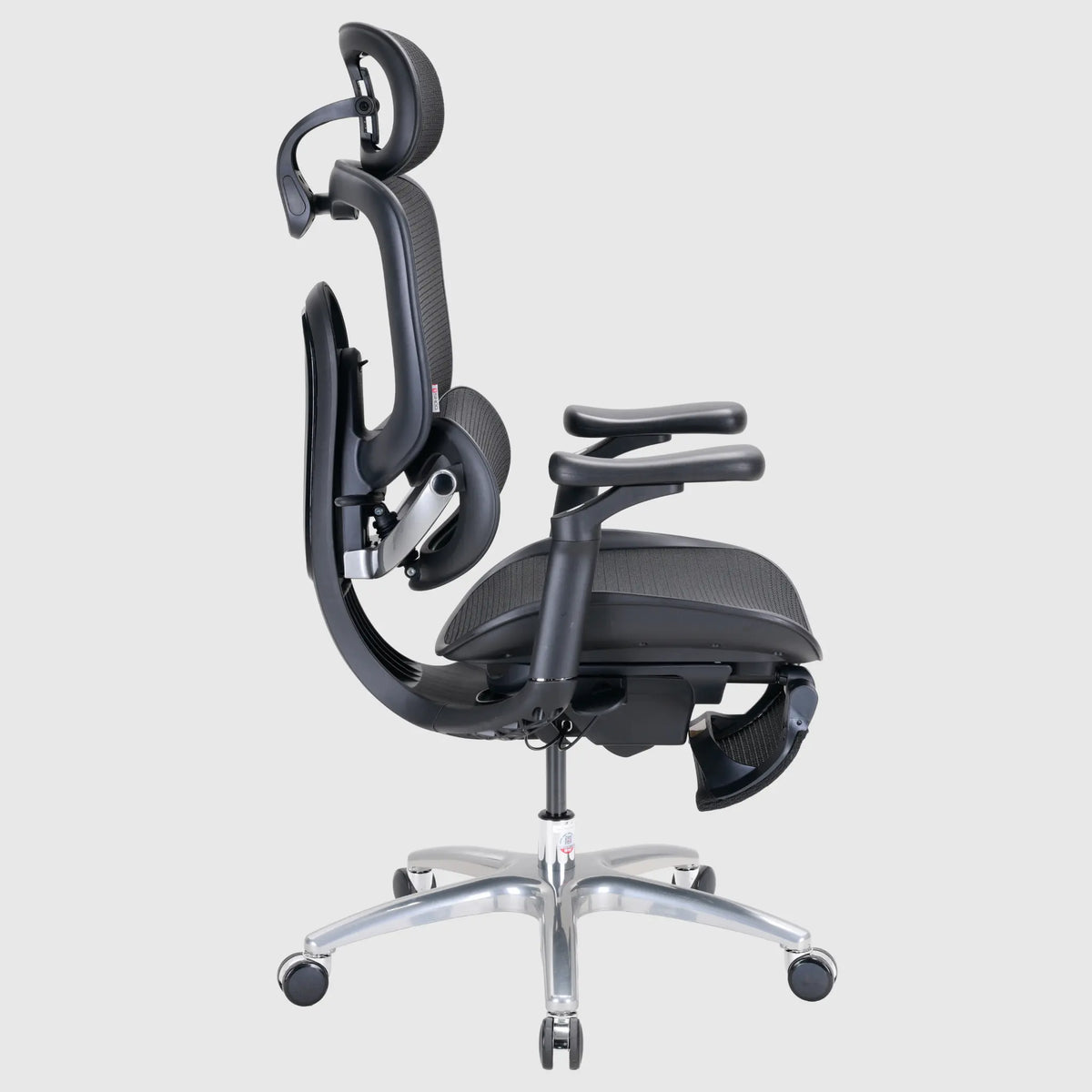
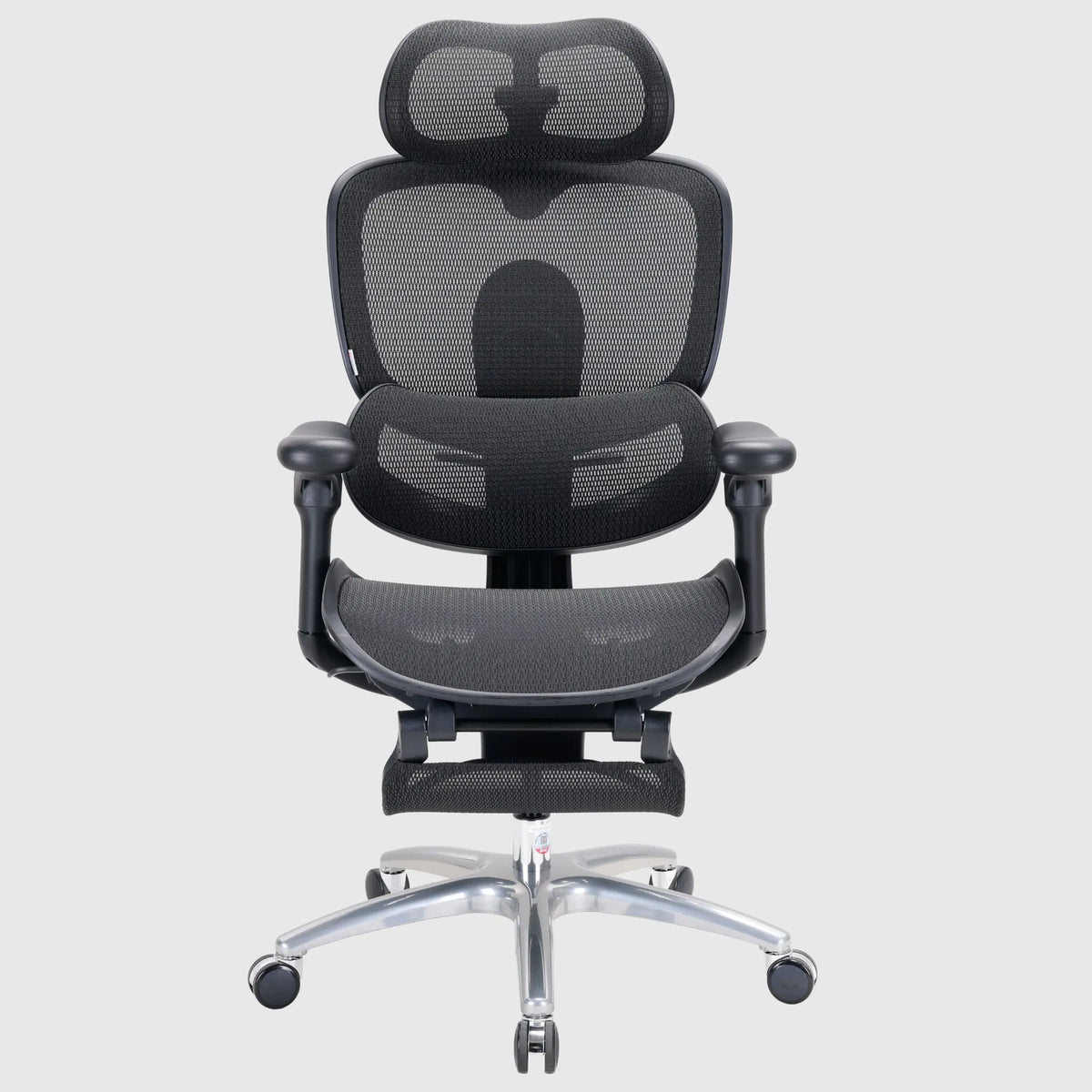
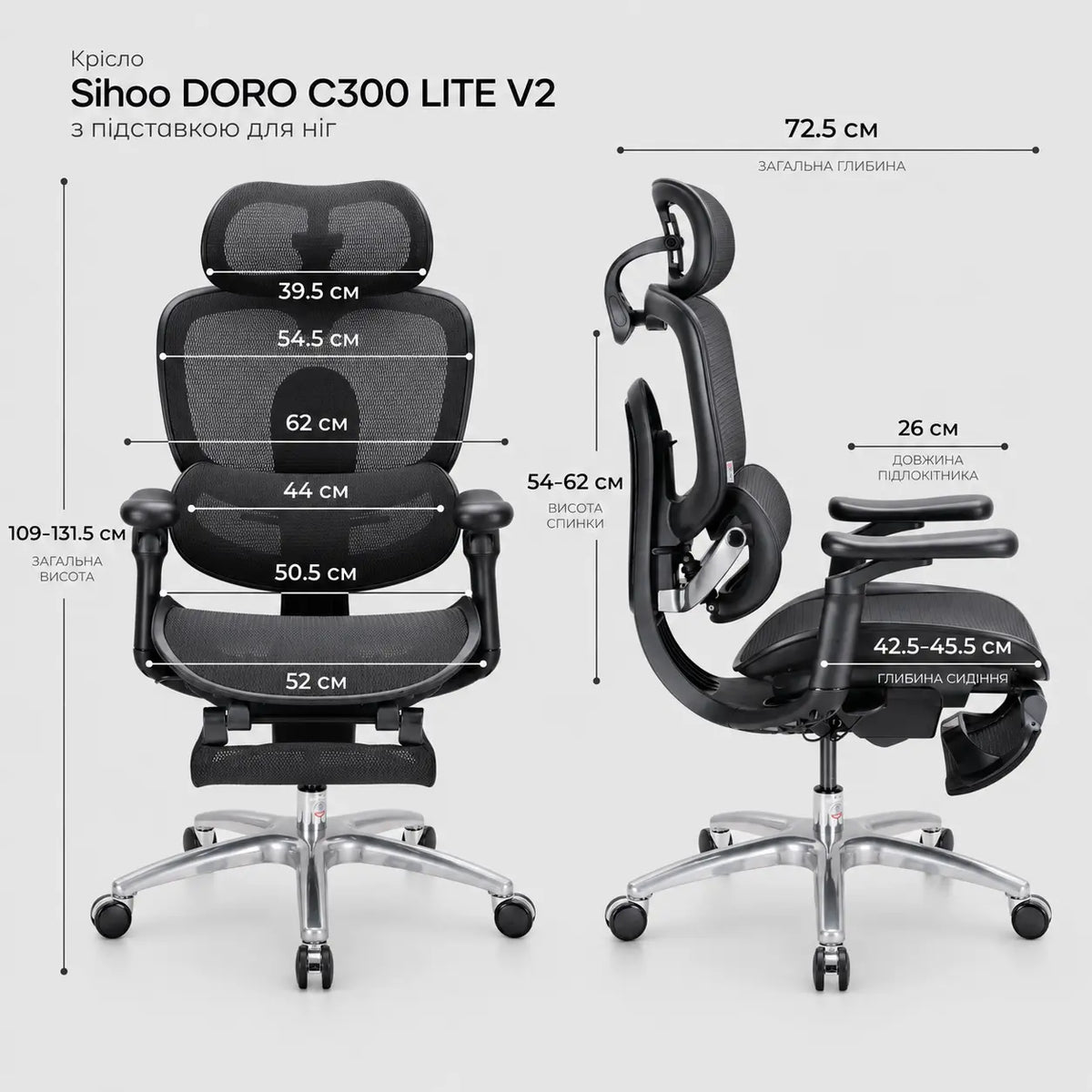
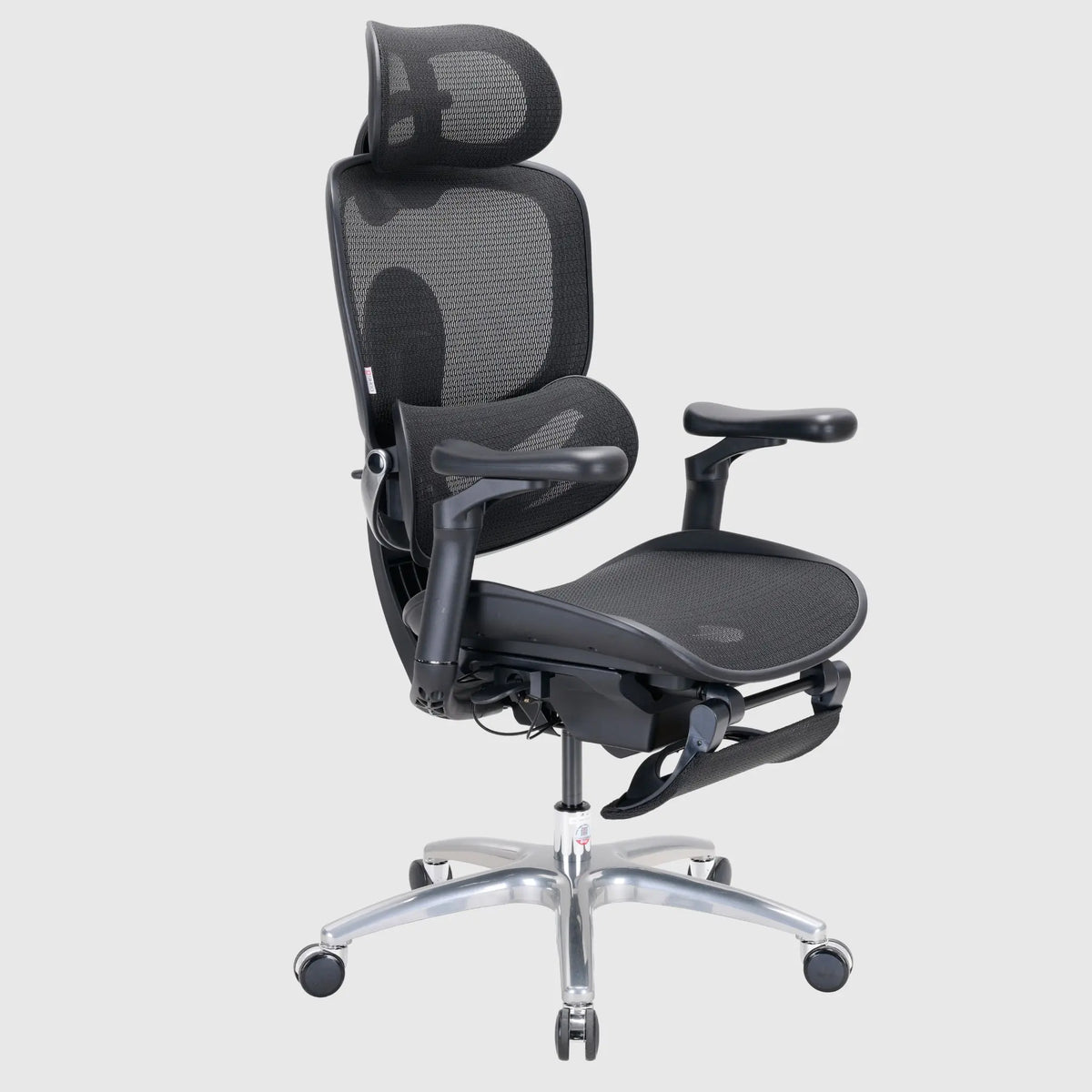
Крісло комп'ютерне ергономічне Sihoo DORO C300 LITE V2 з підставкою для ніг
How to choose an ergonomic chair: investment in health or additional costs?
Prolonged sitting during the workday is one of the biggest challenges for modern humans. It leads to chronic pain in the back, neck, knees, shoulder tension, and even internal organ dysfunction. A properly chosen ergonomic chair helps avoid these problems and improve productivity. But why can't ergonomic chairs be cheap—and are they really worth their money?
Benefits of Ergonomic Chairs: Scientific Facts
According to a Cornell University study, prolonged sitting without back support increases pressure on intervertebral discs and causes back pain in 74% of people. Using an ergonomic chair with an adjustable backrest and lumbar support reduces this risk to 21%. This makes an ergonomic chair not an accessory, but a necessary part of the workplace that directly affects health.
How an Ergonomic Chair Differs from a Regular One
The key feature is the ability to adapt the chair to the anatomy of a specific user:
- seat height;
- backrest tilt angle;
- seat depth;
- lumbar support;
- armrest and headrest adjustment.
Thanks to these adjustments, the load on the spine and joints is significantly reduced.
Why Ergonomic Chairs Cannot Be Cheap
- Innovative Adjustment Mechanisms. Multi-stage mechanisms are customizable to individual needs, and quality components ensure durability and smooth operation;
- High-Quality Materials. Breathable, hypoallergenic, and wear-resistant materials maintain support even with prolonged daily use;
- Research and Development. Manufacturers of ergonomic chairs invest in research on the impact of sedentary work on health—which is why their chairs provide maximum comfort and support.
Cheap chairs, as a rule, do not provide sufficient lumbar and neck support, which over time leads to discomfort and health problems.
Main Benefits of an Ergonomic Chair
- Improved Posture — a high backrest and adjustable lumbar support maintain the natural position of the spine;
- Reduced Fatigue — less tension in muscles and joints: according to a University of Minnesota study, employees with ergonomic chairs have 17% higher productivity;
- Increased Concentration — a comfortable body position eliminates constant attention shifting due to discomfort;
- Less Neck and Shoulder Pain — adjustable headrests and armrests relieve tension in the upper body.
How to Choose a Model for Your Height and Weight
The main selection parameters are height, weight, and type of lumbar support. A guide to models from our catalog (exact characteristics are on each chair's page):
| Model | Height | Max. Weight | Lumbar Support | Armrests | For Whom |
|---|---|---|---|---|---|
| Sihoo Doro C300 Pro | up to 188 cm | up to 136 kg | self-adaptive dynamic | 3D | optimal start in ergonomics |
| Ergohuman Elite 2 | 165–195 cm | up to 170 kg | independent adjustment | 5D | premium segment classic, aluminum frame |
| Hinomi H1 Pro V2 | up to 200 cm | up to 136 kg | height and stiffness adjustment | 5D | home and office, foldable design with footrest |
| Sihoo Doro S300 | 150–190 cm | up to 136 kg | dual dynamic | 6D coordinated | "weightless" recline (anti-gravity mechanism) |
| COMF-PRO Truly | 160–205 cm | up to 120 kg | adjustable stiffness, backrest — 9 height positions | 3D | specifically for tall people |
| Hinomi H2 Pro | 155–200 cm | up to 150 kg | dynamic: height, depth, tilt | multi-axis | maximum settings — 19 adjustment points |
| Hinomi X2 Pro | 155–200 cm | up to 150 kg | 4-panel backrest + dynamic lumbar | 6D | full back support, tilt up to 143° |
| GTChair Dvary X | 160–190 cm | up to 150 kg | dynamic, height adjustment | 3D/5D | work and gaming, recline up to 160° |
| LiberNovo Omni | 153–186 cm | up to 136 kg | electric, with dynamic adjustment | 4D sliding | flagship innovation: Bionic FlexFit backrest moves with the body |
Mistakes When Choosing an Ergonomic Chair
- Inappropriate Size. Consider weight and height: a chair that is too small or too large will cause discomfort and even back or leg pain;
- Too Soft Seat. Excessively soft seats of cheap models do not support posture—the pelvis shifts forward, creating additional load on the spine;
- Incorrect Wheel Choice. If you frequently move around your workspace, choose chairs with quality wheels suitable for your floor type.
An ergonomic chair is an investment in health and productivity. The maximum effect is achieved with a "chair + height-adjustable desk" combination: alternating between sitting and standing positions relieves spinal load better than any chair alone.