

Sihoo Doro C300 Pro V2 ergonomic office chair with footrest
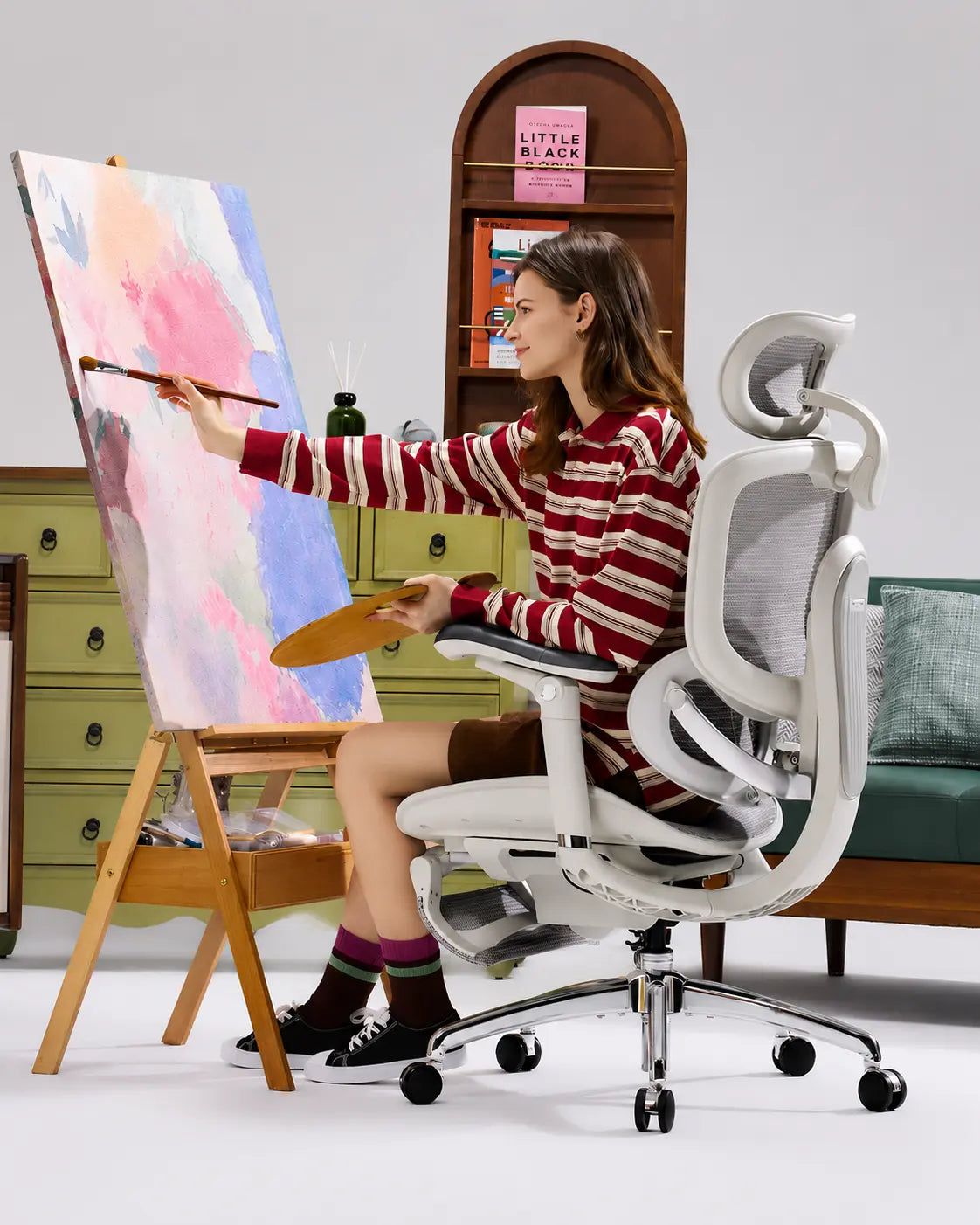
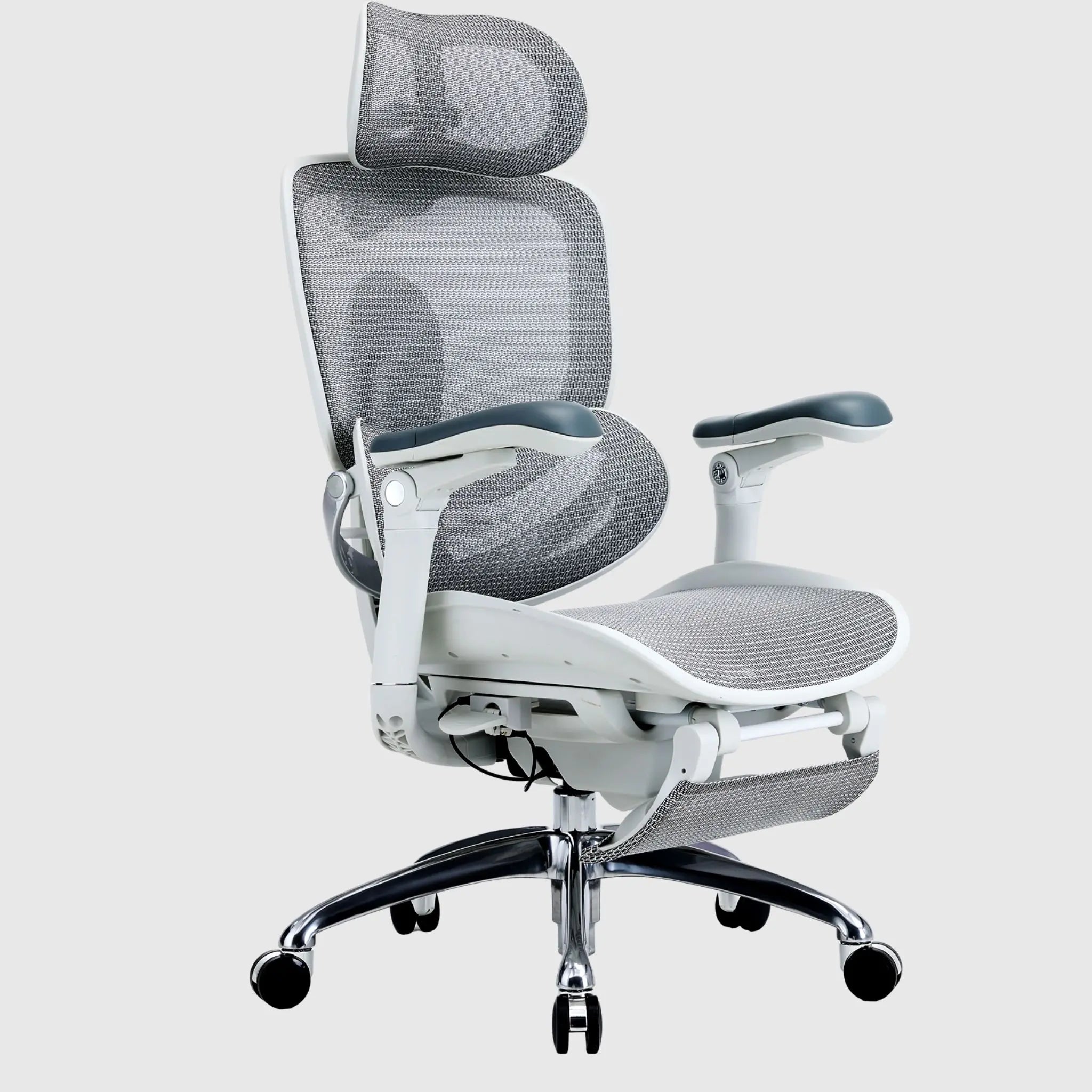
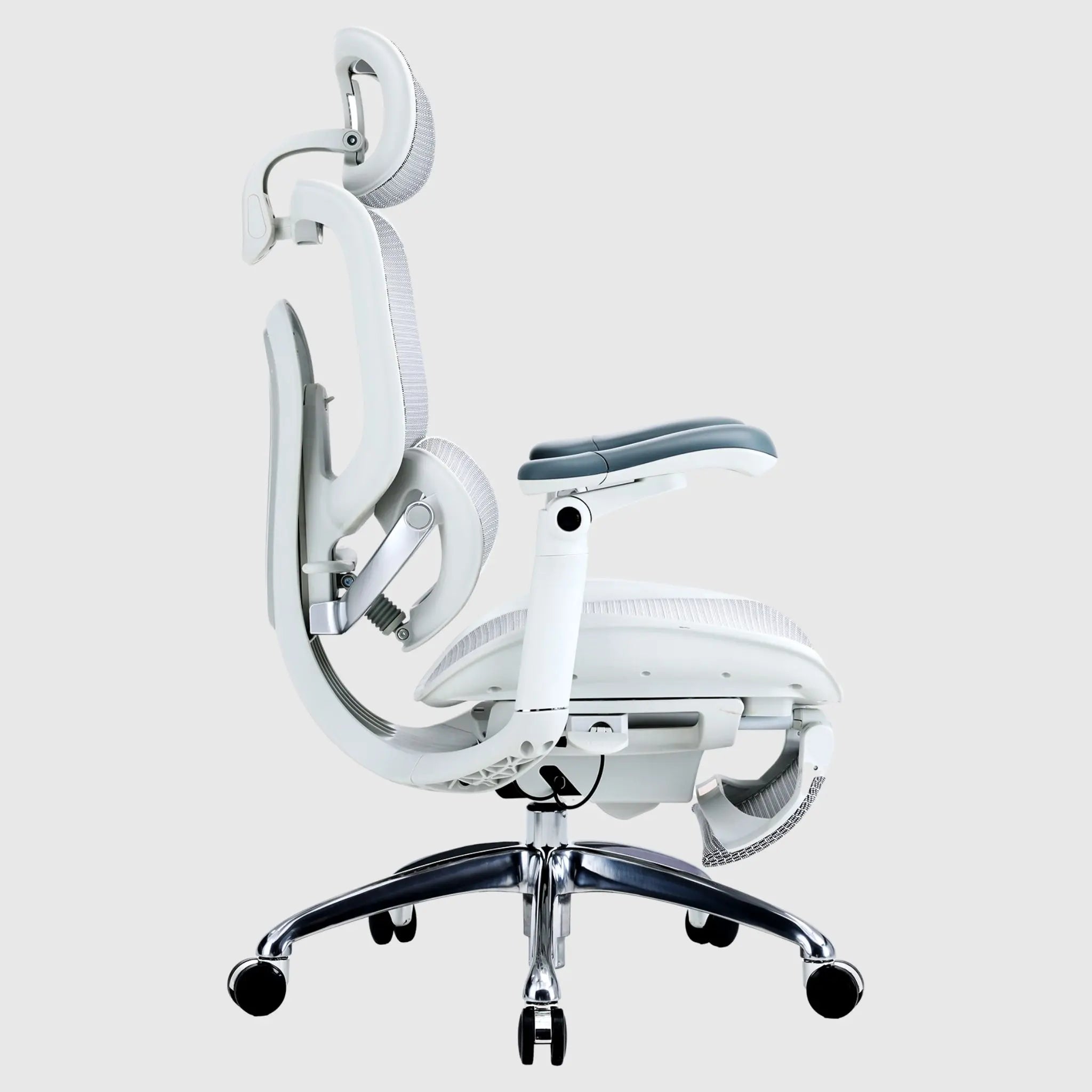
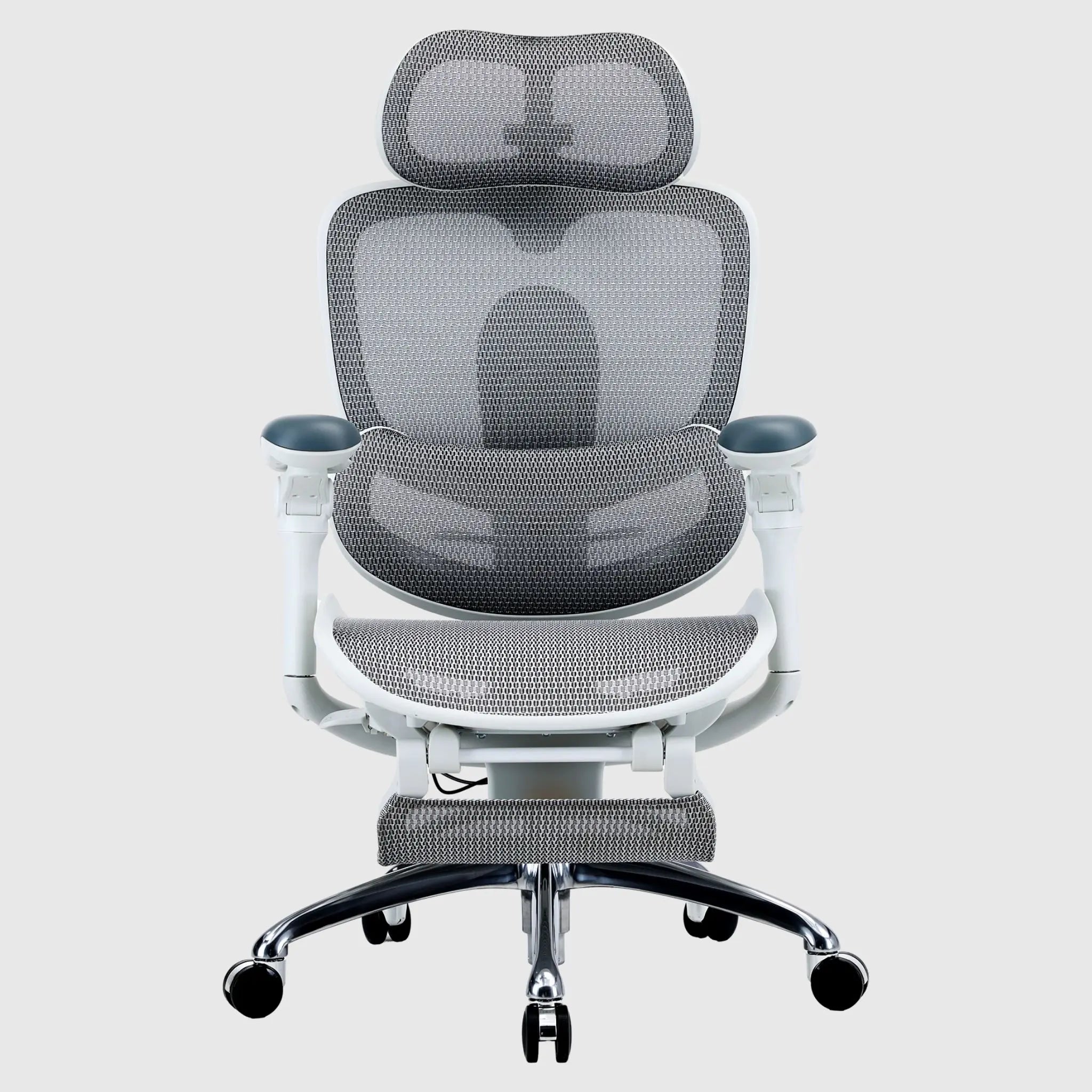
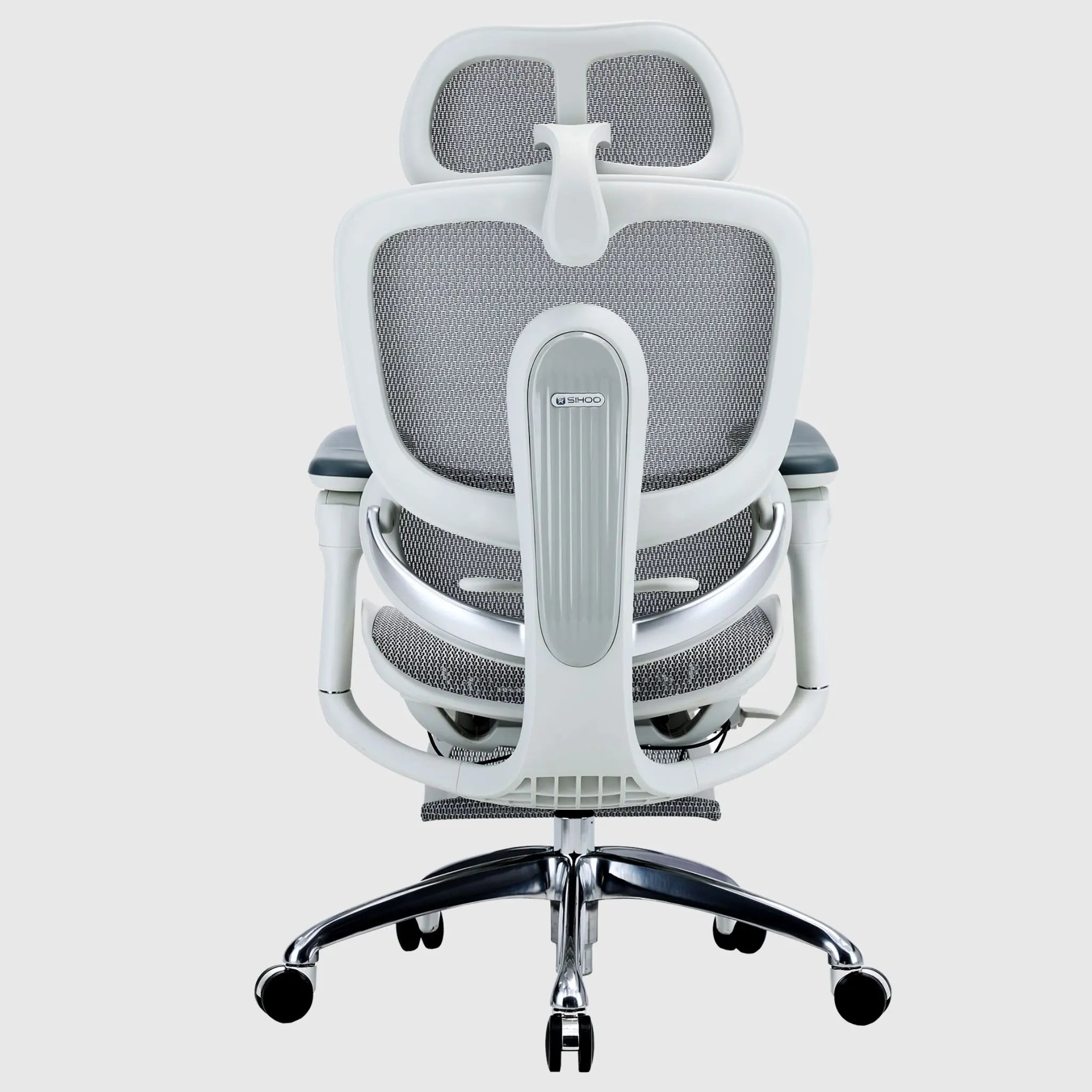
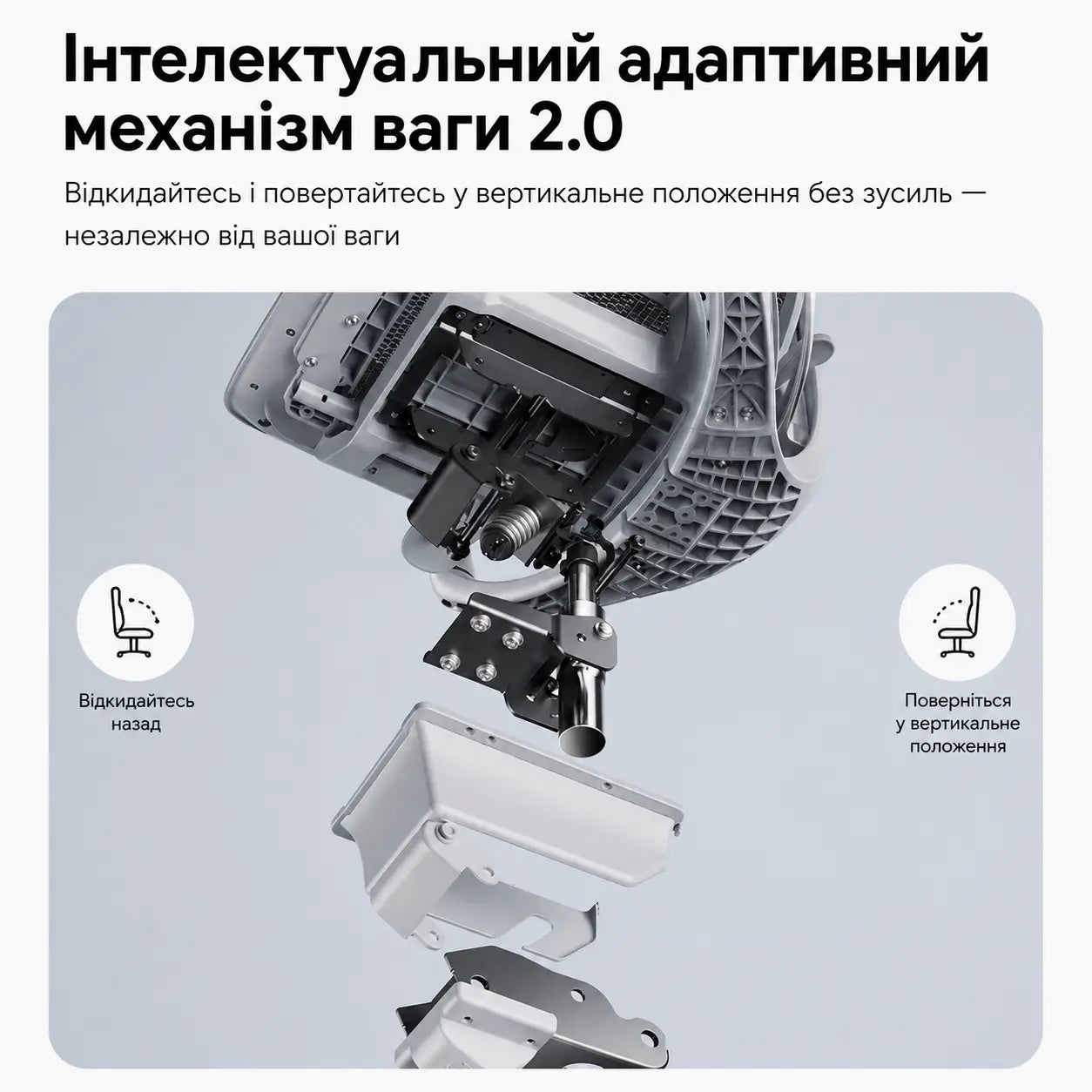
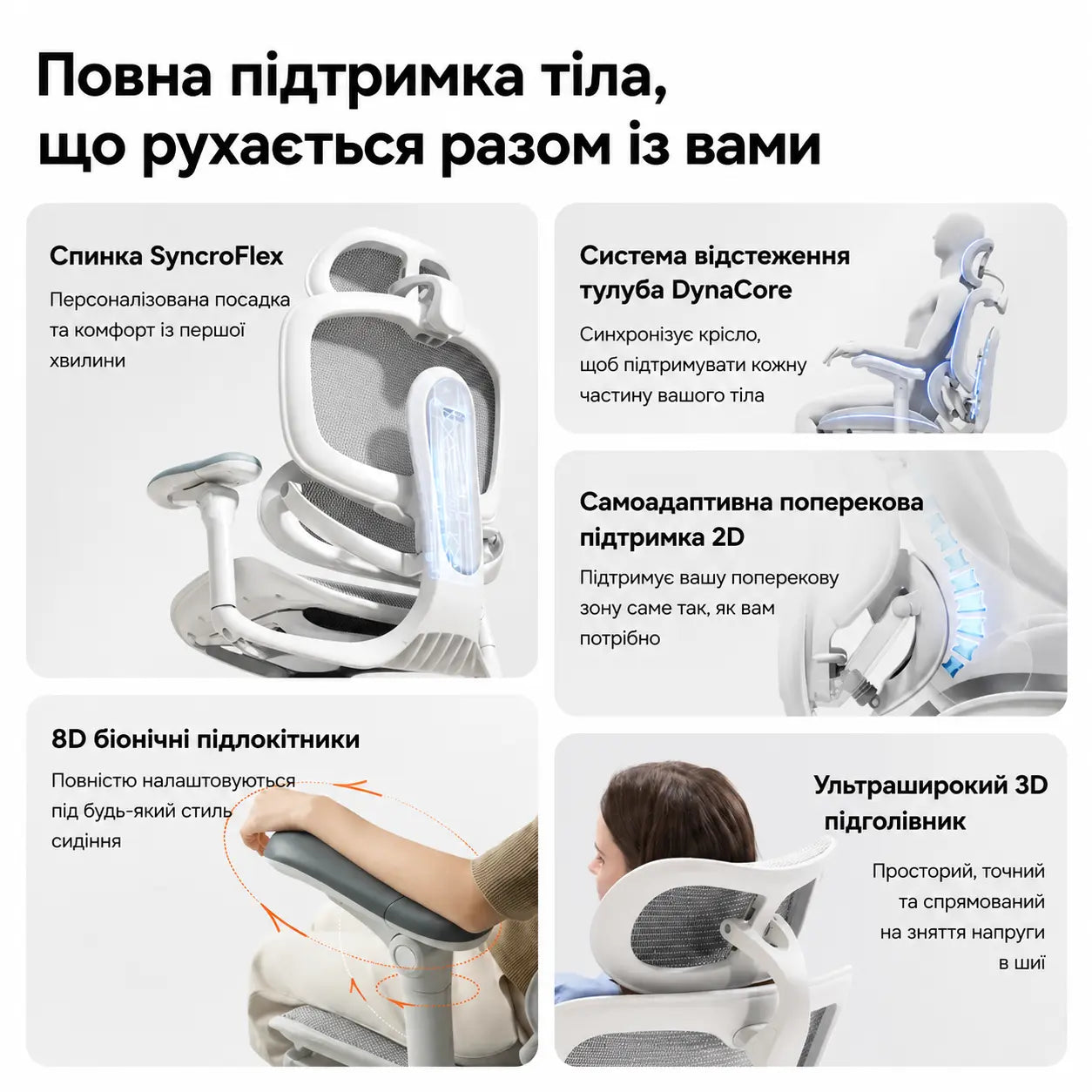
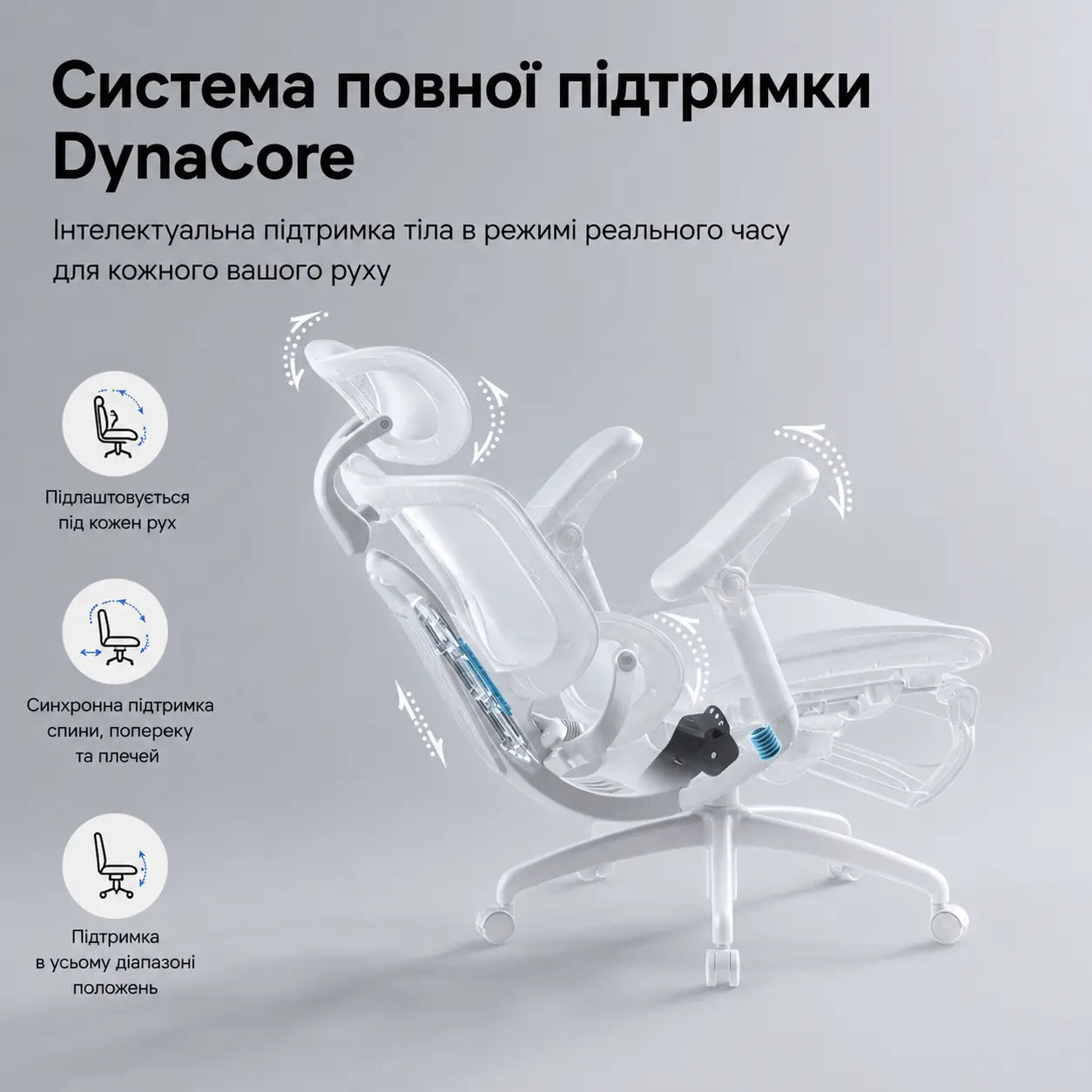
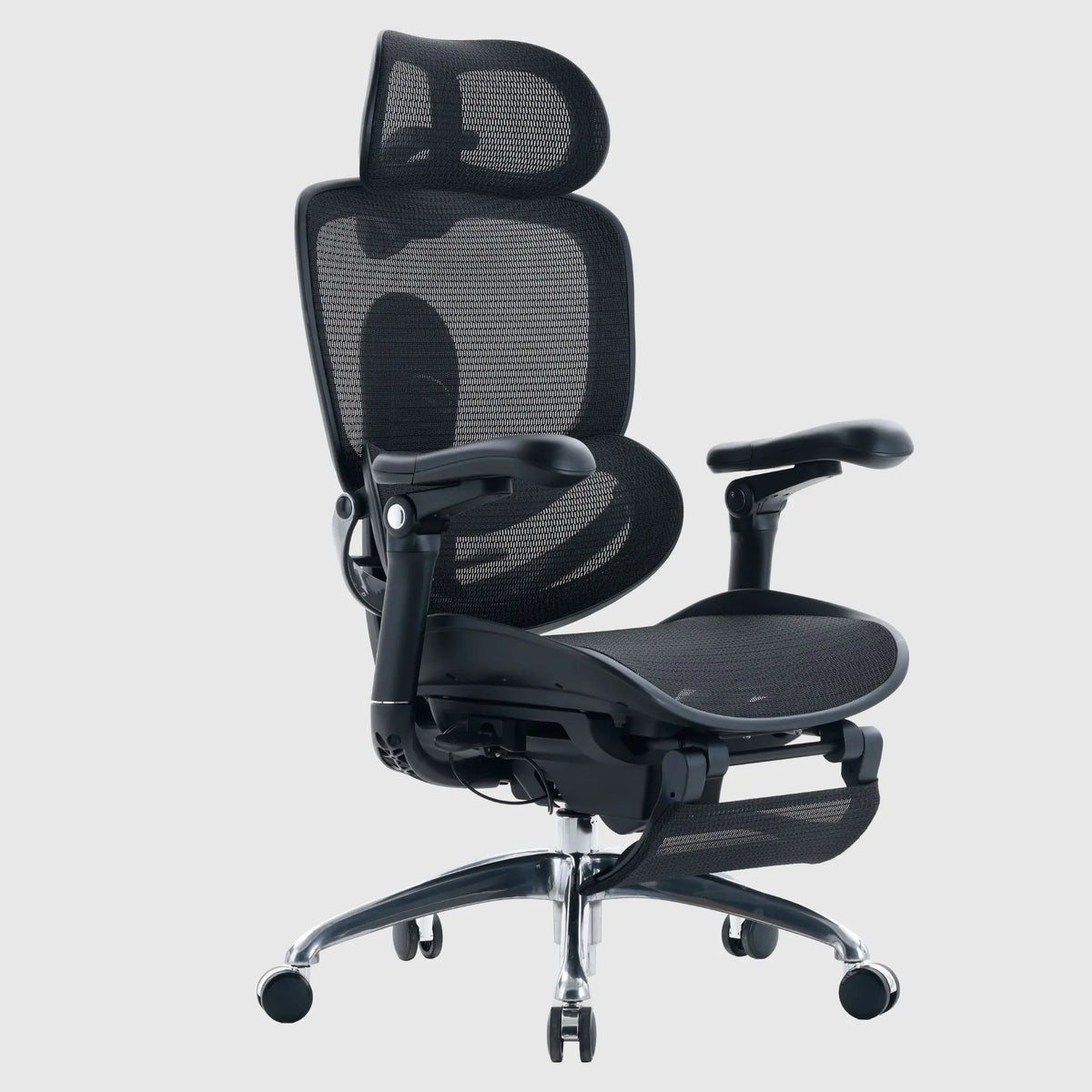
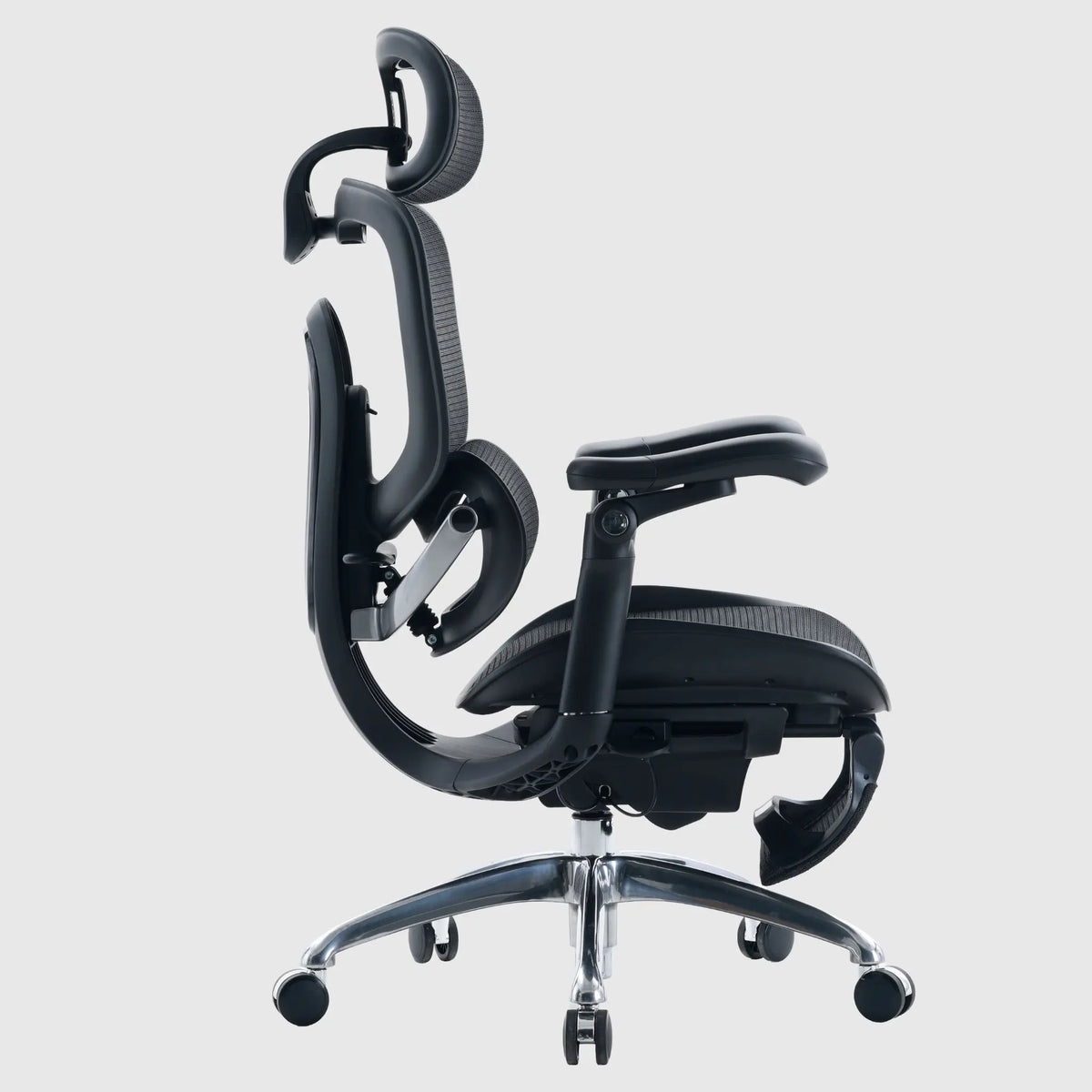
Sihoo Doro C300 Pro V2 is an ergonomic chair for home and office work, where support does not depend on whether you remembered to adjust it. The DynaCore system tracks body movement, simultaneously guiding the headrest, backrest, lumbar support, and armrests. Cheaper chairs have a static backrest: if you sit up straight, there is support, but if you change your posture, you are simply sitting on the mesh.
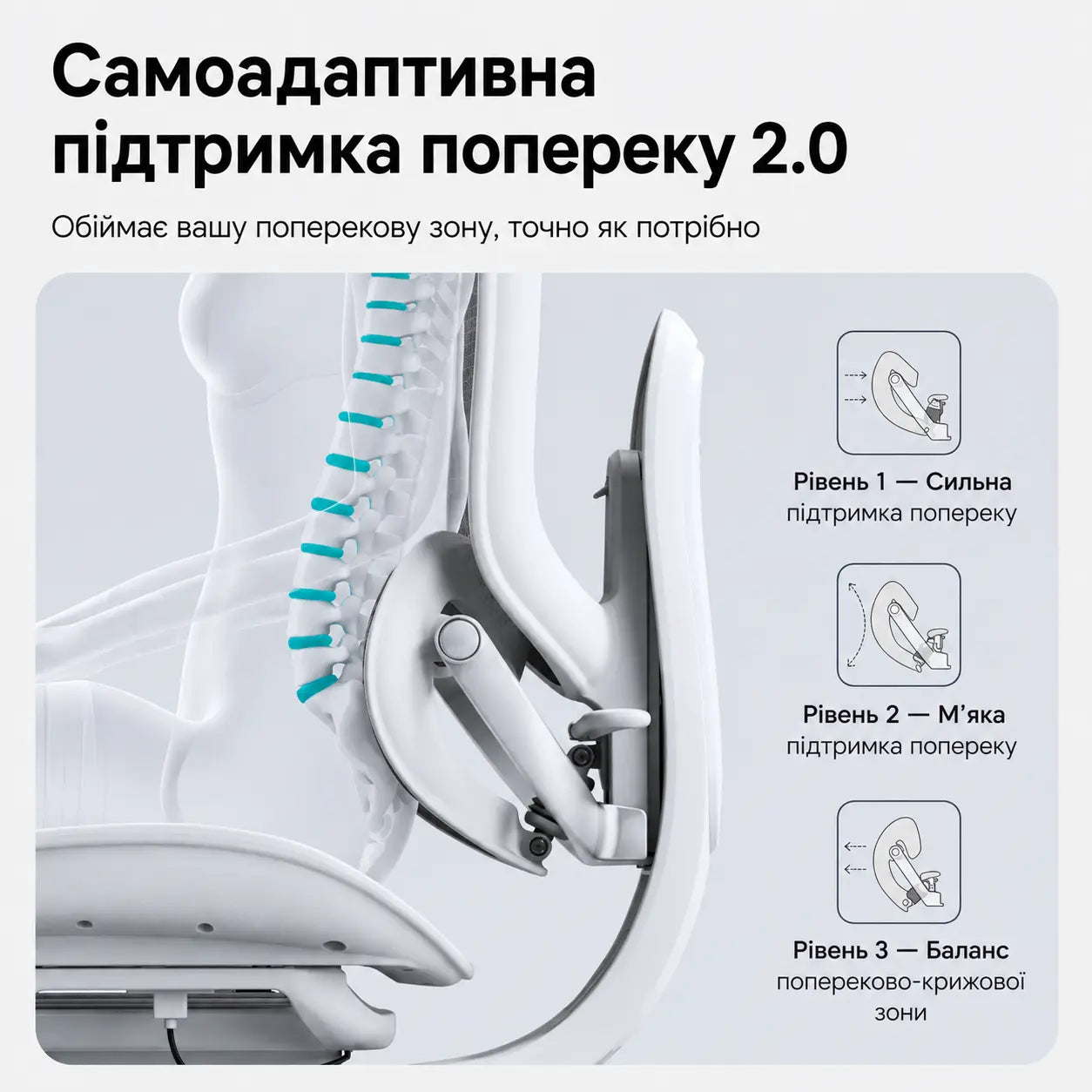
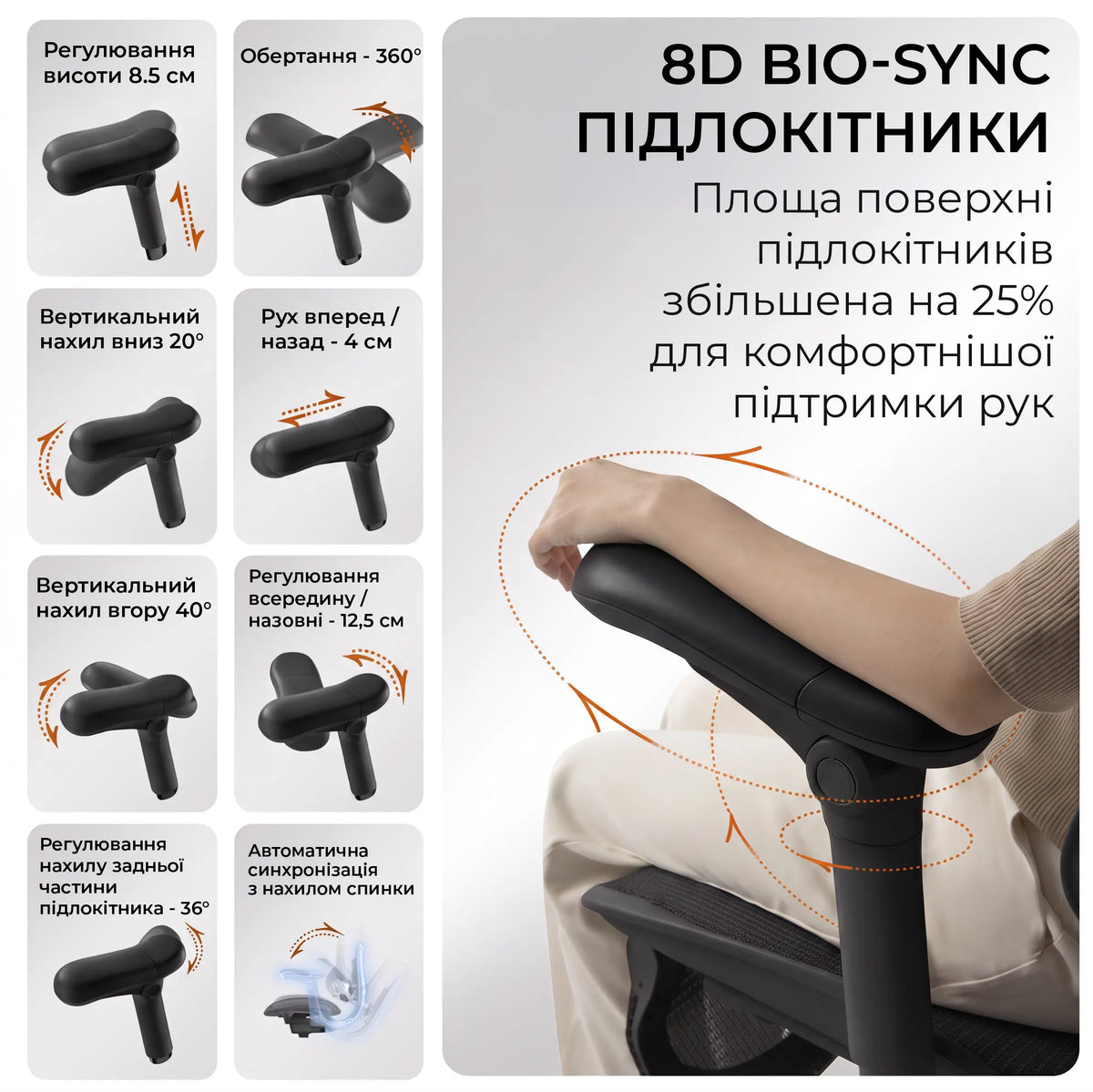
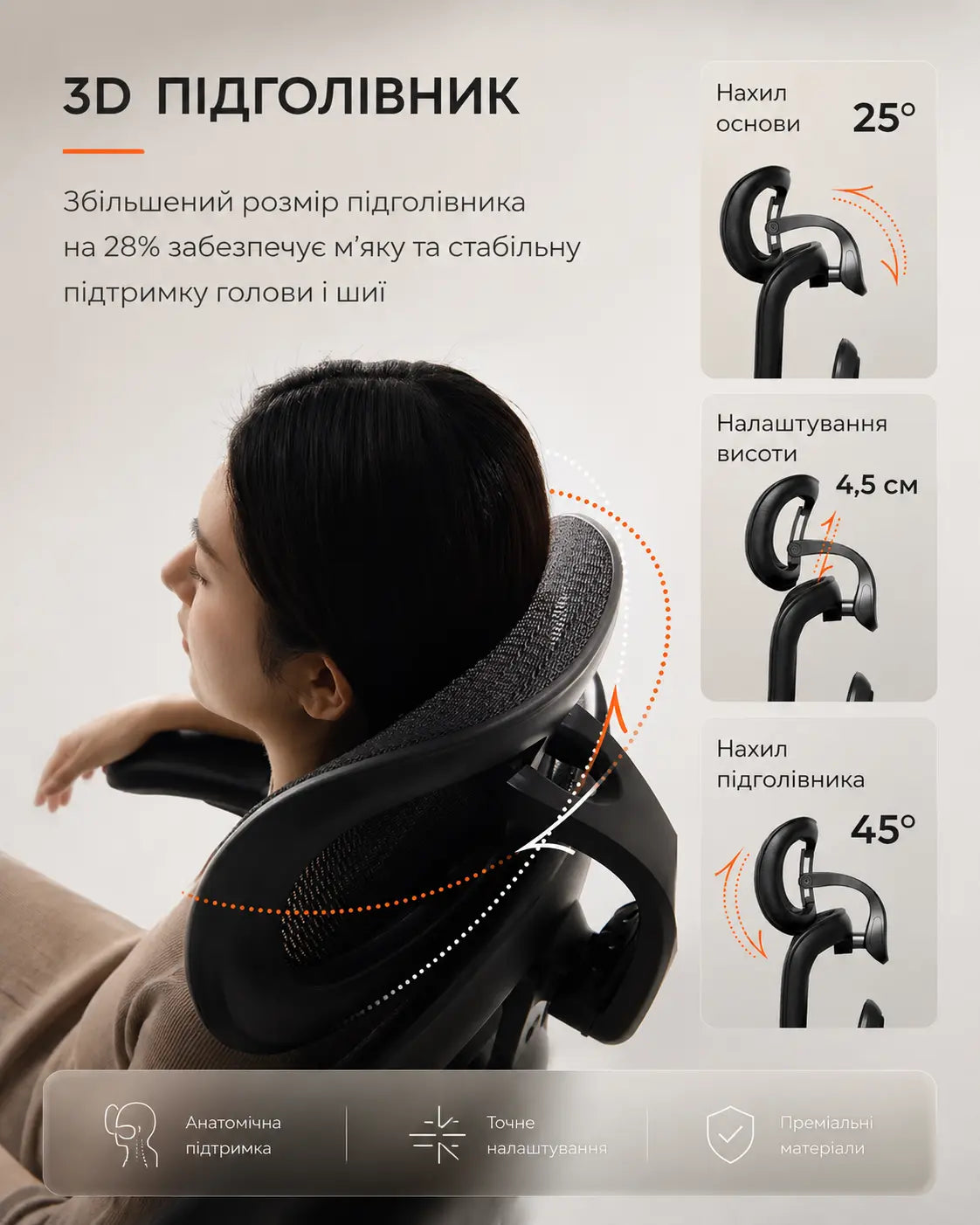
The Domino 2.0 lumbar support does not shift when reclining and features three positions, ranging from an S-curve to full sacral support. The backrest locks at 105°, 120°, and 135°, and the Smart Mechanism 2.0 automatically calibrates resistance for weights between 40 and 100 kg. The armrests are adjustable in 8 directions, and the headrest in 3.
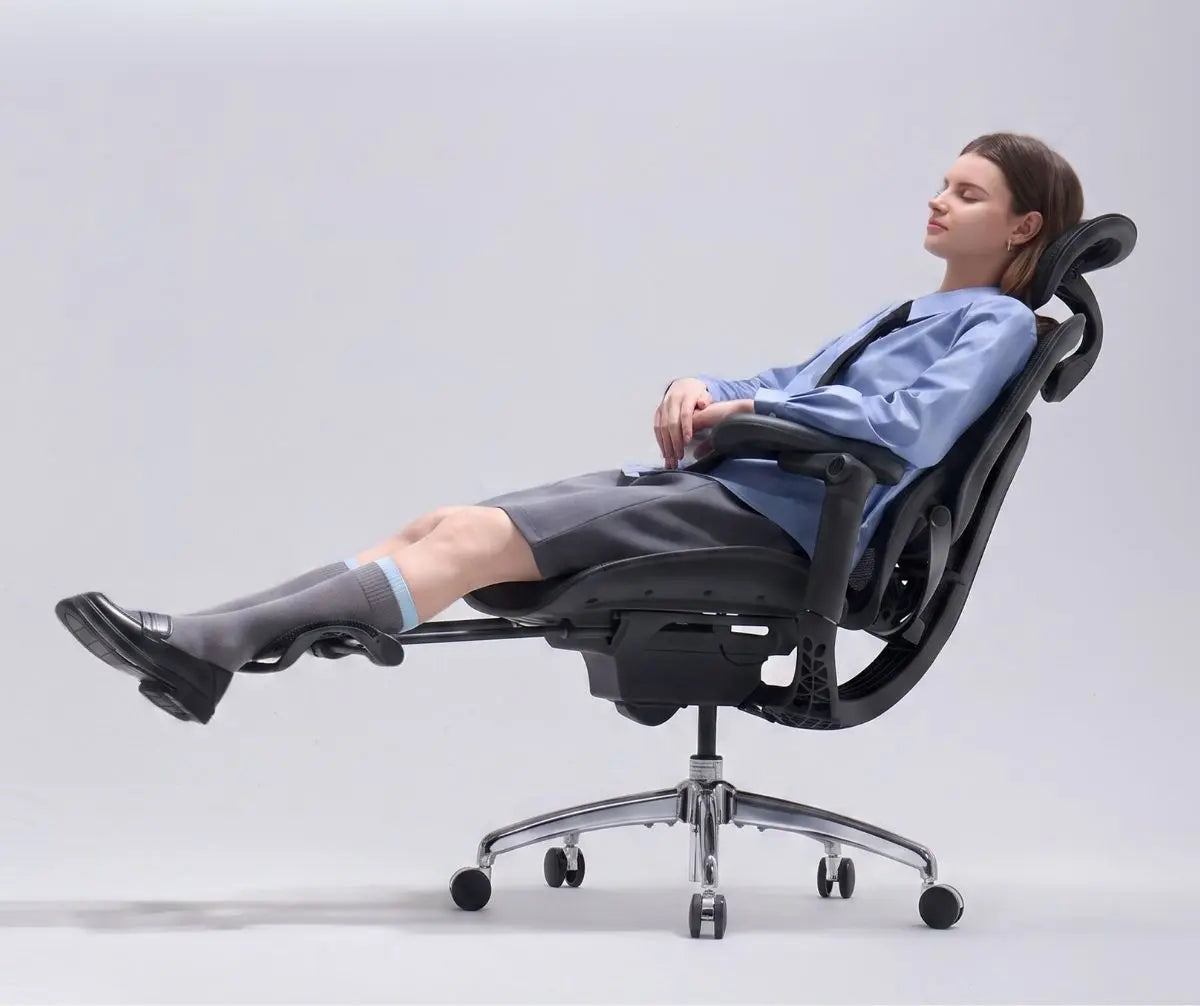
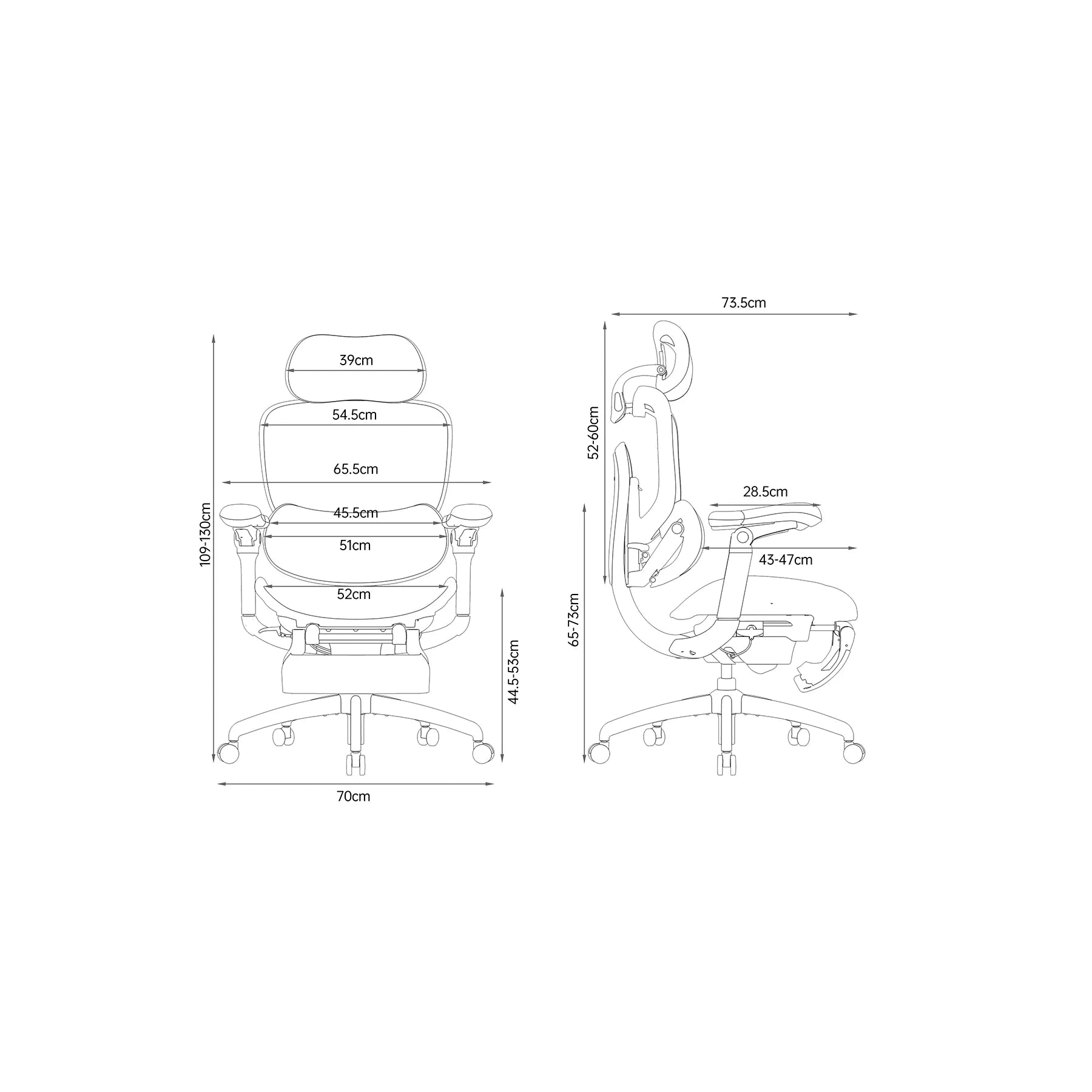
This version includes a retractable footrest: it extends by 26 cm and rotates 165°. In the 135° position, you are effectively lying down without leaving your desk.
Load capacity up to 150 kg, optimal height 165–190 cm. Ø350 mm aluminum base, Cloud Mesh 2.0, and polyurethane wheels that do not leave marks on the floor. BIFMA, SGS, and TÜV certified—the same standards used to test premium-segment chairs.
Technical specification
Delivery
| In stock | 1-3 days |
| To order | up to 21 days |
They also buy with it
Sihoo Doro C300 Pro V2 ergonomic office chair with footrest
If you have any questions, you are always welcome to contact us. We'll get back to you as soon as possible, within 24 hours on weekdays.
Shipping Information
Use this text to answer questions in as much detail as possible for your customers.
Customer Support
Use this text to answer questions in as much detail as possible for your customers.
FAQ's
Use this text to answer questions in as much detail as possible for your customers.
Contact Us
Use this text to answer questions in as much detail as possible for your customers.
Why even bother with an ergonomic chair — what the research says
Lower back pain is a leading cause of years lived with disability in global morbidity statistics. Sedentary work is not neutral here: classic measurements of intradiscal pressure (Nachemson, 1960s–70s; confirmed by Wilke et al. in 1999) showed that the load on lumbar discs is higher when sitting than when standing. The worst-case scenario is leaning forward without lumbar support. This is exactly what eight hours in a standard office chair look like. Why the backrest tilt matters: In 2006, Waseem Bashir’s team presented a positional MRI experiment at the RSNA congress: 22 volunteers sat leaning forward, upright at 90°, and reclined at 135°. The least amount of disc displacement was recorded specifically in the 135° position. The right angle, which for decades was considered the correct posture, proved not to be the best for the spine. Therefore, the Sihoo Doro C300 Pro V2 has three fixed backrest positions: 105°, 120°, and 135°. In the version with a footrest, the 135° position is fully functional: the legs receive support instead of hanging in the air. The main thing is not the "correct posture," but changing postures: The problem is created not by a specific angle, but by hours of immobility in it. It is optimal to change positions every 40–45 minutes: work at 105°, recline to 120° for a call, and take a break at 135°. A standard chair has only one posture—any other means you are simply sitting against the backrest without support. DynaCore follows the body: as you change your posture, the headrest, lumbar support, and armrests follow along.