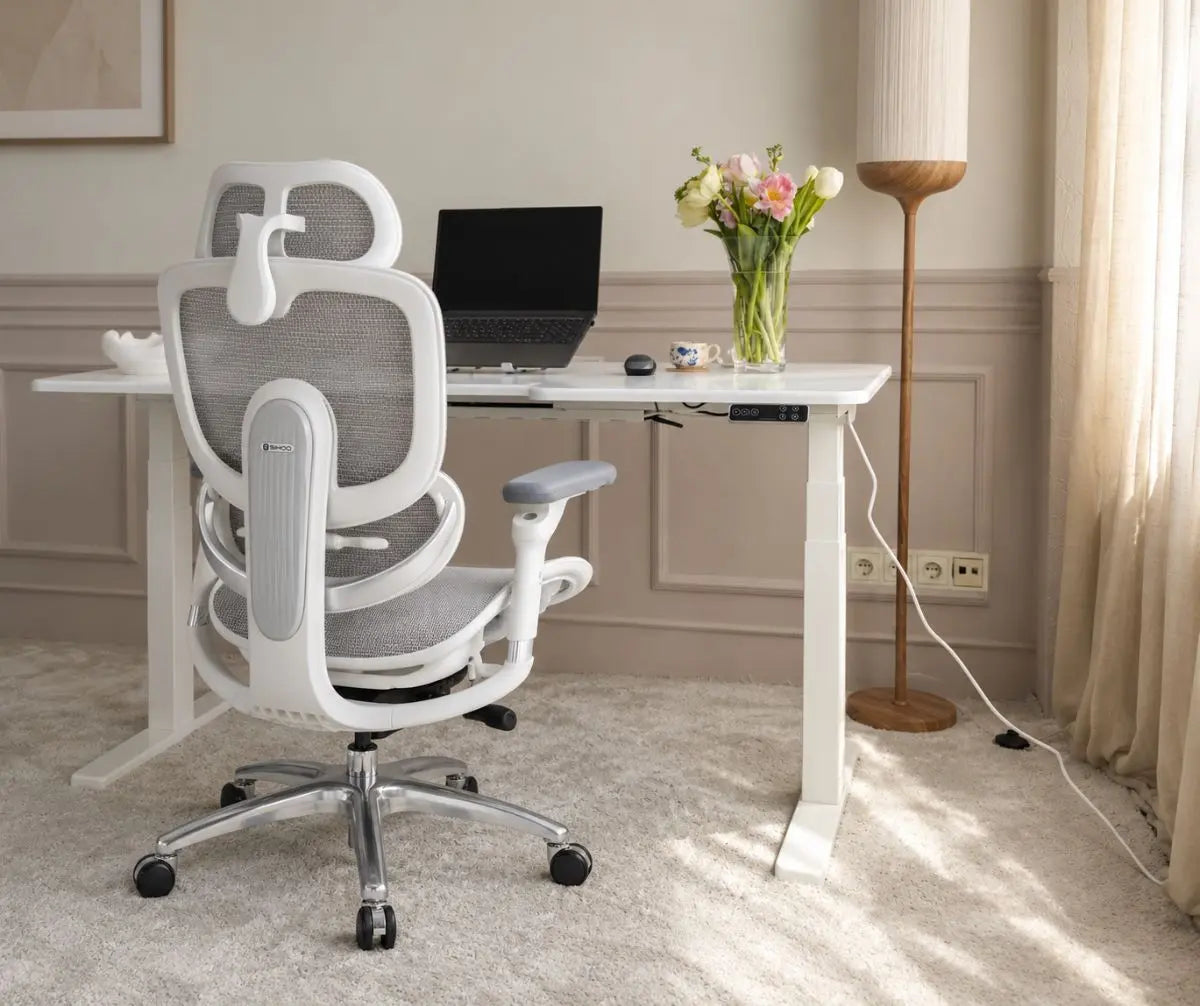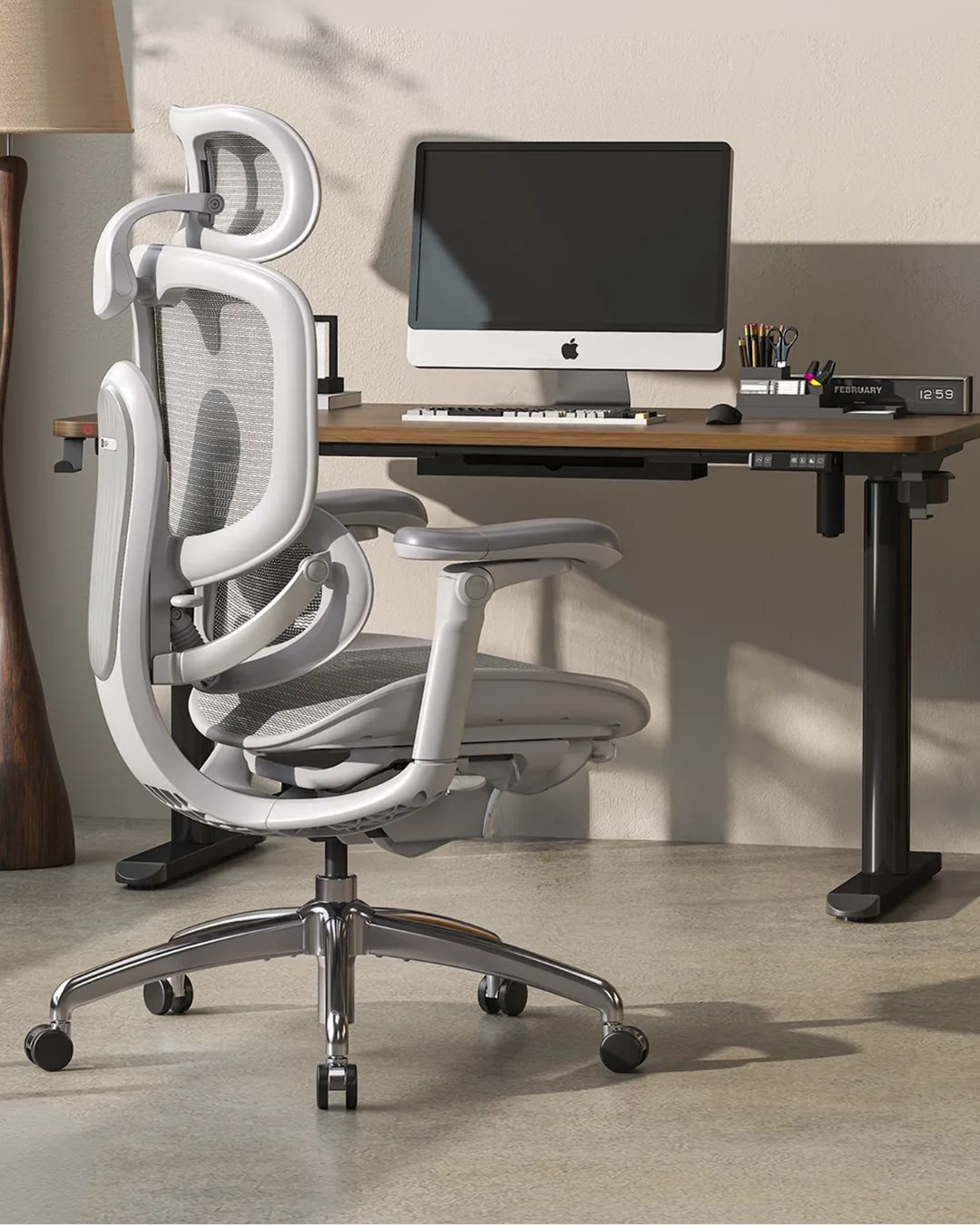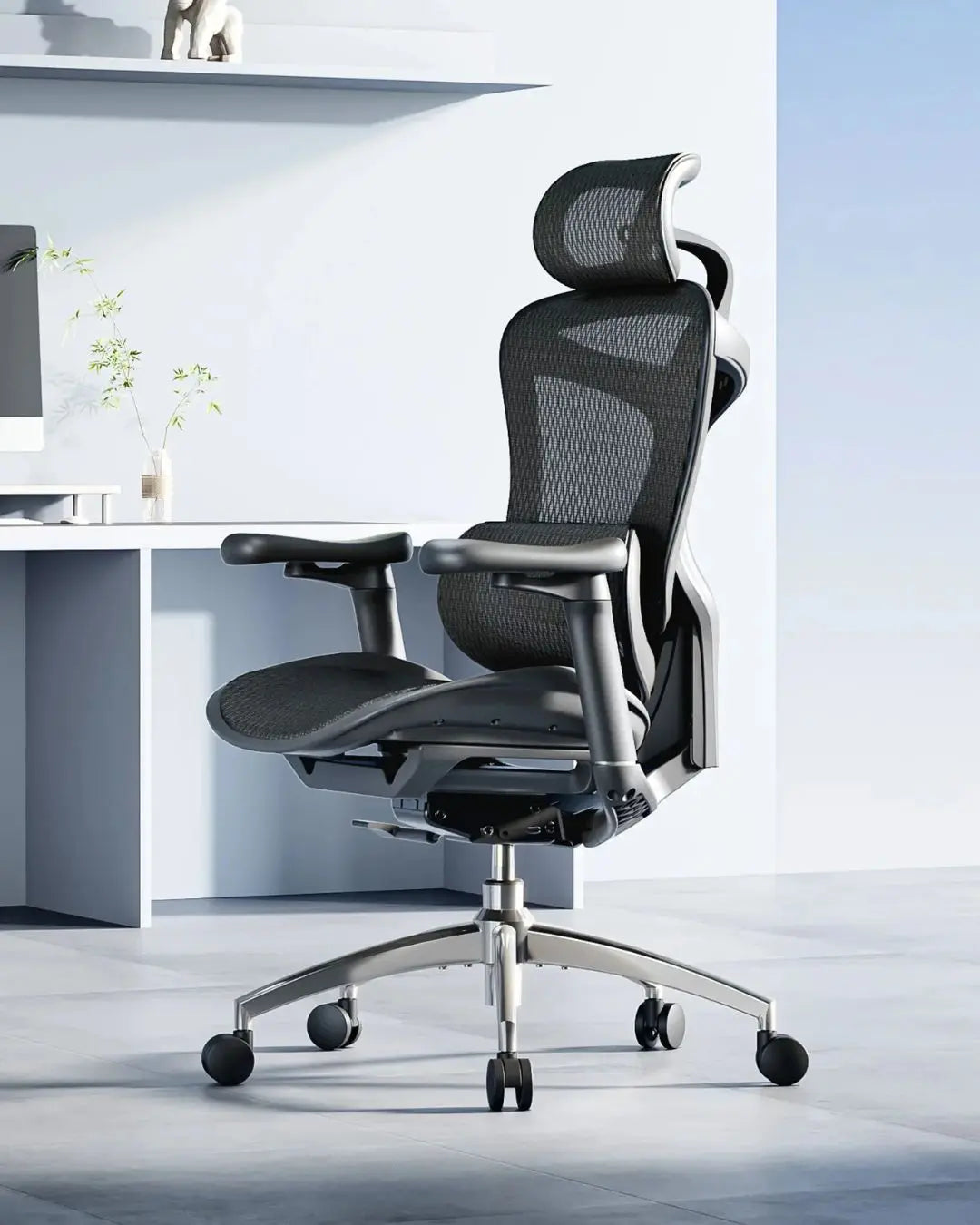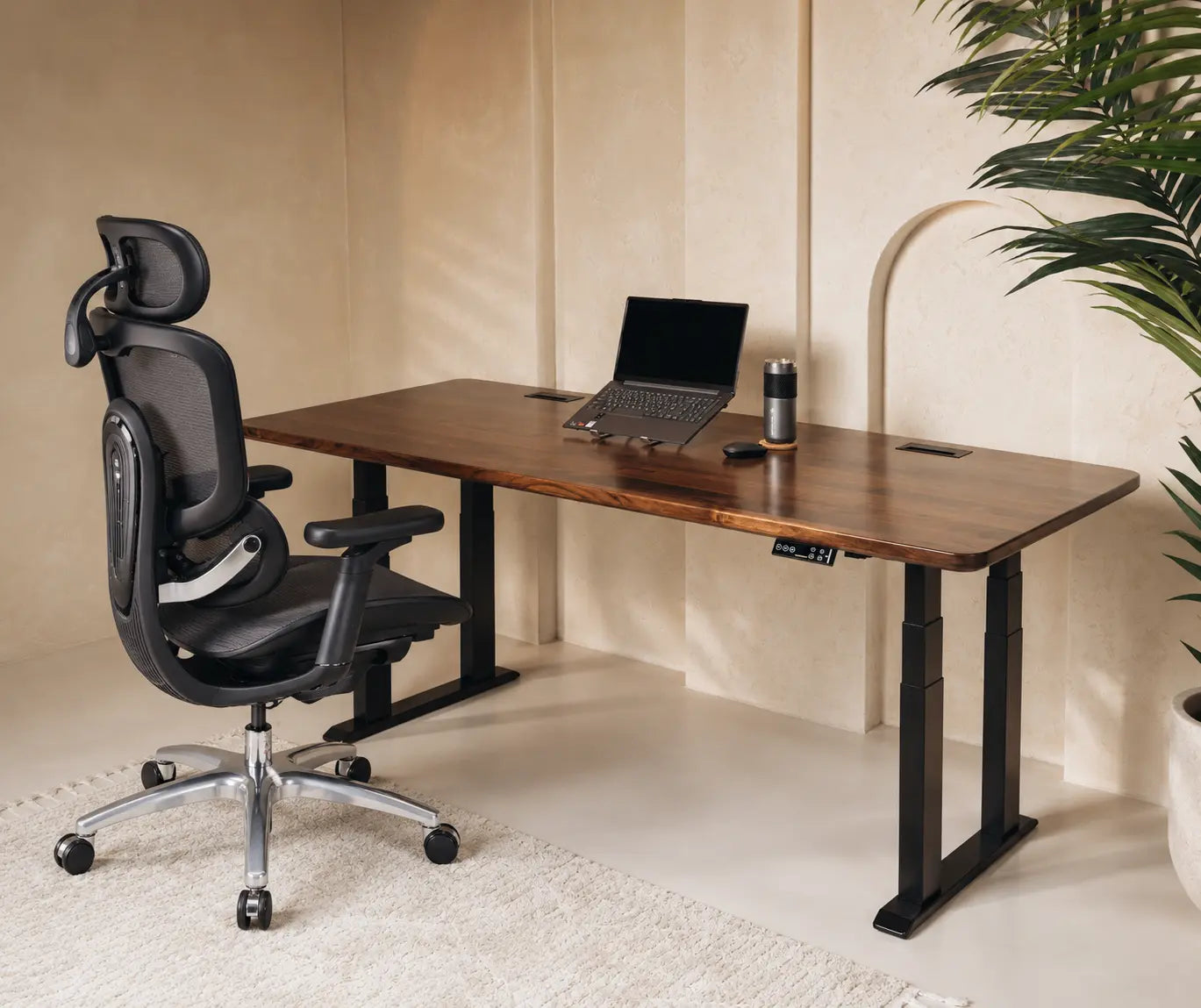
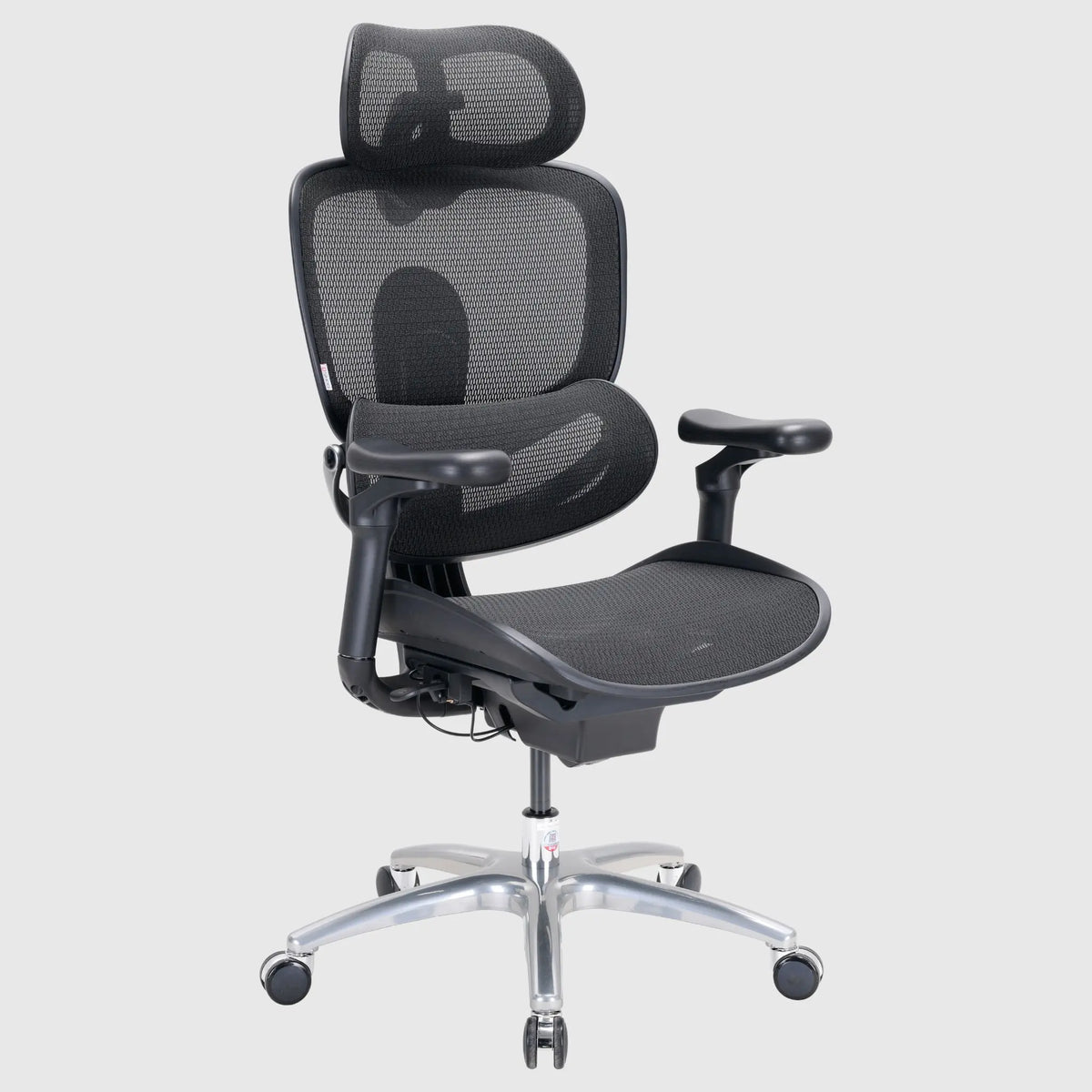
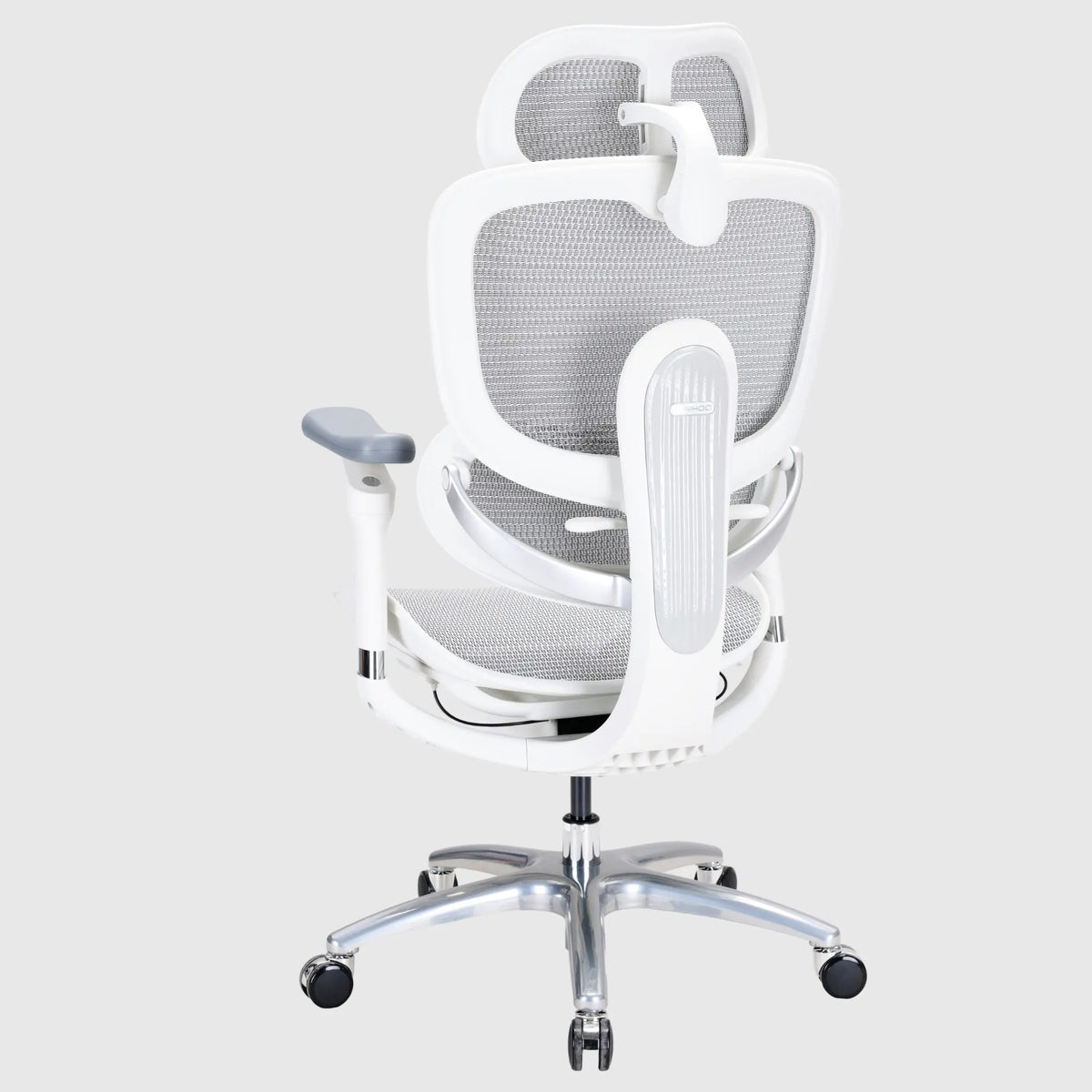
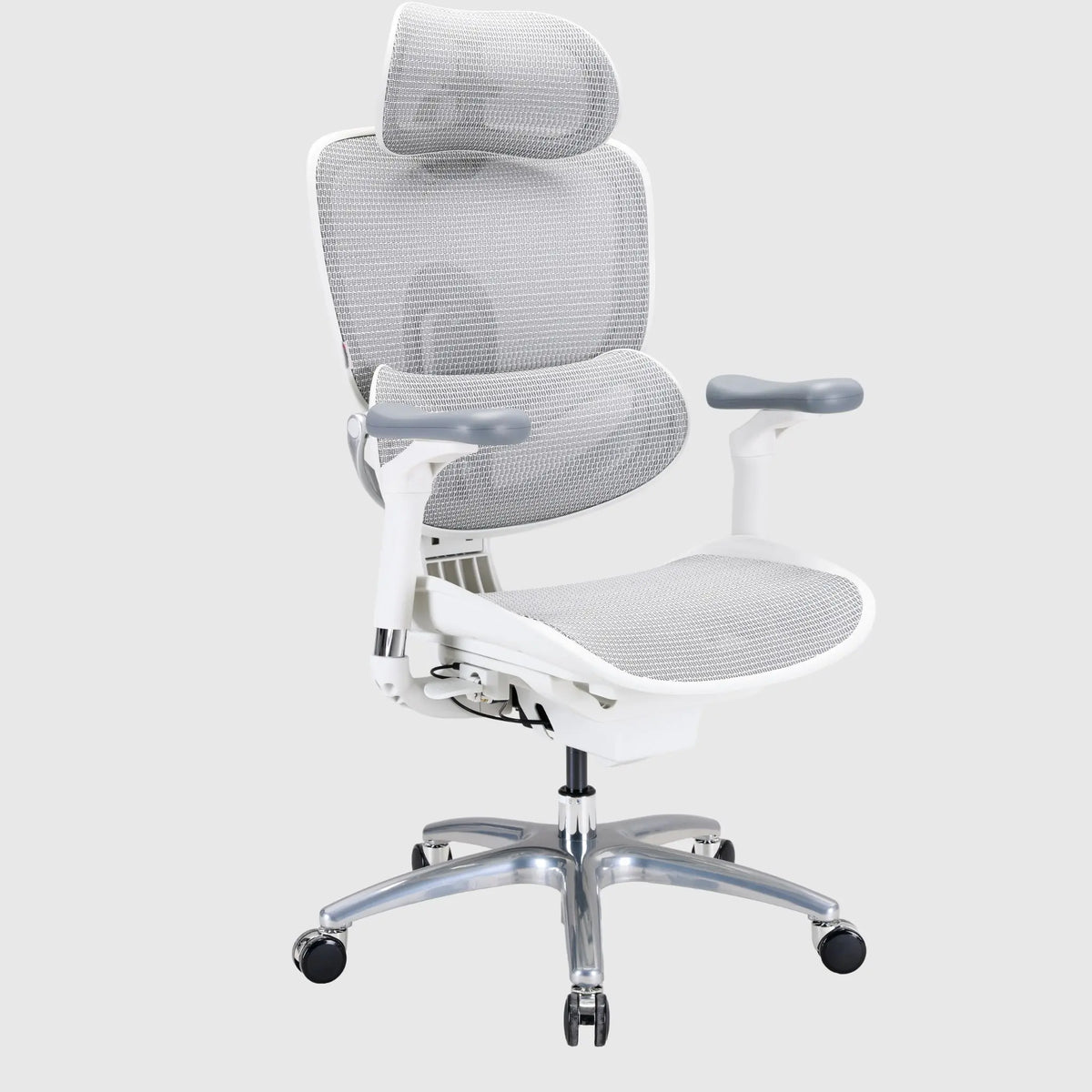
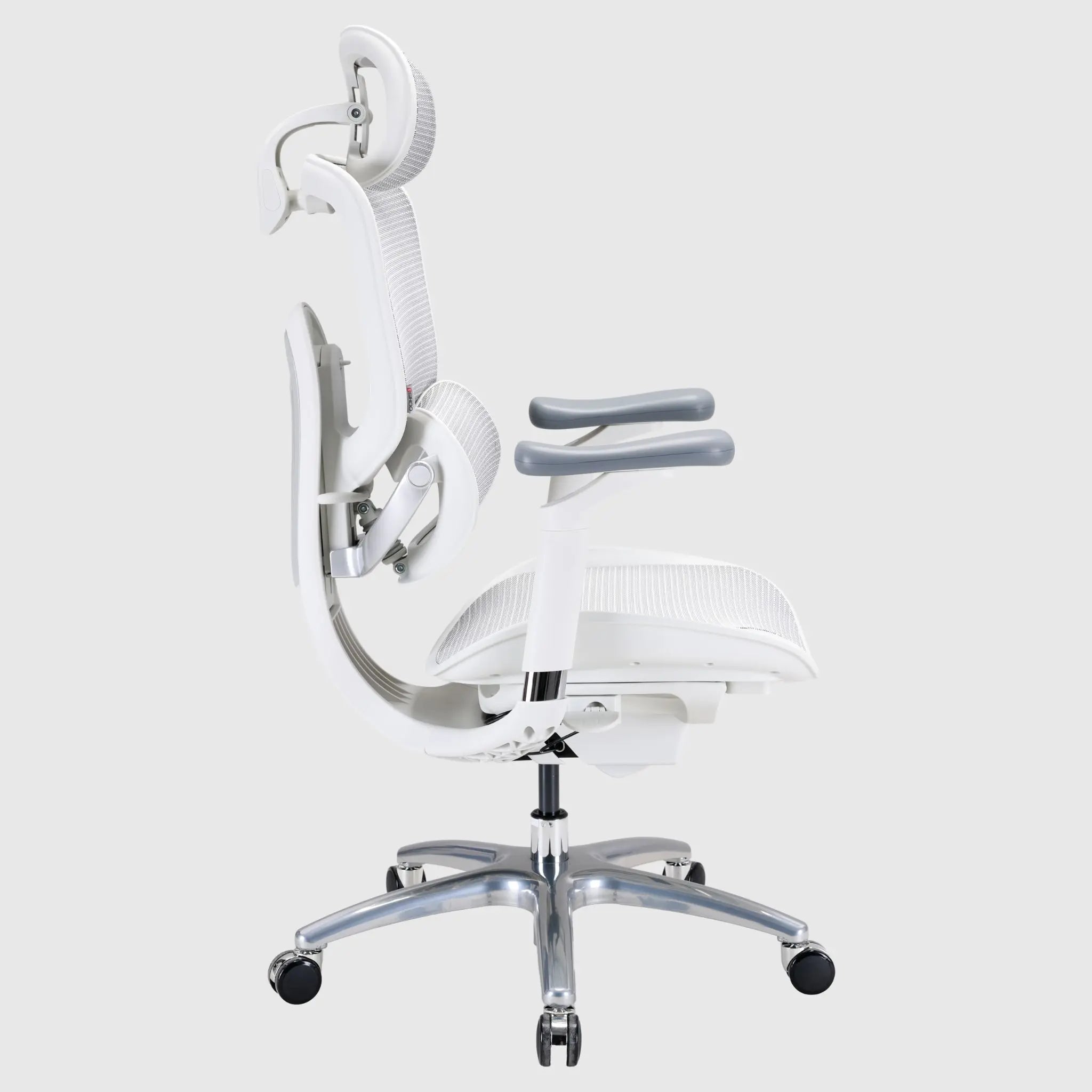
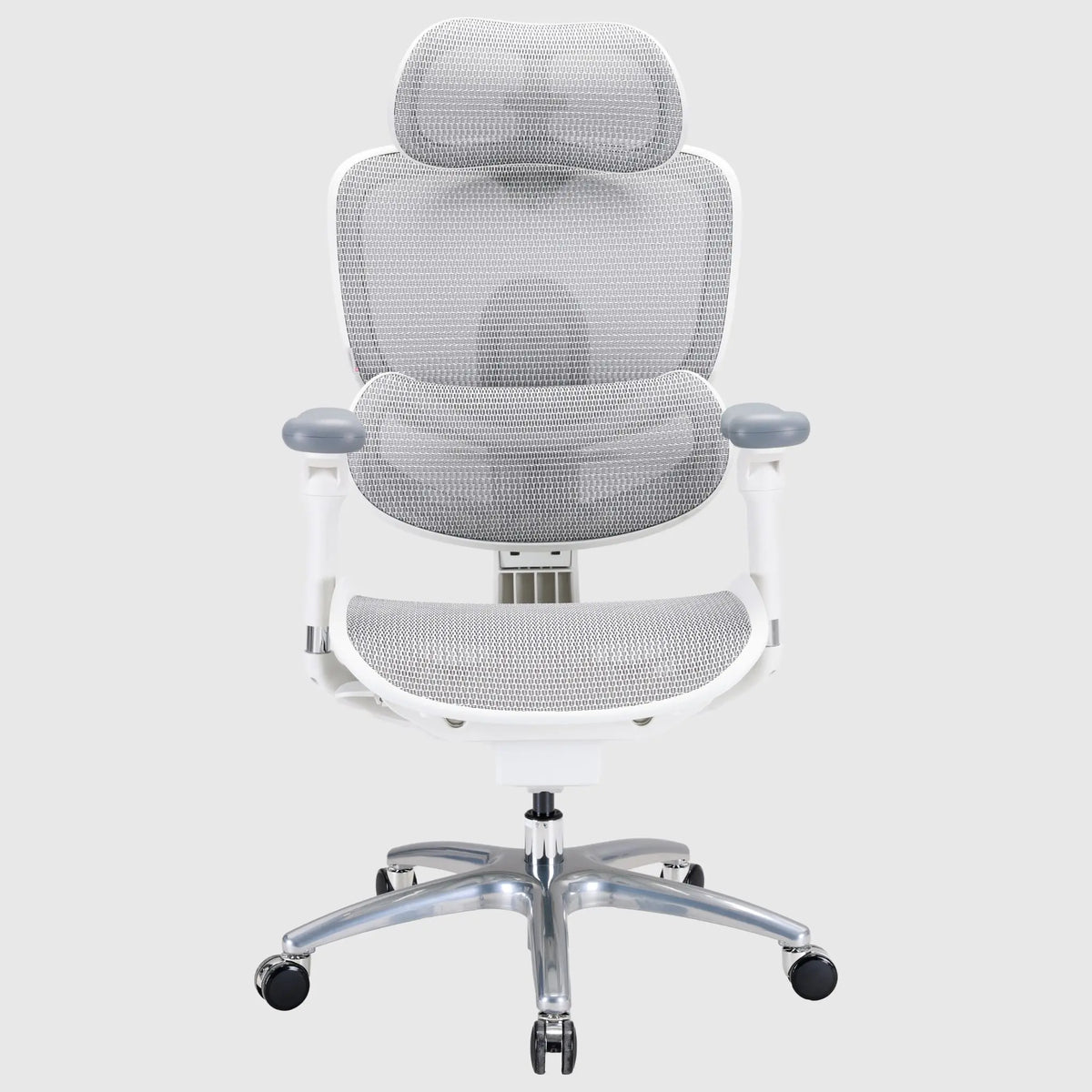
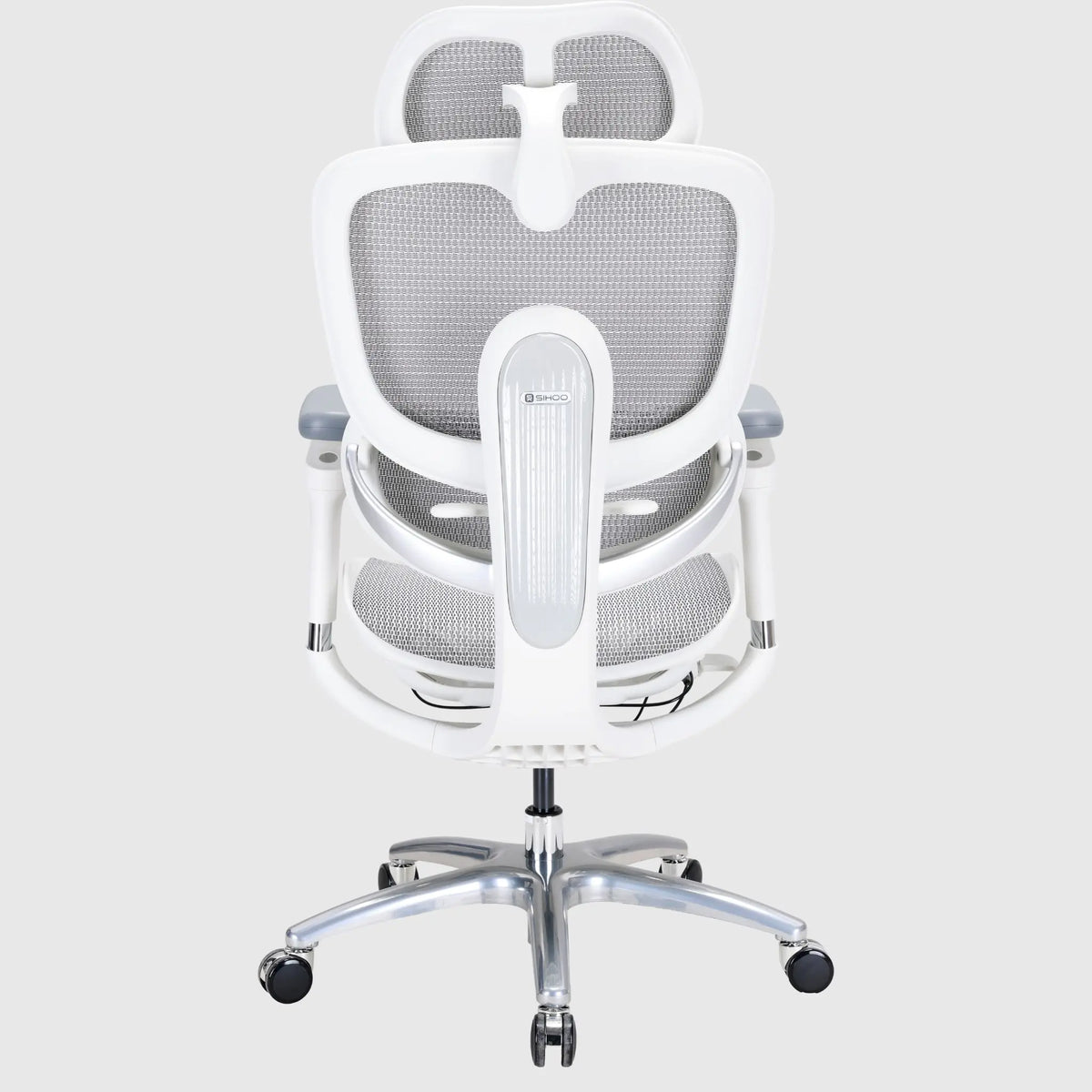
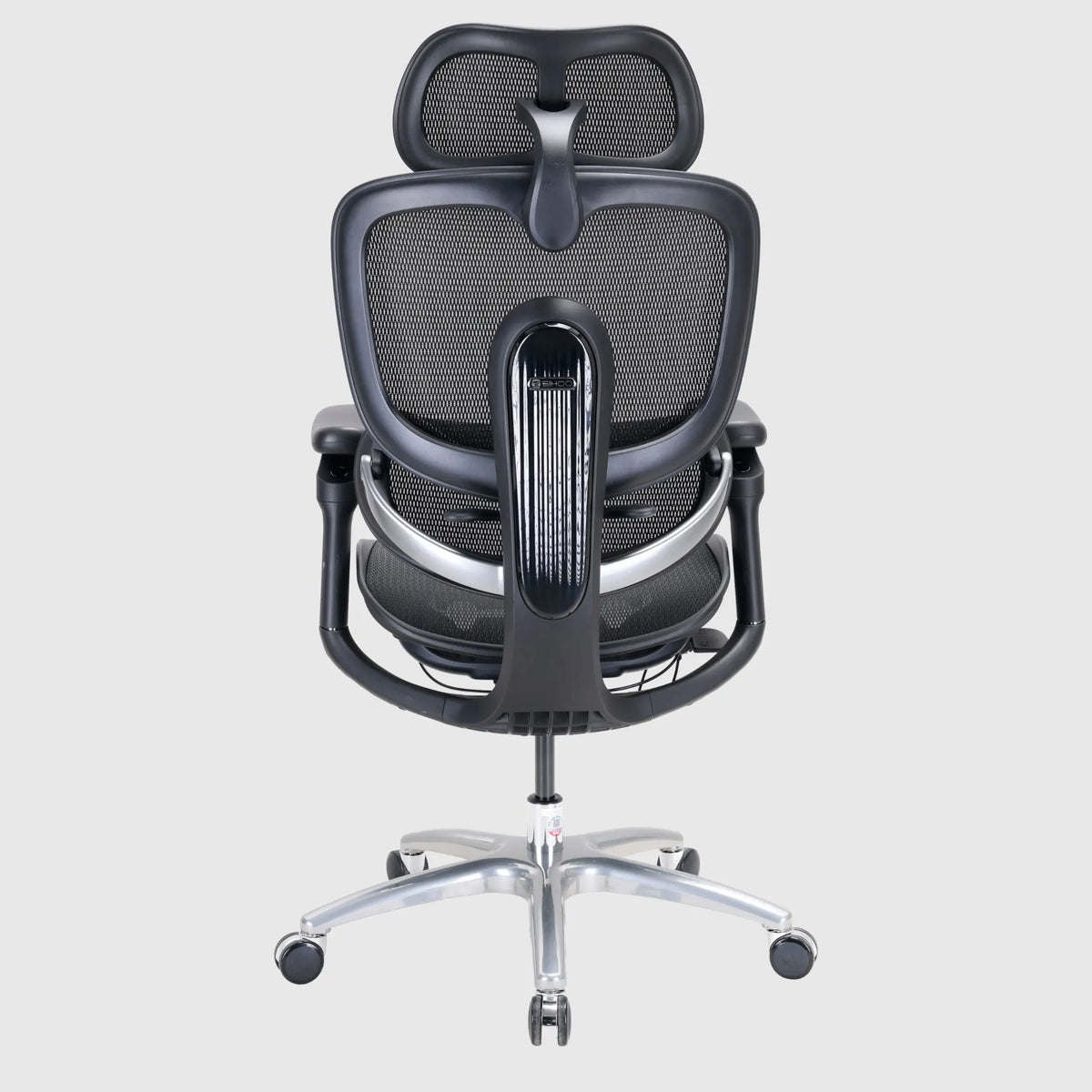
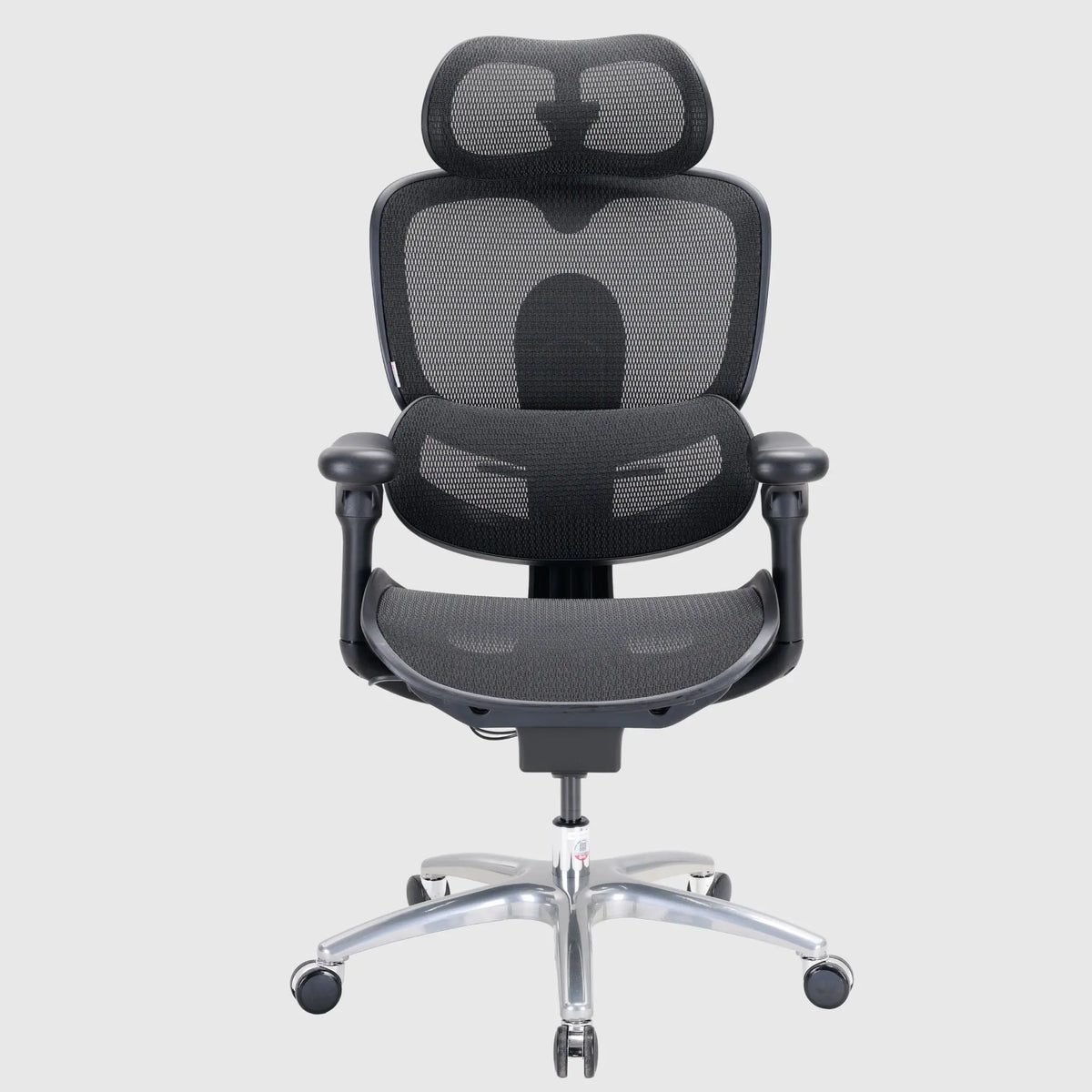
Sihoo DORO C300 LITE V2 ergonomic computer chair (mesh)
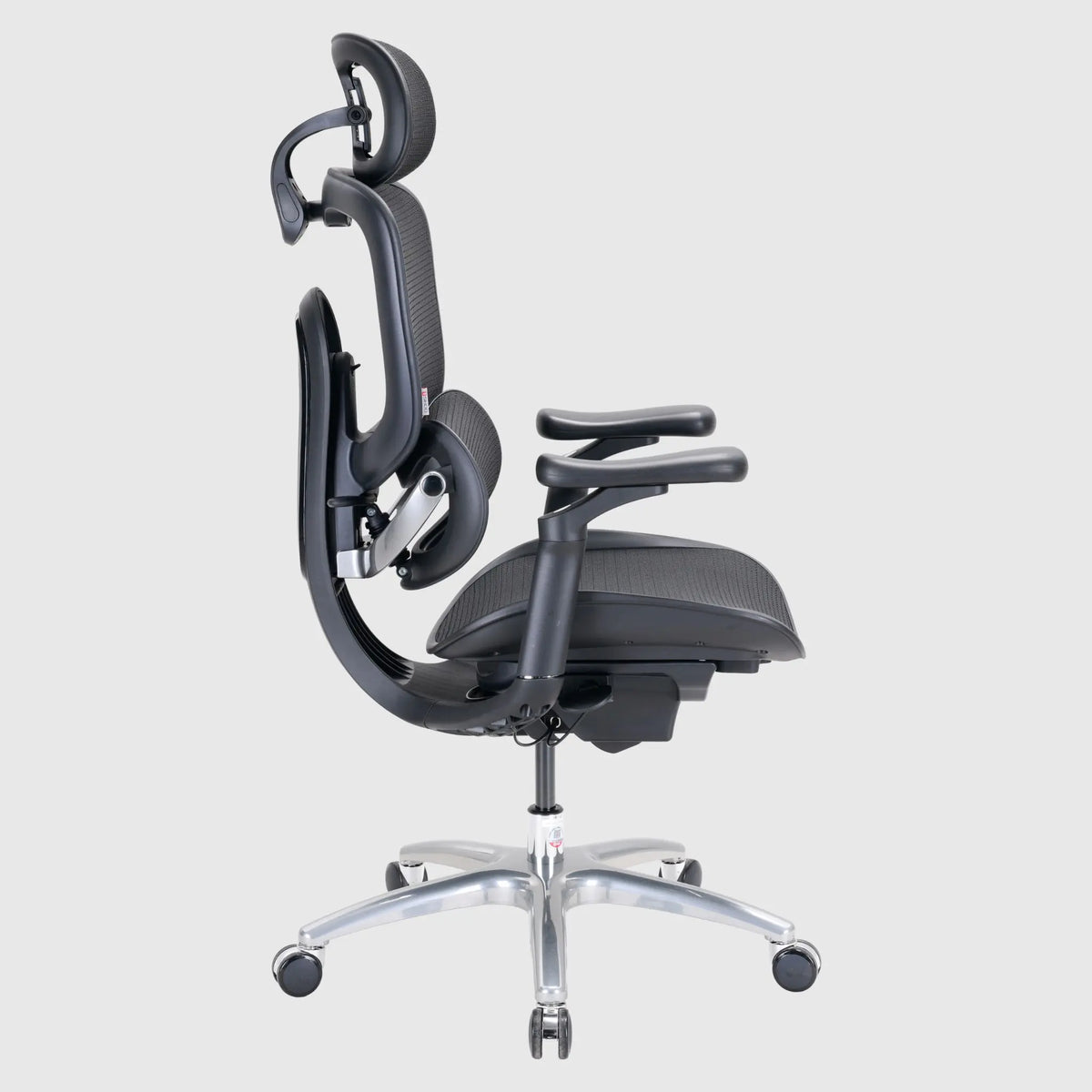
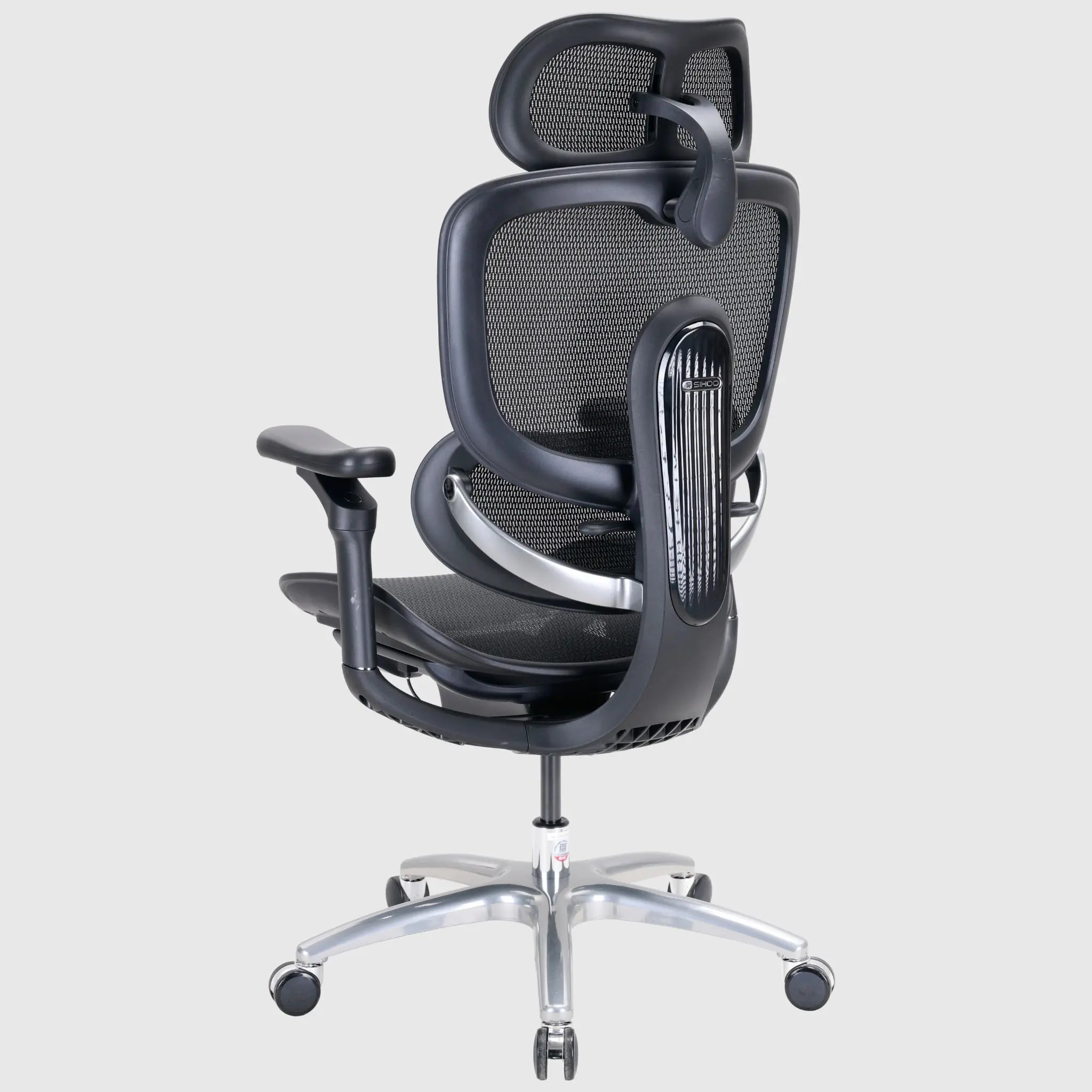
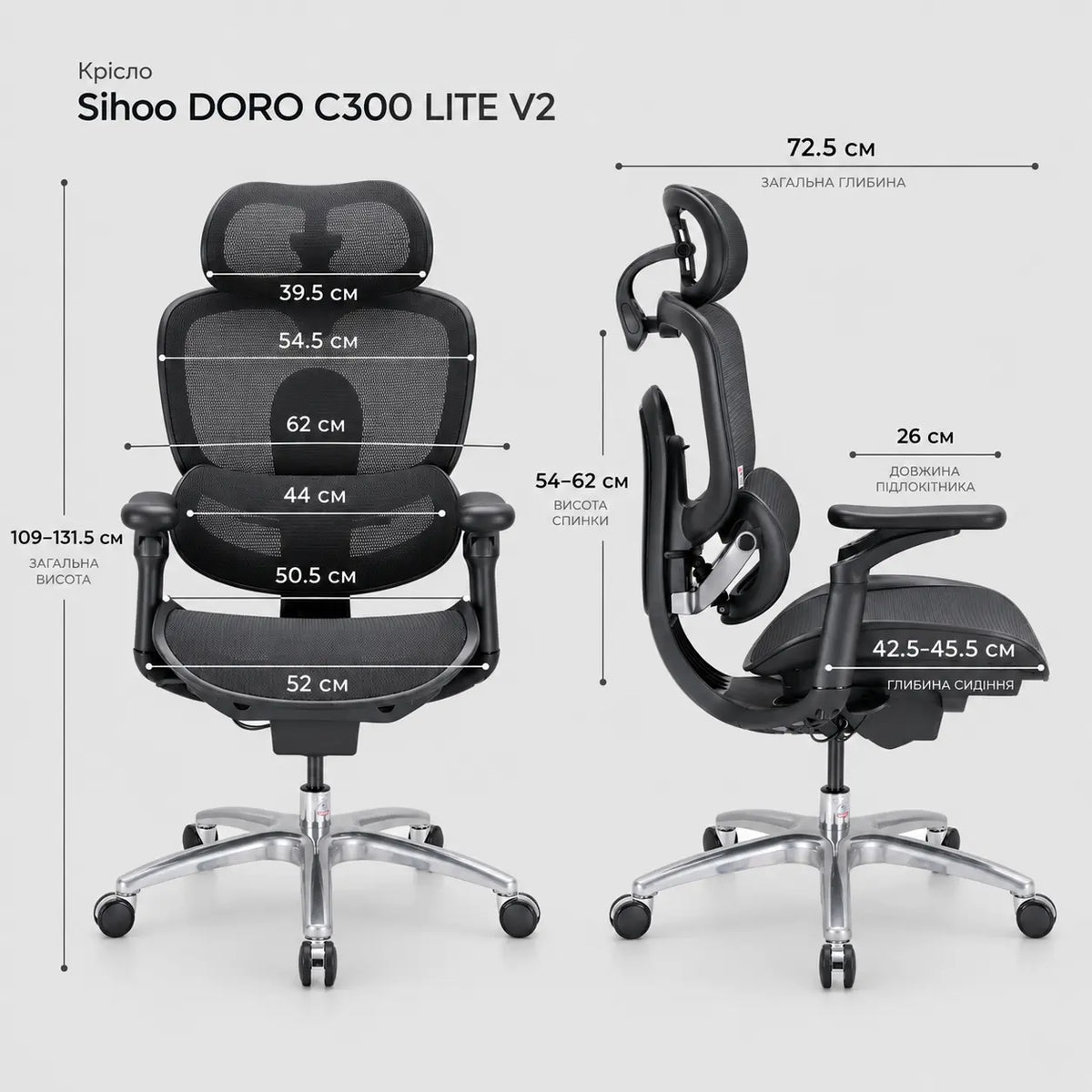
Breathable Cloud Mesh backrest that does not trap heat, even during eight hours of work. The DynaCore system tracks lumbar position in real time and maintains support with every change of posture. Domino 2.0 lumbar support features three modes — you choose the one that best suits your back. SyncroFlex backrest flexes with your body and reclines up to 135°. 5D armrests, 3D headrest, adjustable seat depth of 42.5–45.5 cm.
The chair is designed for heights of 165–190 cm and weights up to 150 kg. If you are taller than 190 cm, please contact us — we will find a model with a higher backrest.
Technical specification
Delivery
| In stock | 1-3 days |
| To order | up to 21 days |
They also buy with it
If you have any questions, you are always welcome to contact us. We'll get back to you as soon as possible, within 24 hours on weekdays.
Shipping Information
Use this text to answer questions in as much detail as possible for your customers.
Customer Support
Use this text to answer questions in as much detail as possible for your customers.
FAQ's
Use this text to answer questions in as much detail as possible for your customers.
Contact Us
Use this text to answer questions in as much detail as possible for your customers.
How does an ergonomic chair differ from a regular office chair?
A standard office chair has one task — to be sat on. It features height adjustment, sometimes a reclining backrest, and that is all. Its shape is fixed and designed for an "average person," who does not exist. Your body has to adapt to the chair. An ergonomic chair is designed the opposite way: it adapts to your body. Lumbar support adjusts to where your spine actually curves, not where it curves for an average user. Seat depth is adjusted to your thigh length, and armrests to your desk height and shoulder width. The mechanism reacts to your weight, not the force with which you press against the backrest. But the main difference is not in the number of adjustments. A regular chair holds you in one position — and it is this immobility, rather than "poor posture," that tires your back the most. An ergonomic chair is designed for movement: the backrest follows your body, the lumbar support remains in place while you lean, and the armrests move with the backrest. You change your position throughout the day, but the support never disappears. You don't feel the difference in the first five minutes in a showroom; you feel it around the sixth hour of work. By that time, a cheap chair forces you to get up, fidget, and place a cushion behind your lower back. An ergonomic one simply stops making its presence felt. And one final note: no chair, even the best one, can replace movement. The most beneficial thing you can do for your back is to change your position every 40–45 minutes.