

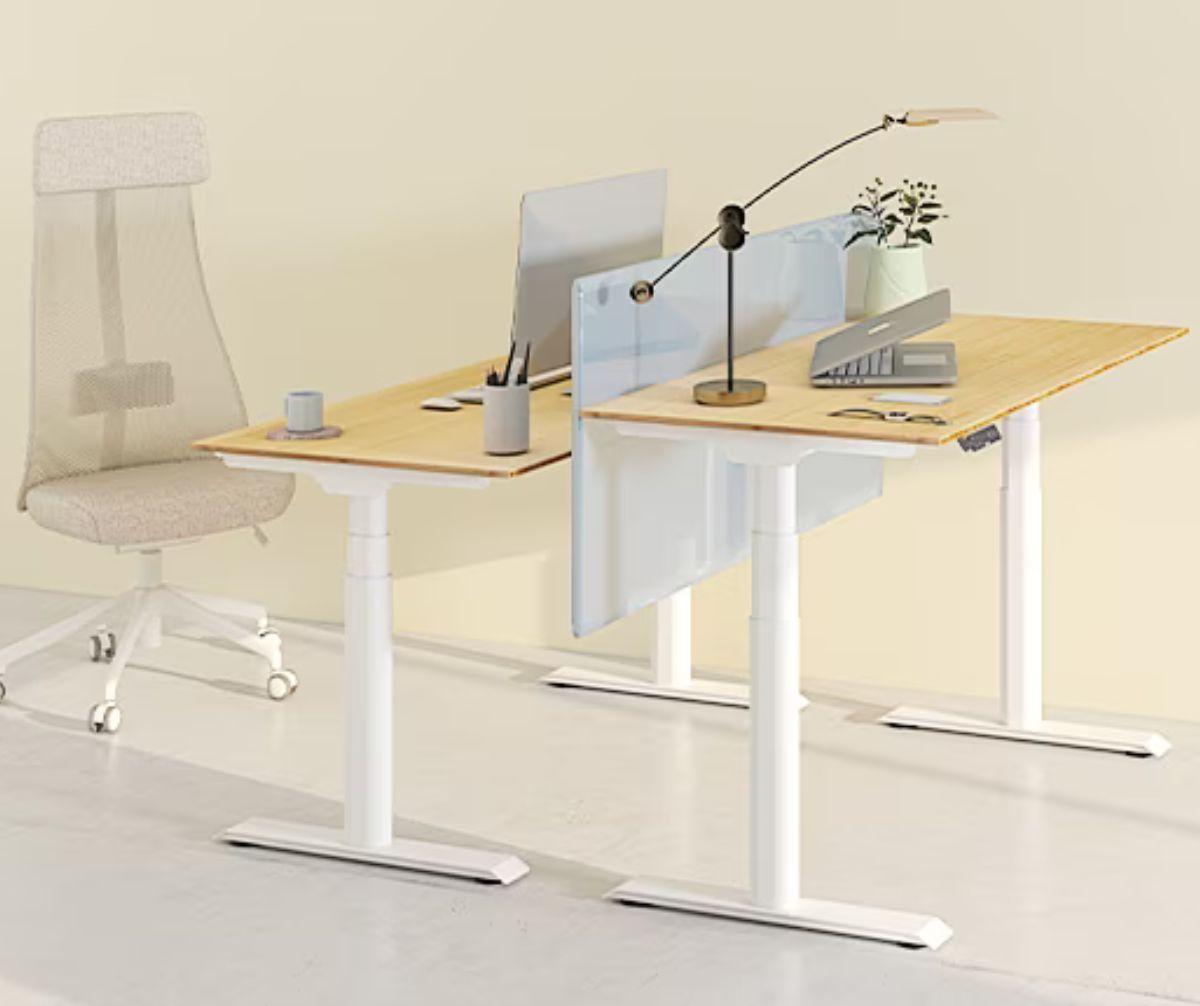
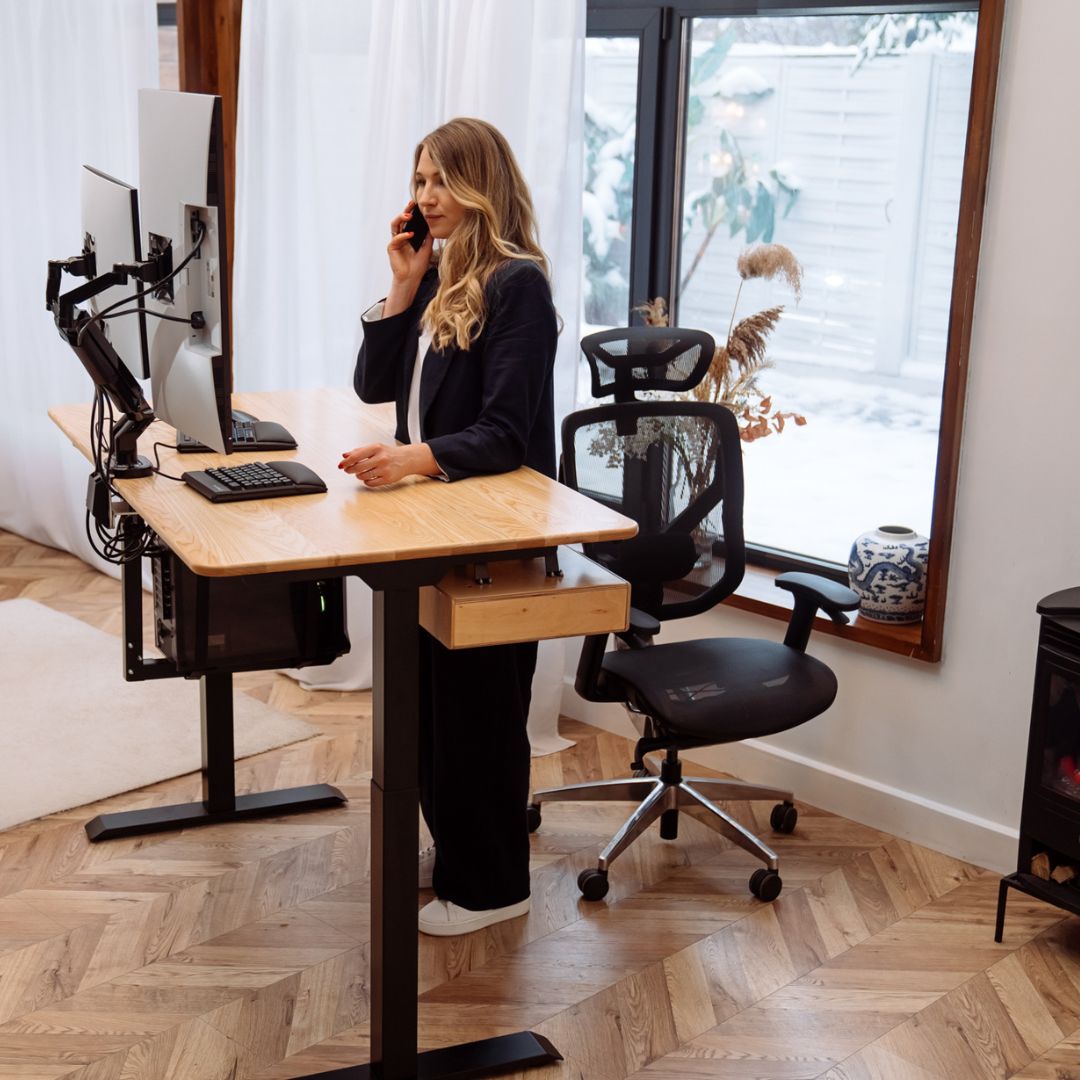
Create the height-adjustable desk of your dreams
With our hands!
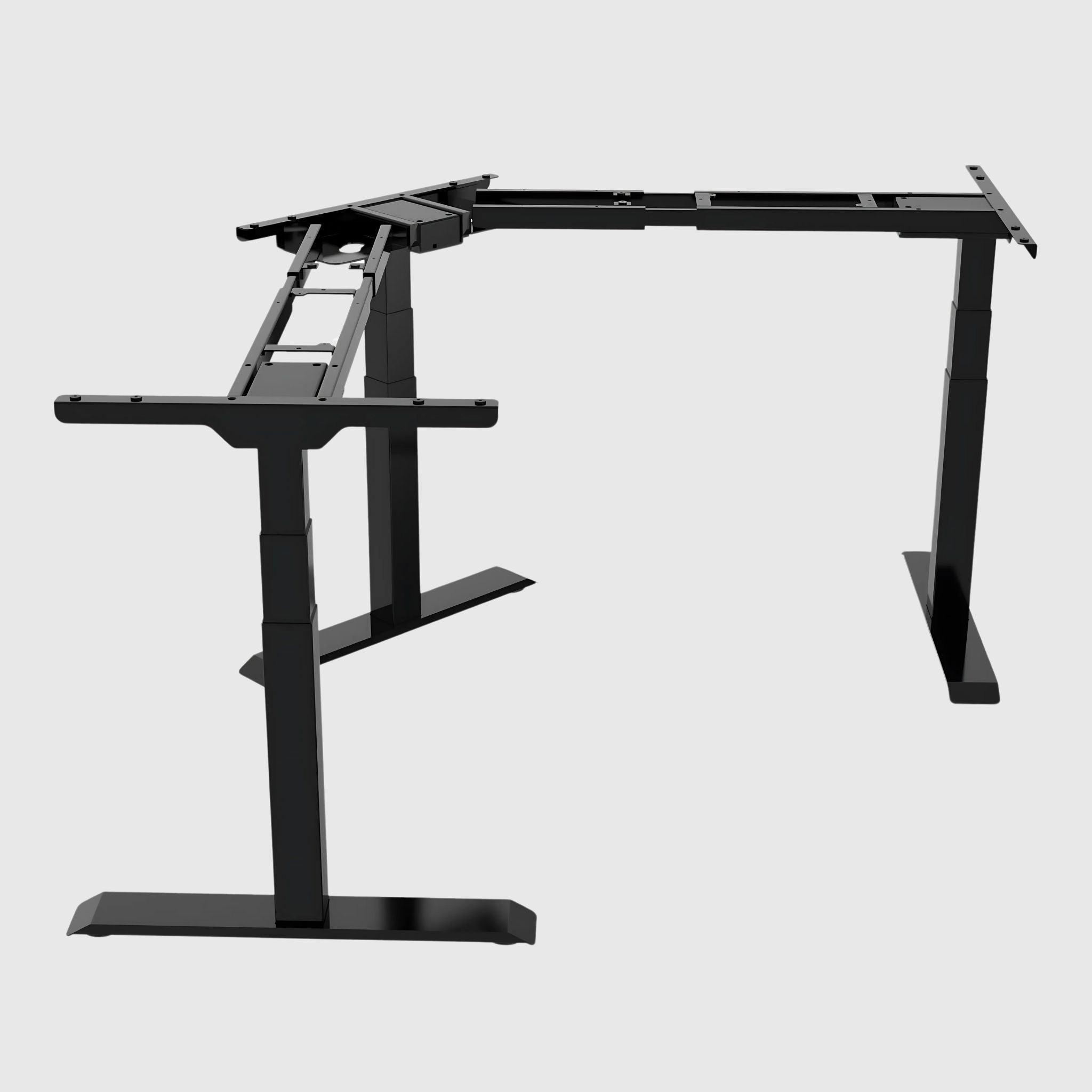
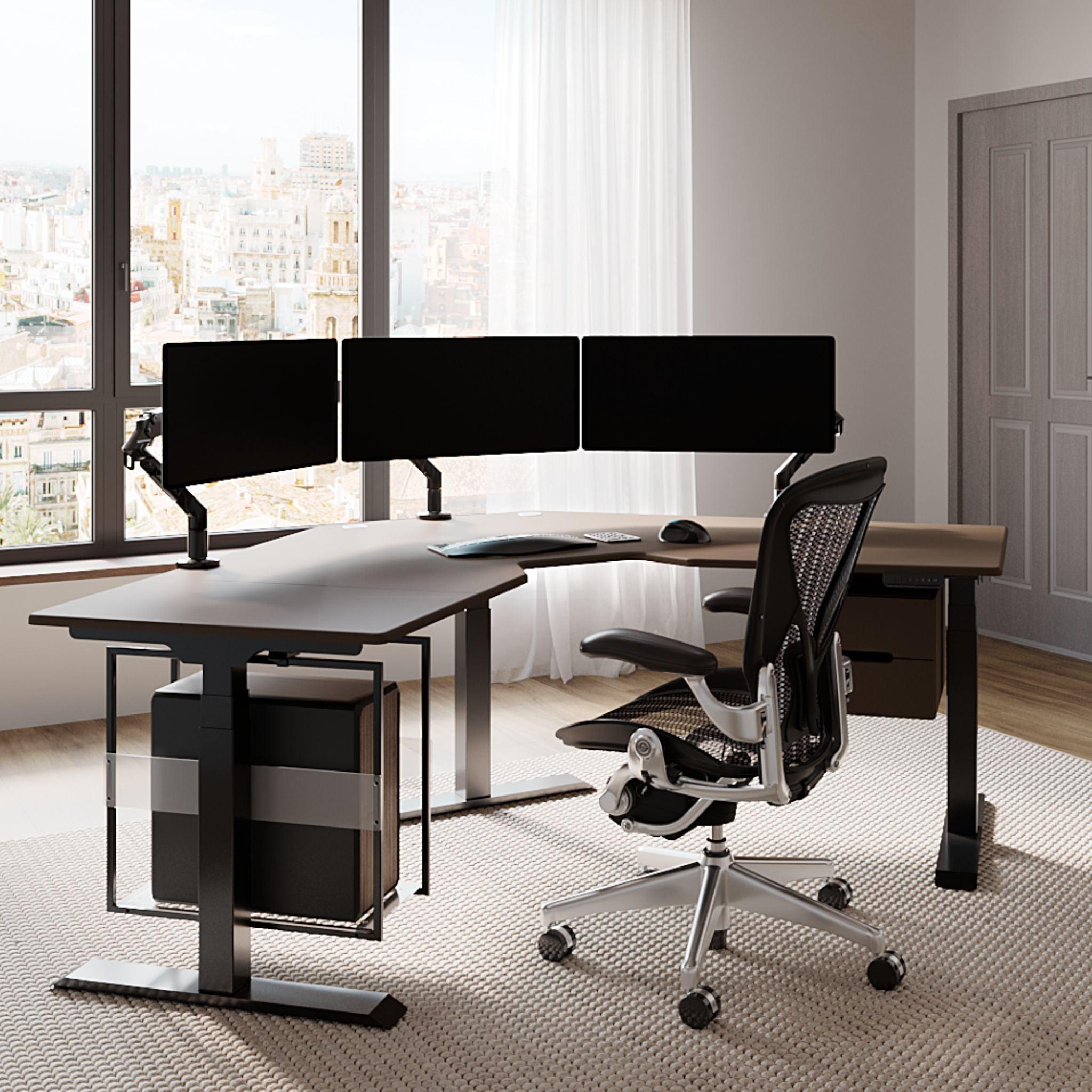
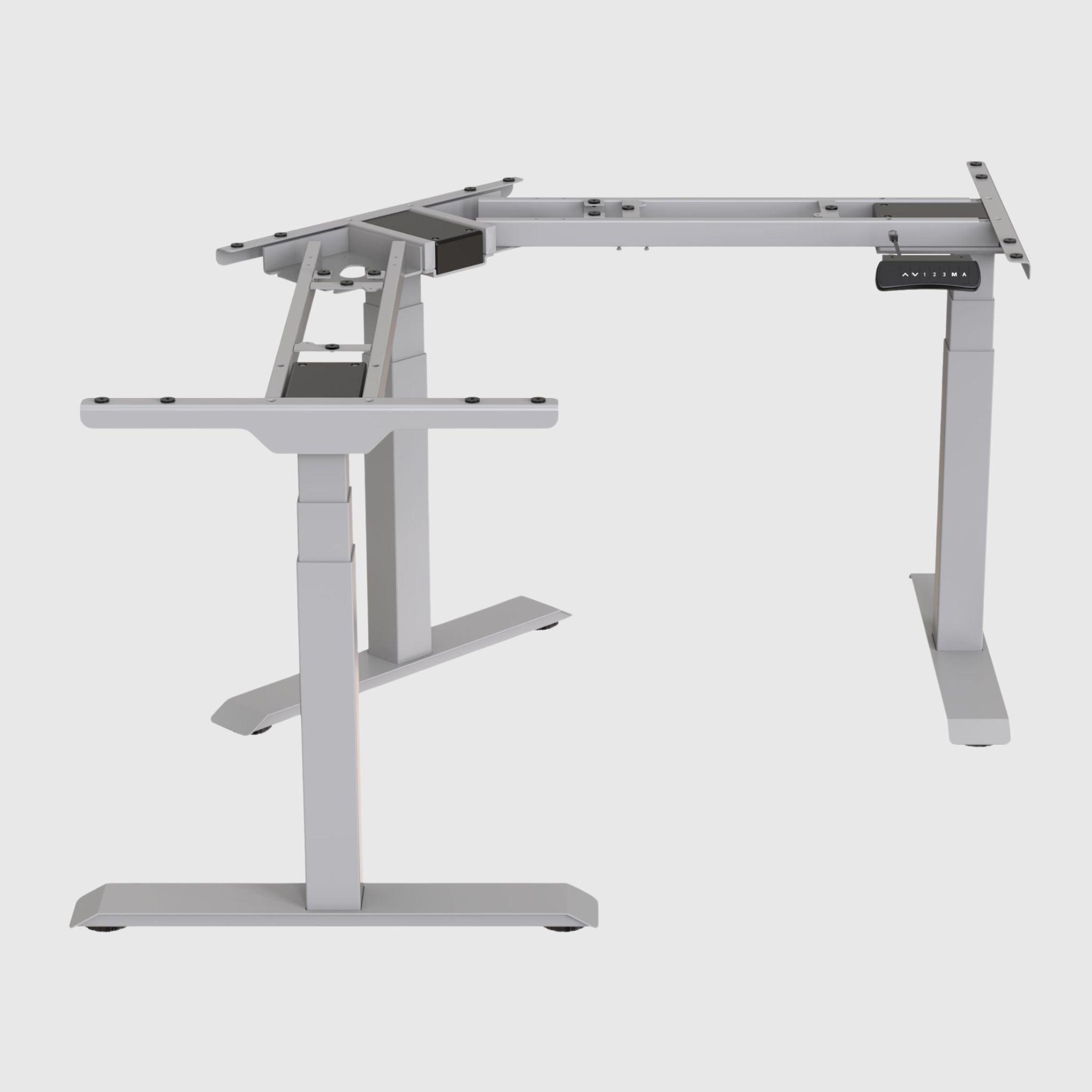
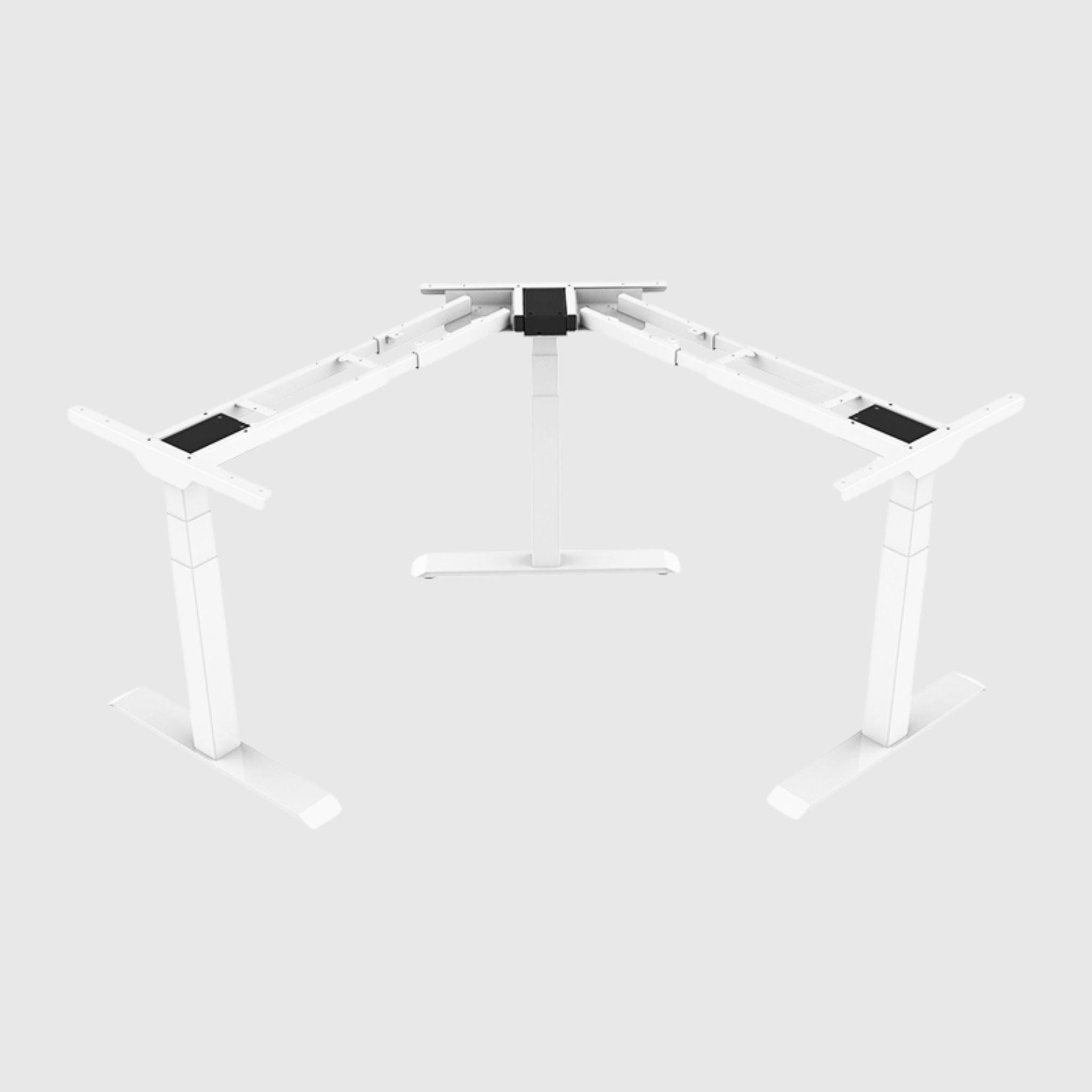
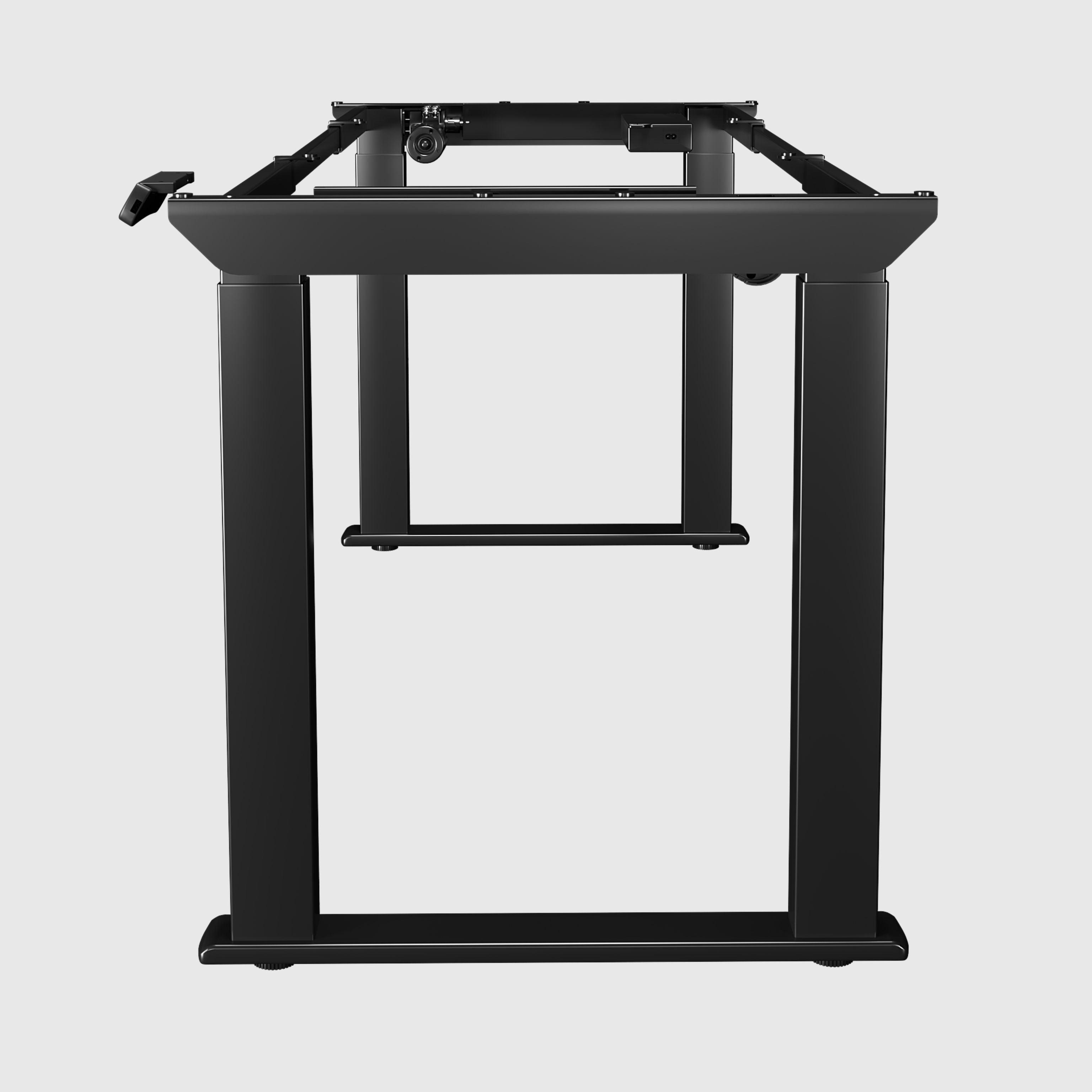
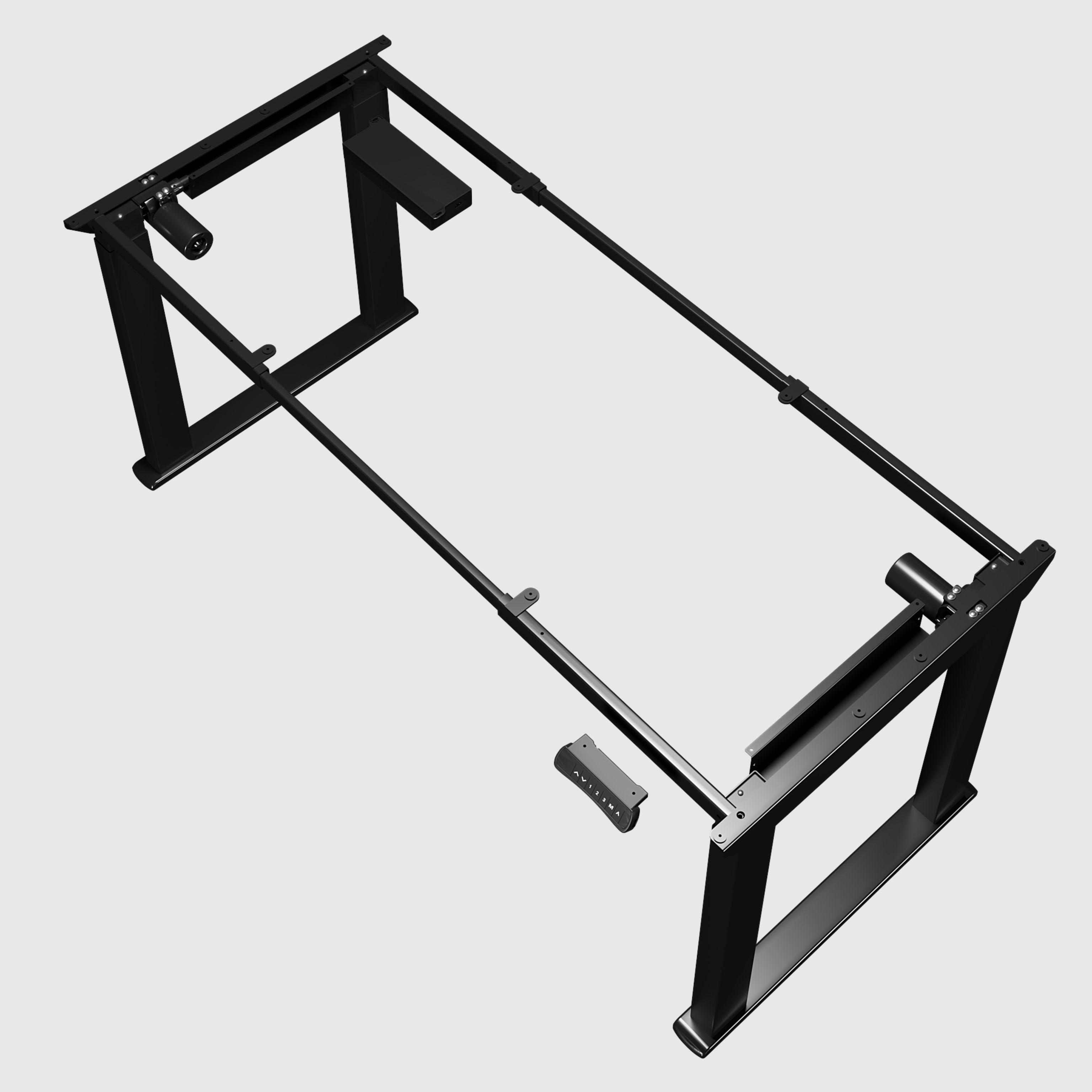
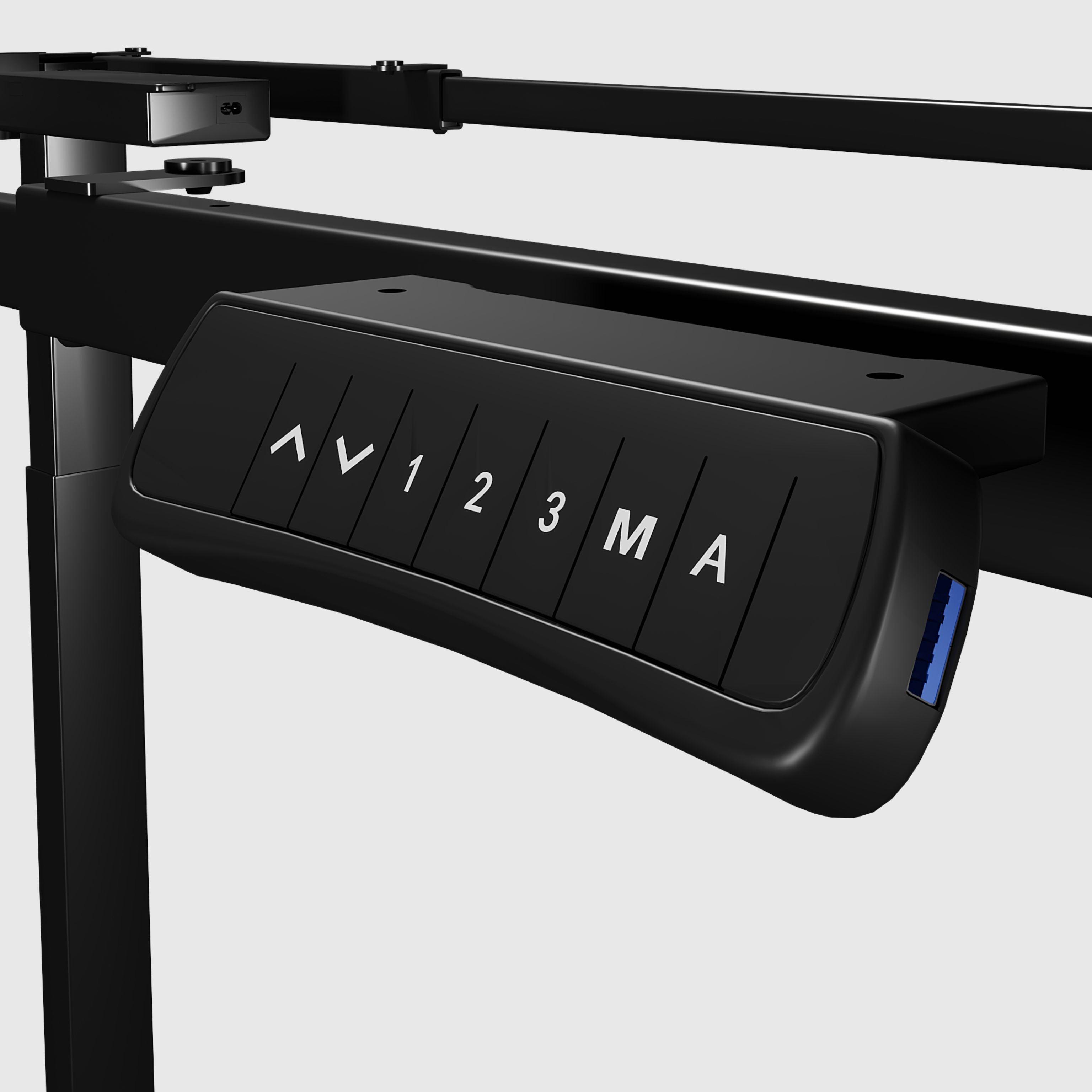
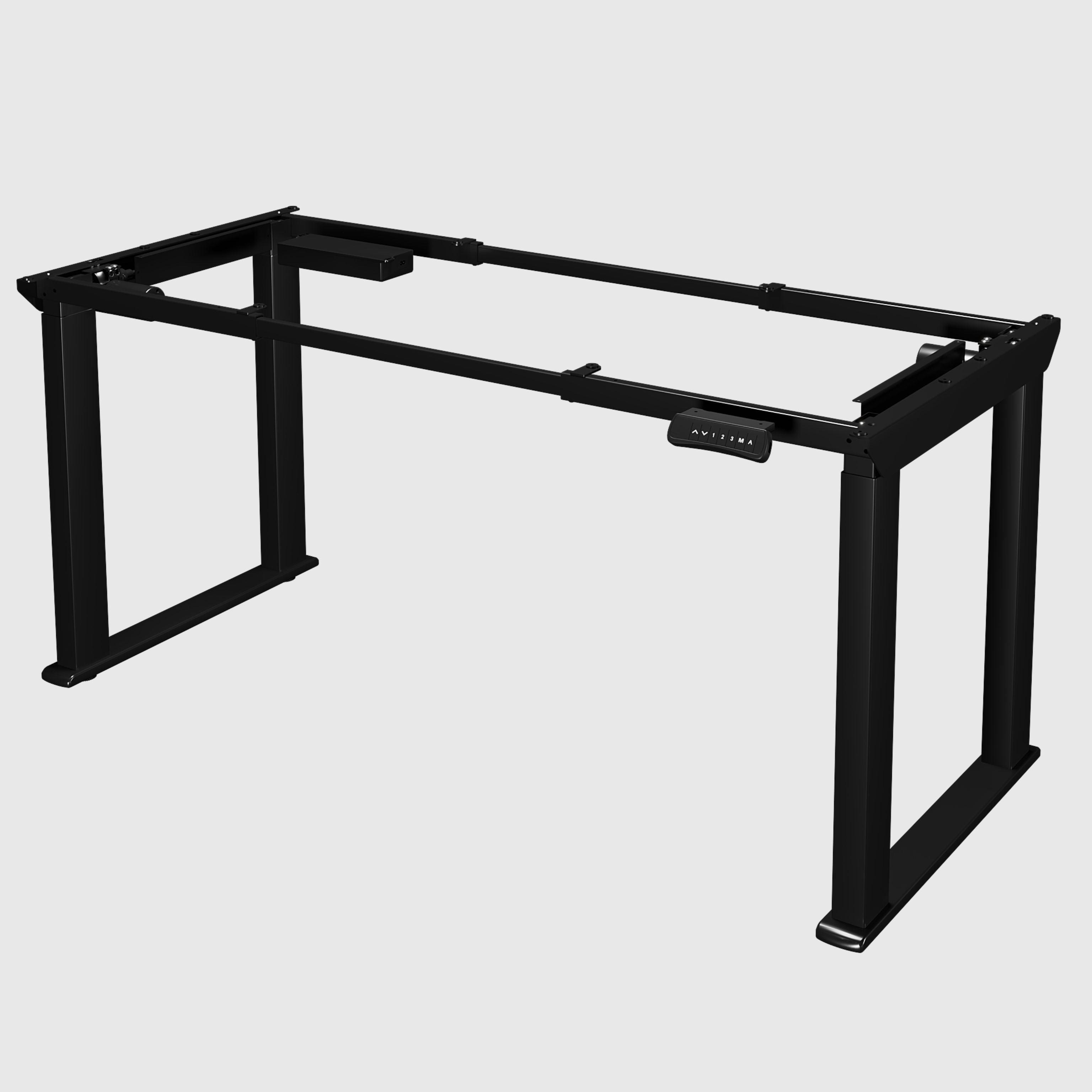
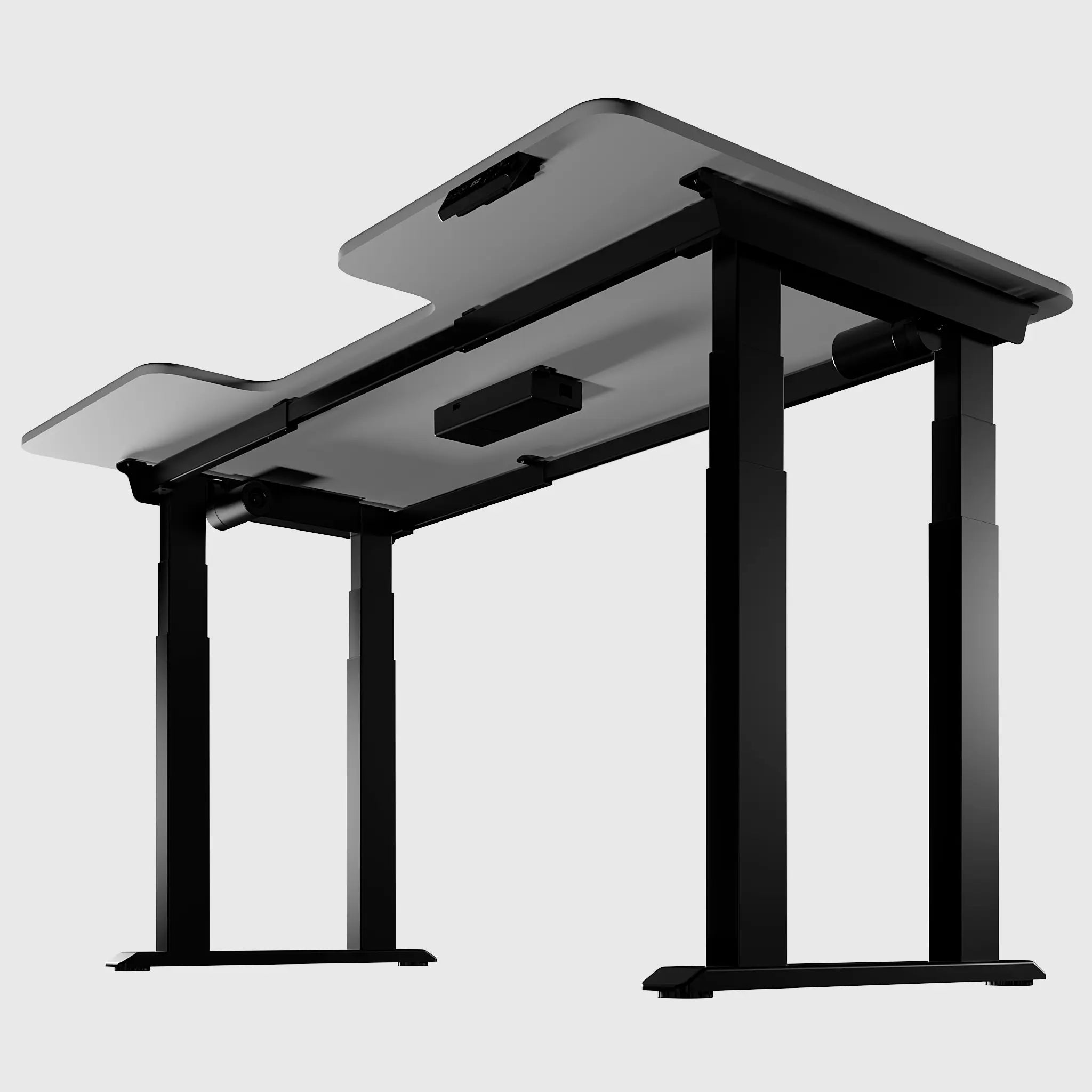
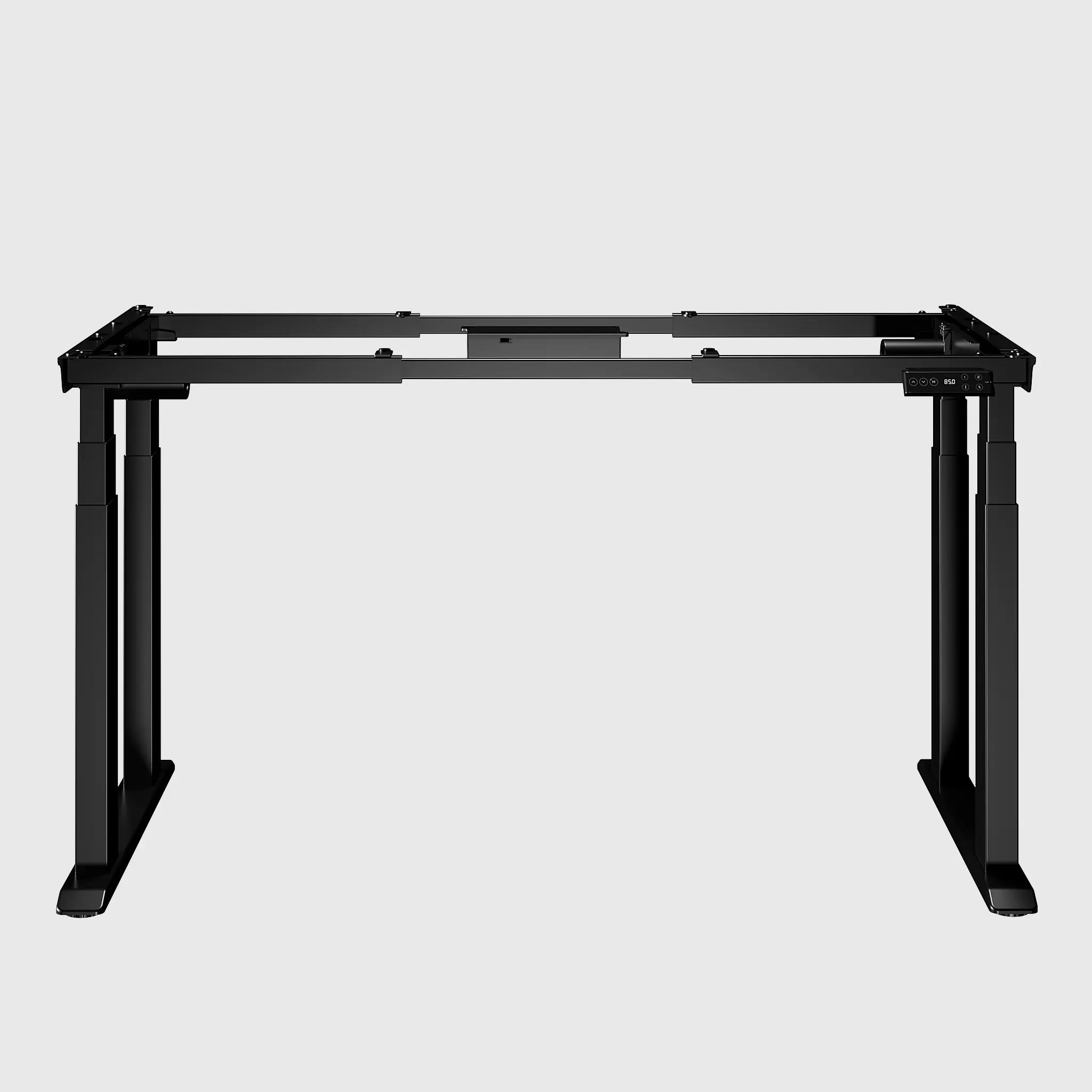
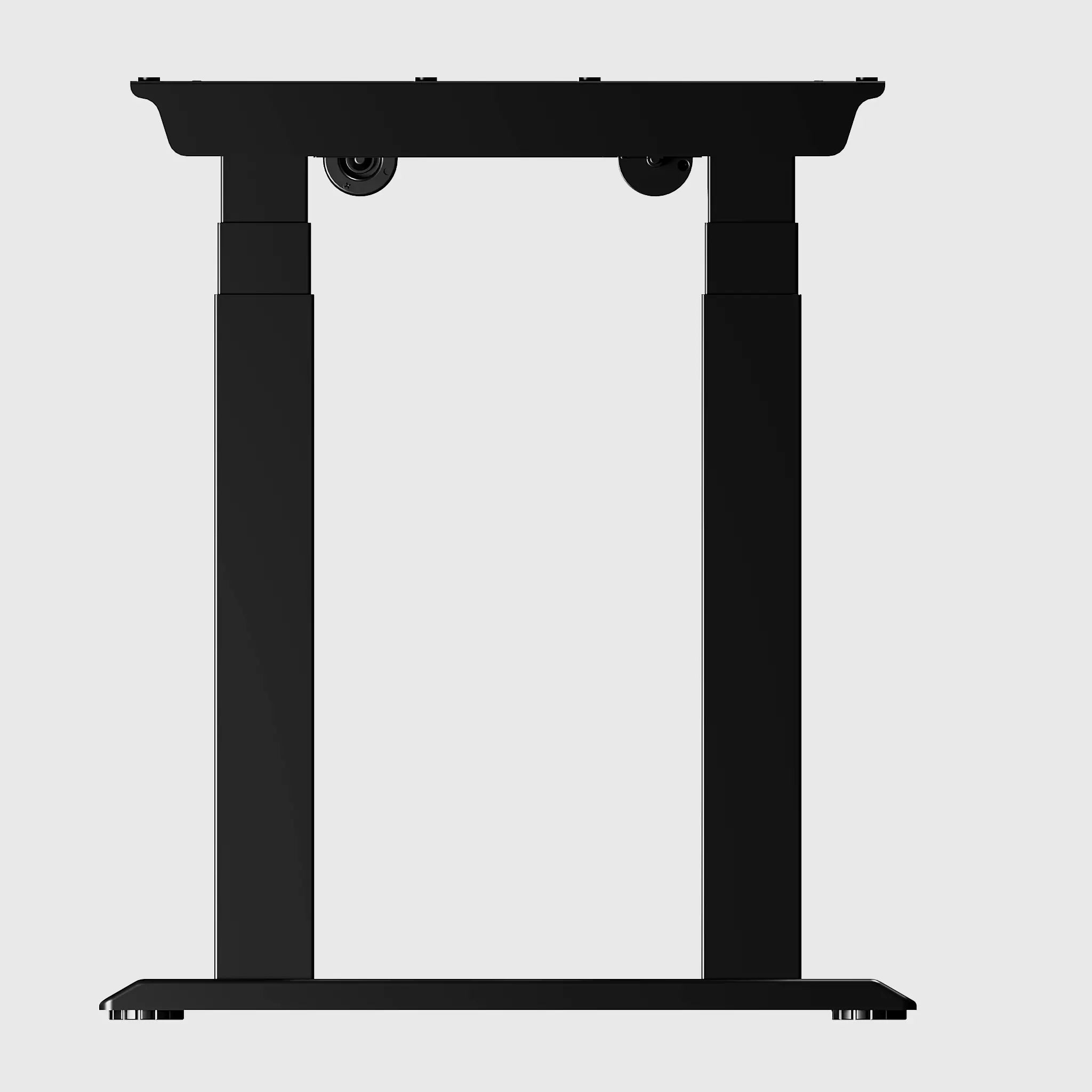
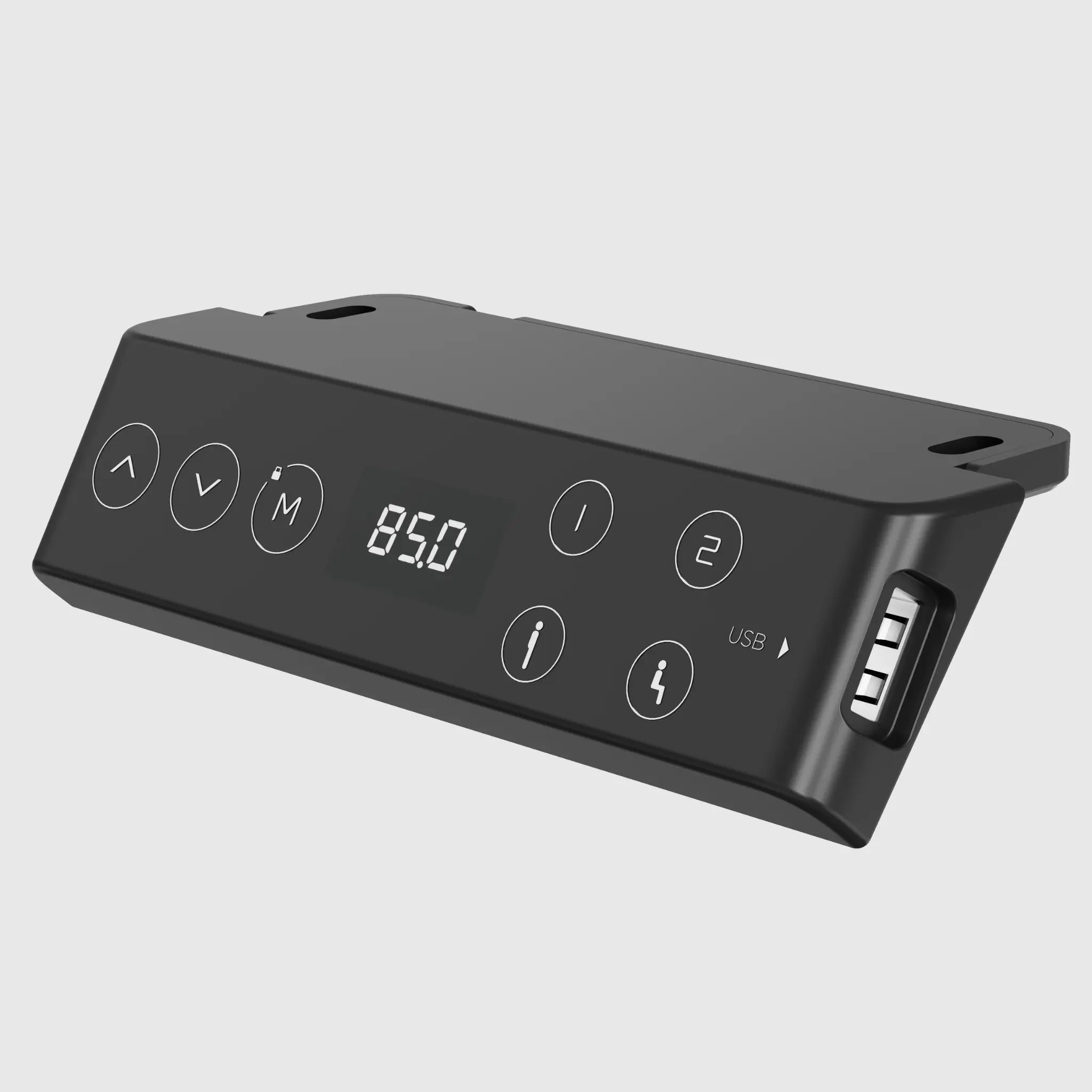
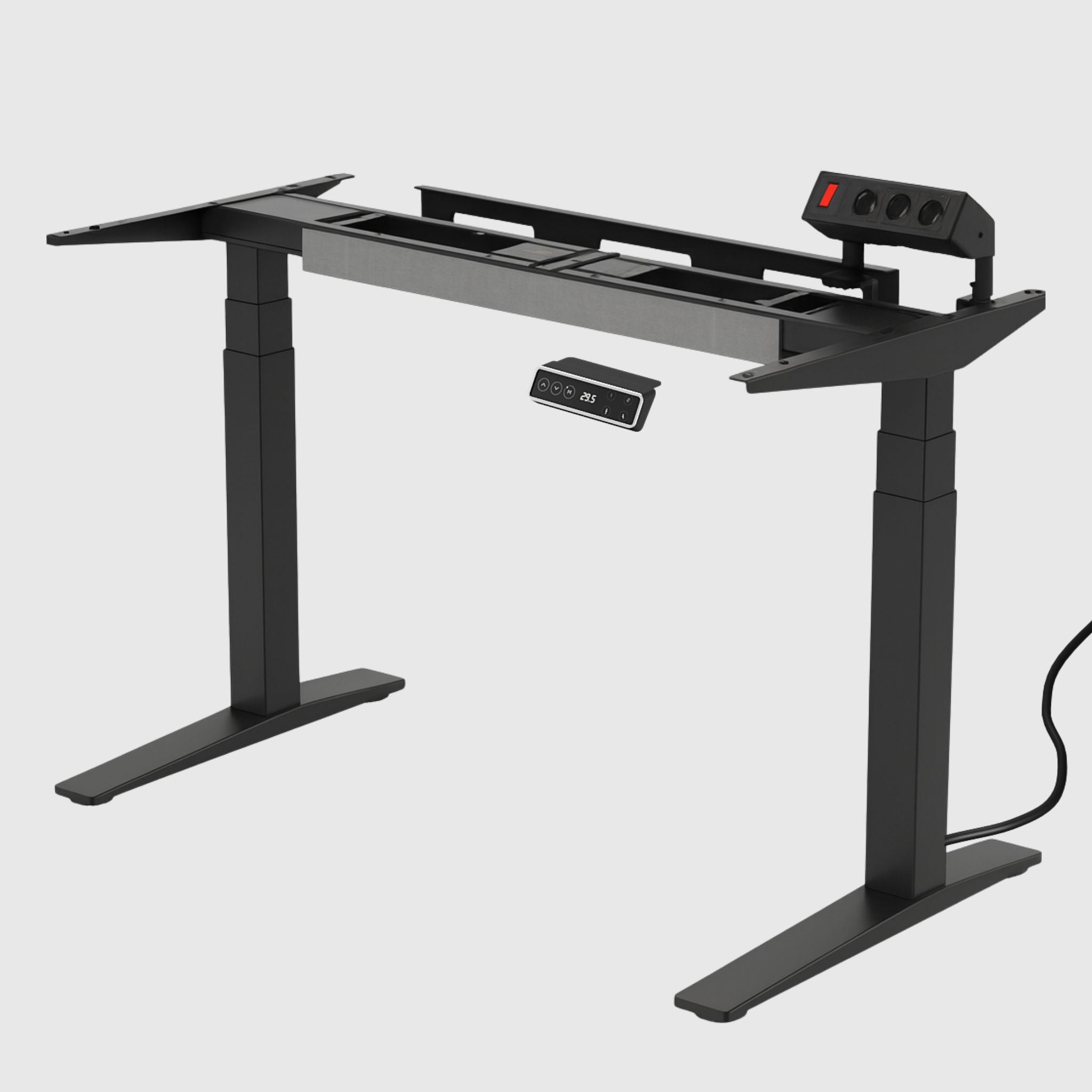
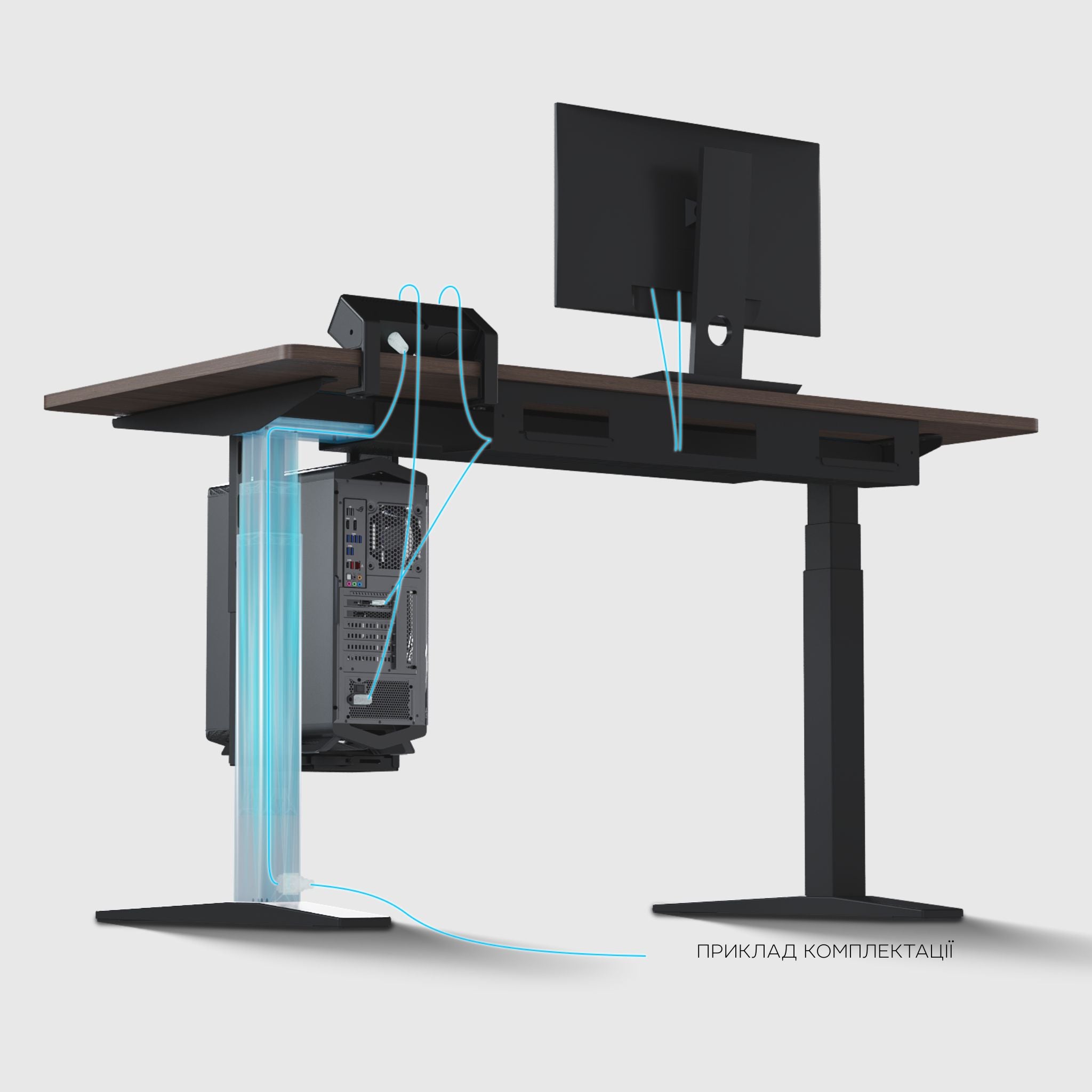
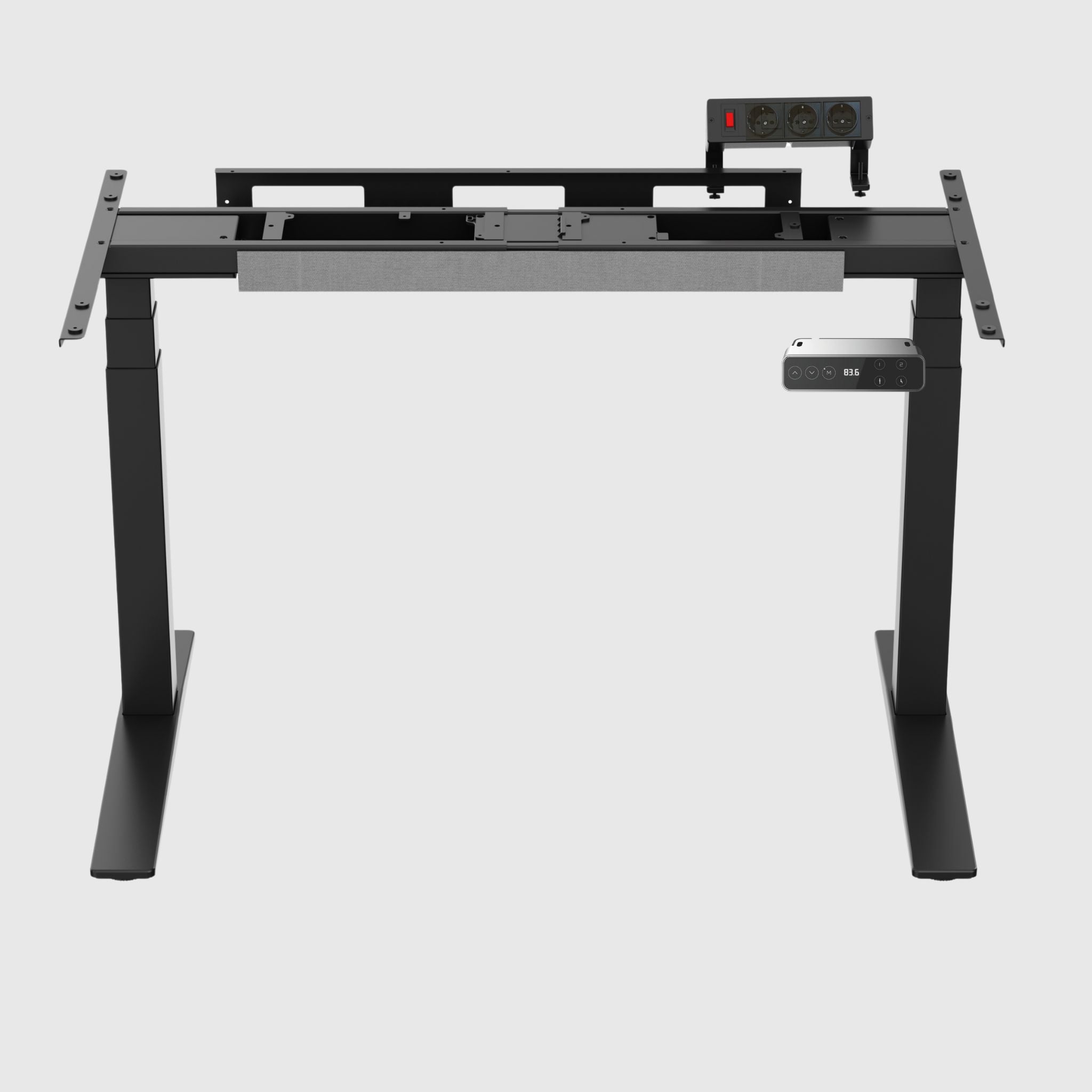
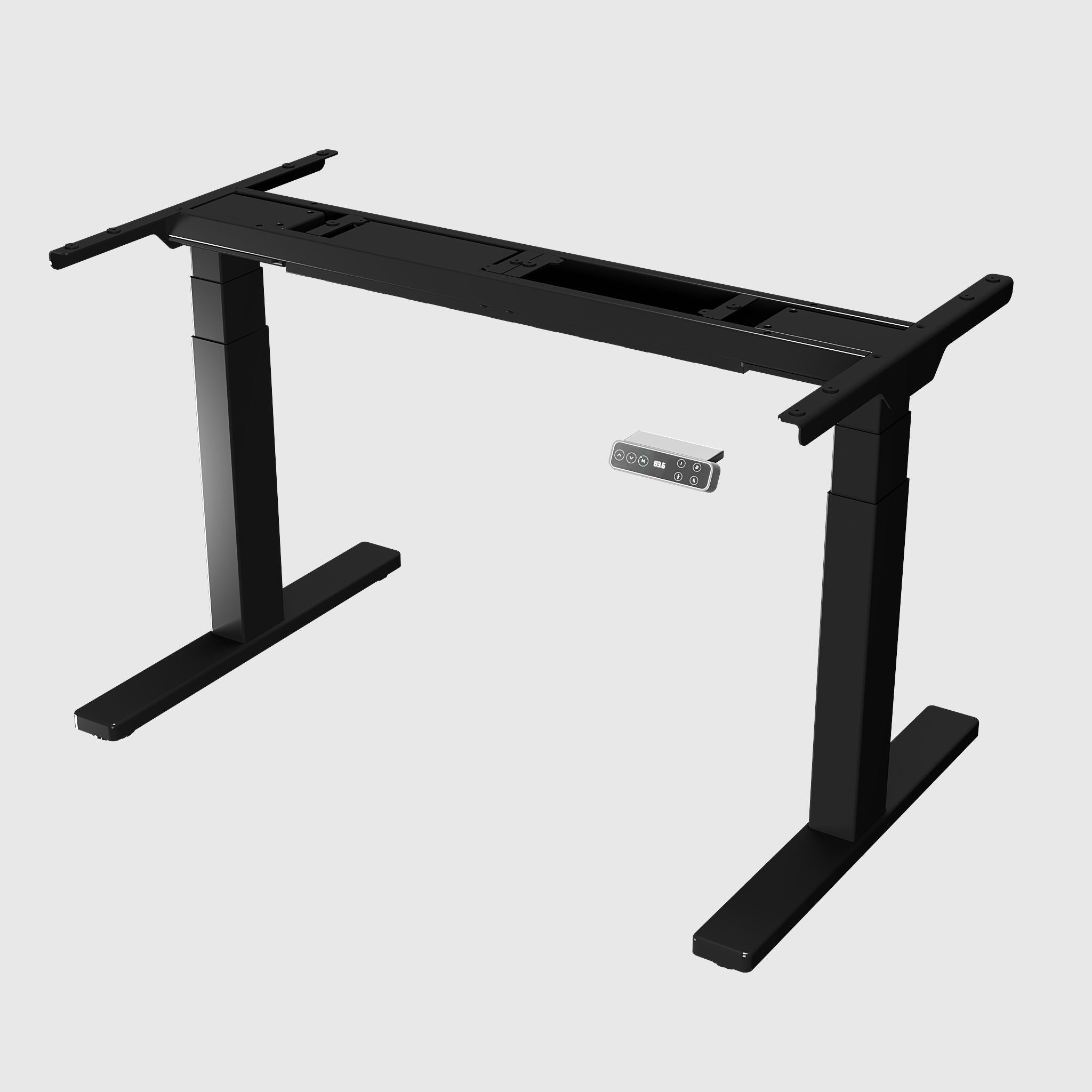
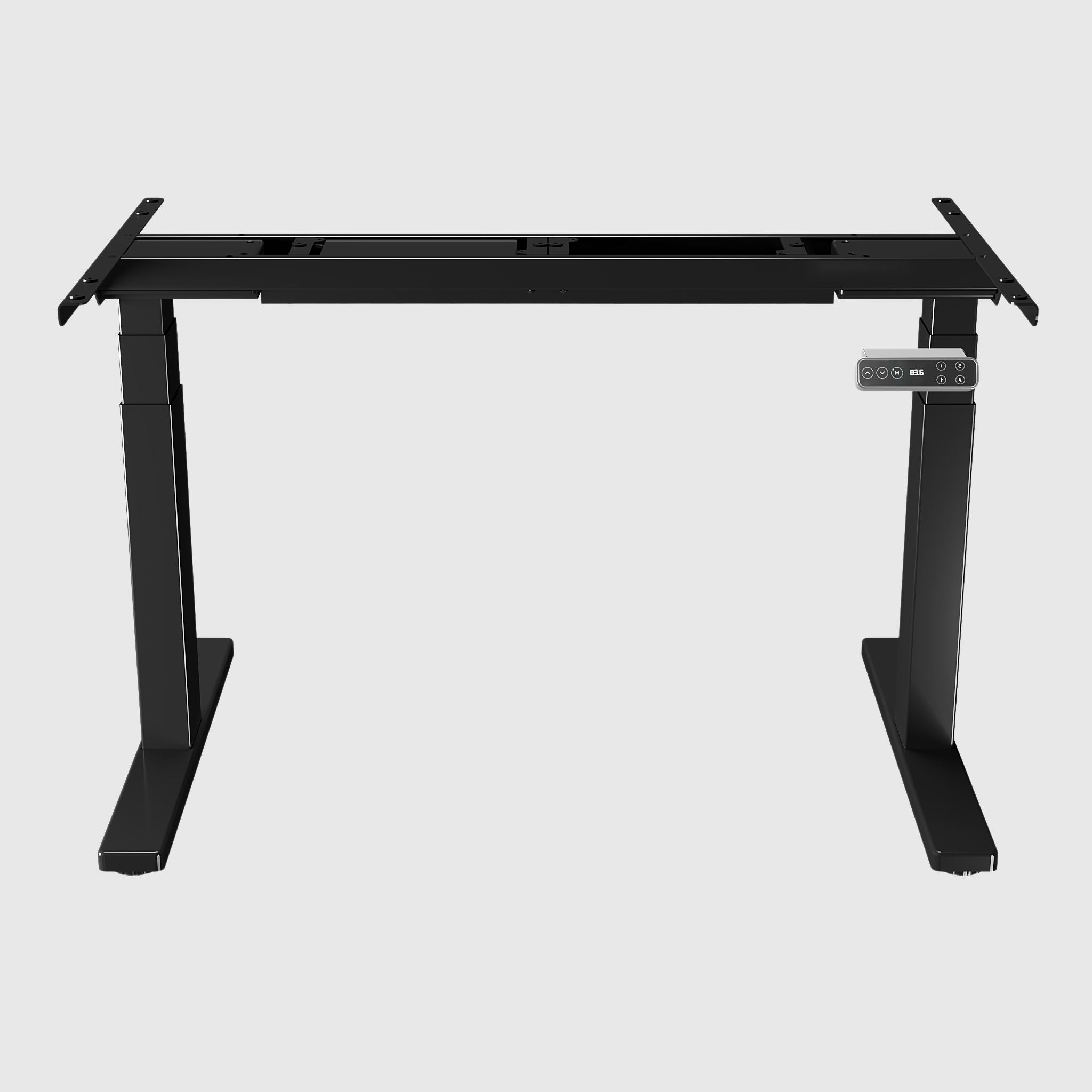
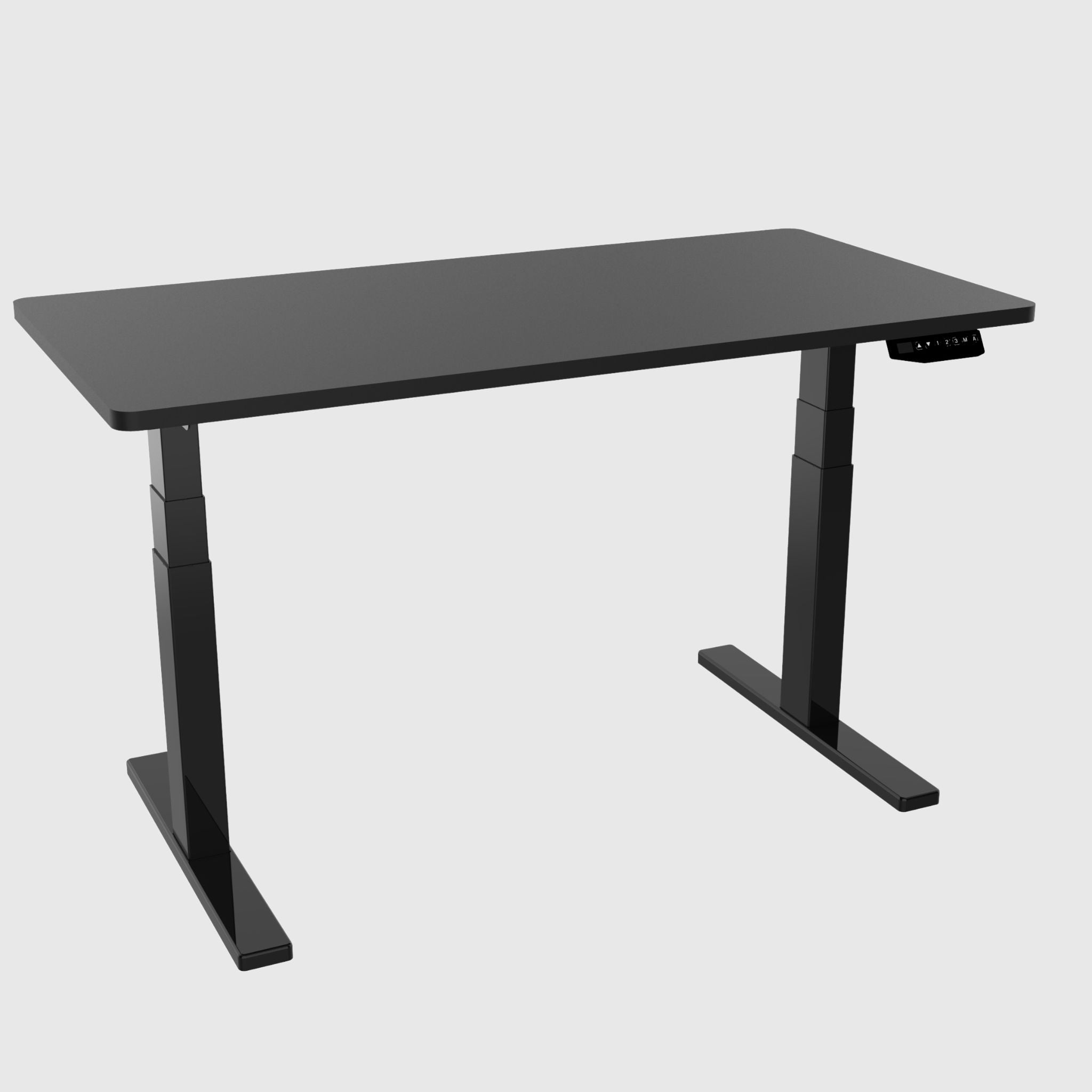
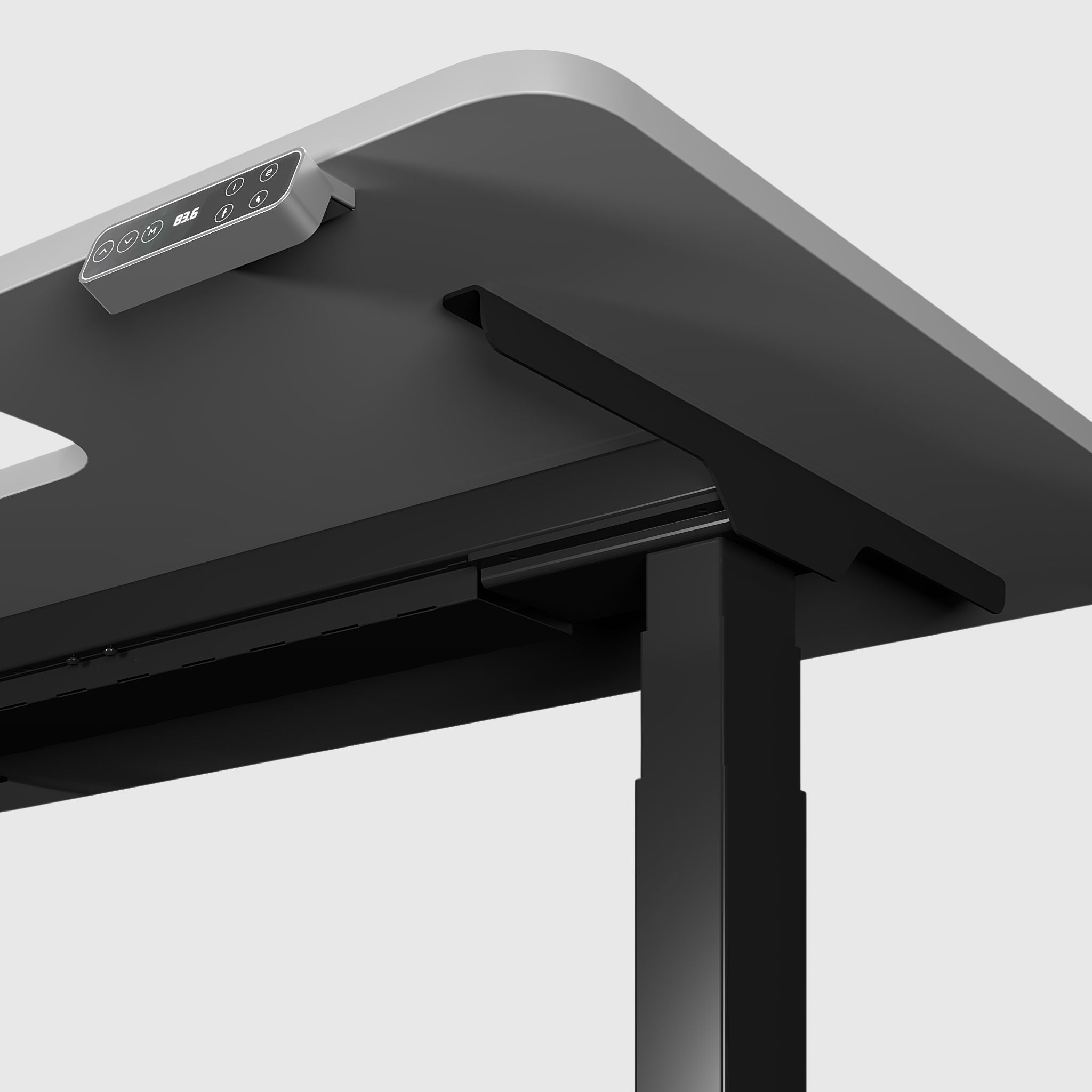
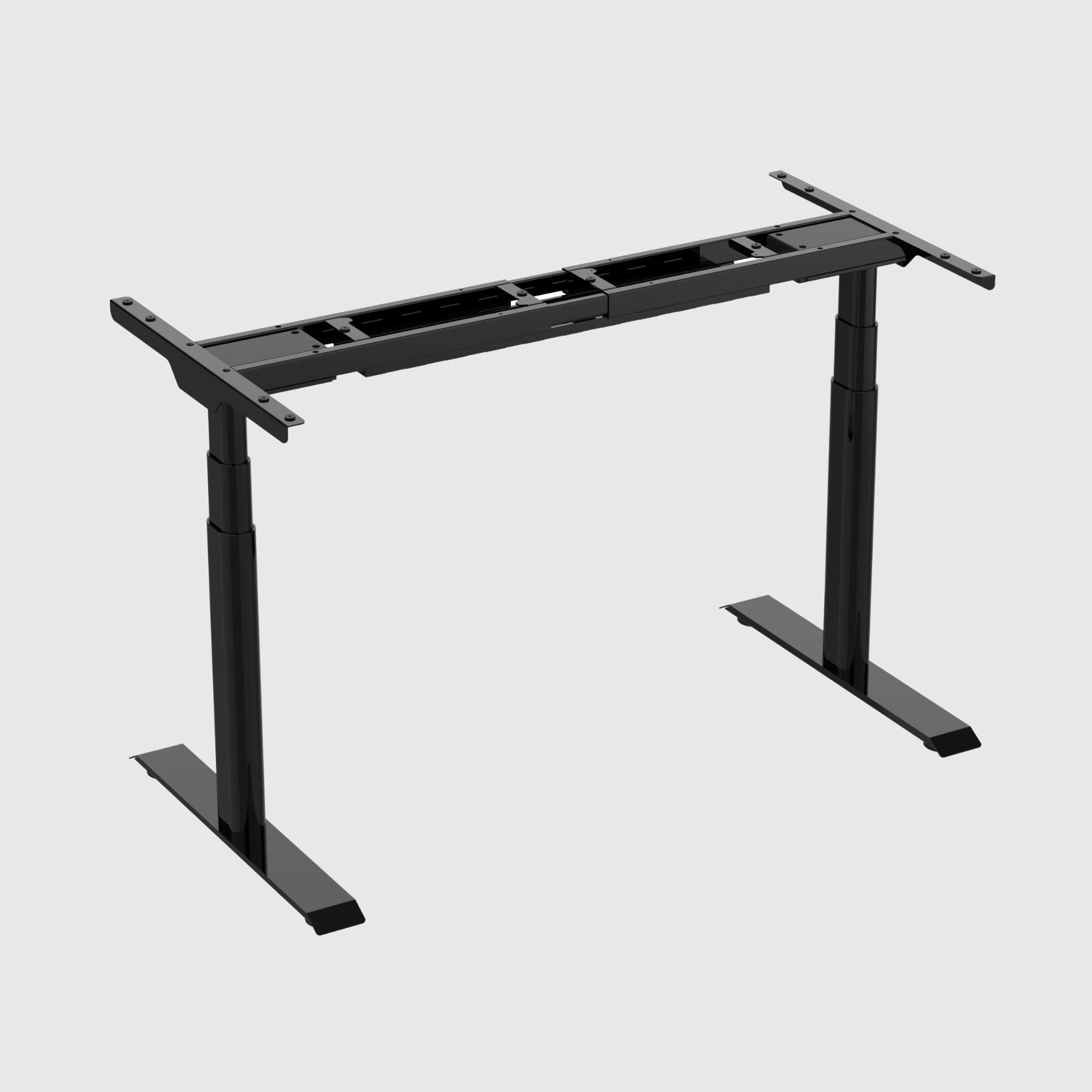
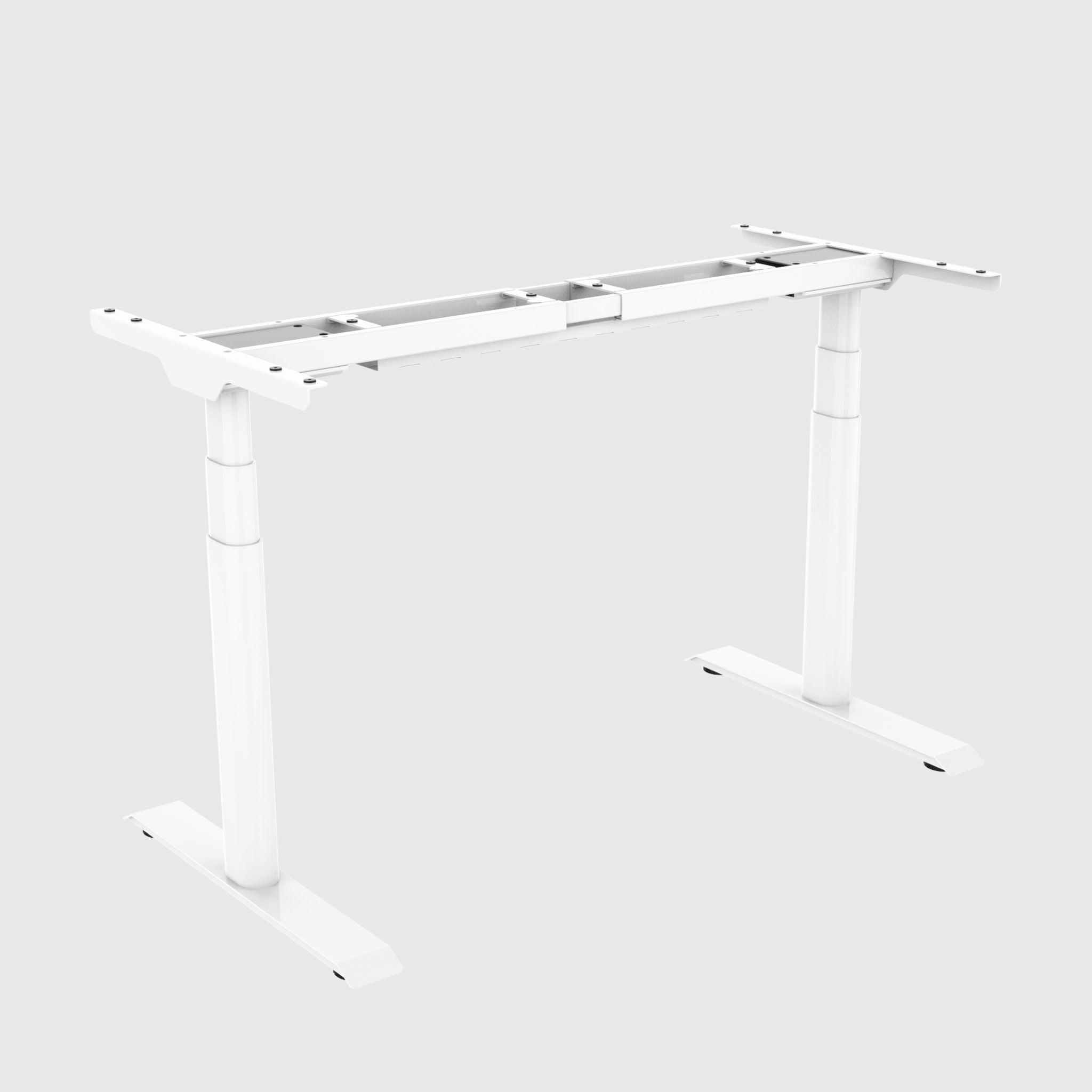
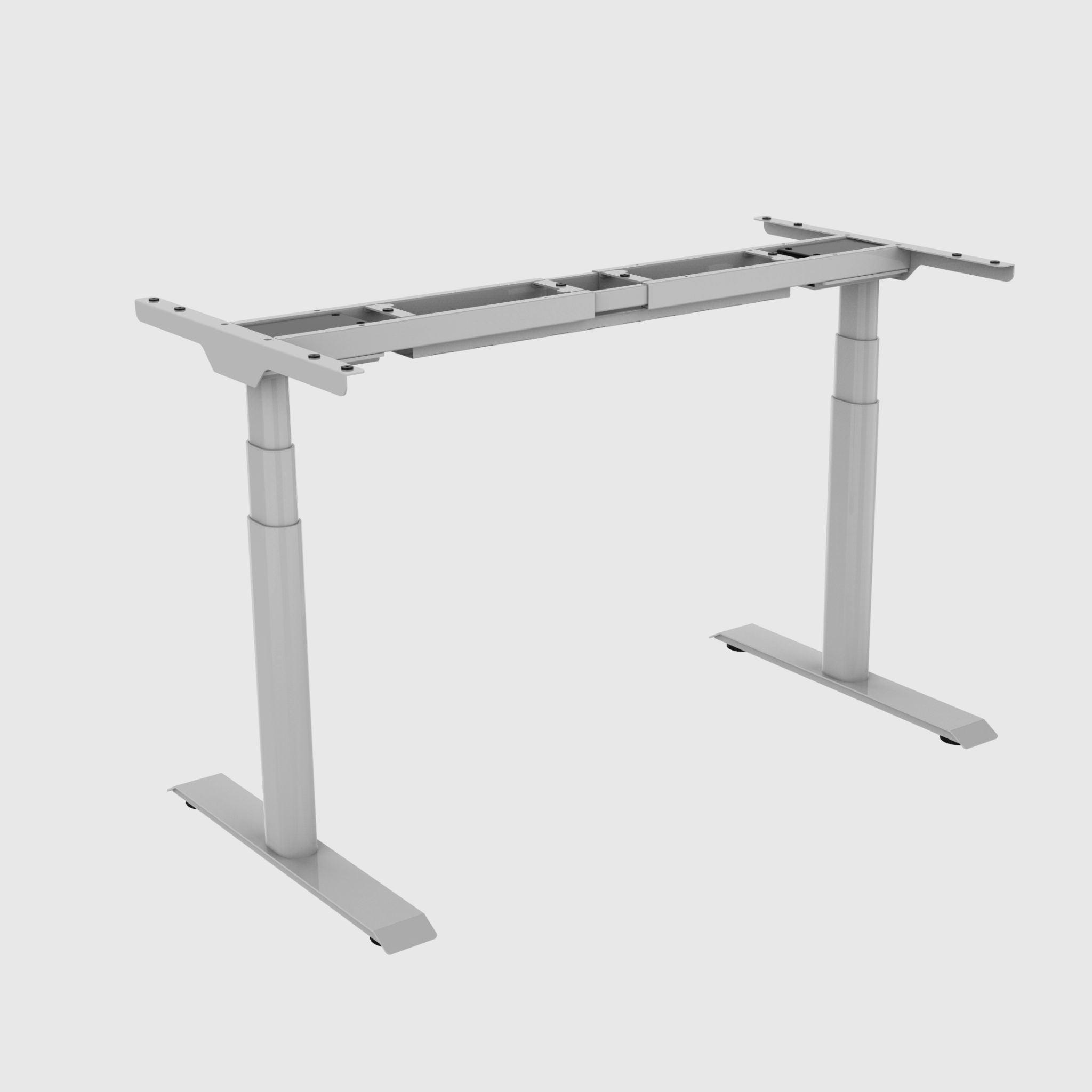
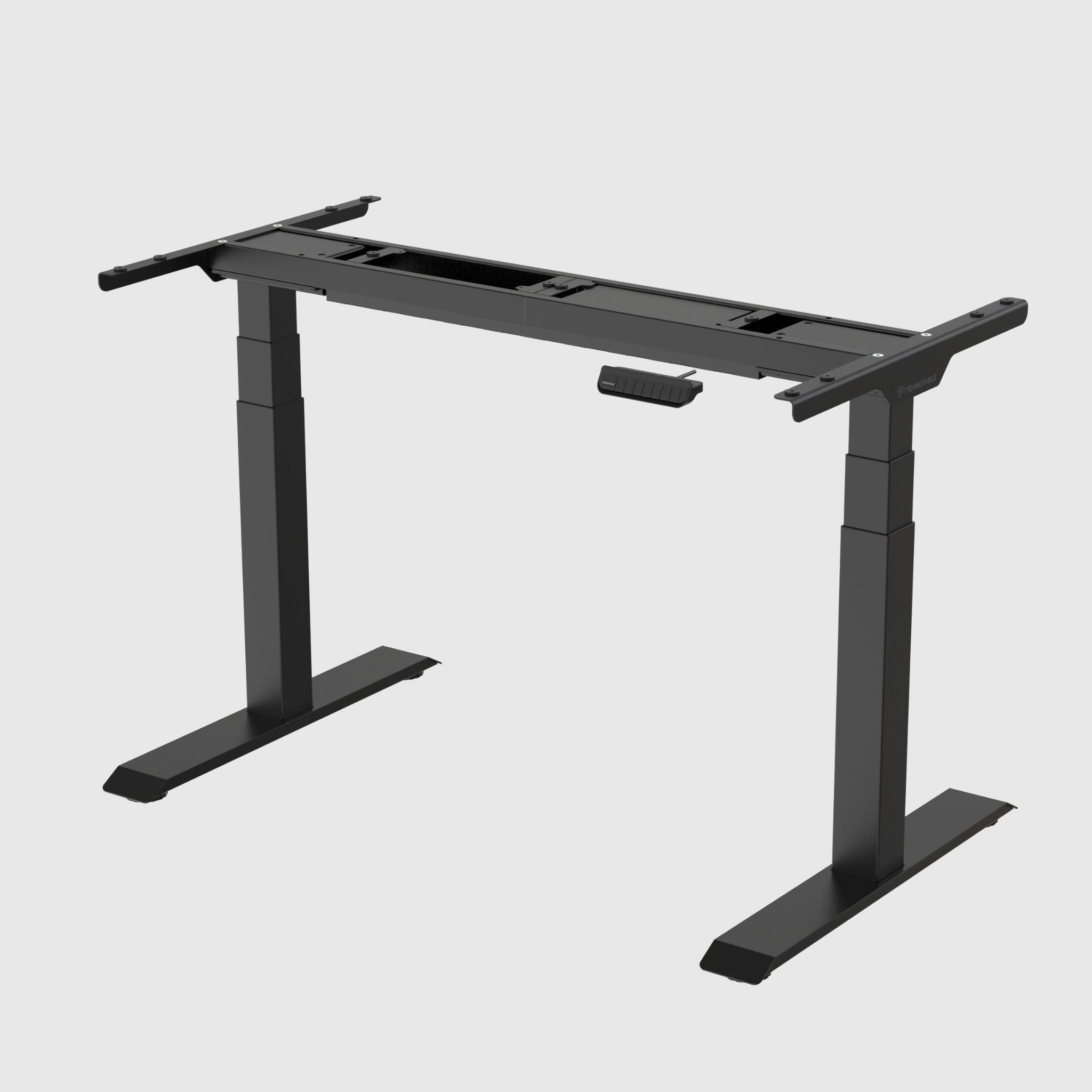
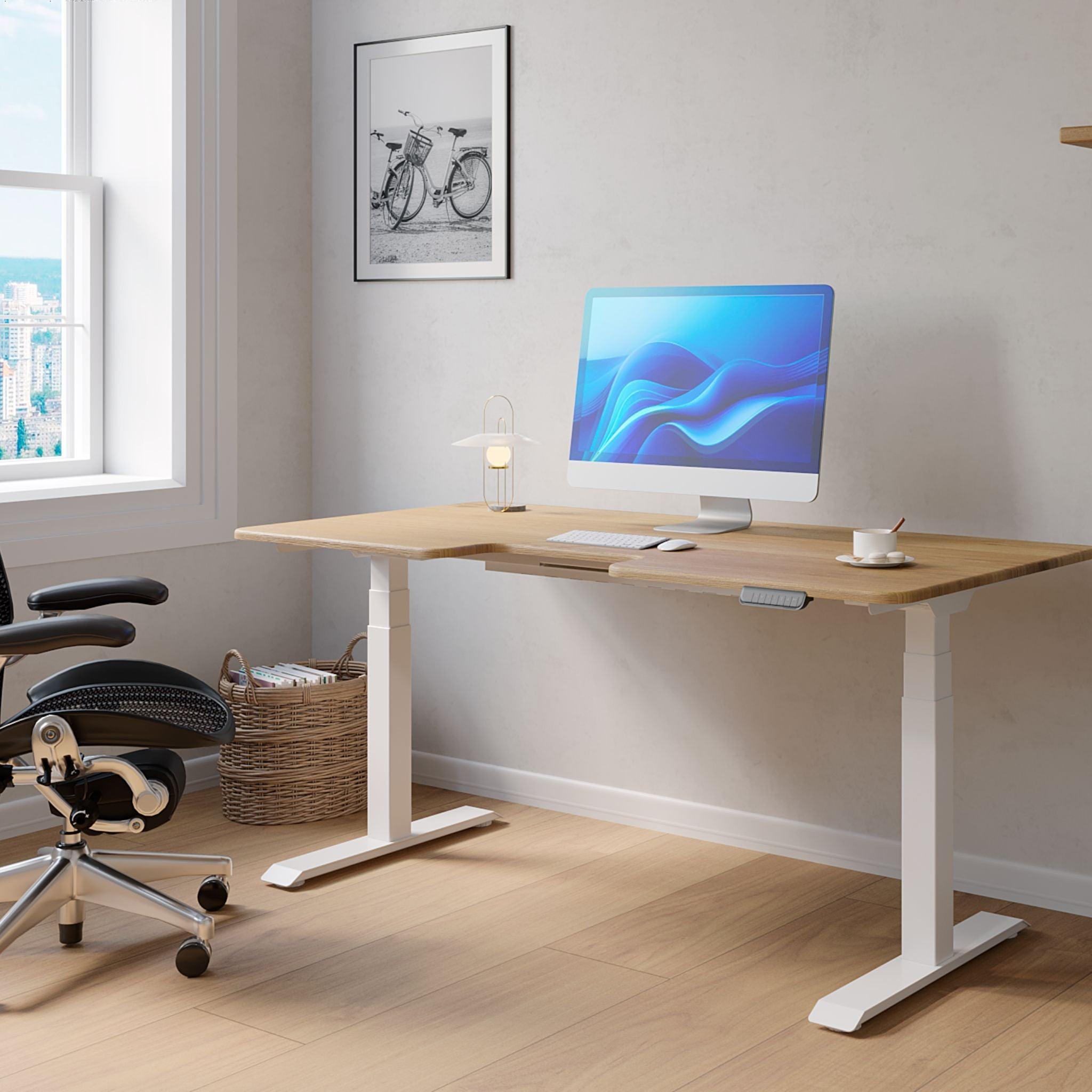
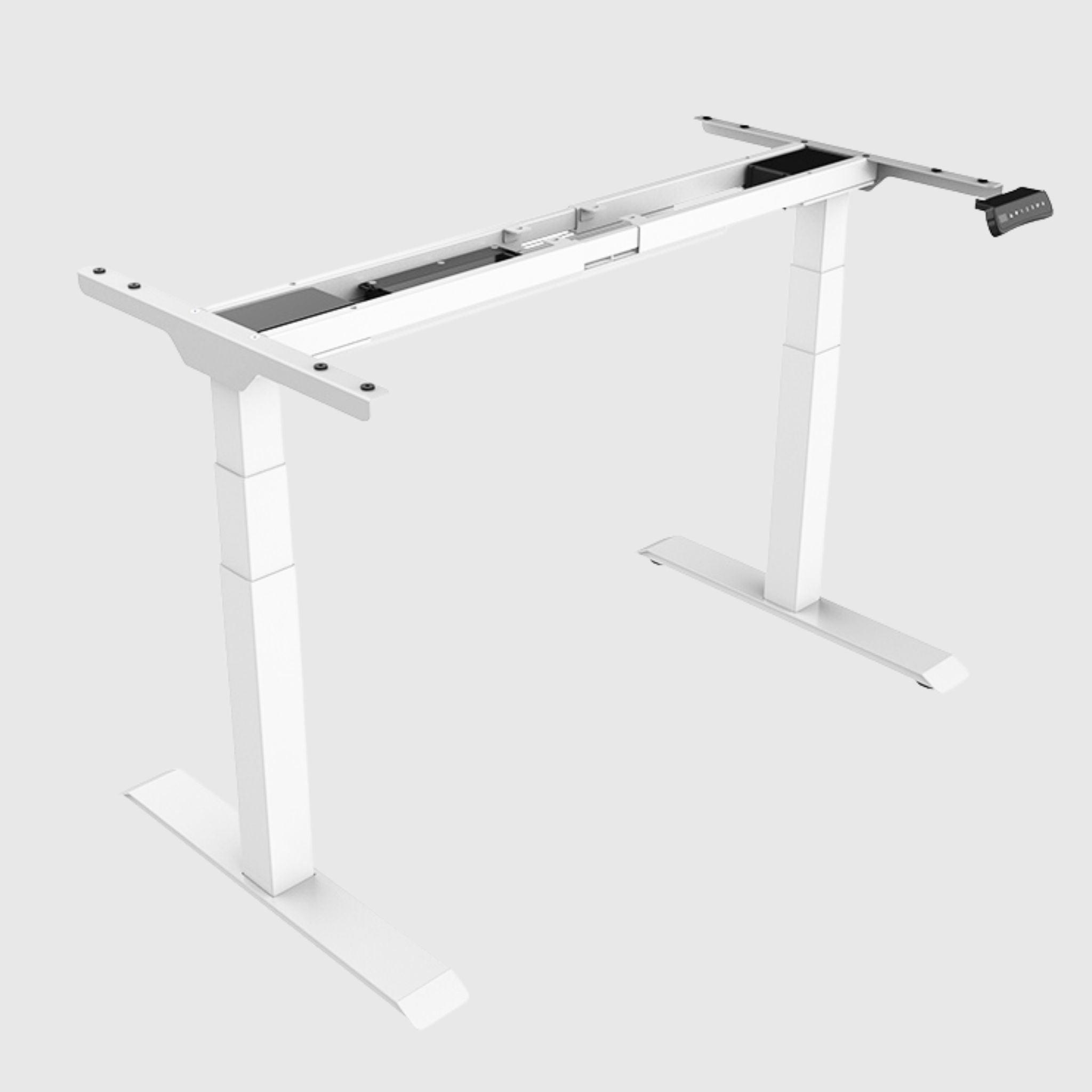
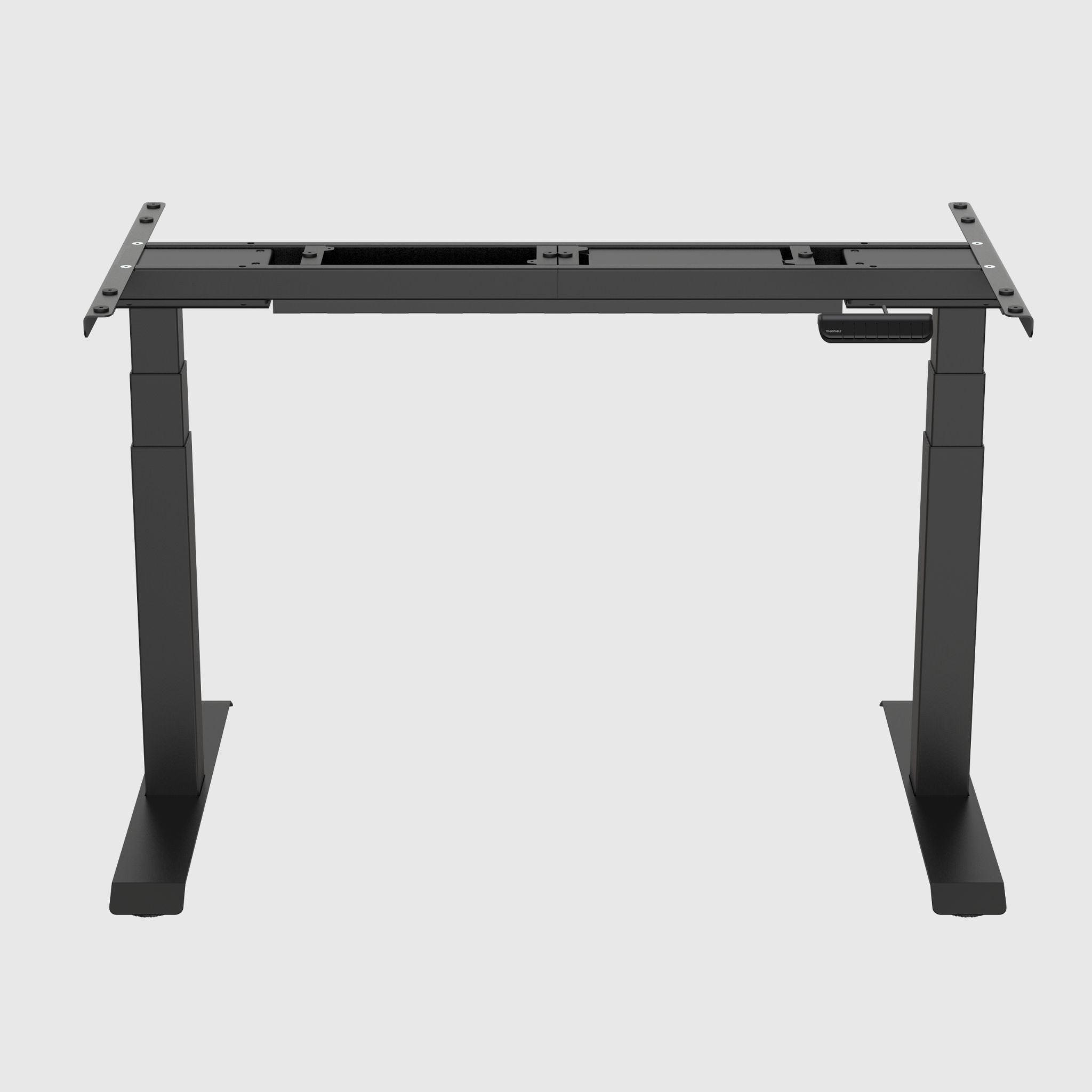
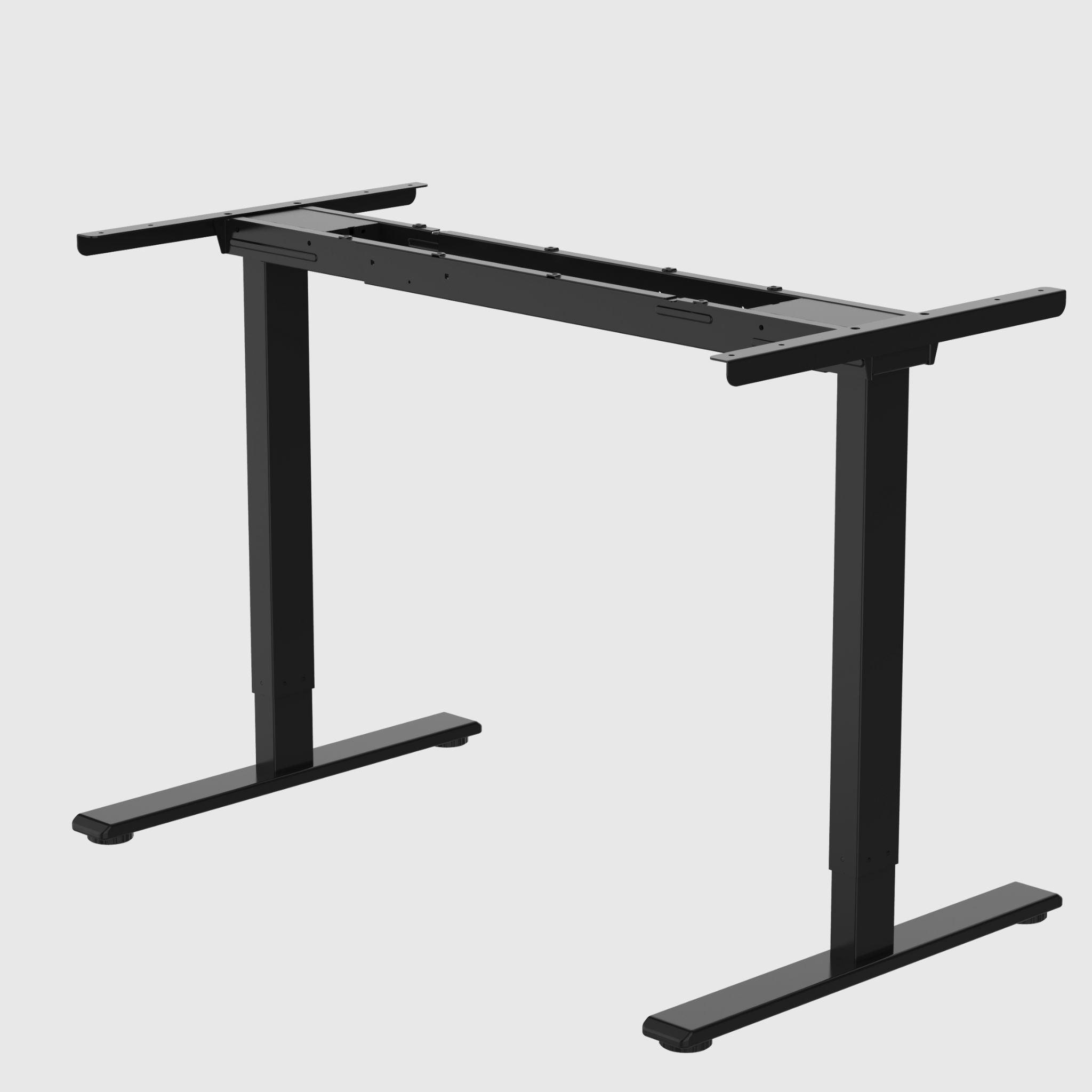
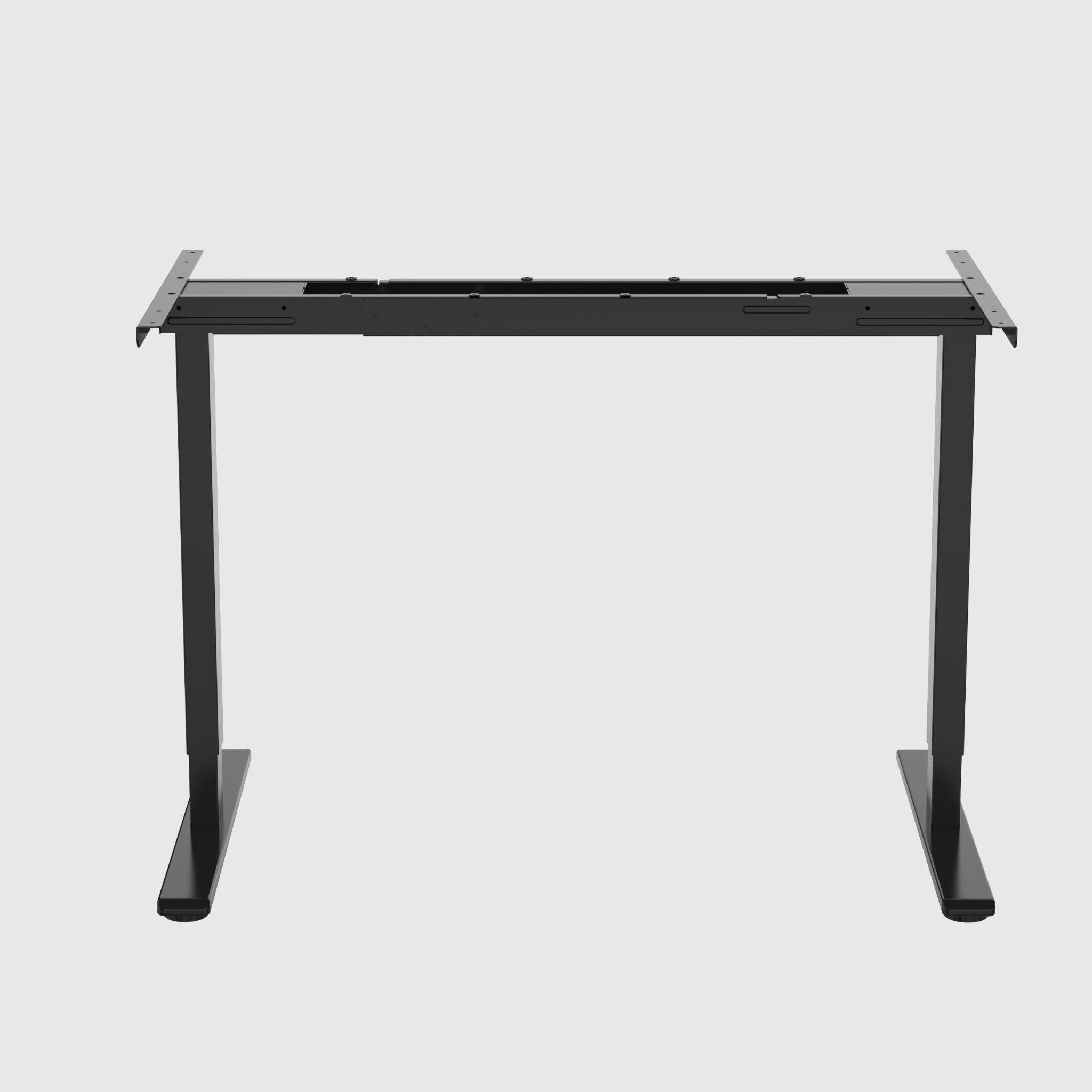
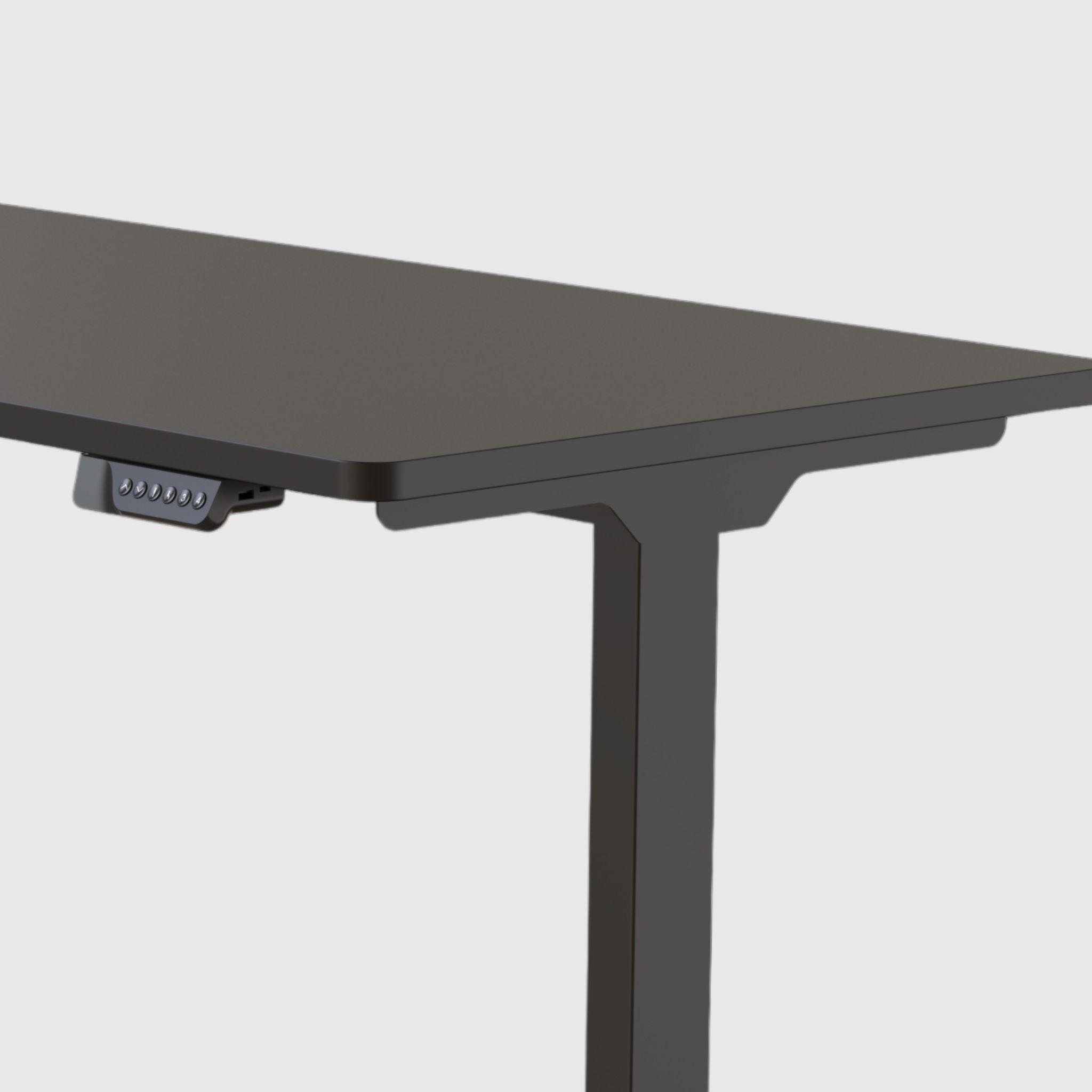
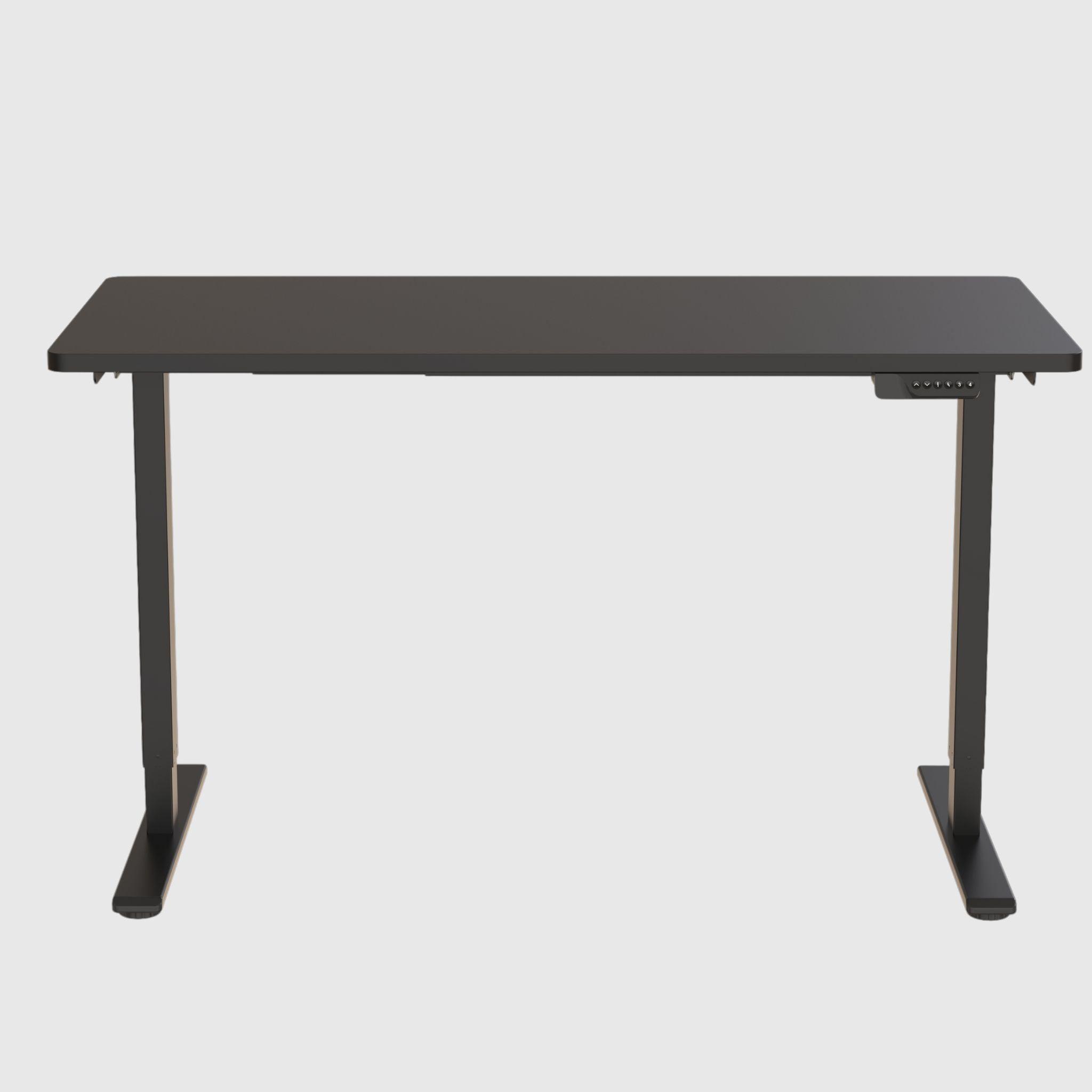
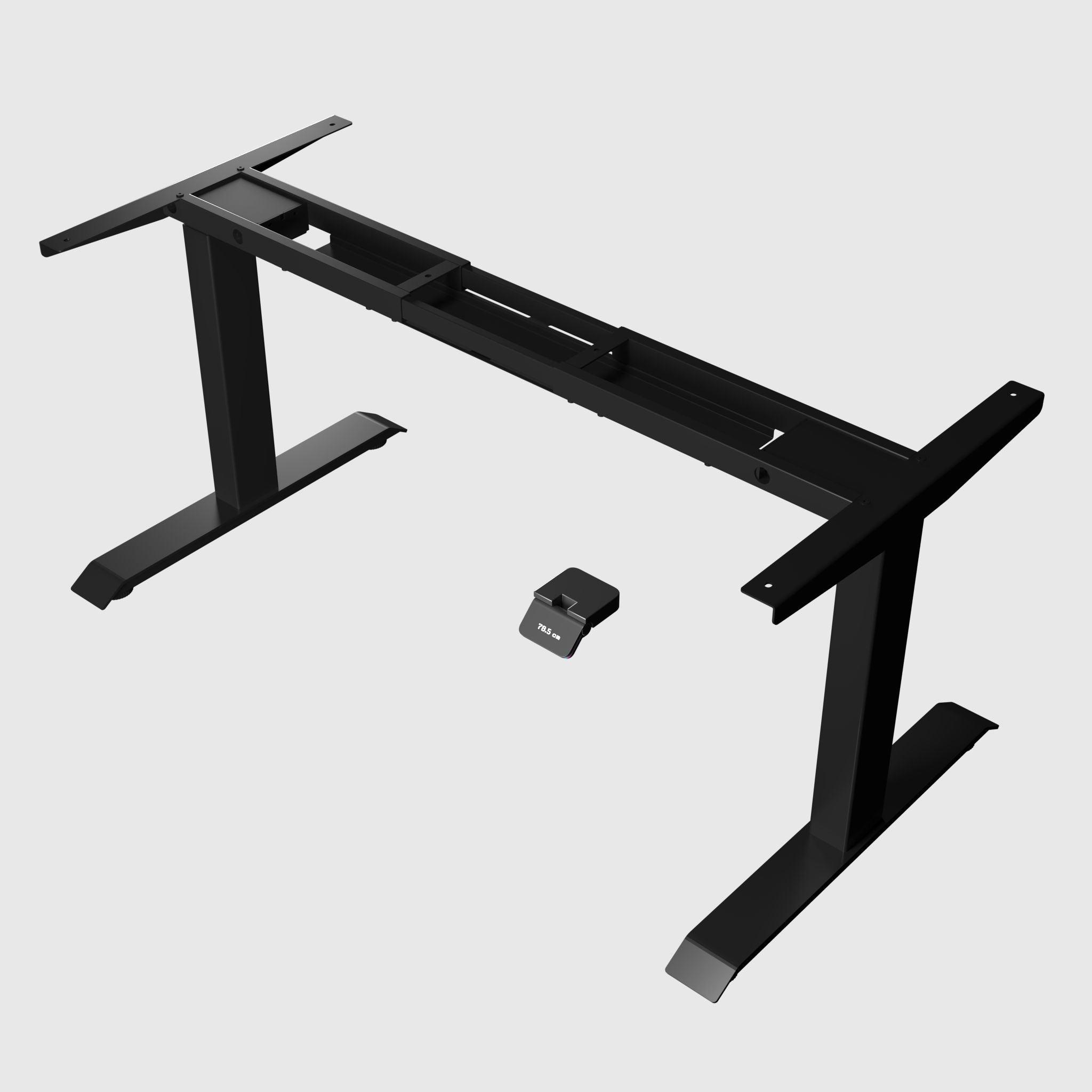
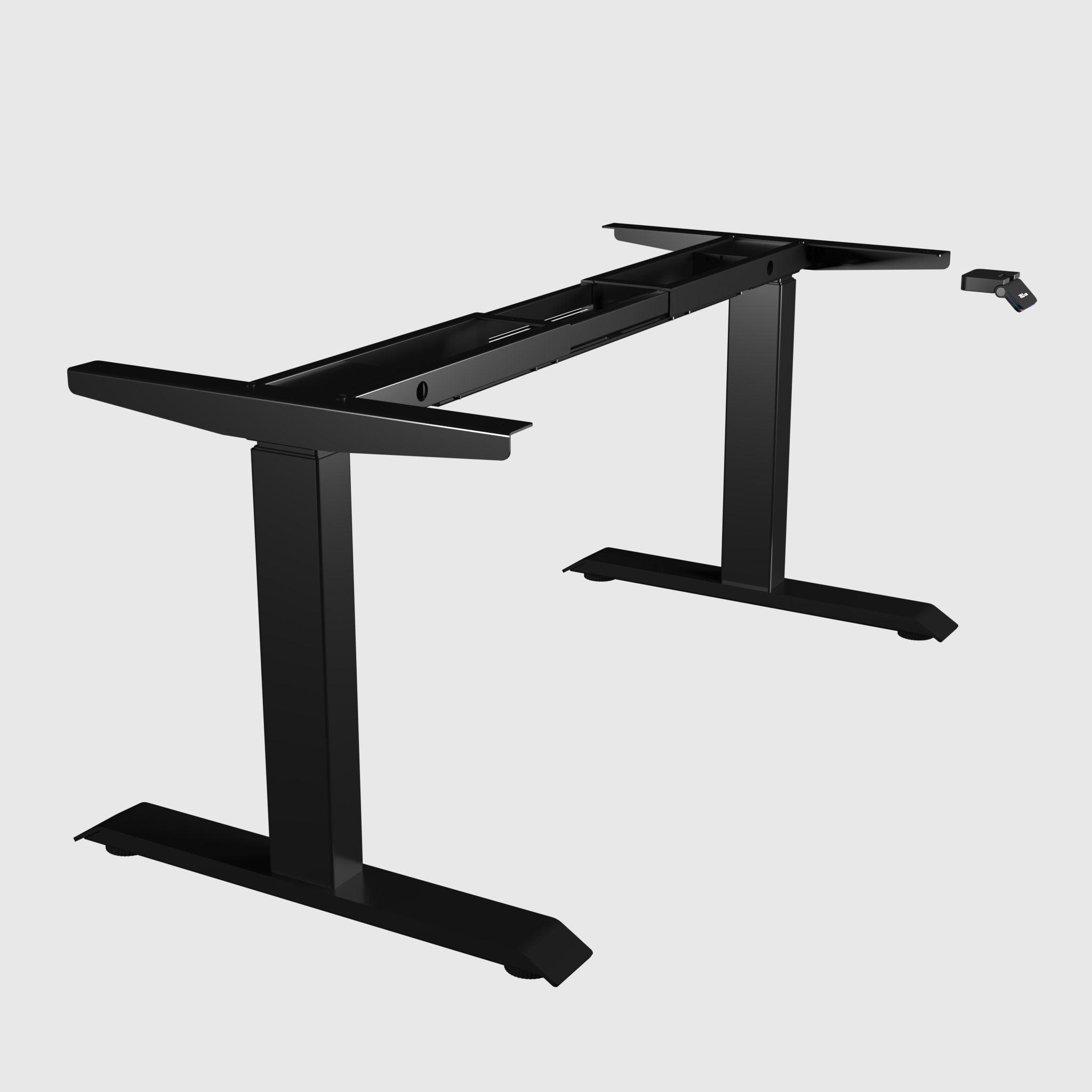
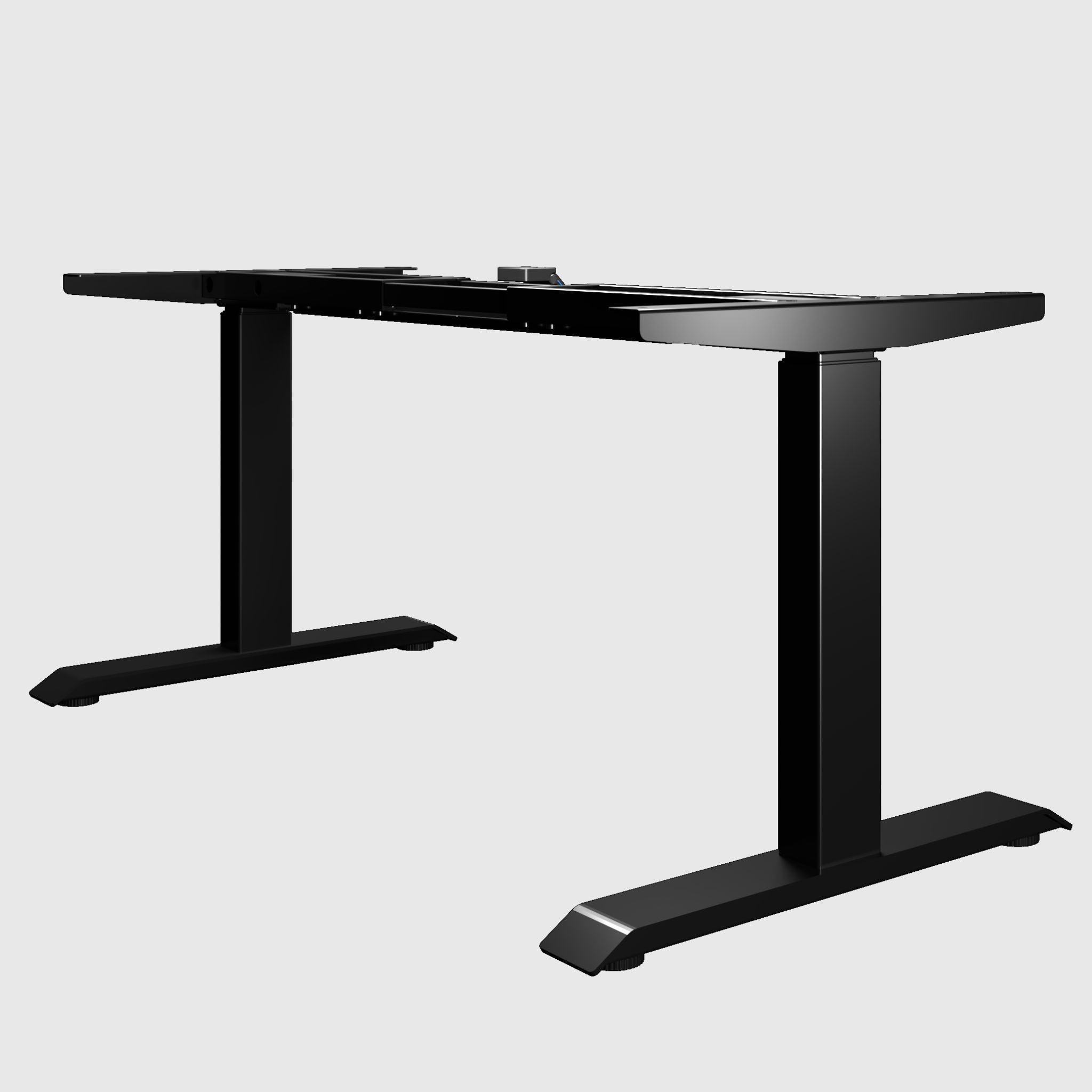
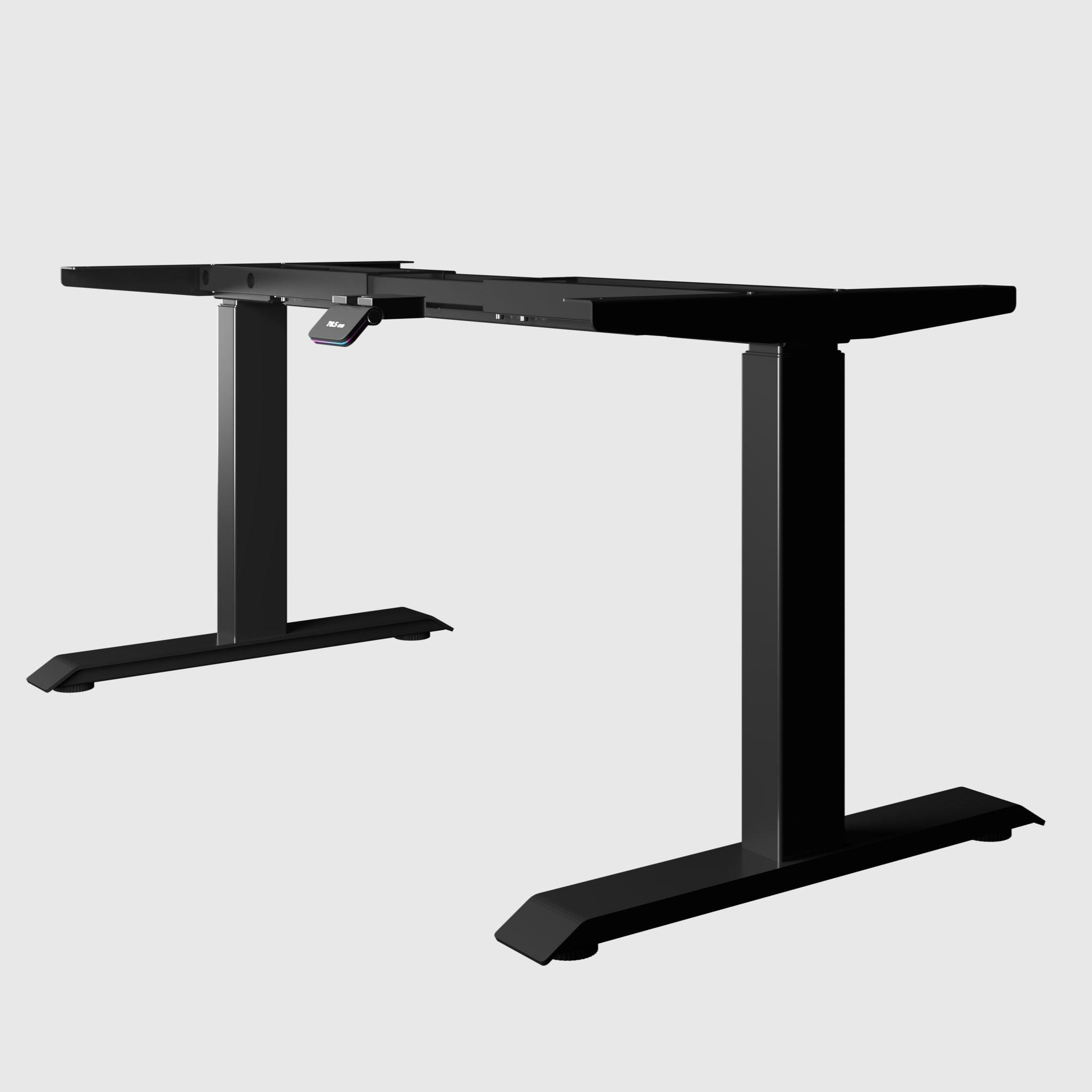
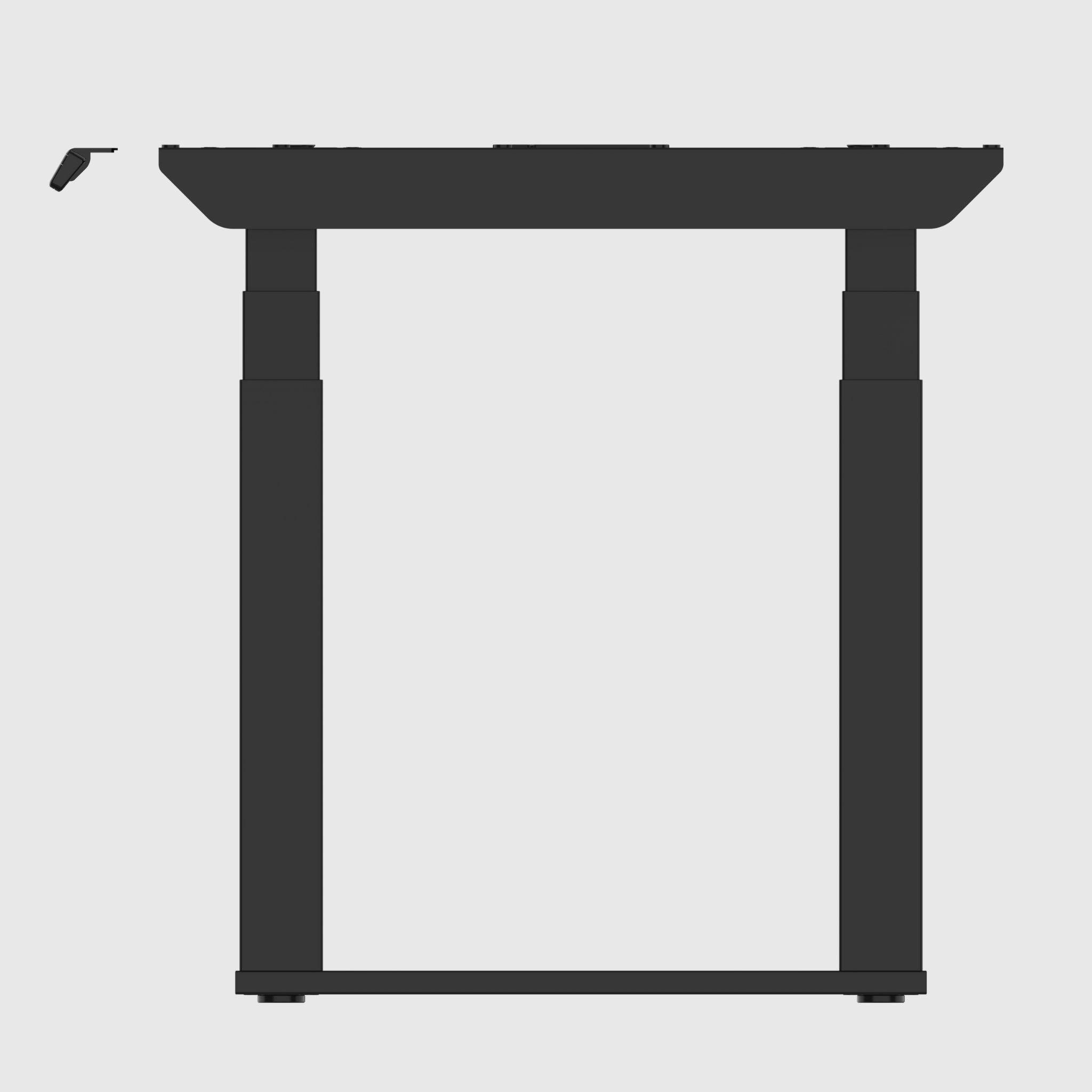
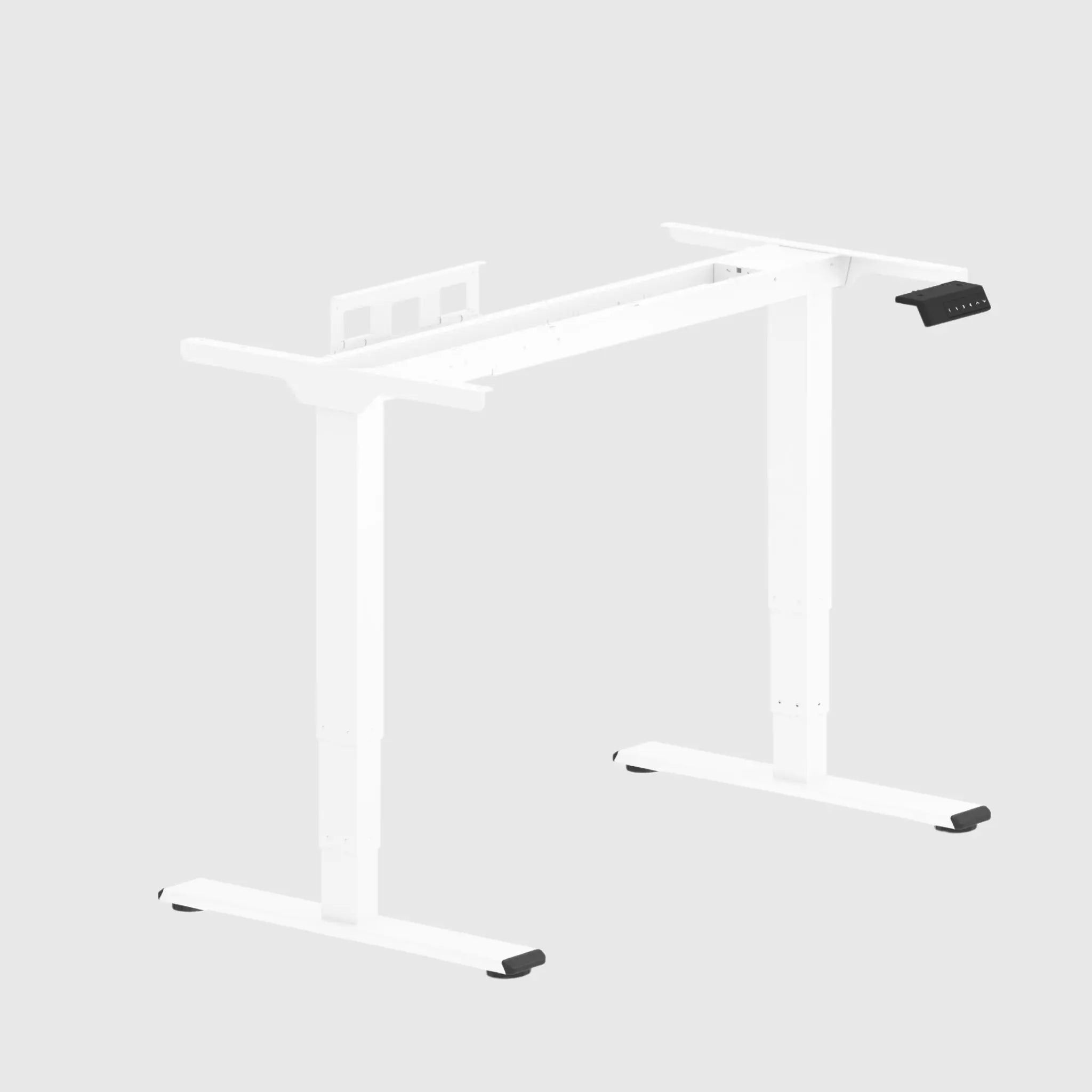
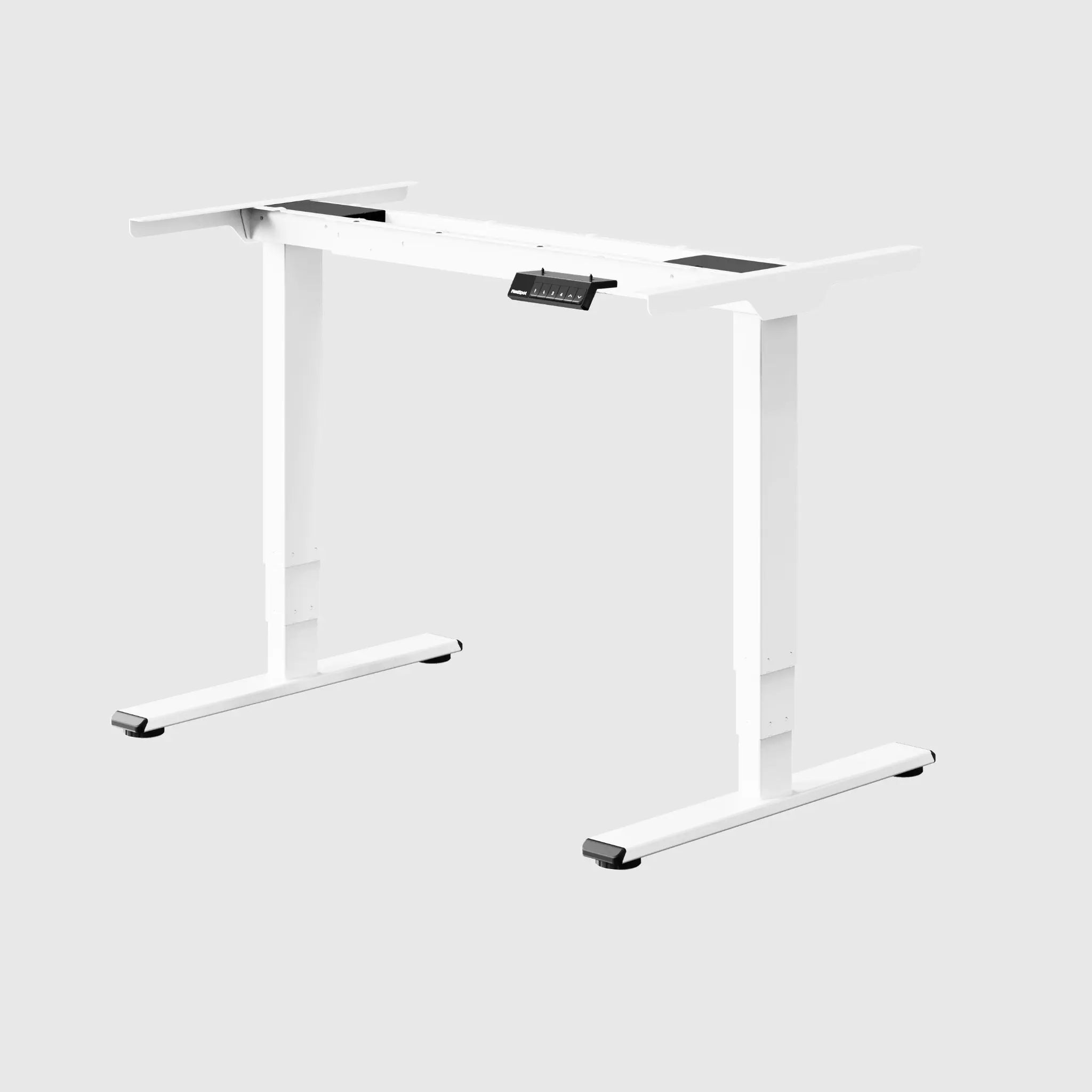
LiteQuad dual-motor height-adjustable table frame
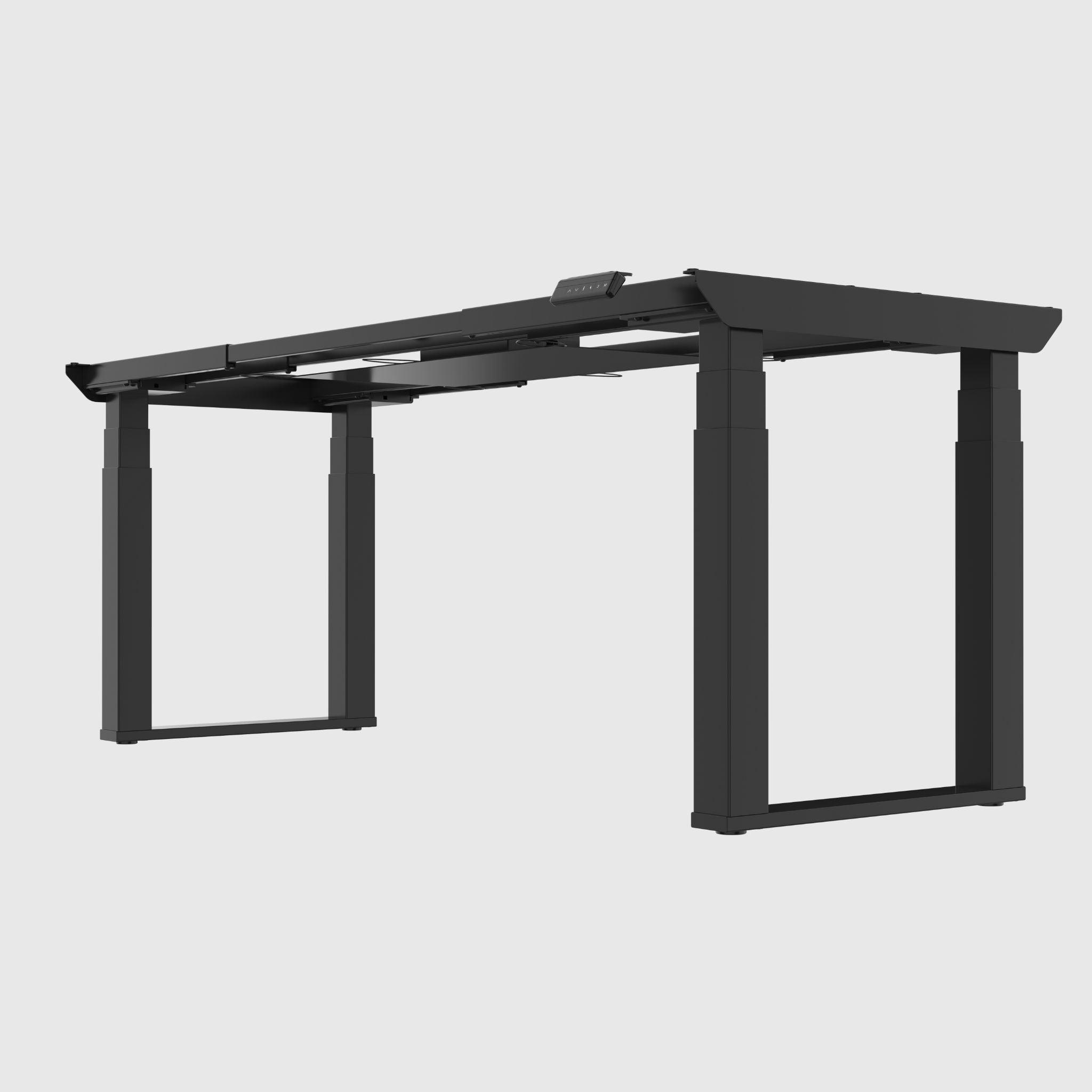
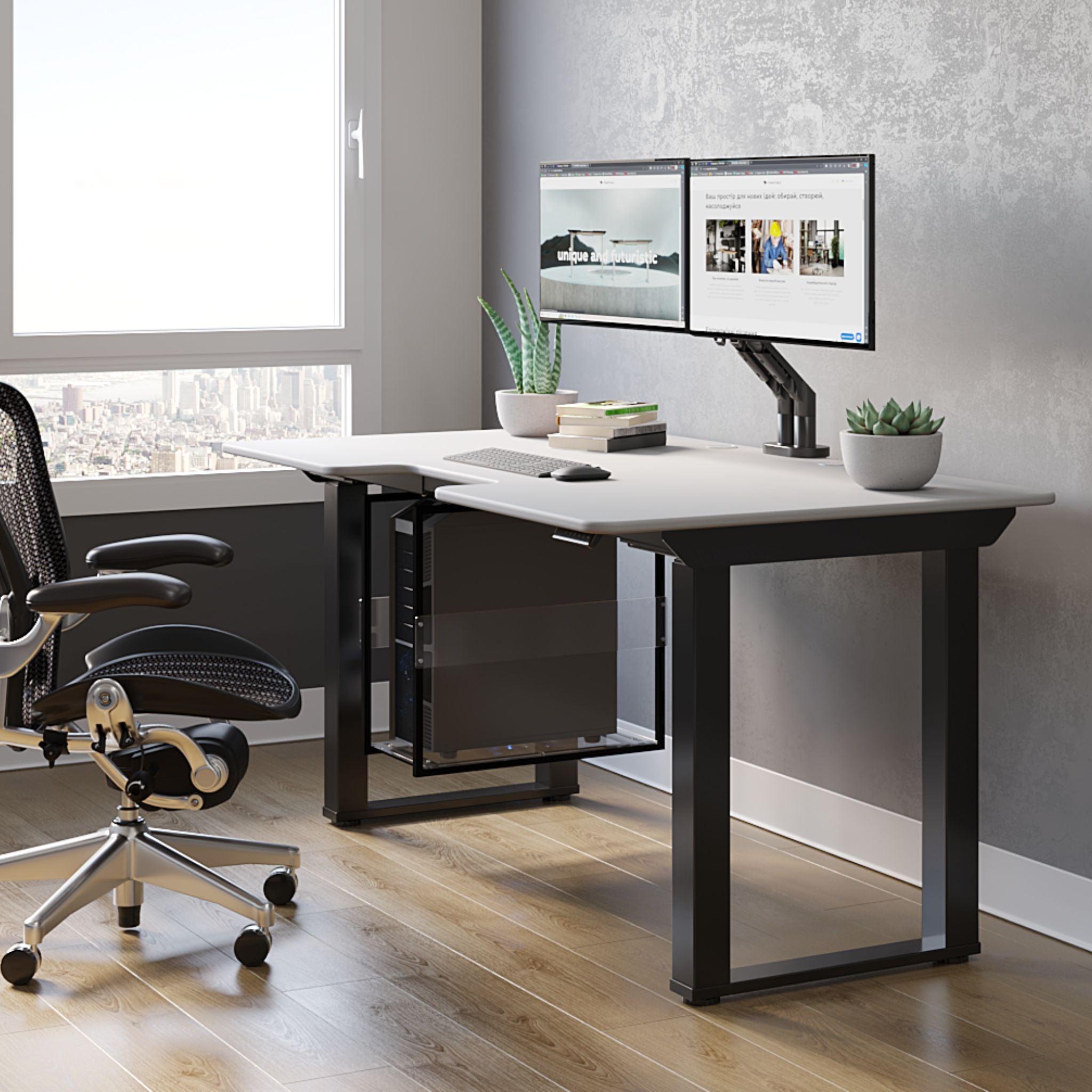
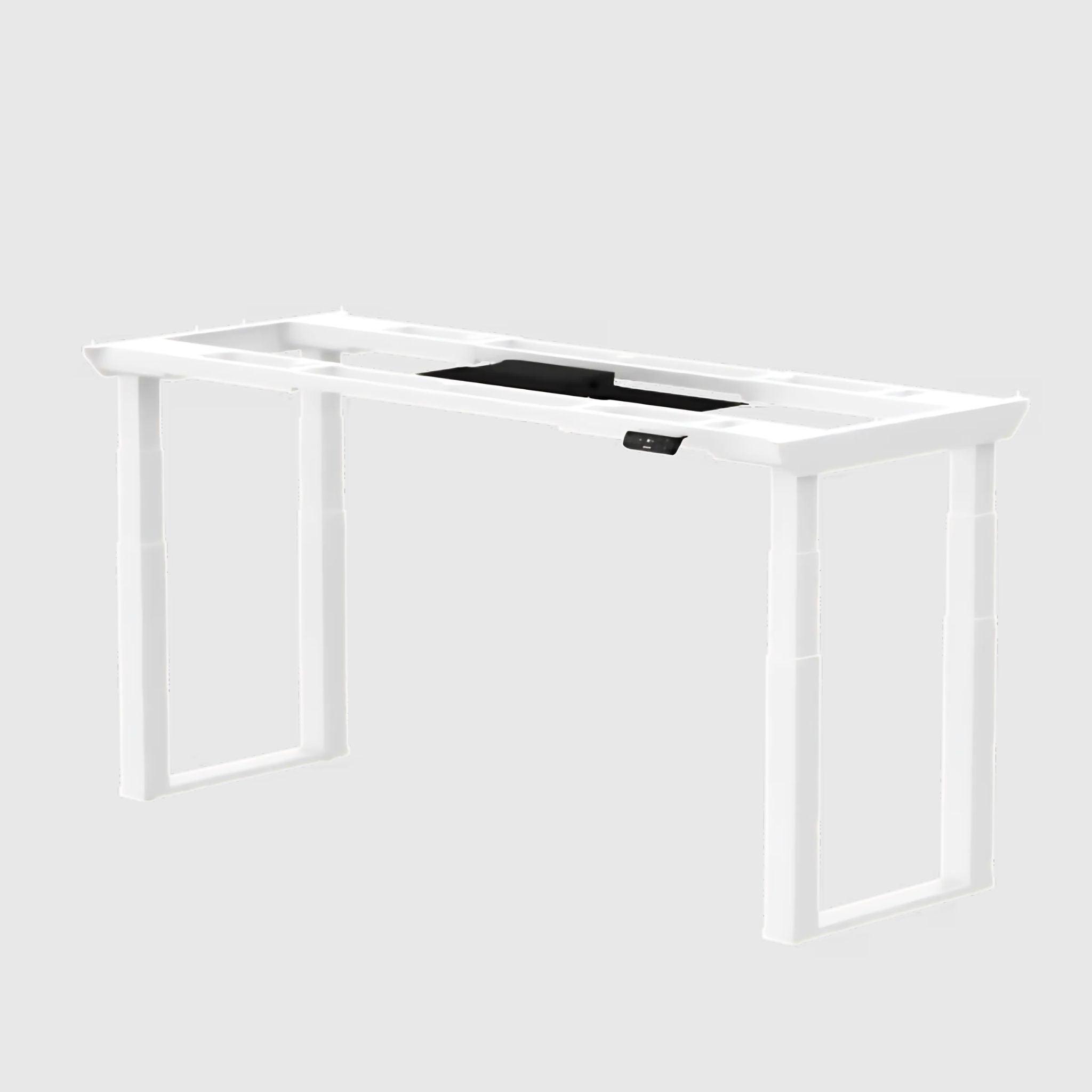




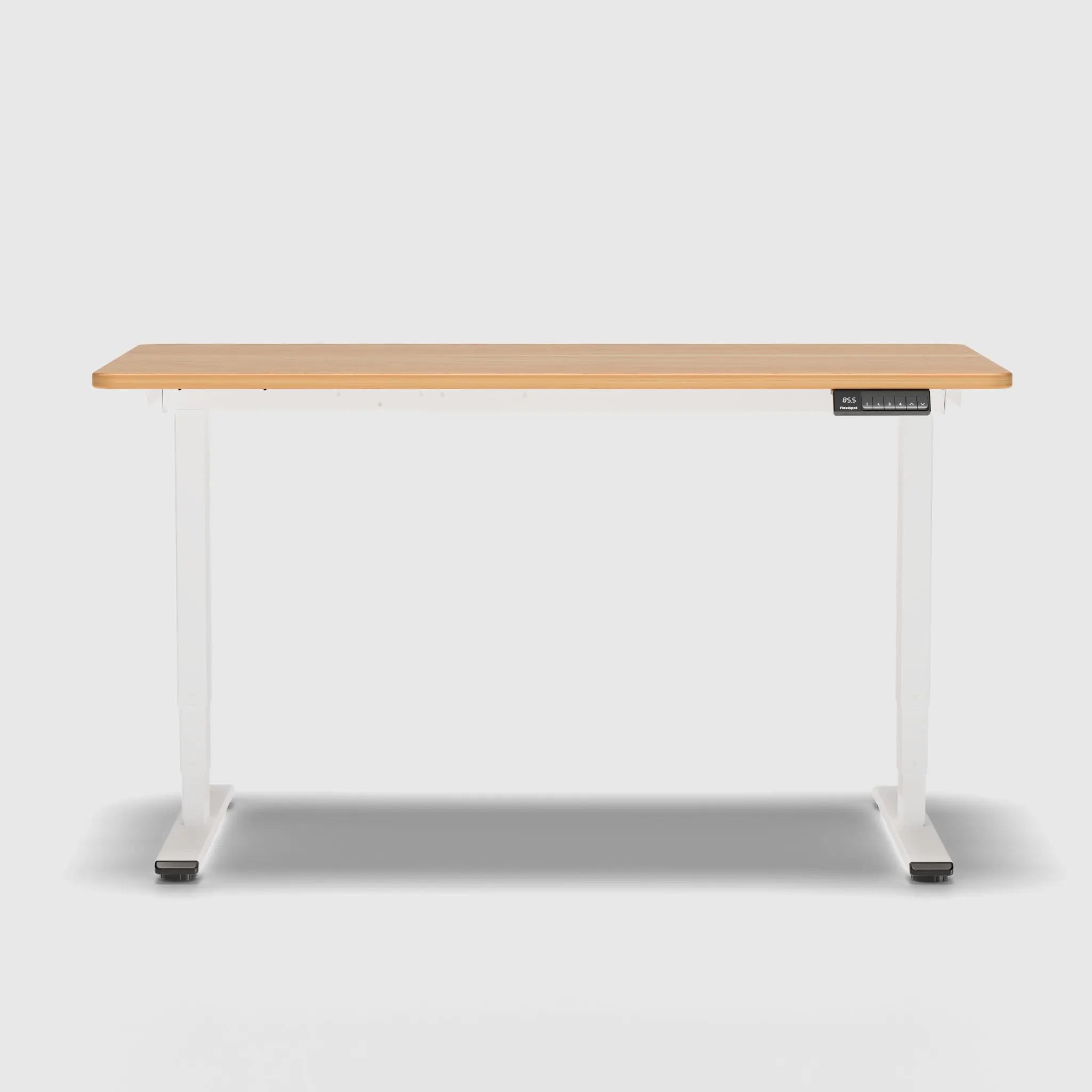
How to choose a frame with electronic height adjustment for your table?
When choosing a frame with electronic height adjustment, it's important to consider not only its functionality but also ergonomics, design, and stability. Below are the main criteria that will help you make the right choice.
Correct Posture and Desk Height
- Minimum Height: Feet are flat on the floor, knees bent at a 90° angle, soles fully touching the floor — without undue strain on the back;
- Arm Position: Elbows rest on the tabletop at a 90° angle or slightly more in a relaxed state — a natural arm position during work;
- Maximum Height: In a standing position, elbows are also bent at a 90° angle — less strain on the back and shoulders.
Load Capacity and Equipment Weight
Calculate the weight of everything that will be on the desk: monitors, system unit, printer, peripherals. For office and home workstations, the recommended load capacity of the frame is 70 to 150 kg: this allows for safe use of equipment without the risk of overloading.
The mass of the structure itself is also important: frames made of thick-walled metal provide better stability, especially at maximum lifting height. If multiple monitors or heavy equipment are planned, choose a more massive frame with a safety margin.
How Many Legs to Choose
- Two-leg frame — for standard desks: takes up little space, suitable for small workspaces;
- Three-leg frame — the only correct solution for corner (L-shaped) tabletops: three legs provide the necessary support and even load distribution. Two-leg frames are not suitable for corner configurations due to insufficient rigidity;
- Four-leg frame — the most stable option: for people over 185 cm tall, large desks, meeting areas, and transformable living room tables — for example, when a dining table turns into a bar counter.
One Motor or Several
Single-motor and shaft design — a basic system where one motor controls both legs. More budget-friendly, but less stable for large desks or significant loads.
Two-or-more-motor design — each leg has its own motor. This provides smoother and faster lifting with heavy or unevenly distributed weight, higher reliability, and durability.
Design, Dimensions, and Tabletop Materials
Frames are available in three colors — white, gray, and black, with rectangular (classic) or oval (modern look) legs. Tabletop sizes range from compact 900×600 mm for a home office to 3000×900 mm for meeting rooms and multi-monitor setups; materials include natural wood, MDF, chipboard, or HPL.
Transformable Table Design: What to Look For
Frames with a transforming function are equipped with telescopic elements, electric drives, and reinforced joints. The frame must remain stable at any height — without play or wobble even under daily loads; the base is made of steel or aluminum.
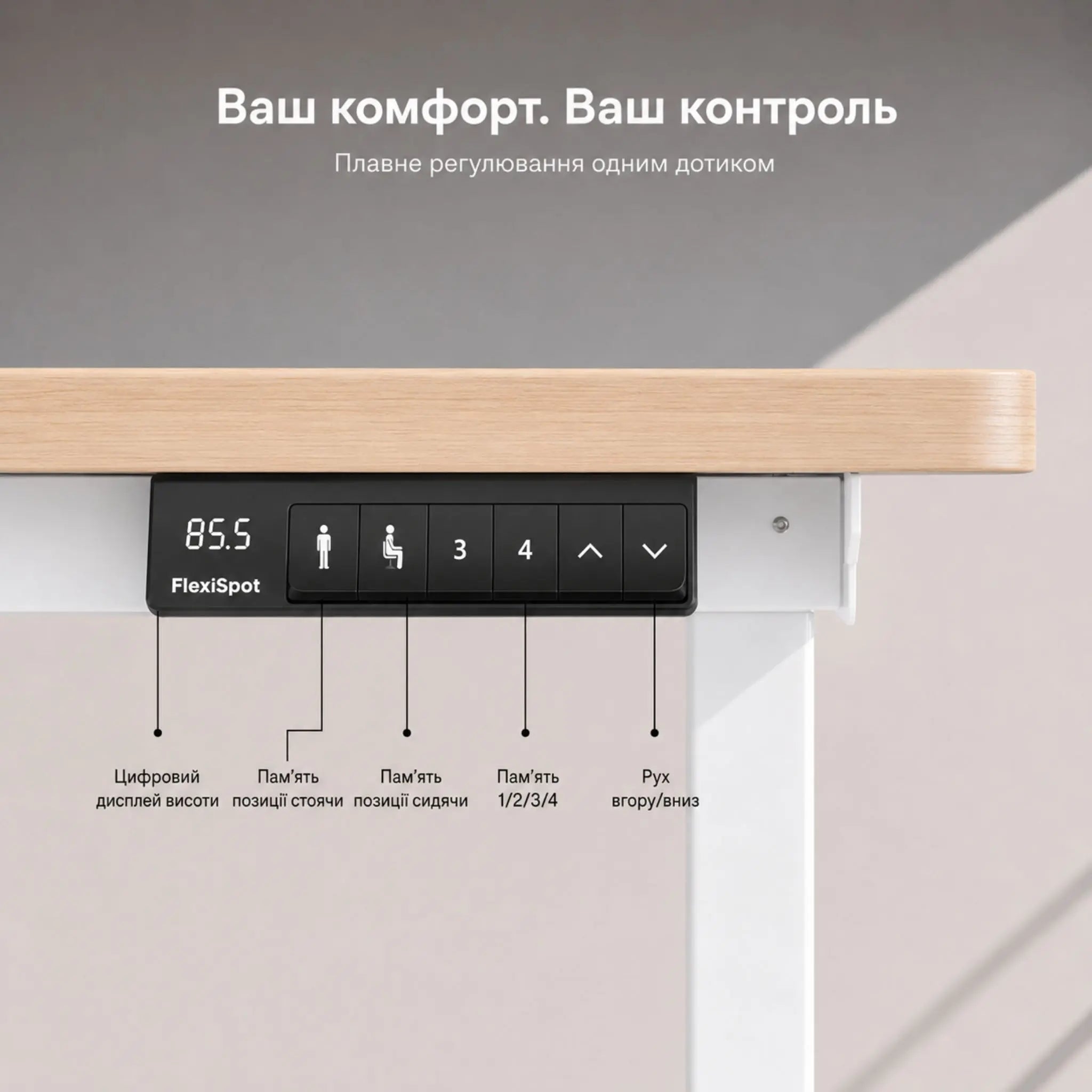
Modern electric mechanisms have anti-pinch protection, auto-stop upon obstacles, and smooth start/stop — this ensures not only comfort but also safety for daily use.
Memo: Frame Selection Criteria
| Criterion | Recommendation |
|---|---|
| Ergonomics | elbows and knees at 90° in sitting and standing positions |
| Load capacity | 70–150 kg for office and home, with extra capacity for equipment weight |
| Number of legs | 2 — standard desk, 3 — corner, 4 — large desk, height 185+ cm, transformable |
| Motors | 1 with shaft — budget-friendly; 2+ — stability, speed, durability |
| Tabletop size | from 900×600 mm to 3000×900 mm |
| Safety | anti-pinch protection, auto-stop, smooth start/stop |
If the desk is needed for heavy equipment or a large workspace, choose structures with two or more motors and three to four legs. Create your ideal desk: start with the frame, add a tabletop — or browse ready-made setups.